Attractions and Places To See around Houx - Top 20
Best attractions and places to see around Houx include historical sites and natural landscapes in the Eure-et-Loir department of France. This area features the Voise river valley, historical canals, and remnants of old mills. Visitors can explore significant architectural structures and enjoy the banks of the Eure river. The region offers a mix of historical monuments and scenic river views.
Best attractions and places to see around Houx
- The most popular attractions is Pont Rouge on the Louis XIV Canal…
Last updated: July 6, 2026
Pont Rouge on the Louis XIV Canal
Highlight • Bridge
Translated by Google •
Tip by

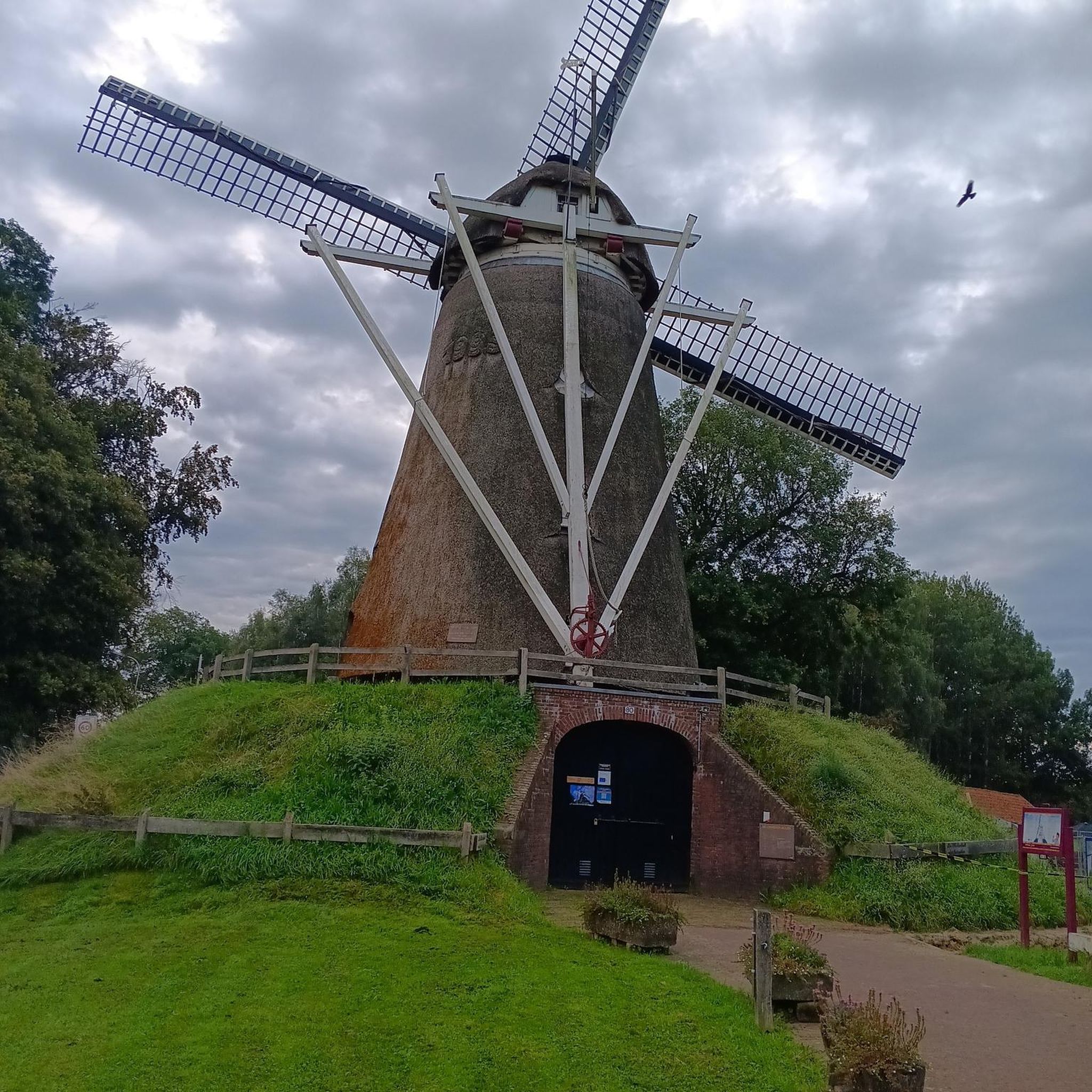
Saint-Piat Mill
Highlight • Monument
Translated by Google •
Tip by

Sign up now to discover places like this
Get recommendations on the best single tracks, peaks, & plenty of other exciting outdoor places.
Sign up for free
Saint-Sulpice Church of Châteaudun
Highlight • Religious Site
Translated by Google •
Tip by
Saint Peter's Church, Épernon
Highlight • Religious Site
Translated by Google •
Tip by

Maintenon Castle
Highlight • Castle
Translated by Google •
Tip by
Sign up for free to discover even more attractions around Houx.
Sign up for free
Already have an account?
Start today with a free account
Your next adventure awaits.
Login or Signup




Tips from the Community

According to tradition, the church choir covers the remains of an older building, possibly dating back to the 6th century, which was built to house the saint's body. According to current knowledge, the commune of Saint-Piat (Sanctus Piatus in Latin) officially appeared in 1087, mentioned in a charter of the Nottonville Priory (Eure-et-Loir), on which it depended. The current building was rebuilt during the time of Francis I, as suggested by the date 1535 engraved on two buttresses of the apse and the date 1542 engraved on a piece of wood from the vault. This is according to a study by the SAEL (Eure-et-Loir Archaeological Society). The three-sided apses, the dripstone towers (horizontal members projecting from a wall), and the sculpted roof structures are a testament to the importance of the reconstructions carried out in the department during the 16th century. The church of Saint-Piat is one of them. While the church has not been officially recognized, it nevertheless contains objects that have attracted attention both for their antiquity and quality, but not always for good reason. Their artistic value, far from attracting only religious or aesthetic interest, has also aroused a covetousness that, unfortunately, remains for some of them. Fortunately, those still in place are carefully cared for and offer the curious a story to discover, a beauty to slowly ponder as they progress toward the choir.
0
0

more road and fields than forest areas but still nice
0
0

With its curiously crowned square tower, this charming church boasts a flamboyant Gothic style. Built between the 15th and 17th centuries, it preserves a remarkable collection of 16th-century stained-glass windows dedicated to Eucharistic miracles.
0
0

The Saint-Sulpice church in Nogent-Le-Roi is an impressive church built in the 15th century and which was part of the defensive wall which protected the entrance to the town. You can admire its beautiful stained glass windows and its wrought iron choir inside, as well as its original tower outside. The church is located in the heart of Nogent-Le-Roi, a charming town with old half-timbered houses and a castle.
2
0
The Moulin de Saint-Piat is a water mill located on the Eure and dating from the 11th century where it was once used for the production of flour and the extraction of oil. You can admire the architecture of the mill, which was extended in 1865, and enjoy the view of the river and the nearby church. The mill is also a good place for birdwatching, as you may be able to see herons, kingfishers and ducks along the water.
4
0
The Church of Saint-Sulpice in Nogent-Le-Roi is an impressive church built in the 15th century and which formed part of the defensive wall that protected the entrance to the town. You can admire its beautiful stained glass windows and its wrought iron choir screen inside, as well as its original tower outside. The church is located in the heart of Nogent-Le-Roi, a charming town with old half-timbered houses and a castle.
2
0
The Château de Maintenon is a castle that was once the residence of Madame de Maintenon, the second wife of Louis XIV. You can explore the elegant halls and gardens of the castle, as well as the impressive aqueduct that was built to supply water to the Palace of Versailles. The castle is open from Tuesday to Sunday, from 10:30 a.m. to 6:30 p.m. The entrance price is 9 euros for adults and 6 euros for children. You can also benefit from a guided tour or an audio guide at an additional cost. The castle is surrounded by a beautiful park, where you can stroll along the Eure and admire the view of the aqueduct and the castle.
3
0

The church in Epernon was dedicated to Saint Peter (SAINT-PIERRE). Simon, nicknamed Peter (rock), was a fisherman on the Sea of Genesareth when he – together with his brother Andrew – was called by Jesus Christ to be the "fisher of men". According to Catholic understanding, he is the supreme apostle, and the two millennia-long line of popes – currently Francis – are his successors. On statues and paintings Peter is almost always depicted with two keys in his hand, this attribute refers to the Bible passage in Matthew: “I will give you the keys of the kingdom of heaven; what you bind on earth will be bound in heaven, and what you loose on earth will be loosed in heaven” (chapter 16, verse 19). Peter is also known along with Paul as the "Princes of the Apostles", their common feast day in the calendar of saints is June 29th.
1
0
Frequently Asked Questions
What historical sites can I explore around Houx, France?
The region around Houx, France, is rich in history. You can visit the Pont Rouge on the Louis XIV Canal, a 17th-century bridge that was part of the Maintenon aqueduct project. Also, explore the Maintenon Castle, a significant historical site just 4 km away. Other historical points include the 12th-century Church of Saint-Léger and the 11th-century Chapel of Saint-Mamert.
Are there any significant religious buildings to visit near Houx?
Yes, several notable religious buildings are in the vicinity. The Saint-Sulpice Church of Châteaudun, built in the 15th century, features beautiful stained glass windows. Another impressive site is Saint Peter's Church, Épernon, which dates back to the 15th century and is recognized as a historical monument. Closer to Houx, you can find the 12th-century Church of Saint-Léger and the 11th-century Chapel of Saint-Mamert.
What natural landscapes can I discover around Houx, France?
Houx, France, is situated along the picturesque Voise river valley, offering scenic views with fields on higher ground and a significant poplar grove in the valley. The banks of the Voise river, known as the Rives de la Voise, were historically popular for their beauty. You can also enjoy views of the Eure river, particularly near the Saint-Piat Mill, which is a good spot for birdwatching.
Are there opportunities for outdoor activities like cycling or running near Houx?
Absolutely! The area around Houx offers various routes for outdoor enthusiasts. For cycling, you can find routes like the 'Saint-Piat Mill – The finish line in Chartres loop' or the 'Maintenon Castle – Maintenon loop'. If you prefer running, consider trails such as the 'Maintenon Aqueduct loop' or the 'Le Hameau du Parc loop'. You can find more details on these and other routes in the Cycling around Houx and Running Trails around Houx guides.
Are there family-friendly attractions around Houx?
Many attractions around Houx are suitable for families. The Pont Rouge on the Louis XIV Canal and the Saint-Piat Mill offer historical insights and scenic views that can be enjoyed by all ages. The Maintenon Castle also provides an engaging experience with its elegant halls and gardens.
What do visitors particularly enjoy about the attractions near Houx?
Visitors appreciate the blend of historical significance and natural beauty. The Pont Rouge is valued for its historical context and connection to Louis XIV. The Saint-Piat Mill is loved for its architecture, river views, and birdwatching opportunities. The Saint-Sulpice Church is admired for its impressive Gothic style and stained glass windows.
What is the history behind the Canal Louis XIV and the Pont Rouge?
The Canal Louis XIV, along with the Pont Rouge, was constructed in the late 17th century under the orders of Louis XIV. This ambitious project aimed to transport water from the Eure river to the Palace of Versailles. The Pont Rouge, built between 1685-1686, historically served as a grand entrance into Maintenon and is named, according to legend, after the color of the guards' uniforms.
Can I visit any castles or châteaux in the vicinity of Houx?
Yes, the most prominent is the Maintenon Castle, located just 4 km from Houx. This historic castle was once the residence of Madame de Maintenon, Louis XIV's second wife, and features beautiful gardens and an impressive aqueduct. Further afield, you can find the Château de Rambouillet, about 17 km away.
Are there any unique historical mills to see in the area?
Yes, the Saint-Piat Mill is a notable historical water mill on the Eure river, dating back to the 11th century. It was originally used for flour production and oil extraction. While no longer active, it offers a glimpse into the region's industrial past and provides lovely views of the river. The commune also features remnants of other old windmills and watermills.
What historical sites are there in Houx, Belgium?
If you are referring to Houx in Belgium, located in Namur Province, you can explore the ruins of the Poilvache Fortress. This medieval castle, built in 1214, stands on a cliff overlooking the Meuse river and was once a powerful 'state fortress'. You can walk from Houx to the fortress, climbing the limestone hillside.
What natural areas can I explore near Houx, Belgium?
Near Houx, Belgium, the Champalle-Poilvache Nature Reserve is a significant natural site. This 51-hectare reserve covers the slopes of the limestone cliff and a wooded plateau, home to southern plants and chalk grassland. It offers a walking path to discover its protected areas. The Meuse river itself is also a prominent natural feature, with Lock No. 6 and Île de Houx (Houx Island) providing scenic spots.
How can I experience the Voise river valley?
The Voise river valley, where Houx, France, is located, can be experienced by exploring its banks. The 'Rives de la Voise' were historically a popular subject for postcards, indicating their scenic beauty. You can enjoy walks along the river, observing the fields on higher parts of the commune and the significant poplar groves in the valley.

Get inspired with the komoot mobile app


Explore more
Still not found the Highlight you’re looking for? See guides of the top attractions in other regions:
