Attractions and Places To See around Saint-Jean-La-Fouillouse - Top 20
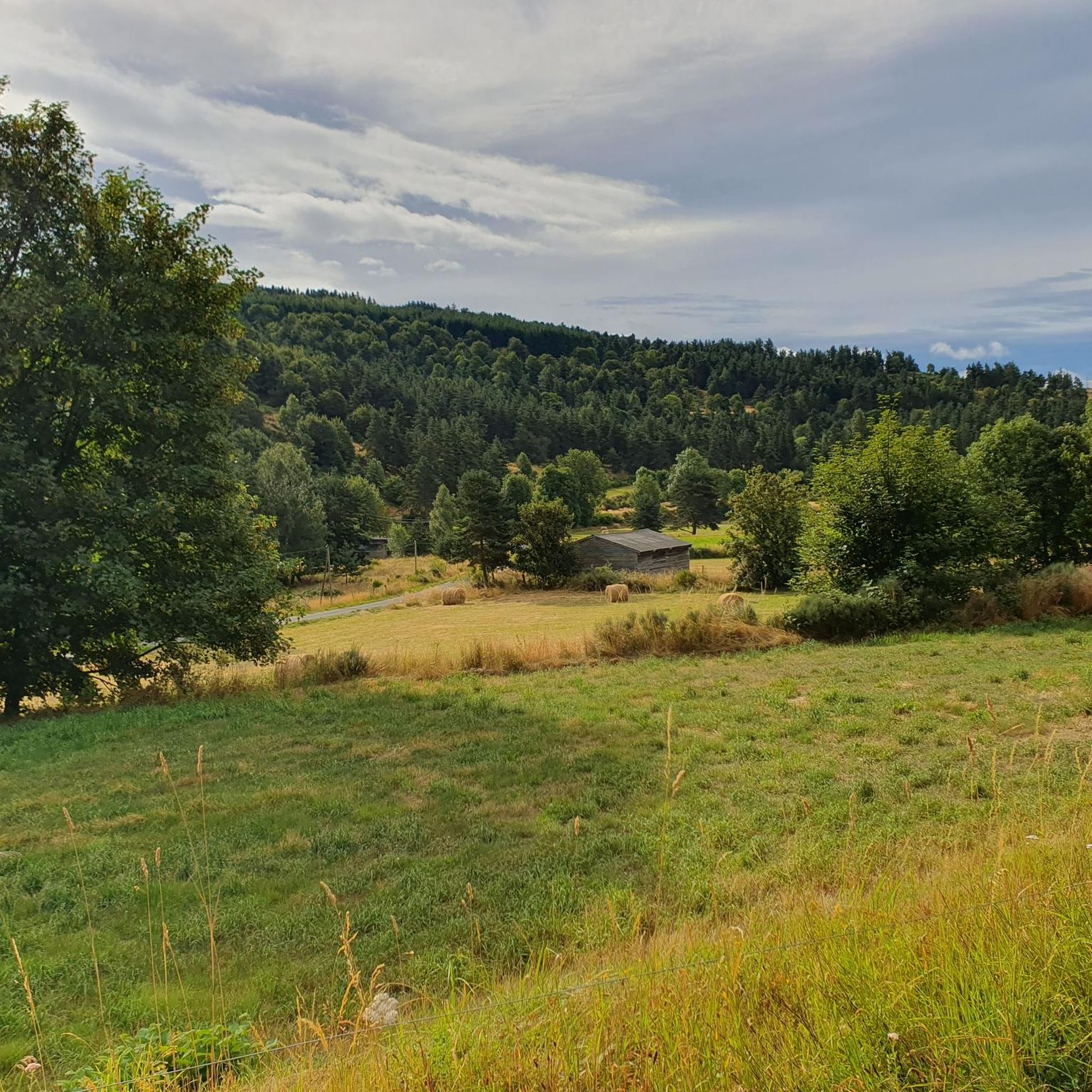
Best attractions and places to see around Saint-Jean-La-Fouillouse include natural features, historical landmarks, and outdoor activities. This commune in the Lozère department of France is situated on the foothills of the Margeride Mountains, offering diverse landscapes. The area provides opportunities for exploring nature and local heritage, with a focus on hiking trails and cultural sites.
Best attractions and places to see around Saint-Jean-La-Fouillouse
- The most popular attractions is Donozau Waterfall, a waterfall that cascades down a small rock face.…
Last updated: July 1, 2026
Langogne
Highlight • Bridge
Translated by Google •
Tip by

Ron de la Baoume
Highlight • Other
Translated by Google •
Tip by

Sign up now to discover places like this
Get recommendations on the best single tracks, peaks, & plenty of other exciting outdoor places.
Sign up for free
La Halle aux Grains
Highlight • Other
Velay and South of France, Langogne
emerges from its ramparts in the 18th century
century. In 1743, Dom Ambroise de
Fleury, Prior of the city, made …
Translated by Google •
Tip by
Donozau Waterfall
Highlight • Waterfall
Translated by Google •
Tip by

Col des Trois Sœurs
Highlight • Mountain Pass
Translated by Google •
Tip by

Sign up for free to discover even more attractions around Saint-Jean-La-Fouillouse.
Sign up for free
Already have an account?
Start today with a free account
Your next adventure awaits.
Login or Signup
Popular around Saint-Jean-La-Fouillouse

Tips from the Community

In one of the best-preserved parts of the Margeride massif, the Three Sisters pass is said to have been named after the story of three sisters born in the parish of La Panouse, all three of whom were hired as servants in the local barracks. According to the dictionary of the rural world, these barracks refer to old inns located at the start of steep roads. This allowed the wagoners to reinforce their teams before setting off.
2
0


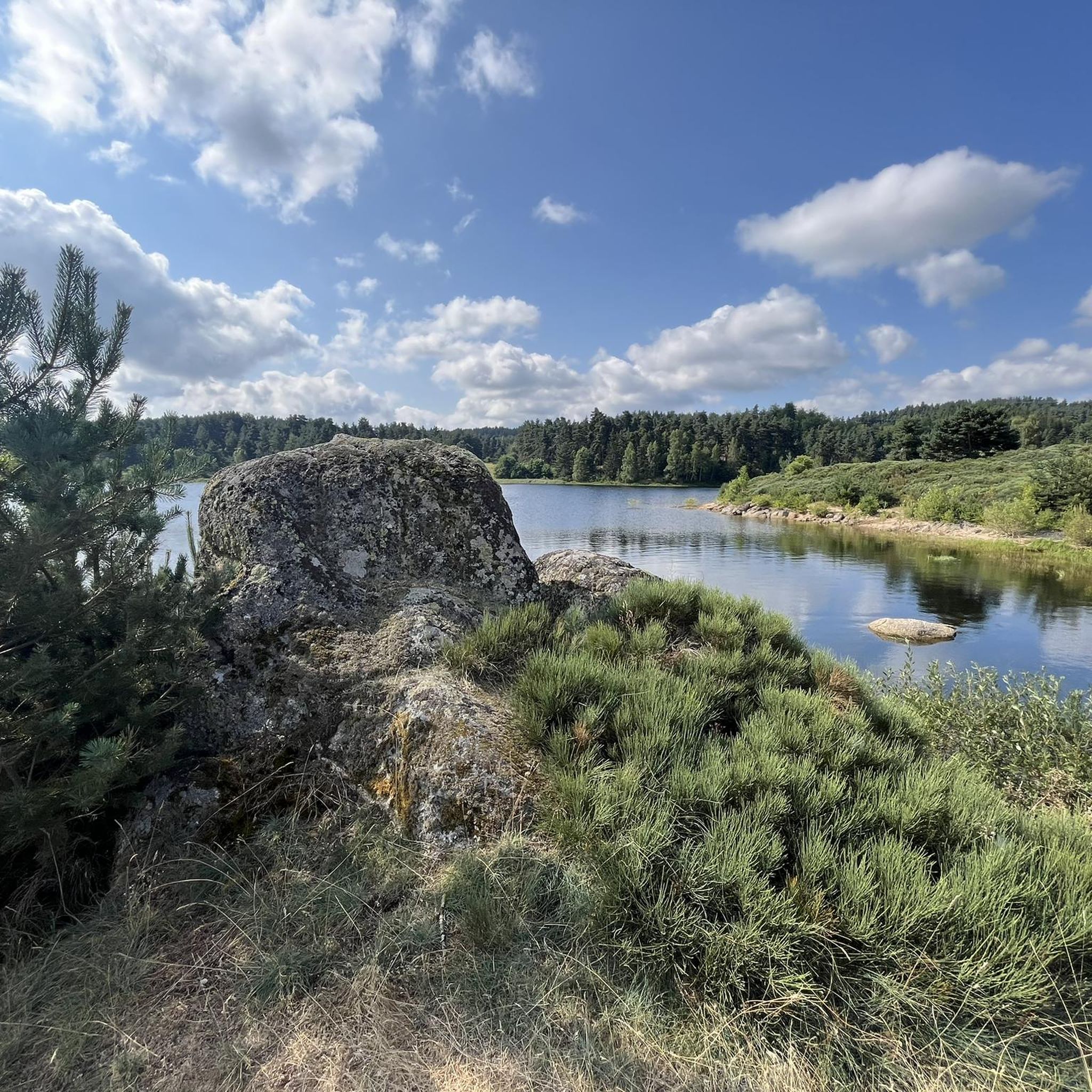
As you skirt the Naussac reservoir, you will discover the Cascade du Donozau. This waterfall, which cascades down a small rock face, creates a picturesque scene ideal for a peaceful picnic. The surrounding area offers a variety of hiking trails that will allow you to explore the diverse landscapes of the region.
1
0

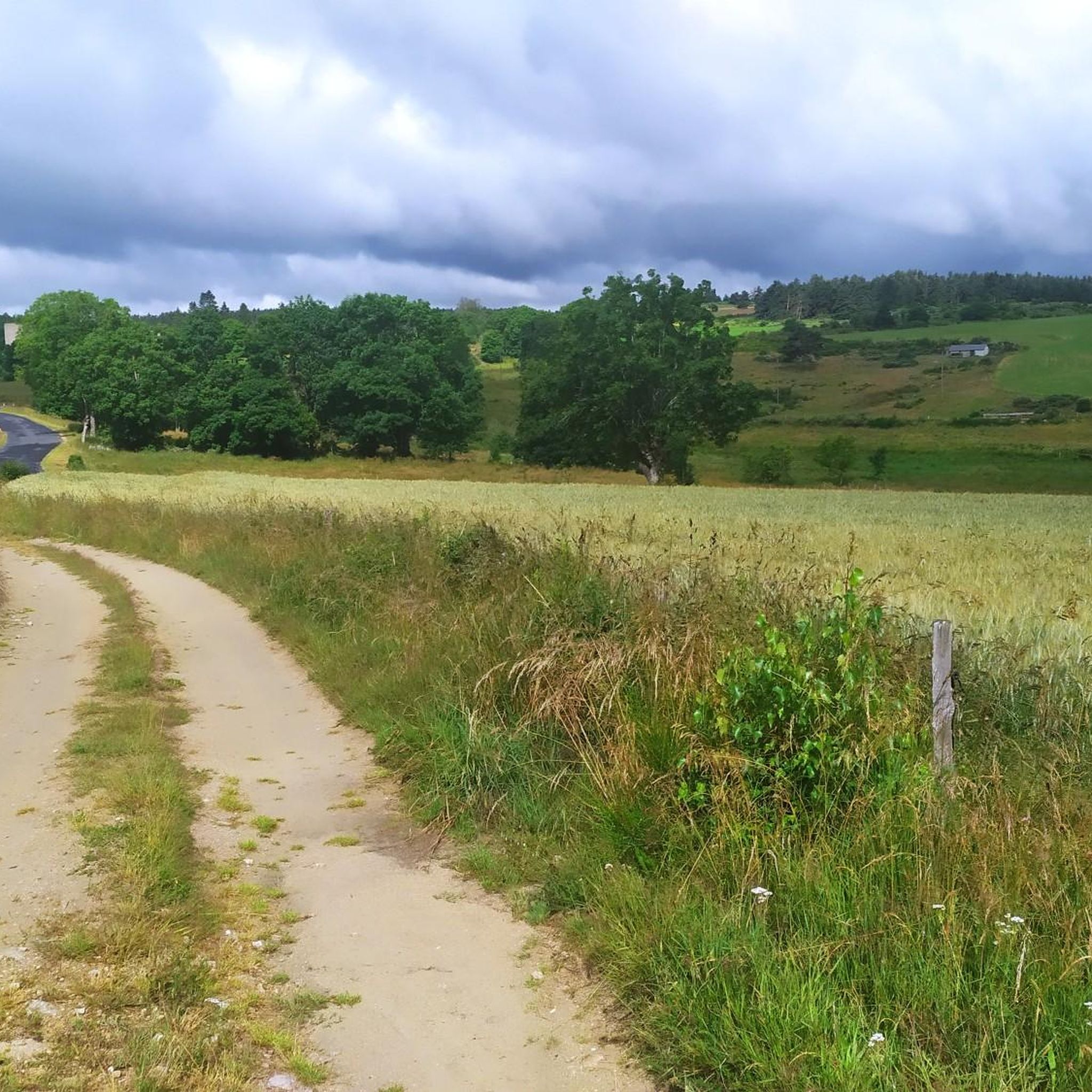
This charming rural town located in the heart of Margeride offers an ideal setting for cycling. Its cafes and restaurants allow you to stop there in the middle or end of your outing.
1
0

Transit link between Vivarais, Velay and South of France, Langogne emerges from its ramparts in the 18th century century. In 1743, Dom Ambroise de Fleury, Prior of the city, made build the Hall, with its fourteen pillars, one of the most large preserved in France. It is a place for the exchange of cereals, farm products, leather, local wool, for chestnuts from the Cévennes, wines and oils from Provence, and other goods from the South and the Mediterranean.
3
0
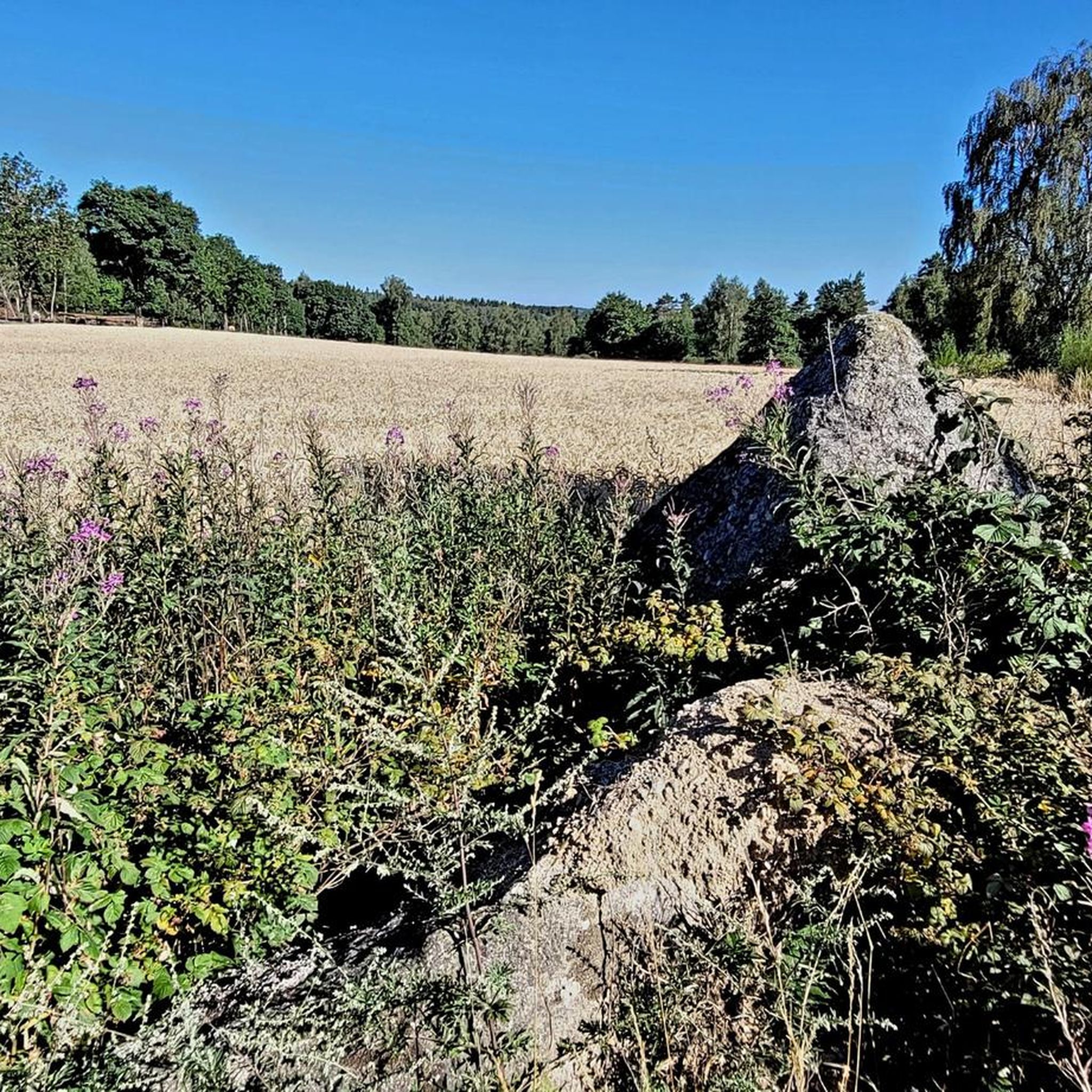
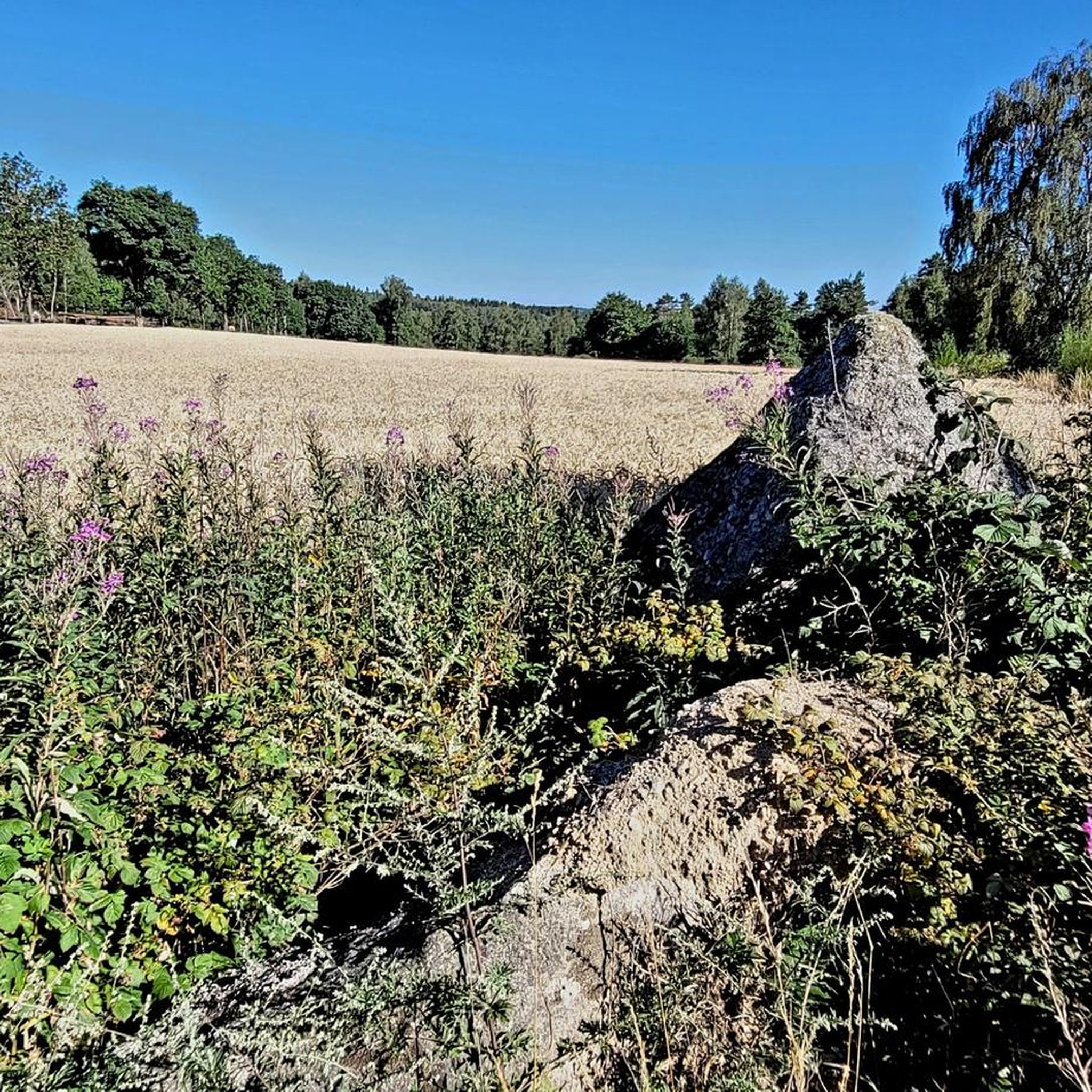
This natural monument is located 60 m next to the Stevenson path in the forest. If you're not careful you can easily walk past it. These granite rocks are house-high, about 7 m. There are many granite boulders in this area, some of which are lined up along the side of the road so that the fields can be cultivated better. But this collection is of natural origin and worth seeing. If you then walk a little further along the Stevenson path, you will pass a nice rest area with many benches and tables and very large spruce trees, some of which were already there in Stevenson's time.
2
0

Nice granite chaos hidden in the forest and forming a small cave.
1
0

Langogne is at the heart of many sites perfect for hiking and outdoor activities. It is a territory with a thousand facets, in the middle of Margeride, a few steps from Lake Naussac and the Haut-Allier gorges. The town is also home to some cultural gems that are worth a visit such as the Chastanier sacred art museum, the thousand-year-old city of Langogne or the Filature des Calquières museum.
4
0
Frequently Asked Questions
What are some unique natural features to explore near Saint-Jean-La-Fouillouse?
You can discover the fascinating Ron de la Baoume, a natural monument featuring house-high granite rocks forming a small cave, hidden within the forest. Another impressive natural sight is Donozau Waterfall, which cascades down a small rock face near the Naussac reservoir, offering a picturesque scene. Additionally, the imposing granite formation known as La Roche Branlante is a striking geological feature within the commune.
Are there any historical landmarks worth visiting in Saint-Jean-La-Fouillouse?
Yes, the region boasts several historical sites. You can visit La Halle aux Grains in Langogne, a historic hall built in 1743 with fourteen pillars, once a significant trading place for cereals and farm products. Within Saint-Jean-La-Fouillouse itself, you'll find La Tour du Cellier, a quadrangular granite tower that is a remnant of a medieval stronghold, and the Église Saint-Jean-Baptiste, which holds local historical and architectural significance.
What cultural sites can I visit in the area?
Beyond historical landmarks, the town of Langogne, a central point for outdoor activities, also features cultural gems like the Chastanier sacred art museum and the Filature des Calquières museum. La Halle aux Grains also offers a glimpse into the region's trading history.
Are there family-friendly activities or attractions in Saint-Jean-La-Fouillouse?
Absolutely! A popular family-friendly option is La Ferme de la Toison d'Or, a discovery farm and animal park where visitors can interact with animals in a 6-hectare setting. The Donozau Waterfall area is also ideal for a peaceful picnic, making it suitable for families.
What kind of hiking trails are available around Saint-Jean-La-Fouillouse?
The area around Saint-Jean-La-Fouillouse is a haven for hikers, with at least 16 different trails. You can find circuits around natural sites like the Lac de Charpal, offering relatively flat paths through woodlands. The upper Langouyrou valley also provides pleasant hikes through diverse meadows and woods. For more detailed routes, explore the Running Trails around Saint-Jean-La-Fouillouse guide, which includes routes like the 'Donozau Waterfall – Lake Naussac loop'.
Can I find routes for cycling or running near Saint-Jean-La-Fouillouse?
Yes, the region is well-suited for both cycling and running. For gravel biking, you can explore routes like the 'Lake Naussac – Auradoux Pond loop' or the 'Col des Trois Sœurs – Baraque des Bouviers loop'. Road cyclists can enjoy routes such as the 'Aux delices de la tour – Langogne loop'. Find more options in the Gravel biking around Saint-Jean-La-Fouillouse and Road Cycling Routes around Saint-Jean-La-Fouillouse guides.
Where can I experience the natural beauty of the Margeride Mountains?
Saint-Jean-La-Fouillouse is located on the foothills of the Margeride Mountains, offering a scenic backdrop for exploration. You can experience its beauty through various hiking trails that traverse forests and varying altitudes. The Col des Trois Sœurs is situated in one of the best-preserved parts of the Margeride massif, providing stunning views.
Is the Cévennes National Park accessible from Saint-Jean-La-Fouillouse, and what can I do there?
While not directly in Saint-Jean-La-Fouillouse, the nearby Cévennes National Park is a UNESCO World Heritage site known for its exceptional natural landscapes and diverse ecosystems. It's an excellent option for exploring a wider natural area, offering extensive hiking and outdoor activities. For more information, you can visit the Cévennes Tourism website.
What is the best time of year to visit Saint-Jean-La-Fouillouse for outdoor activities?
The region's hiking trails, especially those through woodlands like around Lac de Charpal, are ideal for warmer weather. This suggests that spring, summer, and early autumn would be excellent times to visit for outdoor activities, allowing you to fully enjoy the natural landscapes and trails.
Are there any viewpoints offering scenic panoramas?
Yes, the Col des Trois Sœurs is a notable viewpoint located in the Margeride massif, offering picturesque vistas. Many hiking trails in the upper Langouyrou valley also provide various landscapes and viewpoints across the region.
What do visitors enjoy most about the attractions around Saint-Jean-La-Fouillouse?
Visitors particularly appreciate the blend of natural beauty and historical significance. The Donozau Waterfall is loved for its picturesque scenery and surrounding hiking trails. The town of Langogne is valued as a central point for outdoor activities and its cultural sites. The region's diverse landscapes and opportunities for exploration, from geological formations to cultural heritage, are highly rated by the komoot community.
Most popular routes around Saint-Jean-La-Fouillouse

Get inspired with the komoot mobile app


Explore more
Still not found the Highlight you’re looking for? See guides of the top attractions in other regions:
