The 18 Most Amazing Peaks around Murat-Le-Quaire
Mountain peaks around Murat-Le-Quaire are located within the volcanic Massif du Sancy in Auvergne, France. This region is part of the Auvergne Volcanoes Regional Nature Park, known for its diverse landscapes and rich geological history. The area features numerous summits that offer expansive views and varied terrain for exploration.
Best mountain peaks around Murat-Le-Quaire
- The most popular mountain peaks is Puy de Sancy, a summit that stands as the highest peak in the Massif Central at 1,886 meters. This…
Last updated: July 7, 2026
Puy de Sancy
Highlight • Summit
300,000 years old when its …
Translated by Google •
Tip by

La Banne d'Ordanche
Highlight • Summit
Translated by Google •
Tip by
Sign up now to discover places like this
Get recommendations on the best single tracks, peaks, & plenty of other exciting outdoor places.
Sign up for free
Puy Loup
Highlight • Summit
Translated by Google •
Tip by

Puy Gros
Highlight • Summit
From its summit, you can observe the entire …
Translated by Google •
Tip by
View of Sanadoire rock
Highlight • Summit
This rock is the remains of an old volcano eroded by a glacier. The rock …
Translated by Google •
Tip by

Sign up for free to discover even more peaks around Murat-Le-Quaire.
Sign up for free
Already have an account?
Start today with a free account
Your next adventure awaits.
Login or Signup

Tips from the Community

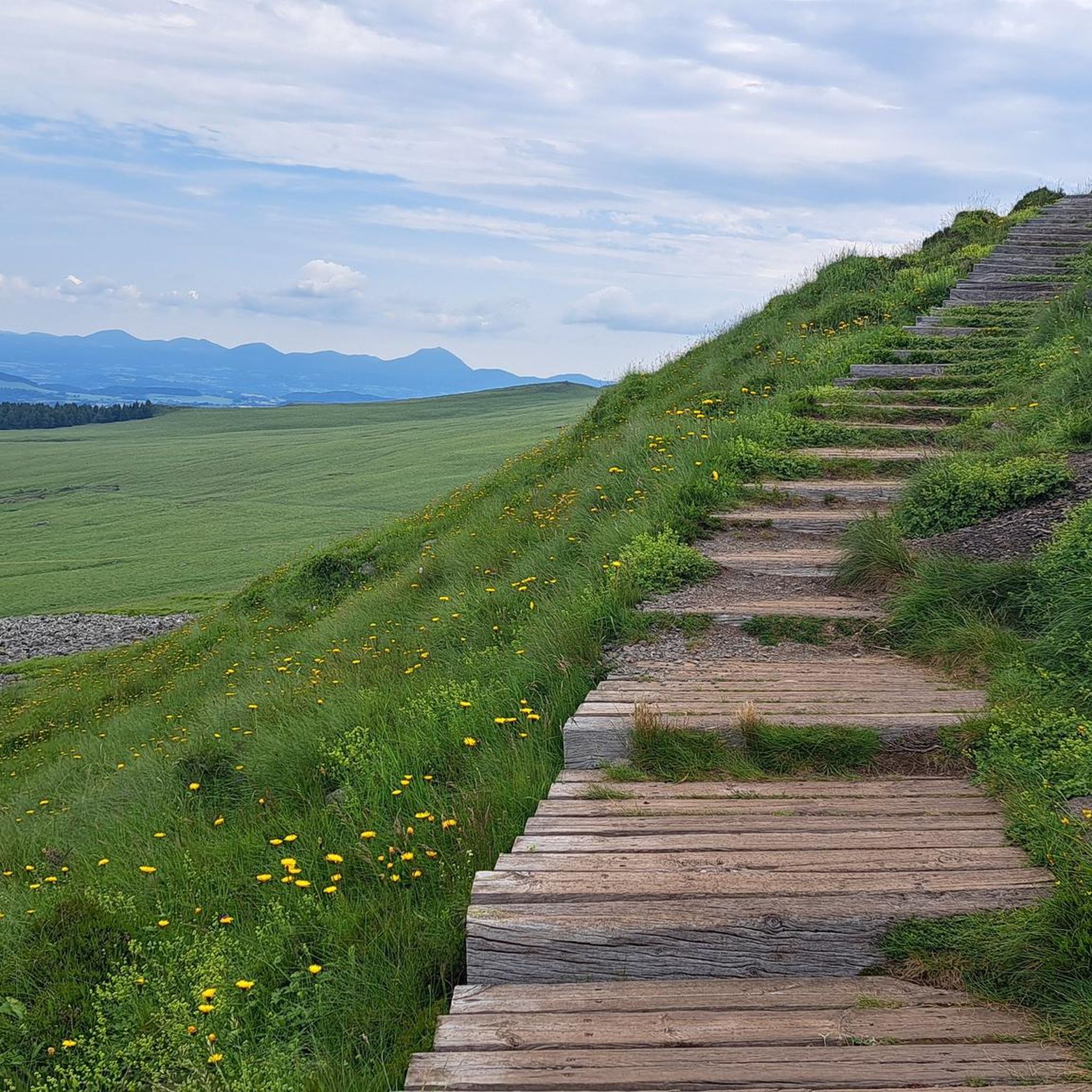
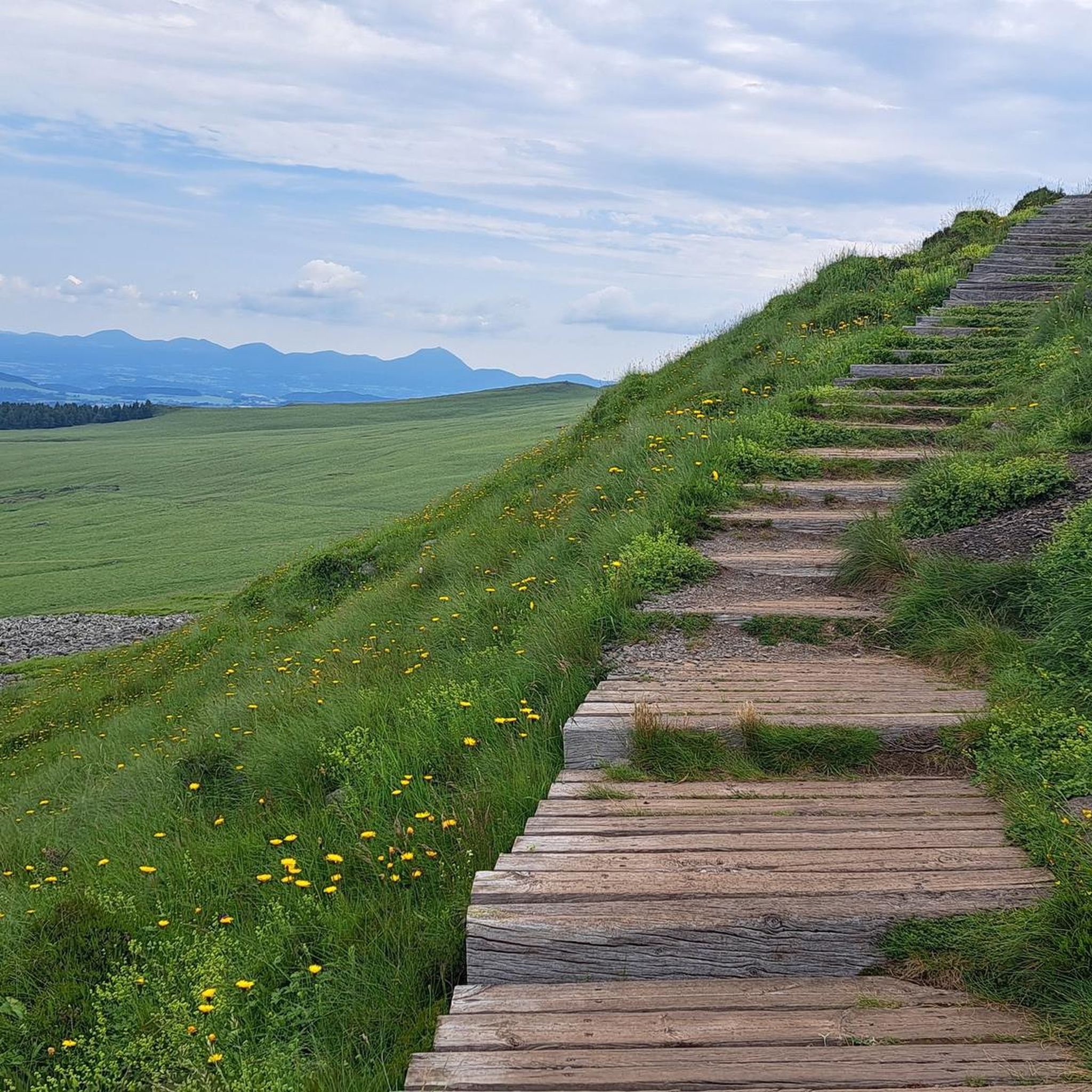
The Banne d'Ordanche is a 1515 m high volcanic peak in the shape of a neck-shaped crater head. It solidified about 2 million years ago before being planed down by glaciers (https://www.sancy.com/) The views in all directions are phenomenal and the summit is easy to reach - the last part is comfortably via wooden stairs. Due to several nearby car parks, you are rarely alone here in good weather.
3
1
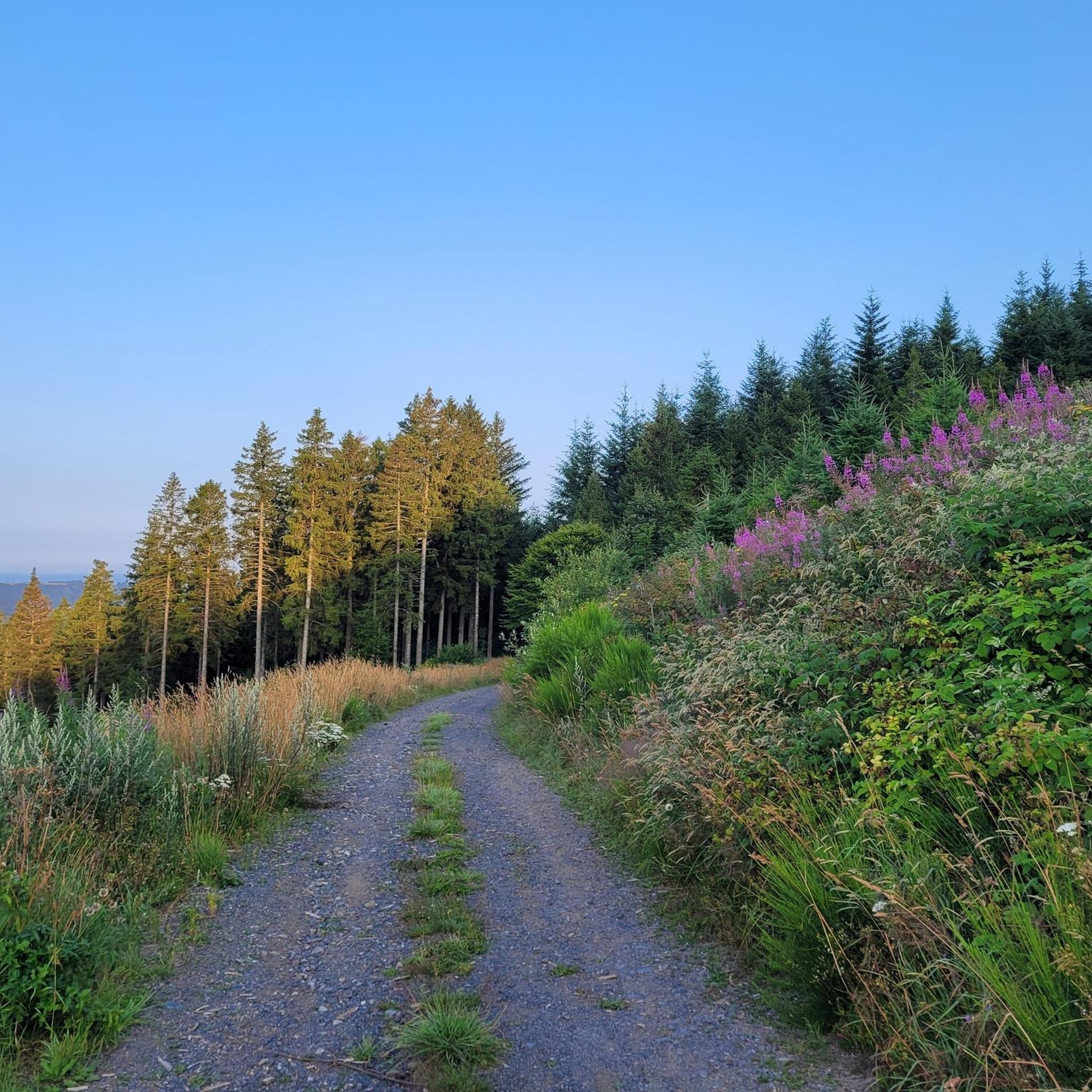
At just over 1480m, the Puy Loup offers a great view in all directions. The small refuge on the summit used to be a tower that belonged to a gliding base that was located on the ridge at the beginning of the 20th century: 'Centre national de vol sans moteur de LA BANNE D'ORDANCHE', https://www.anciens-aerodromes.com/
2
1


La Banne d'Ordanche is a peak of volcanic origin in the Dore Mountains in the Puy-de-Dôme department. It culminates at an altitude of 1,512 m and overlooks the town of La Bourboule. Easily accessible from the Col de Guéry, there is a wonderful 360° panoramic view (orientation table above) of the Puys chain, the Puy de Sancy, but also of the Cantal mountains. Source: Wikipedia
2
1

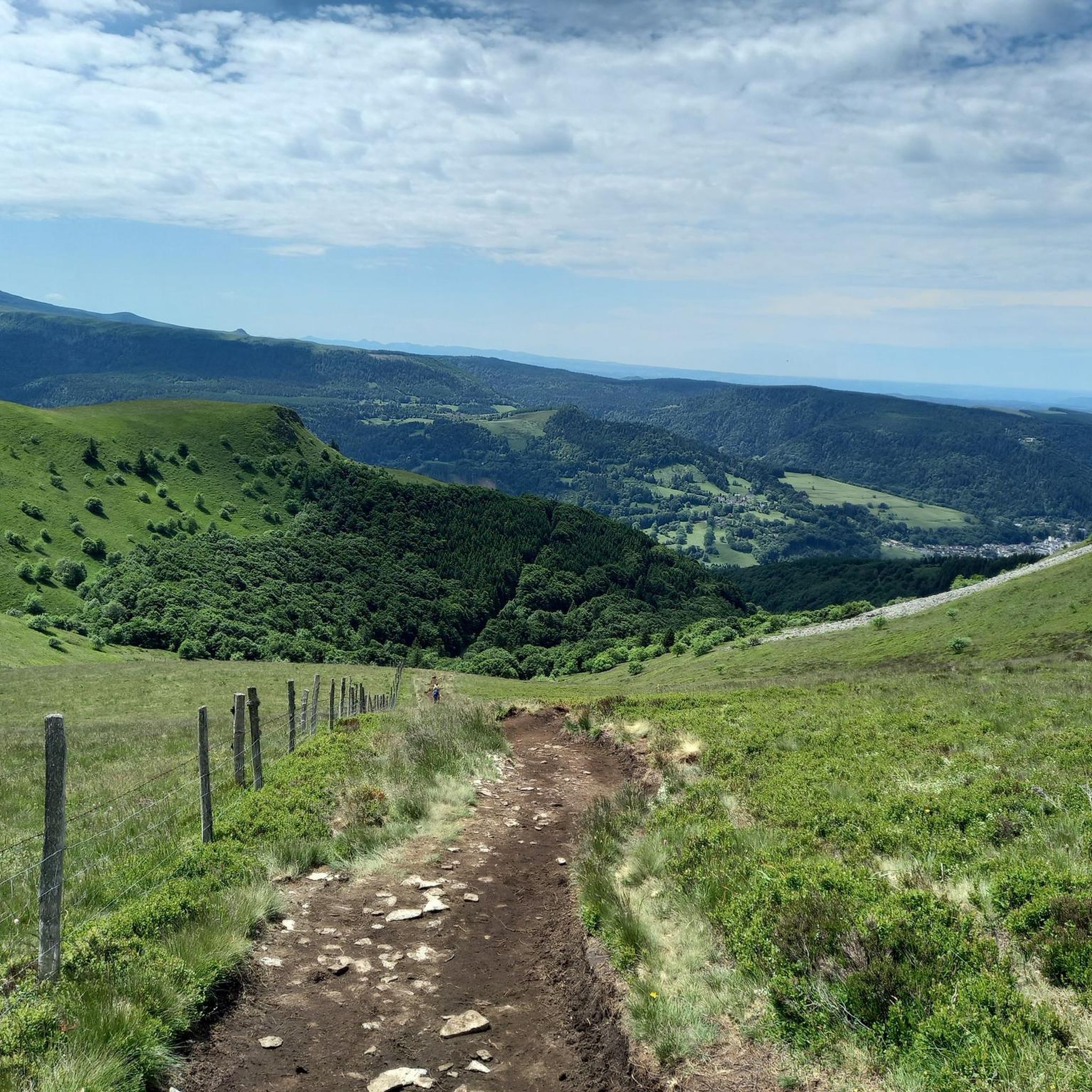
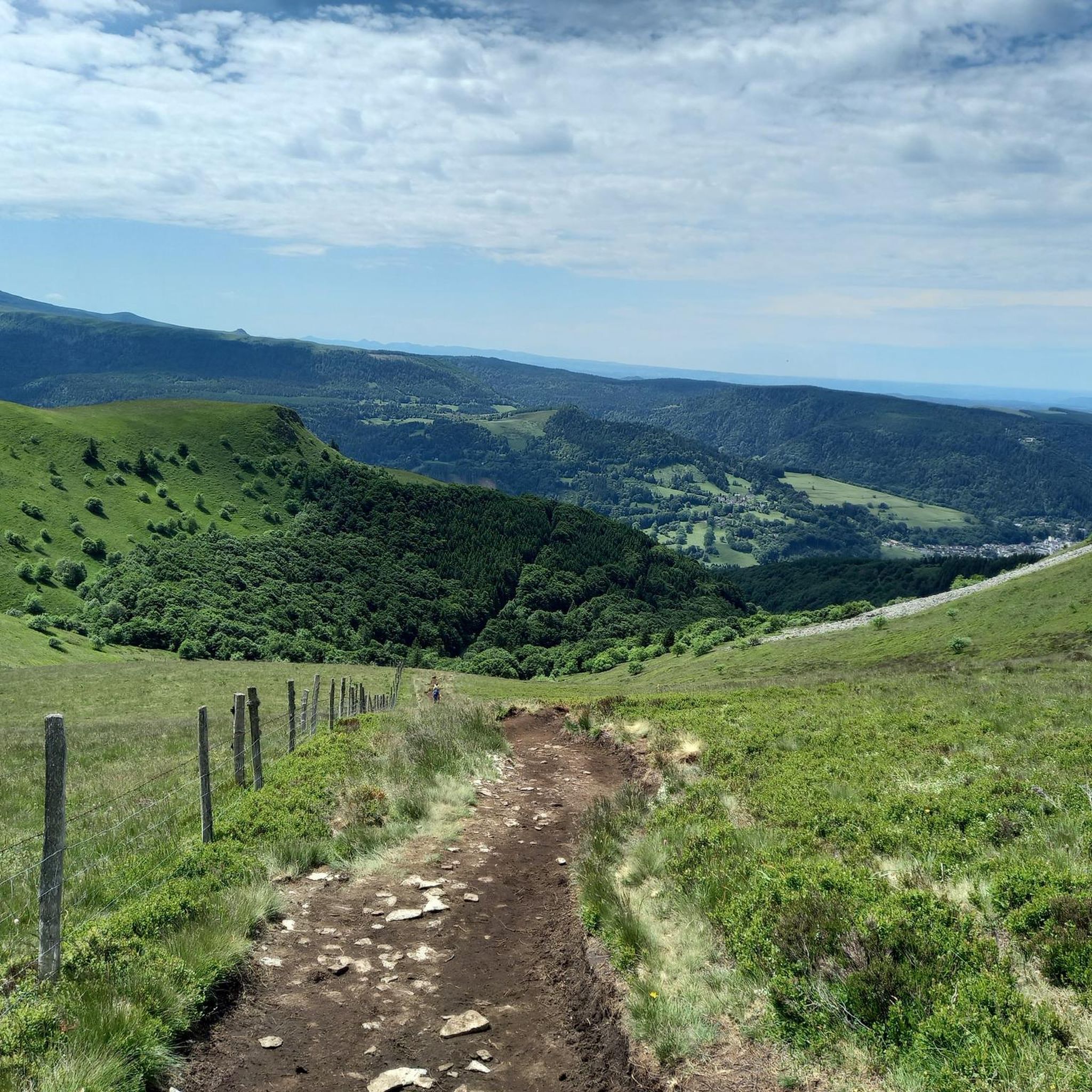
Located at 1,886 meters above sea level, the Puy de Sancy is the highest point of the Massif Central but also of Auvergne. Considered the king of the Monts Dore, this stratovolcano is 300,000 years old. At the top the panorama of the surroundings is magnificent, on a clear day it is even possible to see Mont Blanc!
1
0

The Sanadoire rock marks the limit between the Dores mountains and the Banne d'Ordanche massif. This rock is the remains of an old volcano eroded by a glacier. The rock emerges as if by magic in the Cirque du Chausse located at the foot of the Col du Guéry. The glacier that occupied the circus has indeed completely eroded the volcano leaving only two bases of lava: the chimney also called Tuilière and the cone called Sanadoire.
0
0

Puy Gros is one of the many extinct volcanoes that shapes the Auvergne region. It culminates at 1,485 meters above sea level. From its summit, you can observe the entire route of the Dordogne between Mont-Dore and La Bourboule. To the south, you will easily guess the steep summit of the roof of Auvergne: the Puy de Sancy.
1
1
La Banne d'Ordanche is the remnant of a volcano that rises to 1,515 meters above sea level. Frozen in the Pleistocene period two million years ago, its neck-shaped summit offers a spectacular panorama over the Dordogne valley. You will find an orientation table which indicates the three volcanic massifs of the Regional Natural Park of the Volcanoes of Auvergne: the Dômes chain, the Monts Dore chain and the Cantalien massif.
6
1
Frequently Asked Questions
What makes the mountain peaks around Murat-Le-Quaire unique?
The mountain peaks around Murat-Le-Quaire are unique because they are part of the volcanic Massif du Sancy, located within the Auvergne Volcanoes Regional Nature Park. This region is characterized by its diverse landscapes and rich geological history, featuring stratovolcanoes and peaks formed millions of years ago, like Puy de Sancy and La Banne d'Ordanche.
Which mountain peaks offer the best panoramic views?
For exceptional panoramic views, consider Puy de Sancy, the highest peak in the Massif Central, which offers 360-degree vistas where you can sometimes see Mont Blanc. La Banne d'Ordanche also provides an outstanding 360-degree panorama over the Dordogne valley and the three volcanic massifs. Puy de la Tache offers stunning views of Lac de Guéry and the Chaîne des Puys, while Puy de l'Angle is known for magnificent views, especially from the ridges south of Col de la Croix Morand.
Are there any easy or family-friendly mountain walks in the area?
Yes, several peaks offer accessible trails. The ascent to La Banne d'Ordanche is relatively easy, with wooden stairs near the summit making it accessible for many. Puy de la Tache also features well-marked trails suitable for families with young children, serving as a gateway to the Sancy Massif ridge hike.
What is the best time of year to visit the mountain peaks around Murat-Le-Quaire?
The best time to visit for hiking is generally during the warmer months, from late spring to early autumn, when trails are clear of snow and the weather is mild. During summer, cable cars are often operational for easier access to peaks like Puy de Sancy. Winter offers opportunities for winter sports, but access to some peaks like Puy des Crebasses may be limited due to snow.
What kind of outdoor activities can I do near these mountain peaks?
Beyond hiking, the region offers a variety of outdoor activities. You can explore numerous road cycling routes, such as the 'Guéry Pass – Croix-Morand Pass loop from Murat-le-Quaire', or mountain biking trails like the 'Lake Guéry and Banne d'Ordanche MTB Loop'. For more detailed routes, you can check the Road Cycling Routes around Murat-Le-Quaire, MTB Trails around Murat-Le-Quaire, and Mountain Hikes around Murat-Le-Quaire guides.
Are there specific trails for experienced hikers seeking a challenge?
Yes, for experienced hikers, the area offers challenging routes. Peaks like Puy des Crebasses are often included in longer hikes that also visit Roc de Cuzeau. The area around Puy de Sancy also features trails that can be quite demanding, especially when combined into horseshoe routes covering multiple high points. Some trails around Puy Redon may also require firm footing.
What geological features can be observed on these peaks?
The peaks are rich in geological features due to their volcanic origin. Puy de Sancy is a stratovolcano, and its flanks show signs of relentless erosion, forming circuses. La Banne d'Ordanche is a remnant of a volcano with a basaltic composition, leading to a unique lava type called 'ordanchite'. You can also find dykes, such as the Dent de la Rancune near Puy des Crebasses, which are monoliths resulting from volcanic phenomena.
Where can I find parking for hiking these mountain peaks?
Many popular trailheads, especially for major peaks like Puy de Sancy, offer ample parking, including options for motor homes. Specific parking availability can vary, so it's advisable to check local information for your chosen starting point.
Can I bring my dog on the mountain trails?
While many trails in natural parks are dog-friendly, it's always recommended to check specific regulations for the Auvergne Volcanoes Regional Nature Park and individual trails. Dogs are generally welcome on leash, but some protected areas or nature reserves might have restrictions to protect wildlife.
What do visitors enjoy most about the mountain peaks around Murat-Le-Quaire?
Visitors frequently highlight the superb and exceptional panoramic views from the summits, often describing them as 360-degree vistas across the Auvergne region. The majestic beauty of the landscapes, including unusual geological formations and the feeling of being on the 'roof of Auvergne' at Puy de Sancy, are also highly appreciated. Many enjoy the well-maintained paths and the sense of accomplishment after an ascent.
Are there any specific landmarks or historical points on the peaks?
Yes, for instance, La Banne d'Ordanche features an orientation table at its summit, indicating the three volcanic massifs of the regional park. On Puy Loup, you can find a small monument from around 1450, marking the junction of four municipalities and former lordships.
Which peaks are part of longer ridge hikes?
Several peaks are integrated into longer ridge hikes. Puy de l'Angle forms part of a picturesque ridge line with Puy de Barbier, offering opportunities for extended treks connecting multiple 'puys'. Puy des Crebasses is located on the GR4 trail, northeast of Puy de Sancy, and is often included in longer routes that visit Roc de Cuzeau.
Most popular routes around Murat-Le-Quaire
Most popular attractions around Murat-Le-Quaire

Get inspired with the komoot mobile app


Explore more
See even more amazing summits around Murat-Le-Quaire with these guides:
