The best road cycling routes around Loire-Les-Marais
4.3
(114)
3,314
riders
177
rides
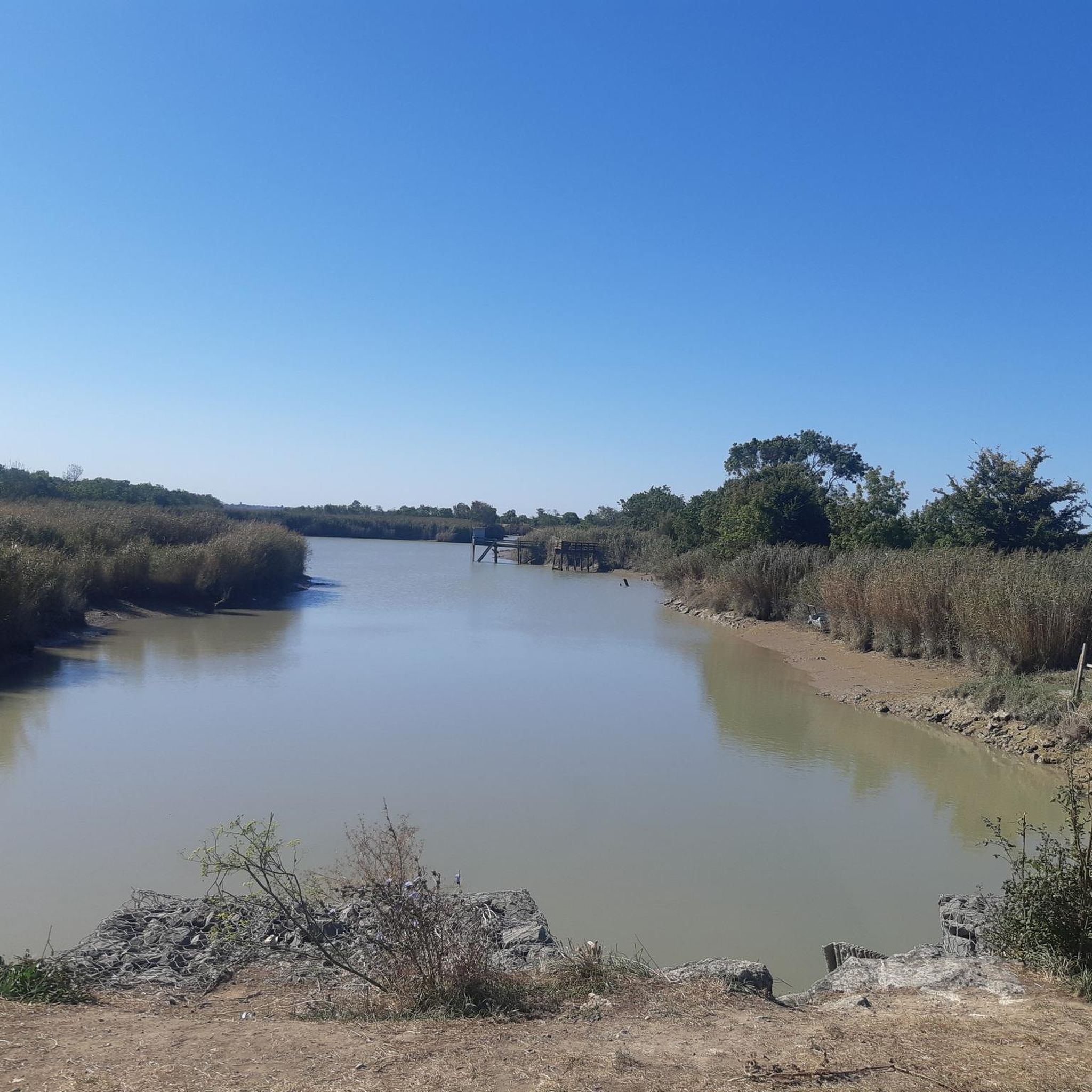
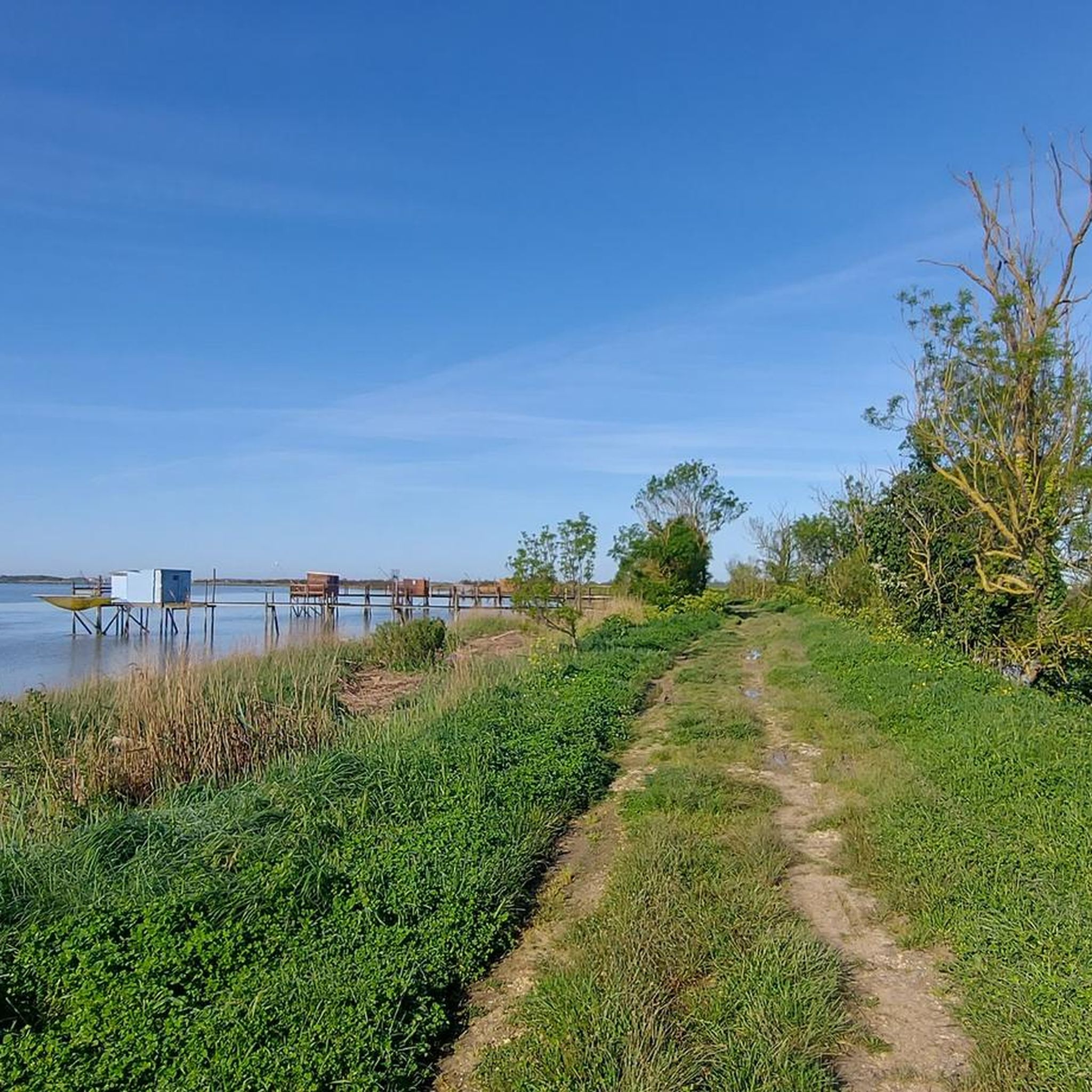
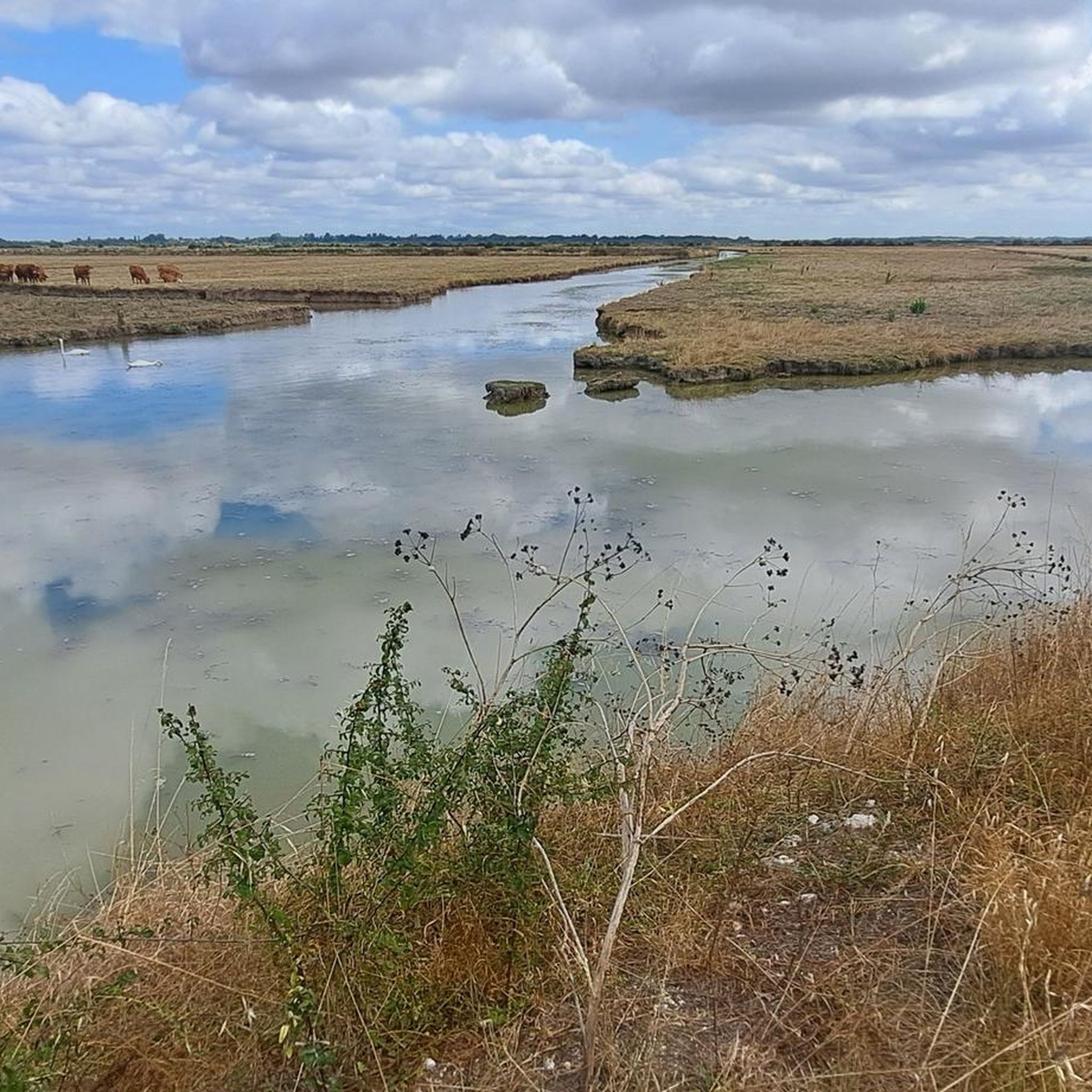
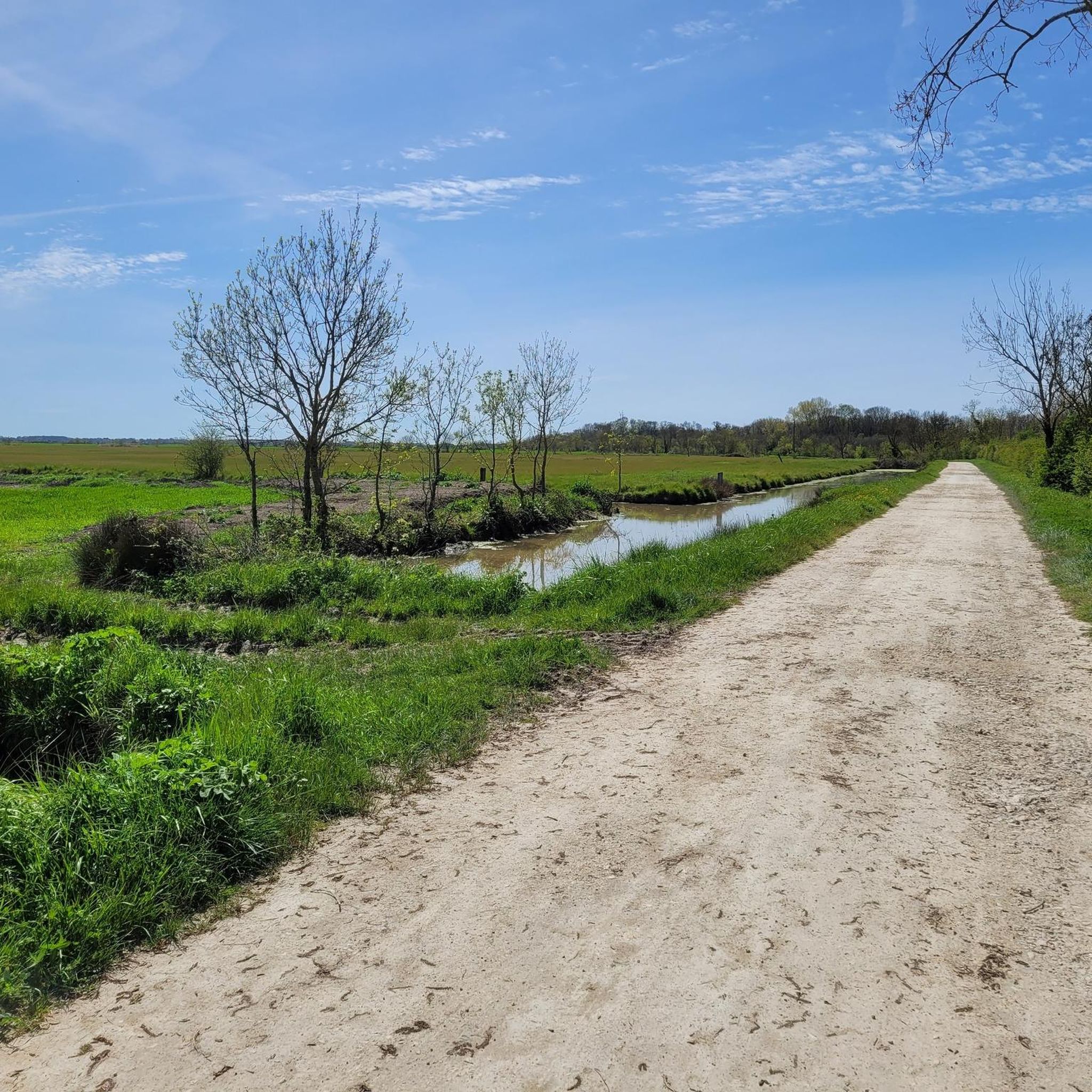
Road cycling routes around Loire-Les-Marais are characterized by the region's flat topography, making it suitable for various skill levels. The area features extensive wetlands, including the Marais Poitevin, and picturesque riverside paths along the Loire River. Cyclists will also encounter vineyards and agricultural plains, offering diverse scenery.
Best road cycling routes around Loire-Les-Marais
- The most popular road cycling route is Villa La Jetée – View of Fort Boyard loop from Rochefort, a 26.6 miles (42.8 km) trail that takes…
Last updated: October 18, 2026
4.7
(3)
164
riders
43.2km
01:43
110m
110m
Moderate road ride. Great for any fitness level. Some segments of this route may be unpaved and difficult to ride.
4.4
(7)
151
riders
38.2km
01:35
130m
130m
Easy road ride. Great for any fitness level. Mostly well-paved surfaces and easy to ride.

4.3
(3)
162
riders
127km
05:21
250m
250m
Hard road ride. Very good fitness required. Some segments of this route may be unpaved and difficult to ride.
5.0
(1)
69
riders
100km
04:04
280m
280m
Moderate road ride. Good fitness required. Mostly well-paved surfaces and easy to ride.
4.0
(1)
36
riders
46.4km
01:49
150m
150m
Moderate road ride. Great for any fitness level. Some segments of this route may be unpaved and difficult to ride.
Get access to more routes and recommendations from other explorers.
Already have an account?
Our route recommendations are based on thousands of hikes, rides, and runs completed by other people on komoot.
Start today with a free account
Your next adventure awaits.
Tips from the Community

The port of Douhet, located in the commune of Saint-Georges-d’Oléron, is today a pleasant marina, but its history is intimately linked to the salt and wine trade. Origins Until the 19th century, the region's products (notably salt from the salt marshes and wine from Oléron) were difficult to transport by sea. To remedy this, a vast project was launched in the 1840s: a channel over 3 km long was dug between Saint-Georges-d’Oléron and the ocean, opening onto the new port of Douhet. An active commercial port The port quickly became an export center: * barges loaded salt and wine barrels there; * boats also brought building materials and various goods intended for the island. In the 1870s, there were around 400 ship movements per year, with several thousand tons of goods imported and exported. The decline At the end of the 19th century, several factors led to its decline: * the gradual abandonment of the salt marshes; * the improvement of roads and then the arrival of the tram on the island; * the regular silting up of the channel. After the First World War, the channel silted up almost completely and commercial traffic gradually disappeared. The revival In the late 1980s, the basin was completely rehabilitated and transformed into a marina. It now accommodates around 350 to 400 boats and is one of the main marinas on the island of Oléron. Its location, in the cove of Malconche, offers a remarkable view of Fort Boyard and the Île d’Aix. The old channel, although no longer navigable to the village, continues to supply seawater to the old salt marshes and today constitutes a pleasant walking or cycling route. It is a place where the traces of Oléron's maritime past can still be read in the landscape: the quays, the bridge, the channel, and the old hydraulic structures bear witness to the era when salt was the island's main wealth.
0
0

The view of the fort from the bridge is striking despite the grey weather this morning.
0
0

The port of Douhet is essentially the mouth of the Douhet Canal. There are several nice restaurants nearby.
1
0

Very beautiful and picturesque!
0
0

After 224 steps you can enjoy a wonderful panoramic view of the island
1
0

a rather picturesque little paved section far from the Arembert trench
1
0
Frequently Asked Questions
How many road cycling routes are available around Loire-Les-Marais?
There are over 180 road cycling routes around Loire-Les-Marais, catering to various skill levels. You'll find a good mix of easy and moderate paths, with a few more challenging options for experienced riders.
What kind of terrain can I expect on road cycling routes in this region?
The region around Loire-Les-Marais is characterized by its relatively flat topography, making it ideal for road cycling. You'll encounter extensive wetlands, including the unique Marais Poitevin, picturesque riverside paths along the Loire River, and scenic stretches through vineyards and agricultural plains. This gentle landscape is perfect for cyclists of all abilities.
Are there any easy road cycling routes suitable for beginners or families?
Yes, the flat terrain around Loire-Les-Marais offers many easy routes. There are 31 routes specifically rated as easy, perfect for beginners or families looking for a relaxed ride. The gentle landscape of the Loire Valley and Marais Poitevin is particularly well-suited for accessible cycling.
What are some popular circular road cycling routes in the area?
Many routes in the region are designed as loops, allowing you to start and finish in the same location. A popular option is the Villa La Jetée – View of Fort Boyard loop from Rochefort, which offers coastal views. Another great choice is the Notre-Dame Church – Yves loop from Rochefort, providing a moderate ride through varied scenery.
What can I see along the road cycling routes around Loire-Les-Marais?
The routes offer a blend of natural beauty and historical landmarks. You can cycle past the impressive Rochefort Transporter Bridge, a historic marvel, or the Tonnay-Charente Suspension Bridge. Many routes also pass through charming villages and offer glimpses of the unique Marais Poitevin wetlands. The region is also known for its châteaux and vineyards, adding cultural richness to your ride.
Are there any long-distance road cycling routes or connections to other towns?
Yes, the region is part of a larger cycling network. For a longer ride, consider the Brouage Citadel – Coubre Lighthouse loop from Rochefort, which covers over 120 km and connects historic sites with coastal landmarks. The area also benefits from its proximity to the 'Loire à Vélo' route, a major cycling path, and the Marais Poitevin, offering extensive networks for longer journeys.
What is the best time of year for road biking in Loire-Les-Marais?
The best time for road biking in Loire-Les-Marais is typically from spring to early autumn (April to October). During these months, the weather is generally mild and pleasant, with less rainfall, making for comfortable riding conditions. The landscapes are vibrant, and you can fully enjoy the riverside views, vineyards, and wetlands.
What do other road cyclists enjoy most about road cycling in Loire-Les-Marais?
The area is highly rated by the komoot community, with an average score of 4.3 stars from over 90 reviews. Cyclists often praise the region's flat and accessible terrain, making it enjoyable for all levels. The diverse scenery, from coastal views and historic towns to the tranquil Marais Poitevin, is also frequently highlighted as a major draw.
Are there routes that connect Loire-Les-Marais to La Rochelle?
Yes, you can find routes that connect towards La Rochelle. For example, the Old Port of La Rochelle – La Flotte Harbour loop from Rochefort offers a substantial ride that takes you towards the vibrant city and its coastal attractions. The flat nature of the region makes such connections very feasible.
Are there any routes that explore the historical sites around Rochefort?
Absolutely. Many routes start from or pass through Rochefort, allowing you to explore its rich history. The Rochefort Maritime Arsenal – Saint-Laurent-de-la-Prée loop from Rochefort is a great option, taking you past the historic Arsenal entrance and other significant sites. You can also visit the Royal Ropeworks, a fascinating historical attraction.
Is it possible to access road cycling routes using public transport in the region?
The region is increasingly cyclist-friendly. While specific public transport options directly to every trailhead might vary, the 'Train Loire à Vélo' service is available in the wider Loire Valley, allowing for bike transport on certain routes. Additionally, the 'Accueil Vélo' label identifies businesses and services that cater to cyclists' needs, including transport information.
Are there any unique natural features to explore by bike?
Yes, the region is home to the unique Marais Poitevin, often called 'Green Venice,' with its network of canals and tree-lined landscapes, offering a serene cycling experience. You can also explore the 'Marais Salants' (salt marshes), which provide a distinctive man-made landscape. The Loire River itself, Europe's last wild river, offers picturesque views of sandbanks and lush pastures.
Most popular routes around Loire-Les-Marais
Most popular attractions around Loire-Les-Marais

Get inspired with the komoot mobile app


Explore more
Browse the best Road cycling routes in other regions.
