Top 5 Castles around Montaigu-La-Brisette
Best castles around Montaigu-La-Brisette include a variety of historically significant châteaux and fortified sites in the surrounding area. This region offers rich historical insights and architectural beauty, with structures ranging from 18th-century residences to UNESCO World Heritage fortifications. Visitors can explore diverse architectural styles and historical periods, providing a comprehensive look into the area's past. The vicinity of Montaigu-La-Brisette serves as a gateway to these notable historical landmarks.
Best castles around Montaigu-La-Brisette
- The most popular castles is Fort of La Hougue, a castle that is an impressive fortification and a UNESCO World Heritage site. Built between 1694 and 1699, it features a 20-meter-high tower and strategic design.
- Another must-see spot is Ravalets Castle, a Renaissance castle. This 16th-century castle is known for its architecture and 14-hectare park with English and French gardens.
- Visitors also love Château de Pont-Rilly, an 18th-century building. Designed in 1765, its interior has largely remained unchanged, featuring Versailles parquet flooring and wood paneling.
- Montaigu-La-Brisette is known for its 18th-century residences, Renaissance castles, and impressive fortifications. The region offers a variety of castles to see and explore, each with distinct architectural styles and historical significance.
- The castles around Montaigu-La-Brisette are appreciated by the komoot community, with more than 250 upvotes and over 140 photos shared.
Last updated: July 1, 2026
Ravalets Castle
Highlight • Castle
Translated by Google •
Tip by

Fort of La Hougue
Highlight • Castle
Tip by

Sign up now to discover places like this
Get recommendations on the best single tracks, peaks, & plenty of other exciting outdoor places.
Sign up for free
Château de Pont-Rilly
Highlight • Castle
Translated by Google •
Tip by
Quinéville Castle
Highlight • Castle
Tip by
Vauban Tower and the La Hougue Semaphore
Highlight • Castle
Translated by Google •
Tip by

Start today with a free account
Your next adventure awaits.
Login or Signup
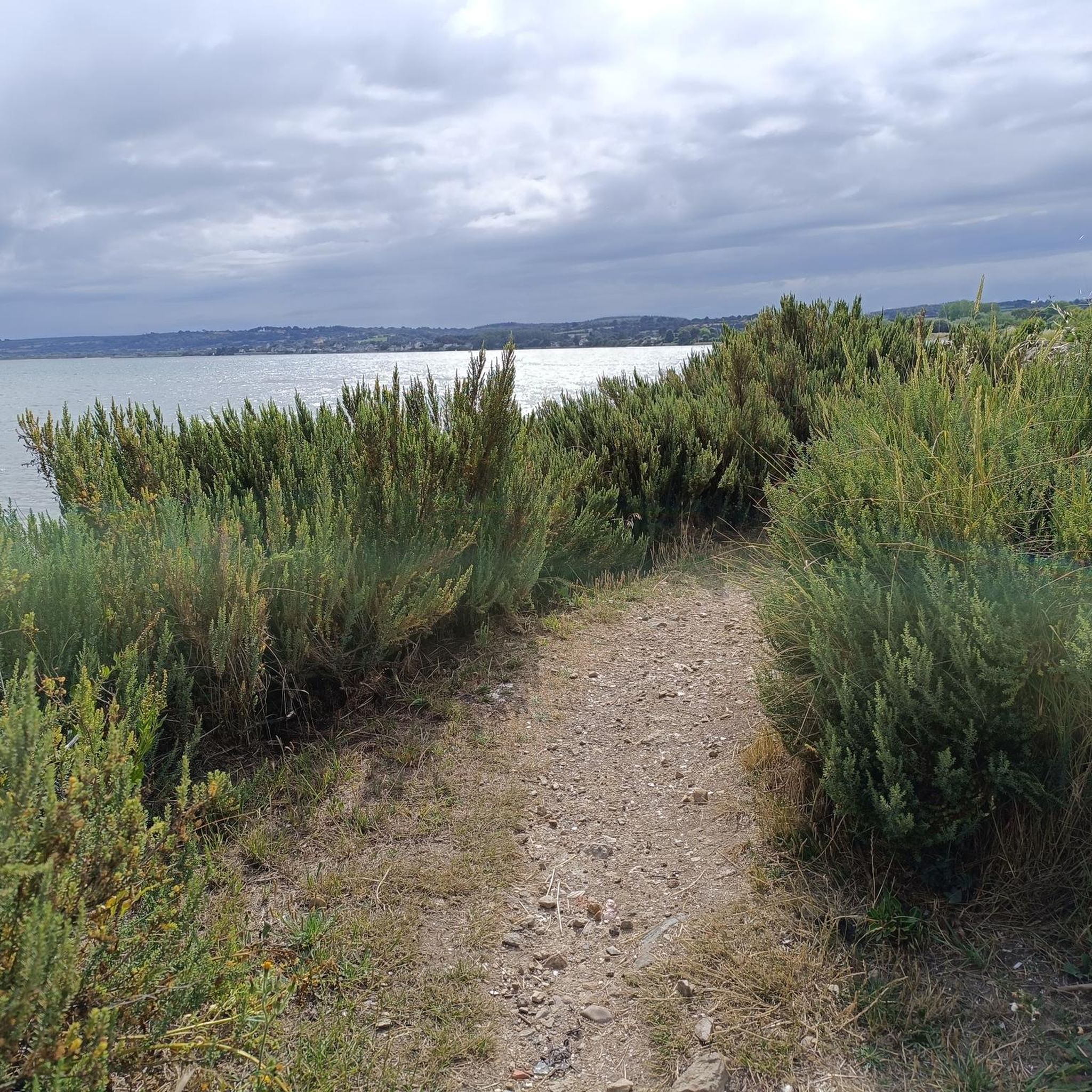
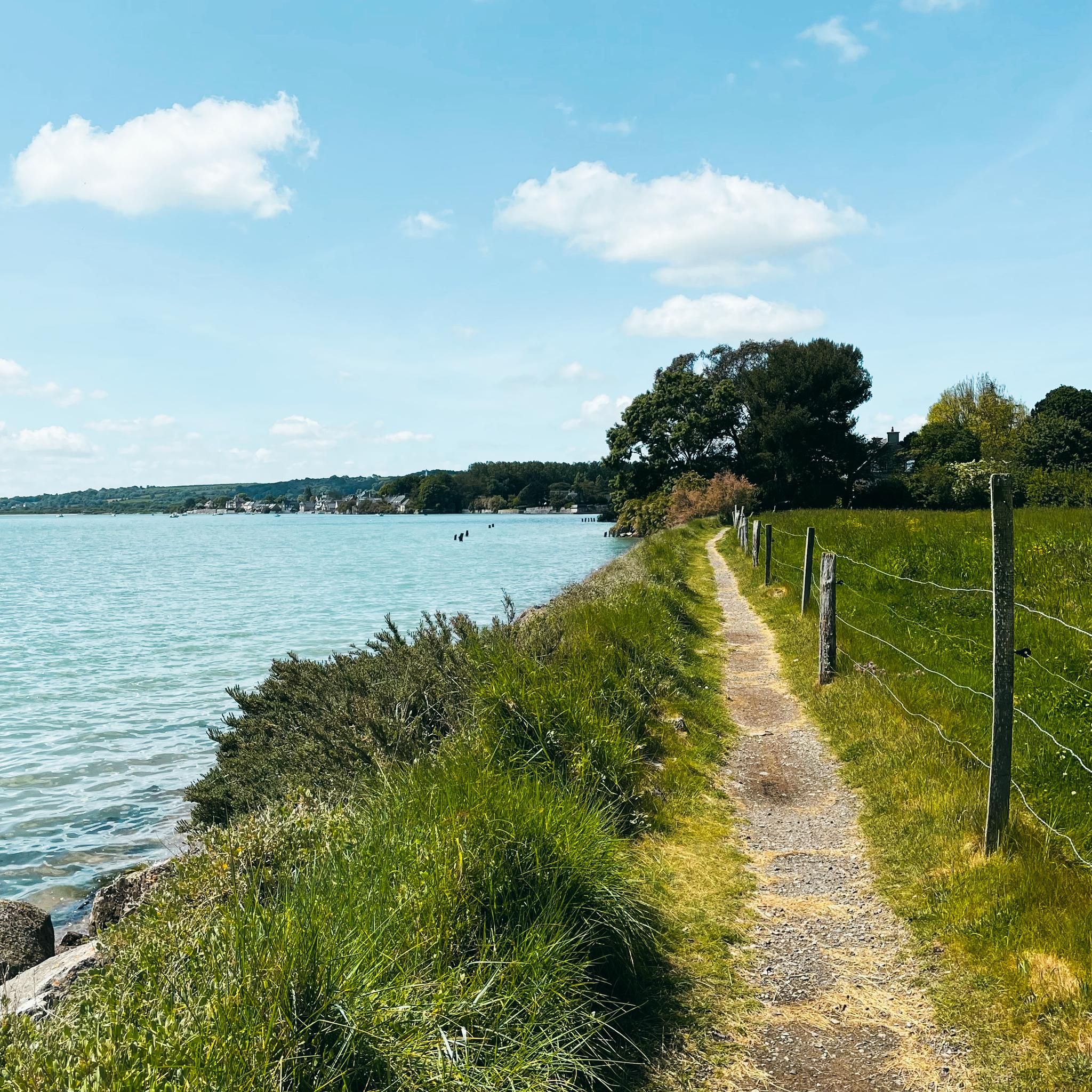
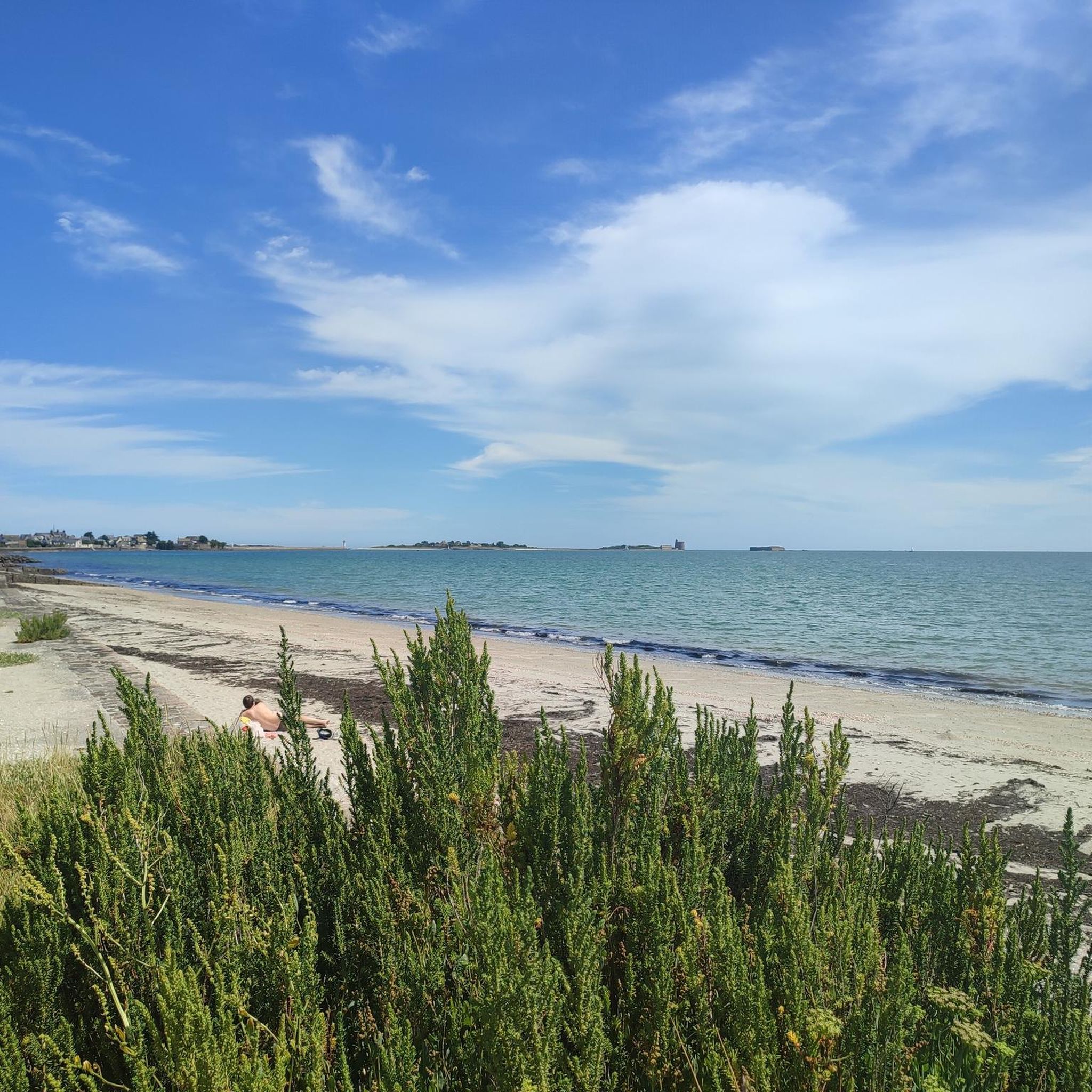

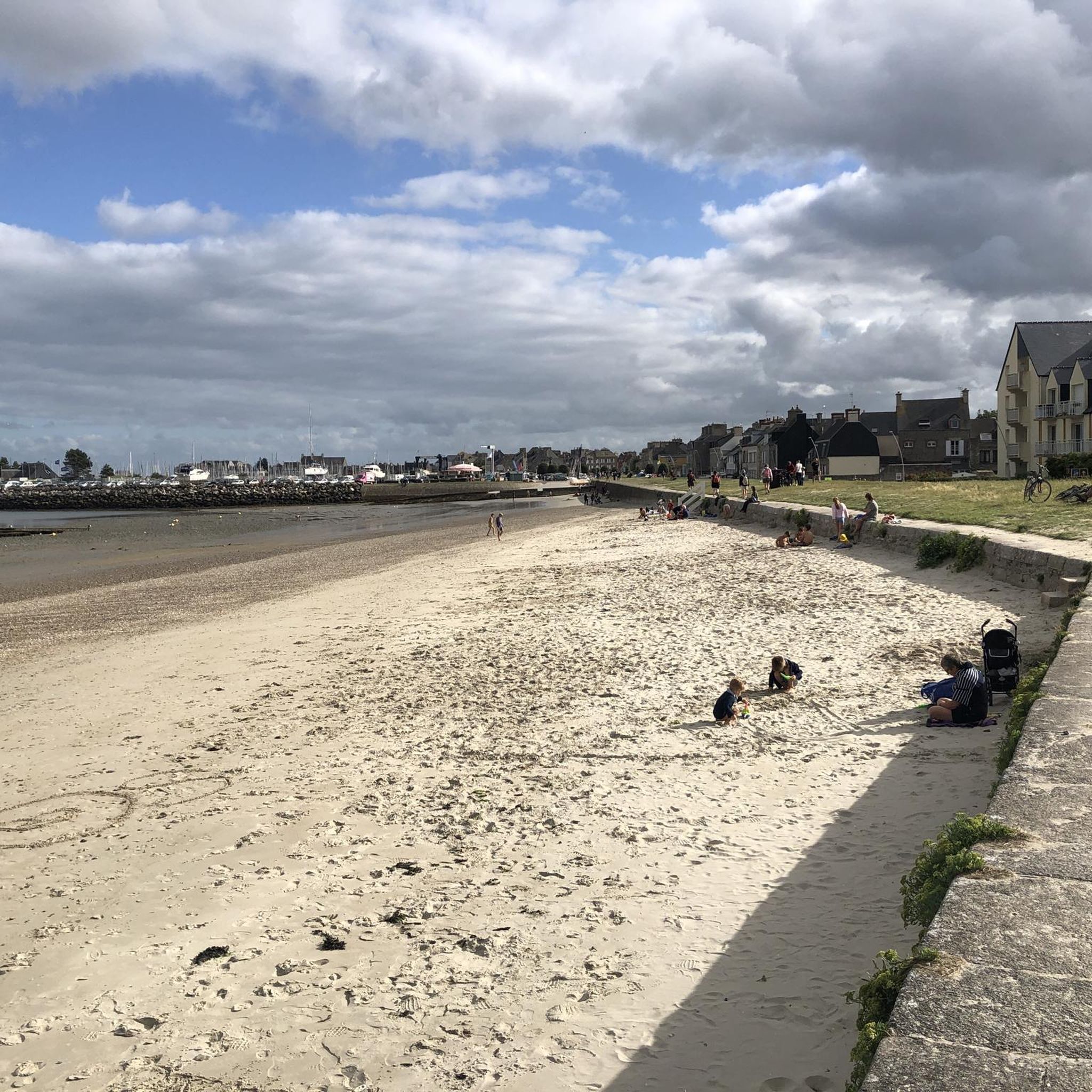
Tips from the Community

magnificent castle near Cherbourg
0
0

A very beautiful castle to admire from all sides.
0
0

Why visit Fort de La Hougue? History and Heritage: The fort is a crucial witness to French military history and an exceptional example of Vauban's genius, offering a fascinating dive into the past. Magnificent Landscapes: The fort offers sublime panoramic views of the sea and coastal landscapes, making the visit a moment of relaxation as much as discovery. Cultural Activities: The exhibitions and events organized at the fort enrich the visit by offering varied perspectives on local history and fortifications. In summary, Fort de La Hougue is a must-see site for lovers of history, military architecture, and beautiful landscapes. It combines culture, nature, and heritage in a unique setting in Normandy.
1
0
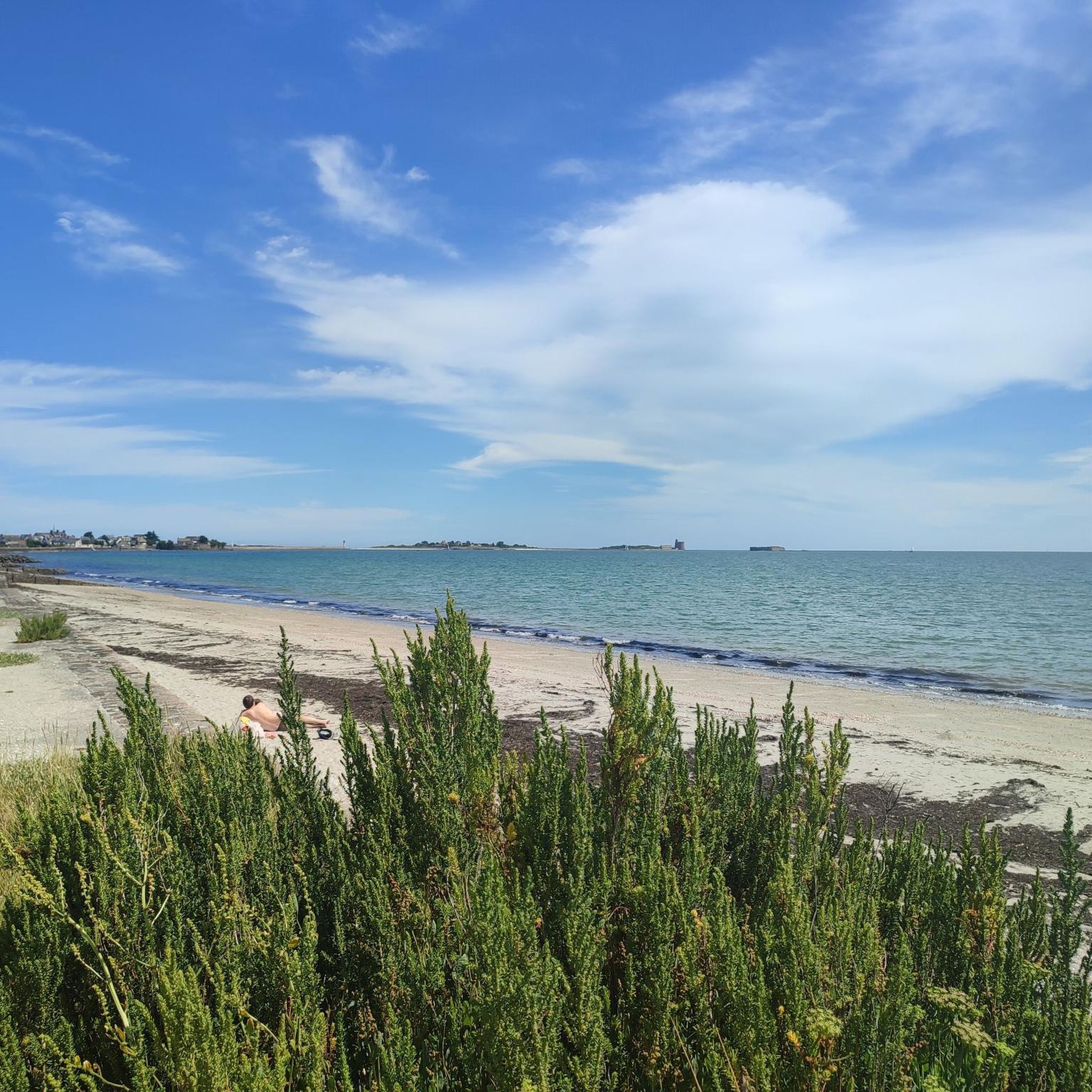
Fort de La Hougue is a remarkable historical site located in Saint-Vaast-la-Hougue, on the east coast of the Cotentin Peninsula, Normandy. This fort is one of two defensive works designed by the military engineer Vauban in the 17th century, the other being the fort of Tatihou, located on a neighboring island. Together, these fortifications have been classified as a UNESCO World Heritage Site since 2008 as an example of Vauban's military engineering. Points of Interest: Architecture and Military History: Fort de La Hougue was built between 1694 and 1699 on the orders of Louis XIV, following the French defeat at the Battle of La Hougue in 1692. This fort is a classic example of bastion fortifications, with thick walls, casemates, and a complex network of defenses designed to resist attacks from the sea. The 20-metre-high La Hougue Tower is the most emblematic element of the fort. This tower served as both an observation point and a last refuge in the event of an attack. UNESCO Heritage: The Fort de La Hougue is recognised by UNESCO as a masterpiece of Vauban's military engineering. This classification highlights the importance of the site in French and world military history, as well as the exceptional value of its architecture. A visit to this site allows you to better understand the defence techniques of the time and to appreciate Vauban's ingenuity in designing fortifications. Activities and Access: The fort is accessible on foot from Saint-Vaast-la-Hougue, and it is surrounded by coastal paths offering beautiful walks along the sea. These walks also allow you to discover the local flora and fauna. The nearby island of Tatihou can be reached by boat at high tide or on foot at low tide, offering a complementary excursion to explore another side of Vauban's fortifications.
1
0
Château des Ravalets, also known as Château de Tourlaville, is a magnificent castle located in Tourlaville, a commune attached to Cherbourg-en-Cotentin, in the Manche department of Normandy. This Renaissance-style castle is one of the architectural gems of the region and is definitely worth a visit. Points of Interest: Renaissance Architecture: Built between 1562 and 1575 by Jean II de Ravalet, the castle is a fine example of French Renaissance architecture. It is distinguished by its elegant facades, mullioned windows, and turrets that give a unique charm to the building. The castle has been remarkably well preserved and restored, allowing visitors to appreciate the original architectural details, such as stone sculptures and monumental fireplaces. History and Legends: The castle is also known for the tragic story of Jean II de Ravalet's children, Marguerite and Julien, who were sentenced to death in 1603 for alleged incest. Their story has inspired many legends and is part of the region's collective memory. Over the centuries, the castle has had various owners and has witnessed many historical events, making it a place full of history. Why visit the Château des Ravalets? Architectural Heritage: The castle is an exceptional example of Renaissance architecture in Normandy, offering a fascinating insight into the history and art of this period. Natural and Landscape Setting: The castle's remarkable gardens offer a great opportunity to walk and relax in a historic and green setting. Historical Richness: Between local legends and the tumultuous history of its former owners, the Château des Ravalets is a place full of mysteries and captivating anecdotes. In short, the Château des Ravalets is a must-see destination for anyone interested in history, architecture or simply the beauty of Normandy's historic gardens.
1
0

Very nice walk in Saint Vaast and around the fort of La Hougue. To do again
3
0

The Château de Pont-Rilly was designed in 1765 by the architect Pierre-Raphaël de Lozon for the Marquis d'Ourville. In 1774, renovations allowed the construction of a chapel, a pavilion, stables, barns, a mill and a bakery.
1
0
The Château des Ravalet, also known as the Château de Tourlaville, dates from the 16th century. Classified as historical monuments, it is famous for having served as the setting for the forbidden loves of Julien and Marguerite de Ravalet.
2
0
Frequently Asked Questions
Which castles offer the most significant historical insights around Montaigu-La-Brisette?
The region boasts several castles with rich histories. The Fort of La Hougue is a UNESCO World Heritage site, built by Vauban in the late 17th century to protect the bay. Ravalets Castle, a Renaissance structure, is known for a tragic 17th-century love story. Quinéville Castle, rebuilt in the 17th century, hosted King James II and features Roman remnants in its park.
Are there family-friendly castles to visit near Montaigu-La-Brisette?
Yes, several castles offer enjoyable experiences for families. Ravalets Castle is noted for its magnificent 14-hectare park with English and French gardens, perfect for walks and picnics. Château de Pont-Rilly also features a 15-hectare park with canals, offering a pleasant outdoor environment.
What architectural styles can I expect to see among the castles?
The castles in the vicinity of Montaigu-La-Brisette showcase a diverse range of architectural styles. You can find 18th-century residences like Château de la Brisette and Château de Pont-Rilly, a Renaissance castle at Ravalets Castle, and the impressive military architecture of the 17th-century Fort of La Hougue.
Do any castles offer natural features or extensive grounds for walking?
Absolutely. Ravalets Castle is renowned for its 14-hectare park, featuring English and French gardens, ponds, and fountains. Quinéville Castle has an expansive 4-hectare sculpted park with a swimming pool, ponds, and an organic garden. Château de Pont-Rilly also boasts a 15-hectare park with canals, ideal for leisurely strolls.
Are there walking or hiking opportunities near these castles?
Yes, the region offers various outdoor activities. For instance, near Ravalets Castle, you can find routes like the 'Château des Ravalet – Narrow Forest Path loop'. You can explore more hiking trails around the area by visiting the Hiking around Montaigu-La-Brisette guide.
Which castle is a UNESCO World Heritage site?
The Fort of La Hougue, located in Saint-Vaast-la-Hougue, is a UNESCO World Heritage site. It is recognized as part of the 'Fortifications of Vauban' and was built between 1694 and 1699 to protect the bay. You can learn more about its history on Wikipedia.
Can I visit the interiors of these castles?
Access to castle interiors varies. While the interior of Ravalets Castle is generally not open to the public except for special exhibitions, Château de Pont-Rilly has largely unchanged 18th-century interiors and offers cottages for rent, allowing for a more immersive experience. Quinéville Castle also offers guestrooms and features a restaurant.
Are there any castles that offer accommodation?
Yes, Quinéville Castle offers accommodation in its guestrooms, allowing visitors to stay within its historical ambiance. Château de Pont-Rilly also has cottages available for rent on its estate.
What is unique about Château de la Brisette?
Château de la Brisette is an elegant 18th-century residence partially listed as a historical monument. Its main facade is reflected in an artificial pond, and it has been owned by the same family for over 200 years, offering a glimpse into enduring French country estate heritage. More details can be found on Wikipedia.
What is the best time to visit the castles around Montaigu-La-Brisette?
Many of the castles, especially those with extensive parks like Ravalets Castle and Quinéville Castle, are best enjoyed during spring, summer, or early autumn when the gardens are in full bloom and the weather is pleasant for outdoor exploration. The Fort of La Hougue is typically open to visitors in the summer.
Are there cycling routes near the castles?
Yes, the area around Montaigu-La-Brisette provides opportunities for cycling. You can find various road cycling routes, such as those offering 'Beautiful sea view' loops. For more options, refer to the Road Cycling Routes around Montaigu-La-Brisette guide.
Which castle played a role in World War II?
Château de Pont-Rilly was notably used as a headquarters by the US Army Logistics Staff during World War II, adding a layer of modern historical significance to its 18th-century charm.
Most popular routes around Montaigu-La-Brisette
Most popular attractions around Montaigu-La-Brisette

Get inspired with the komoot mobile app


Explore more
Looking for the best castles somewhere else? Discover other guides around Montaigu-La-Brisette:
