Attractions and Places To See around Octeville-L'Avenel - Top 20
Best attractions and places to see around Octeville-L'Avenel, a commune in the Manche department of Normandy, France, offer a blend of historical landmarks and natural heritage. The area is characterized by its rural charm and proximity to significant historical sites. Visitors can explore local history through its ancient structures and enjoy the natural landscape shaped by the Sinope River. This region provides opportunities for discovering both cultural and natural points of interest.
Best attractions and places to see around Octeville-L'Avenel
…Last updated: July 6, 2026
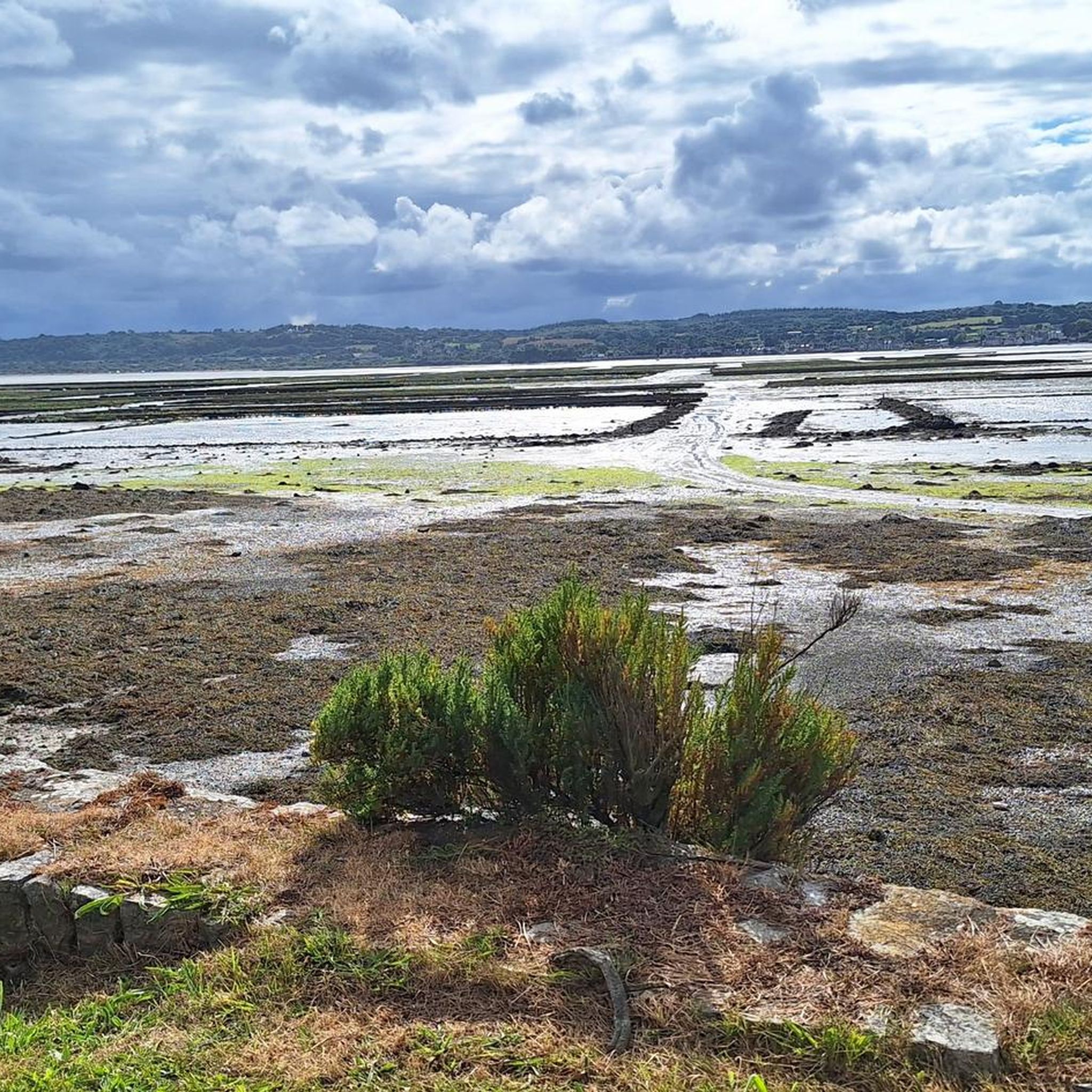
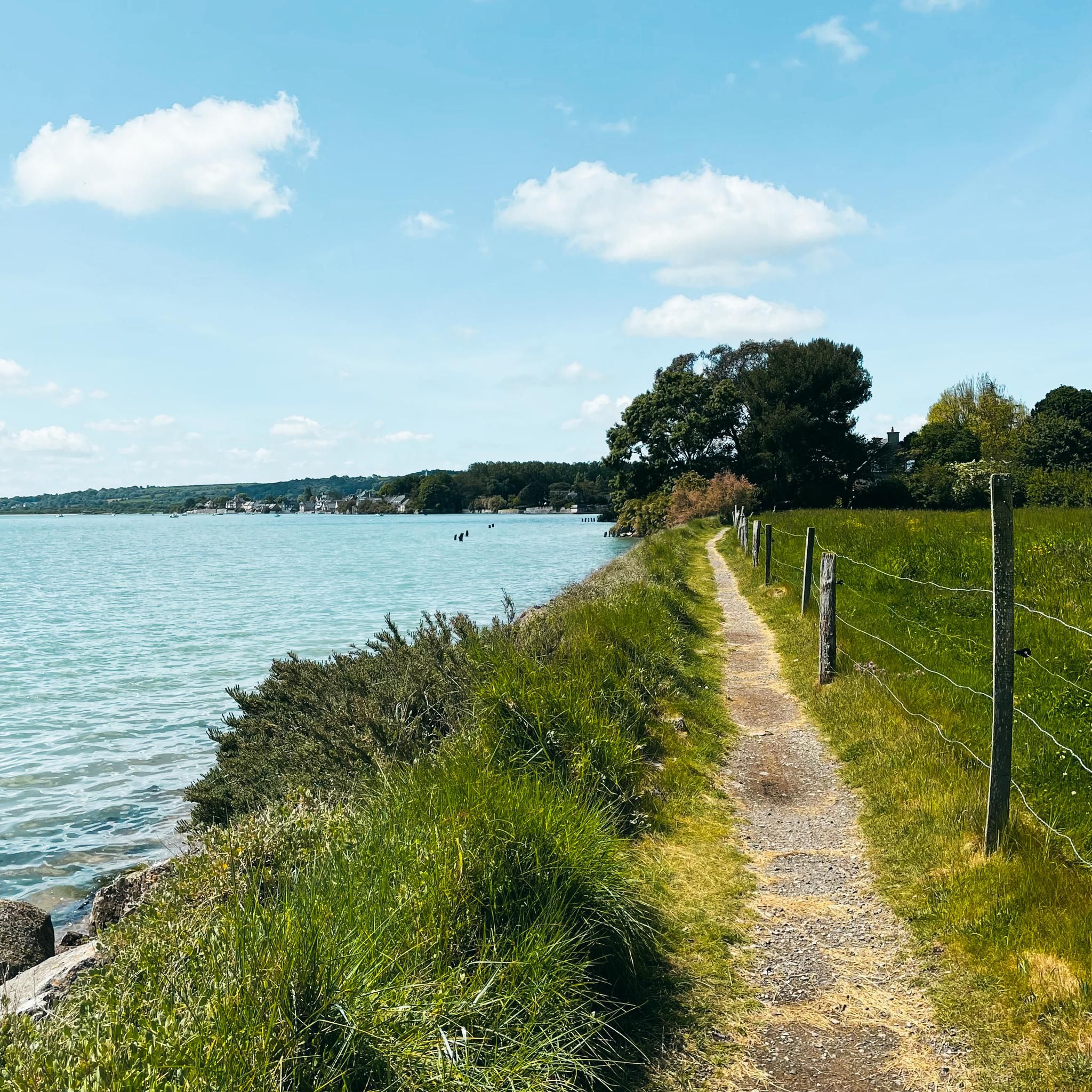
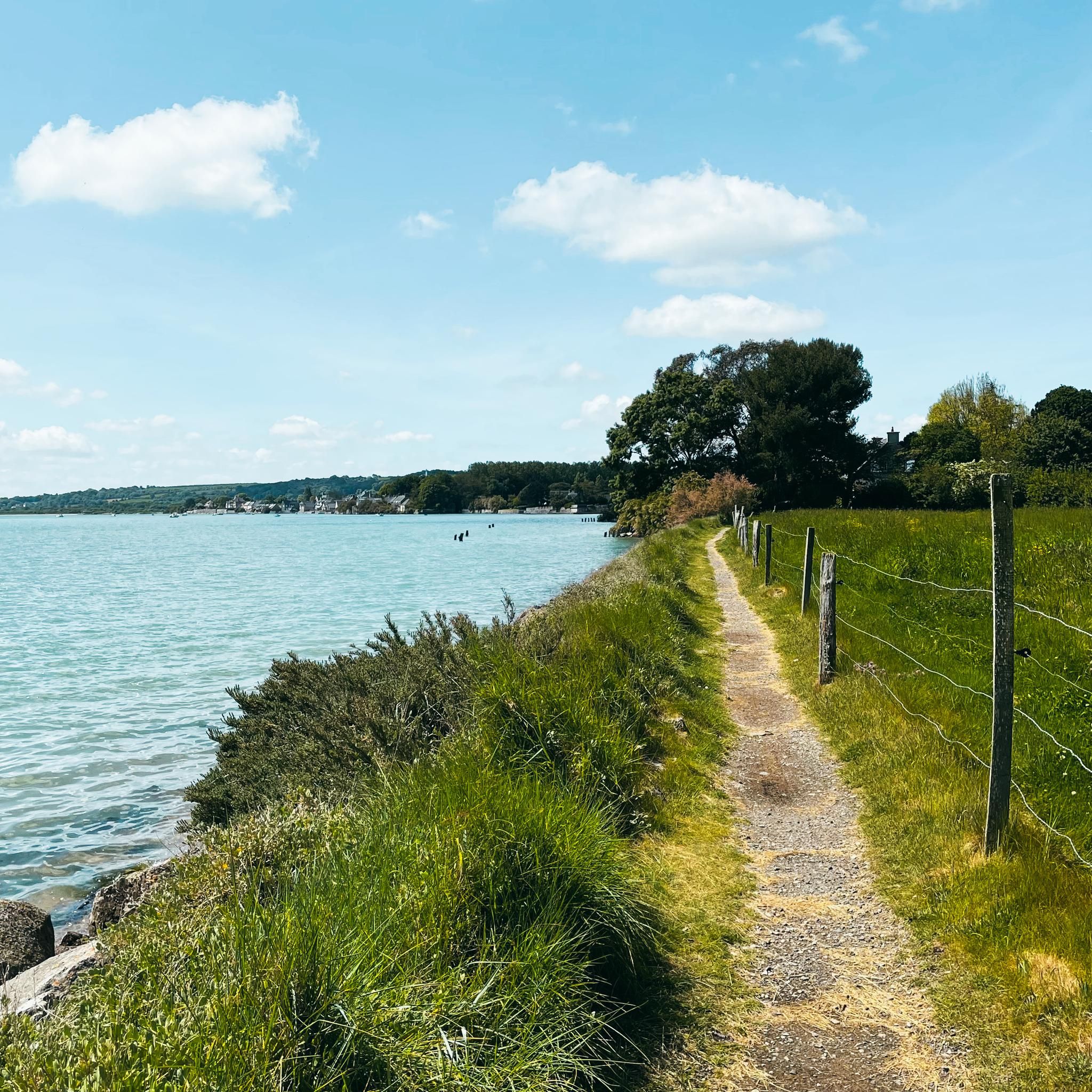
Mouth of the Saire
Highlight • Other
Translated by Google •
Tip by

Fort of La Hougue
Highlight • Castle
Tip by

Sign up now to discover places like this
Get recommendations on the best single tracks, peaks, & plenty of other exciting outdoor places.
Sign up for free
Crisbecq Battery (Saint-Marcouf)
Highlight • Historical Site
Translated by Google •
Tip by

Waterfall on the Saire at Le Vast
Highlight • Waterfall
Translated by Google •
Tip by

La Hougue Dike
Highlight • Monument
Translated by Google •
Tip by
Sign up for free to discover even more attractions around Octeville-L'Avenel.
Sign up for free
Already have an account?
Start today with a free account
Your next adventure awaits.
Login or Signup


Tips from the Community

The hike is beautiful and safe. Except for one major drawback: if you have a dog, be careful because there are several farm properties with dogs running free!! There is a waterfall at the end of the hike.
1
0
Magnificent tour. Not to be missed. Battery well charged. We loved it.
0
0

Location from which the landing was first reported in Berlin
0
0

Very nice place to visit to learn about the history of 1944
0
0
Very nice place to learn more about the history of 1944
2
0

Why visit Fort de La Hougue? History and Heritage: The fort is a crucial witness to French military history and an exceptional example of Vauban's genius, offering a fascinating dive into the past. Magnificent Landscapes: The fort offers sublime panoramic views of the sea and coastal landscapes, making the visit a moment of relaxation as much as discovery. Cultural Activities: The exhibitions and events organized at the fort enrich the visit by offering varied perspectives on local history and fortifications. In summary, Fort de La Hougue is a must-see site for lovers of history, military architecture, and beautiful landscapes. It combines culture, nature, and heritage in a unique setting in Normandy.
1
0
Fort de La Hougue is a remarkable historical site located in Saint-Vaast-la-Hougue, on the east coast of the Cotentin Peninsula, Normandy. This fort is one of two defensive works designed by the military engineer Vauban in the 17th century, the other being the fort of Tatihou, located on a neighboring island. Together, these fortifications have been classified as a UNESCO World Heritage Site since 2008 as an example of Vauban's military engineering. Points of Interest: Architecture and Military History: Fort de La Hougue was built between 1694 and 1699 on the orders of Louis XIV, following the French defeat at the Battle of La Hougue in 1692. This fort is a classic example of bastion fortifications, with thick walls, casemates, and a complex network of defenses designed to resist attacks from the sea. The 20-metre-high La Hougue Tower is the most emblematic element of the fort. This tower served as both an observation point and a last refuge in the event of an attack. UNESCO Heritage: The Fort de La Hougue is recognised by UNESCO as a masterpiece of Vauban's military engineering. This classification highlights the importance of the site in French and world military history, as well as the exceptional value of its architecture. A visit to this site allows you to better understand the defence techniques of the time and to appreciate Vauban's ingenuity in designing fortifications. Activities and Access: The fort is accessible on foot from Saint-Vaast-la-Hougue, and it is surrounded by coastal paths offering beautiful walks along the sea. These walks also allow you to discover the local flora and fauna. The nearby island of Tatihou can be reached by boat at high tide or on foot at low tide, offering a complementary excursion to explore another side of Vauban's fortifications.
1
0
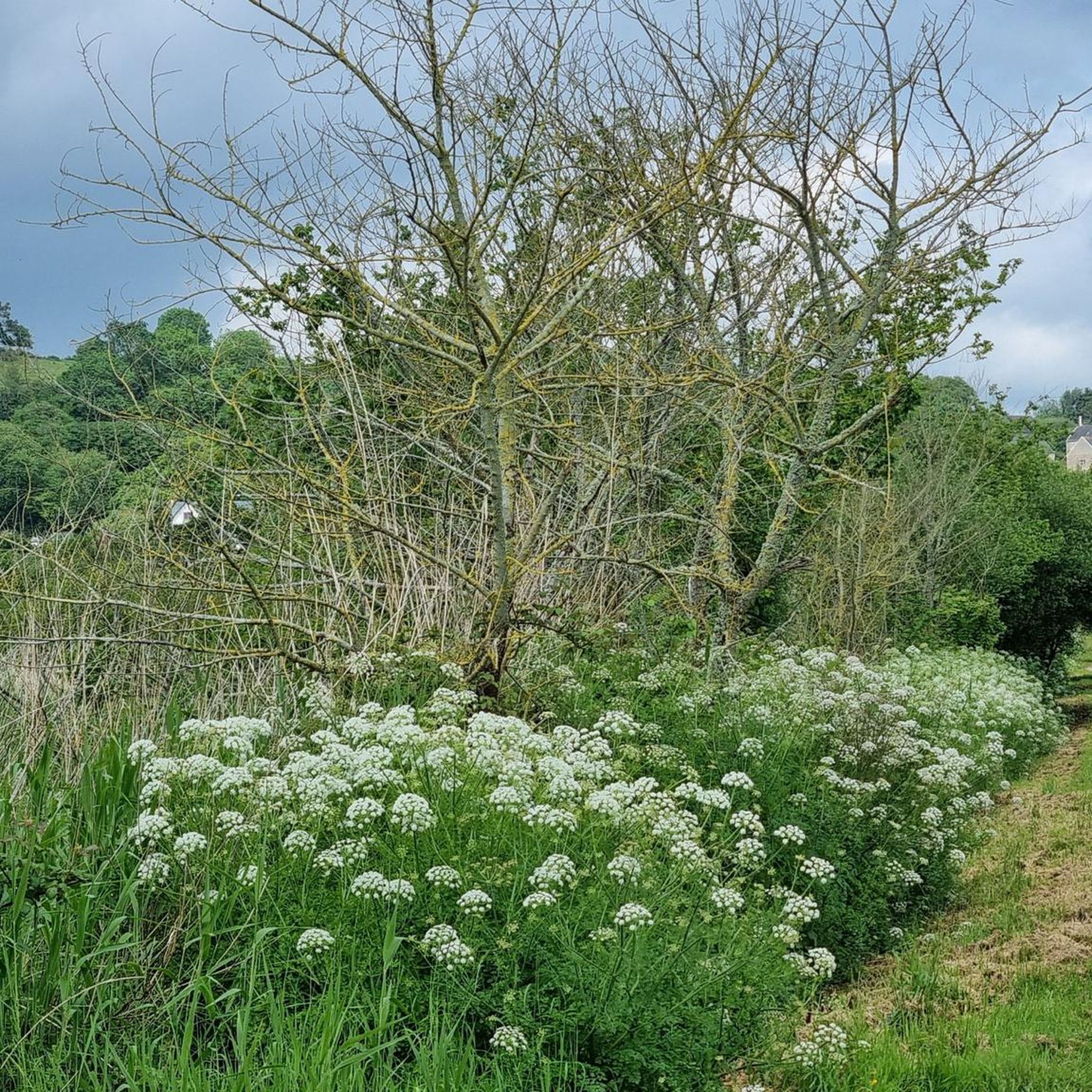
The Cascade de la Saire in Vast is an enchanting natural site located in the Manche department of Normandy. Nestled in the Val de Saire, this waterfall is a hidden gem that attracts nature lovers and hikers. Points of Interest: Natural Beauty: The waterfall is formed by the Saire River that flows through the village of Vast. It is characterized by a picturesque waterfall that descends over several levels of rocks, creating a soothing spectacle of lapping and greenery. The setting around the waterfall is particularly bucolic, with dense and lush vegetation surrounding the site, offering a true haven of peace. Peaceful Ambiance: The Cascade de la Saire is an ideal place to relax and enjoy the tranquility of nature. The soothing sound of flowing water and the serene atmosphere make it a perfect place for a meditative break or a picnic in the great outdoors. It is a popular site for photographers and artists who come to capture the natural beauty of the region. Why visit the Cascade de la Saire in Vast? Bucolic Setting: This is a perfect place for those looking for tranquility and natural beauty, far from the noise and bustle of big cities. Easy Access: The waterfall is easily accessible, making it an ideal destination for a nature outing, whether for a hike, a picnic, or simply a relaxing stroll. Landscape Richness: The waterfall and its surroundings offer a typically Norman landscape, with meadows, woods, and rivers that will delight nature and photography lovers. In summary, the Cascade de la Saire in Vast is a small natural treasure in Normandy, offering a peaceful and picturesque getaway in a green and serene setting. It is an ideal destination for nature lovers and those who wish to discover the authentic charm of the Val de Saire.
1
0
Frequently Asked Questions
What historical sites can I visit around Octeville-L'Avenel?
The region is rich in history, particularly related to World War II and older fortifications. You can explore the Azzeville Battery, a significant part of the Atlantic Wall, or the powerful Crisbecq Battery (Saint-Marcouf), which played a crucial role on D-Day. Within Octeville-L'Avenel itself, you can find the historic L'Église Saint-Martin, parts of which date back to the 12th century, and the ancient Éperon barré des Câteaux, a fortified spur with origins in the protohistoric Iron Age.
Are there any castles or ancient structures to see?
Yes, the area features notable castles and ancient structures. The Fort of La Hougue, built in 1694 by Benjamin de Combes, is a well-preserved defensive fortress with a water moat and walls. In Octeville-L'Avenel, you can also see the Château dit la Cour d'Octeville, constructed between 1773 and 1783 on the site of an older fortified castle.
What natural attractions are there near Octeville-L'Avenel?
Nature lovers can visit the Waterfall on the Saire at Le Vast, a very pretty natural monument visible from the road. The commune is also drained by the Sinope River, which contributes to the local landscape. You can also explore the Mouth of the Saire, offering beautiful panoramas of the estuary.
What outdoor activities can I do near these attractions?
The region offers various outdoor activities. For hiking, you can explore trails like 'Along the beach (Gravel) – Port on the Sinope loop from Lestre' or 'Stream crossing – View of the Sinope Valley loop from Lestre'. Cyclists might enjoy routes such as 'La Hougue Dike – Saint-Vaast-la-Hougue loop from Videcosville'. You can find more options for hiking, cycling, and running around Octeville-L'Avenel.
Are there family-friendly attractions in the area?
Yes, several attractions are suitable for families. The Waterfall on the Saire at Le Vast is a natural spot that can be enjoyed by all. Historical sites like the Crisbecq Battery (Saint-Marcouf) and Azzeville Battery offer educational experiences about World War II history, with Crisbecq featuring 22 blockhouses to explore.
What do visitors enjoy most about the attractions around Octeville-L'Avenel?
Visitors frequently appreciate the well-preserved historical sites, such as the Fort of La Hougue, noting its impressive structure and strategic location. The natural beauty, like the Waterfall on the Saire at Le Vast, is also a highlight, often described as very pretty. The historical batteries are valued for their educational insight into D-Day, with visitors finding them well worth the visit despite their commercial aspects.
Are there any walking trails directly within Octeville-L'Avenel?
Yes, Octeville-L'Avenel offers a dedicated 10 km discovery trail called 'Sentier de découverte Nature et Patrimoine à Octeville-l'Avenel'. This trail allows visitors to explore both the natural beauty and the local heritage of the commune.
Can I find any war memorials or D-Day related sites in Octeville-L'Avenel?
Within Octeville-L'Avenel, you can find a Monument aux morts in the cemetery, commemorating those who lost their lives. There is also a Plaque parachutistes américains, dedicated to the memory of six American paratroopers who died in Normandy in June 1944. Nearby, the Azzeville Battery and Crisbecq Battery (Saint-Marcouf) are significant D-Day sites.
What is the best time to visit Octeville-L'Avenel for outdoor activities?
Normandy generally experiences a mild climate, making many outdoor activities enjoyable for a significant portion of the year. The spring and summer months (May to September) are typically ideal for hiking and cycling, offering pleasant weather for exploring the historical sites and natural landscapes. The mild climate also means cattle can stay outside for nine months of the year, indicating generally favorable conditions.
Are there any unique local heritage sites in Octeville-L'Avenel?
Beyond the major historical sites, Octeville-L'Avenel features unique local heritage spots such as the Lavoir de Bidros, a restored wash house that reflects traditional local life. The Chapelle Marie-Madeleine Postel also serves as a memorial to the stay of the blessed Marie-Madeleine Postel and her nuns in the commune in 1811.
Are there any viewpoints or scenic spots to enjoy the landscape?
Yes, the Mouth of the Saire offers a beautiful panorama of the estuary, where the water can appear wonderfully turquoise green depending on the light. The Fort of La Hougue also provides strategic views of the peninsula.
Most popular routes around Octeville-L'Avenel
Most popular attractions around Octeville-L'Avenel

Get inspired with the komoot mobile app


Explore more
Still not found the Highlight you’re looking for? See guides of the top attractions in other regions:
