The best road cycling routes around Le Mesnilbus
4.8
(21)
526
riders
168
rides
Road cycling around Le Mesnilbus features a landscape characterized by gently rolling terrain and a network of rural roads. The region offers varied routes that traverse agricultural areas and small villages. Elevation changes are generally moderate, with no significant peaks over 200 meters. This makes the area suitable for road cyclists seeking routes without extreme climbs.
Best road cycling routes around Le Mesnilbus
- The most popular road cycling route is The Gouville mill – Château de Gratot loop from Le…
Last updated: July 5, 2026
5.0
(1)
14
riders
45.0km
01:55
360m
360m
Moderate road ride. Good fitness required. Mostly well-paved surfaces and easy to ride.
5.0
(1)
18
riders
51.7km
02:04
270m
270m
Moderate road ride. Good fitness required. Mostly well-paved surfaces and easy to ride.

Sign up for free
8
riders
Moderate road ride. Good fitness required. Mostly well-paved surfaces and easy to ride.
5.0
(1)
6
riders
Moderate road ride. Good fitness required. Mostly well-paved surfaces and easy to ride.
7
riders
56.6km
02:18
340m
340m
Moderate road ride. Good fitness required. Mostly well-paved surfaces and easy to ride.
Get access to more routes and recommendations from other explorers.
Sign up for free
Already have an account?
Our route recommendations are based on thousands of hikes, rides, and runs completed by other people on komoot.
Start today with a free account
Your next adventure awaits.
Login or Signup

Tips from the Community

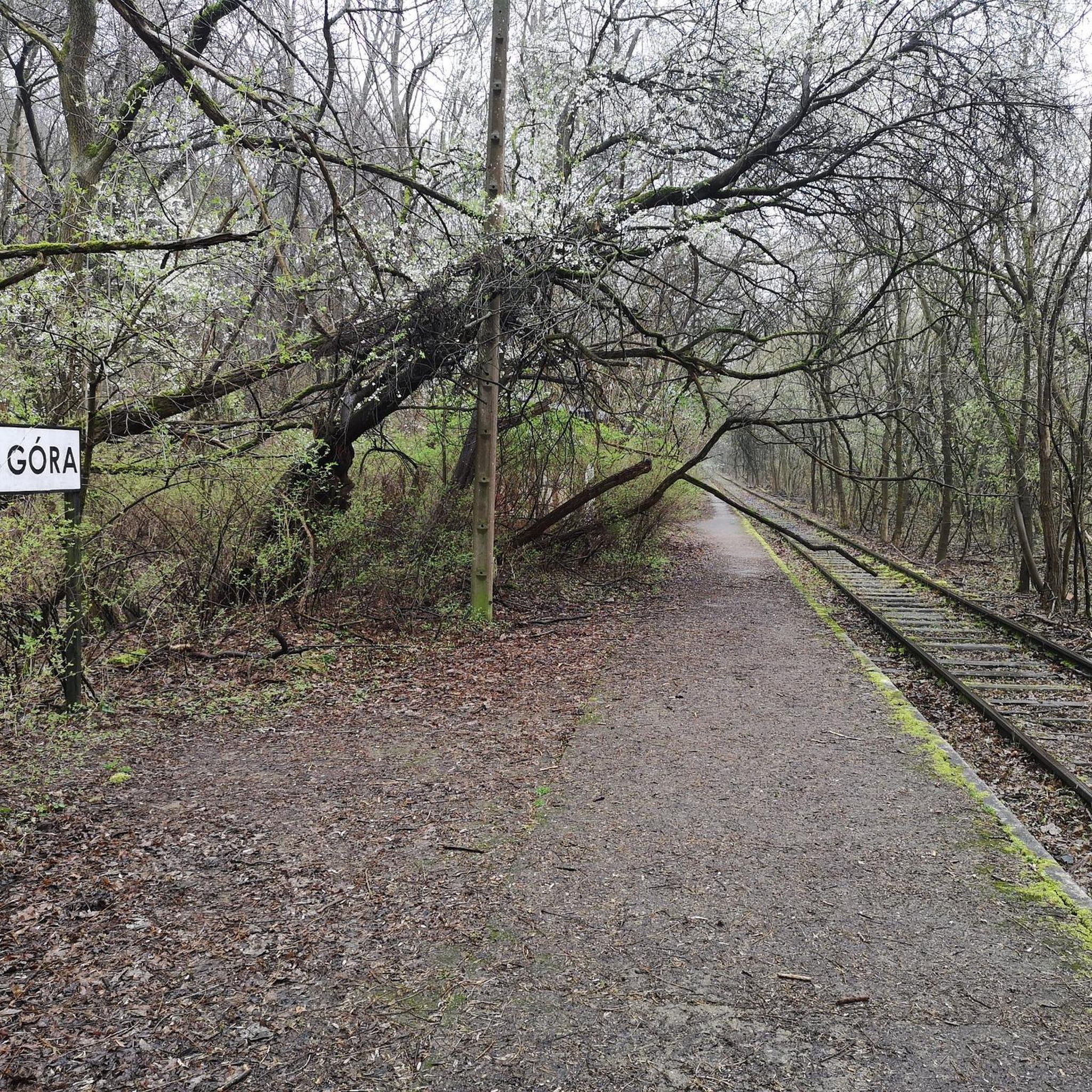
This isn't a mountain bike trail; it's 95% road. Otherwise, it can be enjoyable. But forget about trails.
0
0

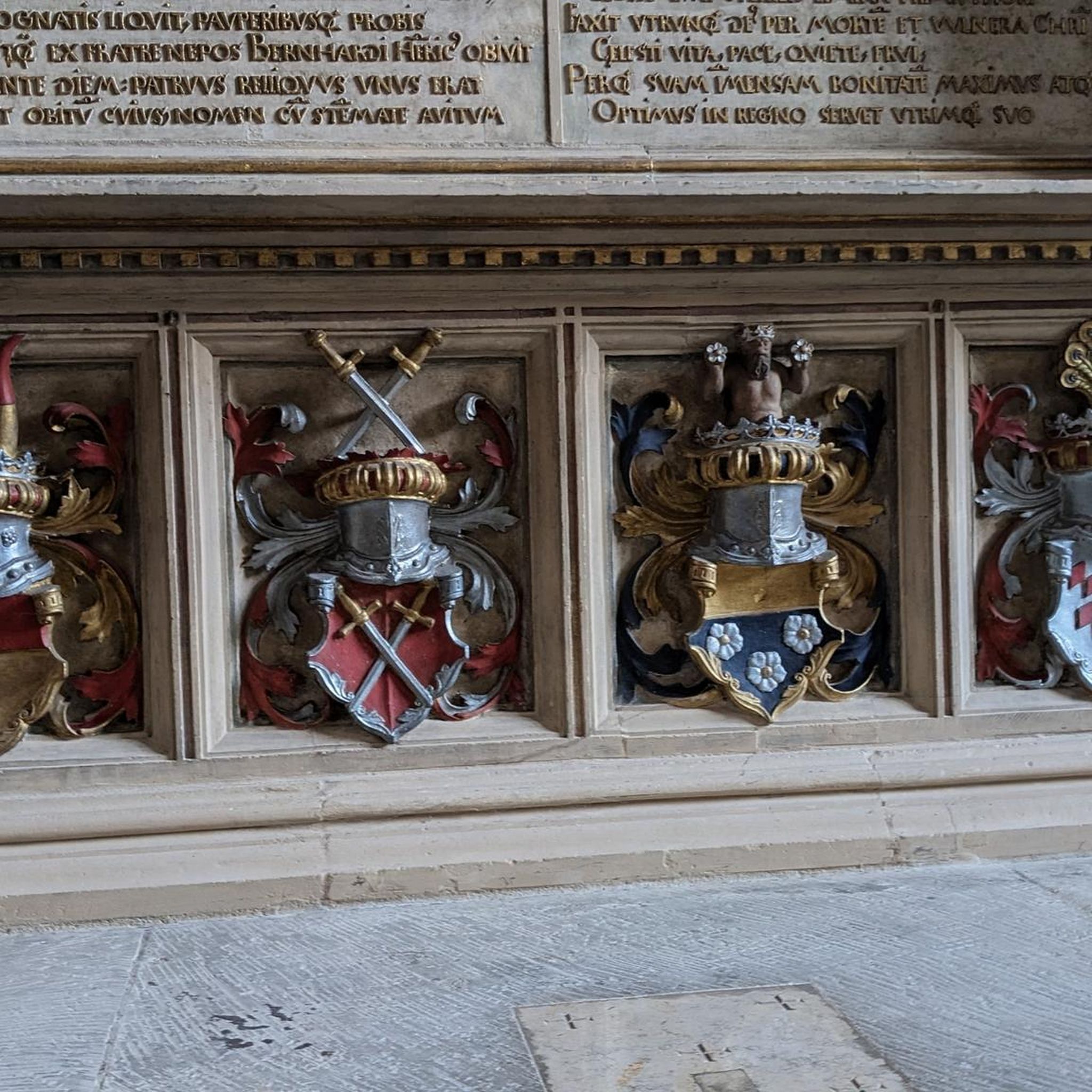
Abbey dating from the 11th Century. Roman style, it is very well preserved, and clearly visible from your bike!
0
0

The parish of Linverville was founded in the 7th century by Saint Ouen. The lords of Linverville had been the Louvels before being the de Vers. Then the fief returned again to the Louvels, lords of Montmartin, who kept it until under Louis XIV when they sold their manor of Linverville and the estate to the Bordes de Folligny family who kept them until the eve of the Revolution.
1
0
Saint-Ouen church modified in the 18th and 19th centuries, with a sundial. It houses a stained glass window of the “Miraculous Fishing” as well as three ex-voto boats. The pillars and arcades which support the tower, placed between choir and nave, belong to the Romanesque style. The arches of the vault fall on consoles or modillions, representing human heads. It is the only part of the church which offers any interest.
1
0
Saint-Samson Church (12th – 18th centuries), of Romanesque origin, since rebuilt, notably its nave which was vaulted in wood in 1738. The church houses a bas-relief Ecce Homo (15th century), a statue of Saint Samson (15th century). 18th century) as well as glass roofs (20th century) by Mazuet et fils, Duhamel and Marette.
1
0

The Four Braves is a memorial to 4 American soldiers who died fighting for freedom and against the Nazis after the Allied landings in Normandy.
1
0
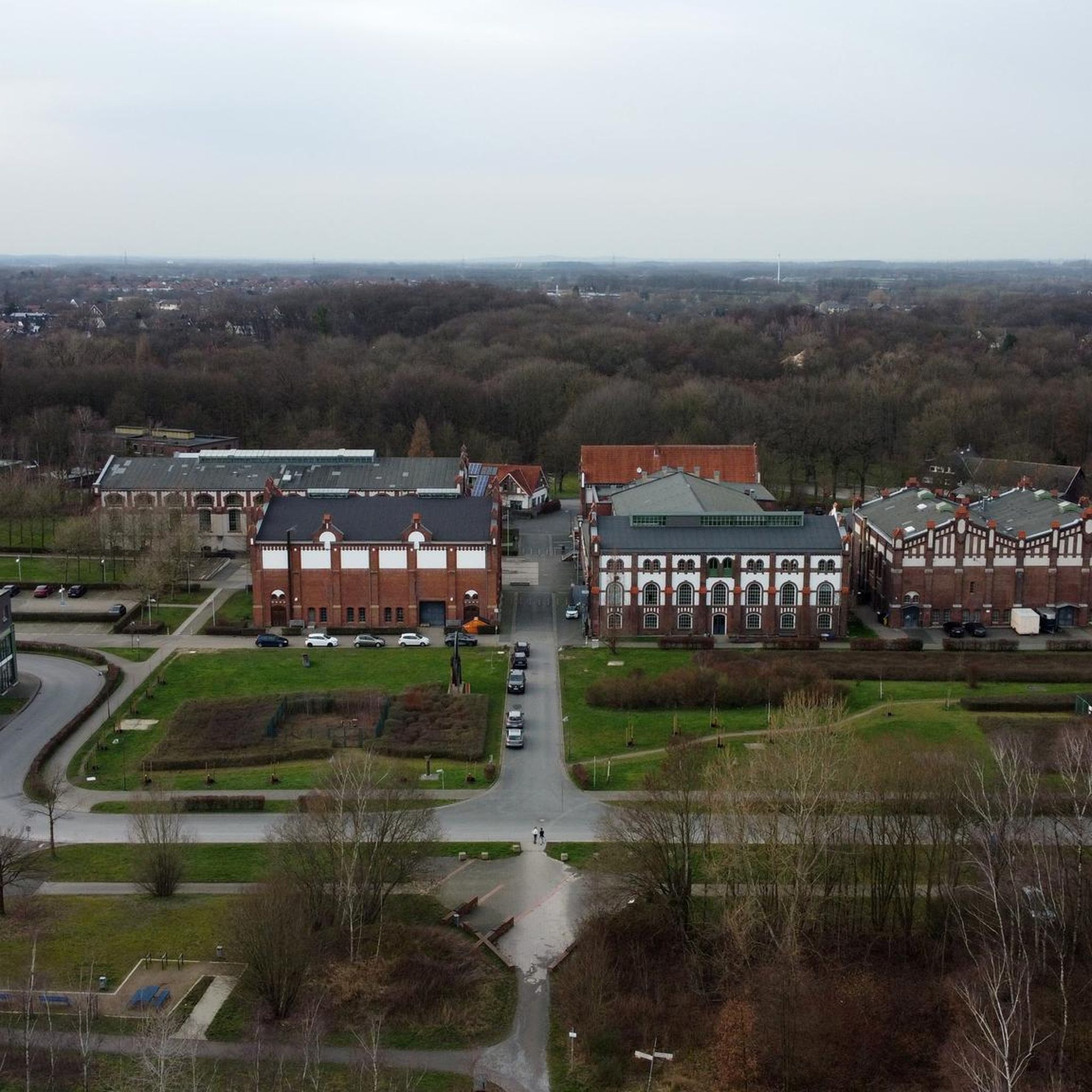
The church was built in two phases. The apse, the choir, the transept and two bays of the nave with associated vaults were finished when Eudes au Capel died in 1098. The remaining bays followed a few years later. The beautiful Romanesque abbey church was rebuilt with great care after the Second World War. As many original materials as possible were used. Particularly striking are the clean lines of the apse against the flat rear wall with a gable. The squat square bell tower and the slate roofs from La Hague are also worth seeing.
3
0
A coastal town in the Manche region in Normandy, Créances is located about forty kilometers from Saint-Lô. Known for its fishing activities, it is also located not far from Pirou and its famous castle, La Haye or Périers. According to popular tradition, the town of Créances was born at the beginning of the Middle Ages, following the shipwreck on the Manche coast of a Portuguese ship. It subsequently developed quietly around fishing and agriculture, gradually taking on the peaceful and pleasant face that we know today, notably thanks to the drying of its numerous marshes. Now, Créances is mainly known for its sweet-tasting carrot which grows in the sandy fields. Visitors also appreciate its preserved beaches as well as its charming architectural heritage.
2
0
Frequently Asked Questions
How many road cycling routes are available around Le Mesnilbus?
There are over 150 road cycling routes available in the Le Mesnilbus area, catering to various skill levels. You can find a diverse selection of tours, from easy rides to more challenging excursions.
Are there easy road cycling routes suitable for beginners or families in Le Mesnilbus?
Yes, Le Mesnilbus offers a good selection of easy road cycling routes. Approximately 38 routes are classified as easy, making them ideal for beginners or families looking for a relaxed ride. An example is the Castle, Coutainville – Linverville loop from Saint-Sauveur-Villages, which provides coastal views and rural landscapes.
What is the typical terrain like for road cycling in Le Mesnilbus?
The terrain around Le Mesnilbus is characterized by gently rolling countryside and a network of rural roads. You'll encounter agricultural areas and small villages, with moderate elevation changes and no significant peaks over 200 meters, making it suitable for road cyclists seeking routes without extreme climbs.
Are there any challenging road cycling routes for experienced cyclists?
While the region is known for its moderate terrain, there are a few routes that offer a greater challenge. Approximately 5 routes are classified as difficult, providing more demanding climbs and longer distances for experienced road cyclists.
What are some popular circular road cycling routes in the area?
Many routes around Le Mesnilbus are designed as loops, allowing you to start and finish in the same location. Popular circular routes include The Gouville mill – Château de Gratot loop from Le Mesnilbus and the Pirou Castle – Sainte-Croix Abbey Church loop from Saint-Sauveur-Lendelin, which takes you through historic sites and open fields.
What is the best time of year for road cycling in Le Mesnilbus?
Given the gently rolling terrain and rural roads, road cycling in Le Mesnilbus is enjoyable from spring through autumn. The moderate climate of Normandy generally provides pleasant conditions, though checking local weather forecasts is always recommended.
Are there scenic viewpoints or notable landmarks along the road cycling routes?
Yes, many routes offer scenic views of the rural landscapes, agricultural areas, and charming villages. Some routes also pass by historic landmarks such as the Château de Gratot or Pirou Castle, providing interesting points of interest during your ride.
What do other road cyclists enjoy most about the routes in Le Mesnilbus?
The road cycling routes in Le Mesnilbus are highly rated by the komoot community, with an average score of 4.5 stars from over 10 reviews. Cyclists often praise the quiet rural roads, the varied landscapes, and the opportunity to explore charming villages and historic sites.
Are there options for longer road cycling tours in Le Mesnilbus?
Yes, you can find longer routes for extended rides. For example, the Pirou Castle – Sainte-Croix Abbey Church loop from Saint-Sauveur-Lendelin is a 43.2-mile (69.5 km) trail, and the Anneville-sur-Mer – Château de Pirou loop from Saint-Sauveur-Villages covers 62.8 km, offering a good distance for a day trip.
Where can I find parking for road cycling routes near Le Mesnilbus?
While specific parking details vary by route starting point, most rural villages and towns in the Le Mesnilbus area, such as Saint-Sauveur-Villages or Saint-Sauveur-Lendelin, offer public parking options. It's advisable to check the starting point of your chosen route for the most convenient parking.
Can I find routes that include coastal sections?
Yes, some road cycling routes in the wider Le Mesnilbus area extend towards the coast, offering beautiful coastal views. The Castle, Coutainville – Linverville loop from Saint-Sauveur-Villages is an example that provides both coastal and rural landscapes.

Get inspired with the komoot mobile app


Explore more
Browse the best Road cycling routes in other regions.
