Attractions and Places To See around Gâcogne - Top 20
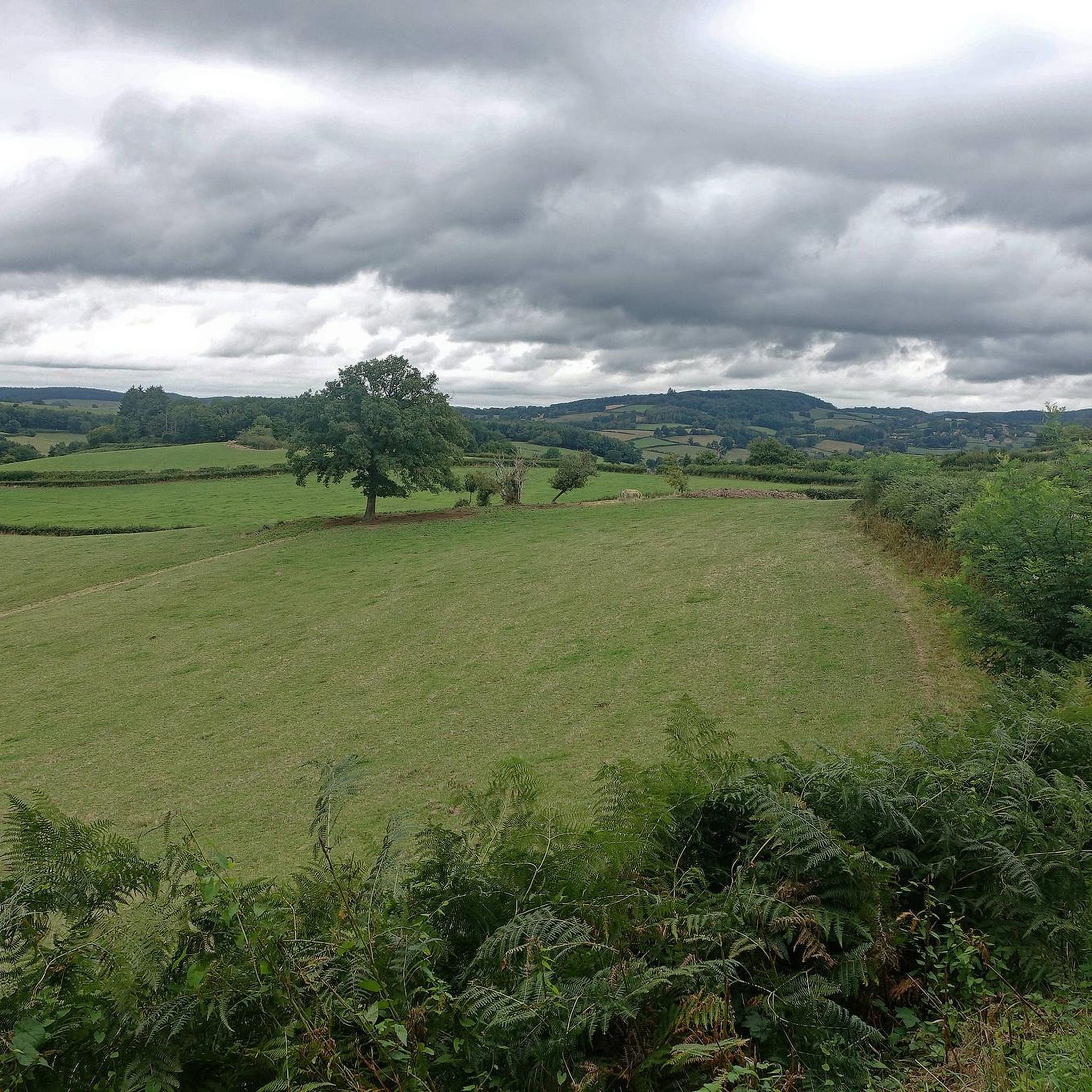
Best attractions and places to see around Gâcogne include a blend of historical landmarks, natural beauty, and cultural points of interest. Situated within the Morvan Regional Natural Park, Gâcogne features hilly landscapes and green settings. The area offers diverse environments with wooded mountains and rivers, providing opportunities for exploration. Visitors can discover various sites across Gâcogne's hamlets, showcasing its rural heritage.
Best attractions and places to see around Gâcogne
- The most popular attractions is Narvau Waterfall, a waterfall that…
Last updated: June 24, 2026
Couezon Franco-British Cemetery
Highlight • Other
Translated by Google •
Tip by

La Chapelle St Elymon
Highlight • Historical Site
Useful information:
The beautiful little chapel on the banks of the Yonne in Chandelier, a hamlet of Epiry, was built for a hermit. It …
Translated by Google •
Tip by

Sign up now to discover places like this
Get recommendations on the best single tracks, peaks, & plenty of other exciting outdoor places.
Sign up for free
Narvau Waterfall
Highlight • Waterfall
Translated by Google •
Tip by

Pannecière reservoir lake
Highlight • Lake
Translated by Google •
Tip by
Étang Chaumail
Highlight • Lake
Translated by Google •
Tip by
Sign up for free to discover even more attractions around Gâcogne.
Sign up for free
Already have an account?
Start today with a free account
Your next adventure awaits.
Login or Signup
Tips from the Community

The Franco-British cemetery of Couezon, sometimes called the "cathedral of greenery," lies in the heart of the forest. It holds the remains of those who fought against Nazism during the summer of 1944, a time when the Morvan region played a strategic role for the Resistance. In some areas, the maquis groups benefited from the support of the SAS, British special forces parachuted into the massif. The Bernard maquis group chose to bury here the men and women, French and foreign, who fell during these battles.
1
0
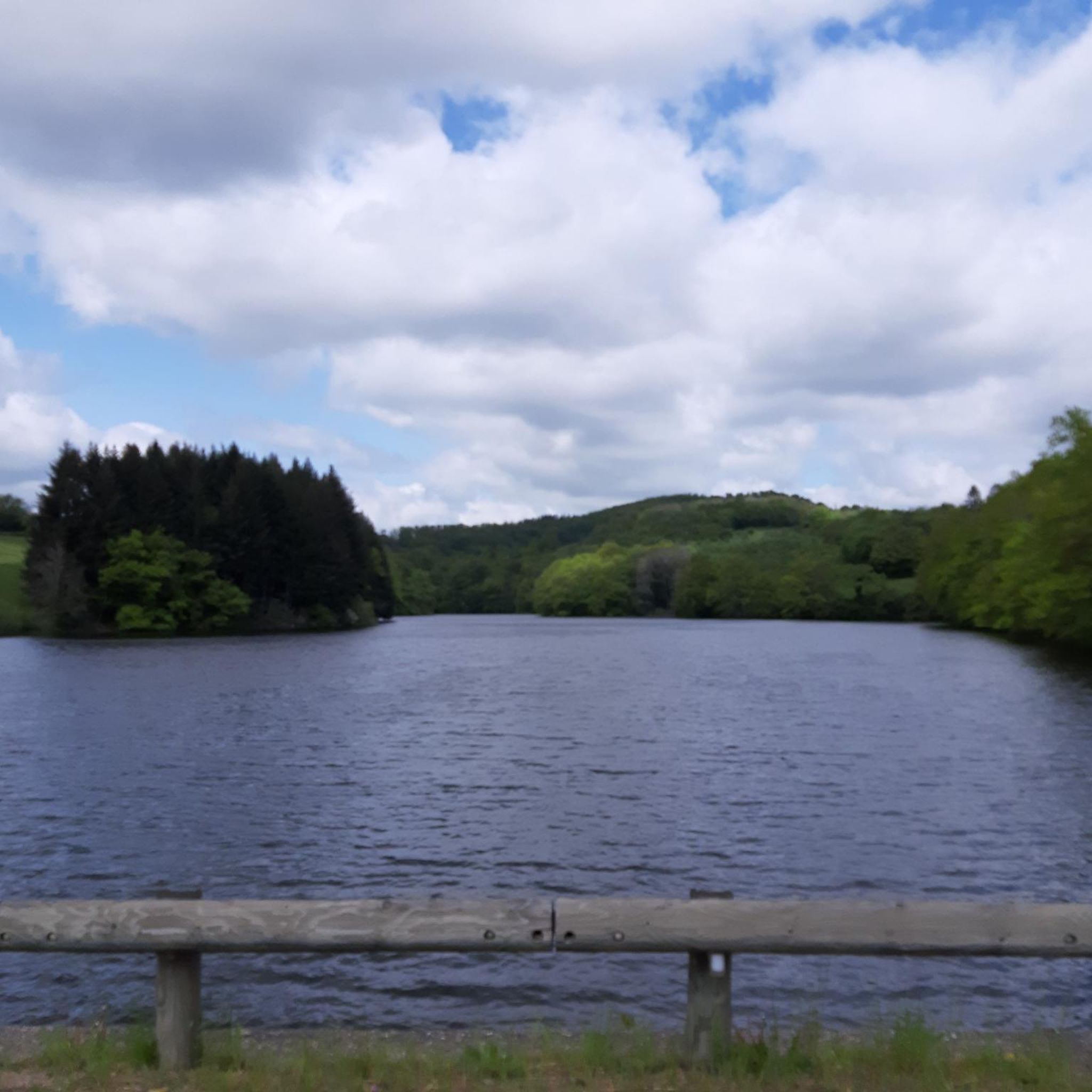
The Pannecière reservoir was commissioned in 1949. This artificial lake's purpose is to increase the flow of the Yonne and Seine rivers and to mitigate the risk of flooding. It is the largest lake in the Morvan region.
0
0

This cemetery commemorates the men and women of the Morvan resistance movement. In the summer of 1944, the Morvan region became a strategic location in the liberation of the territory and was home to important sites for the organization of the French Resistance. These units were supported by British special forces parachuted into the Morvan region.
0
0

The Bernard maquis, stationed in this forest, established this military cemetery to bury the bodies of the combatants who died during the fighting for liberation. This cemetery, in the heart of the forest, is often called the "Cathedral of Greenery." It's a beautiful forest perfect for a stroll.
0
0

Not for regular bikes, only for mountain bikers. Bring wellington boots.
0
0

Electricity production and tourism
0
0
At the beginning of the route the path is very overgrown, much overhanging greenery. At the hermit's chapel the road is closed. Attempts to cross the bridge are at your own risk. Caution is advised.
0
0

Otherwise called the Chapelle d’Épiry. It is located on the banks of the Yonne in the hamlet of Chandelier, in the commune of Épiry. According to several legends, it had a miraculous spring on the hillside, the spring cured sore throats and lungs. The Chapel was built for a hermit. Its Bell dated 1600.
0
0
Frequently Asked Questions
What natural attractions can I explore around Gâcogne?
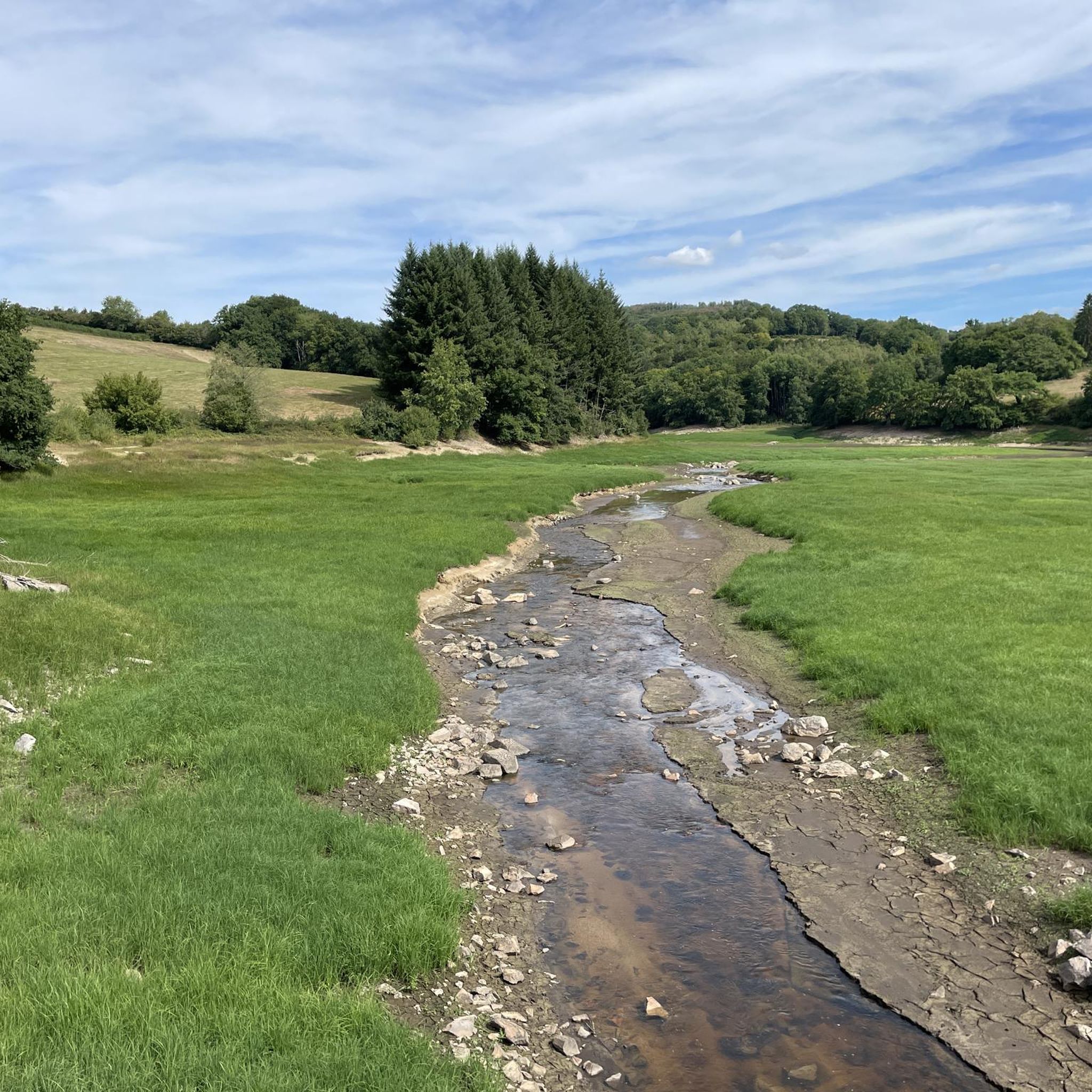
Gâcogne is nestled within the Morvan Regional Natural Park, offering diverse natural beauty. You can visit the beautiful Narvau Waterfall, fed by the nearby Etang de Goulot, which is an ideal spot for a break. The Pannecière reservoir lake, the largest lake in the Morvan region, is also nearby. For a more secluded experience, Étang Chaumail is a calm pond often described as being hidden within the forest. The Anguison River also flows through the village, and Étang de Préboux is another scenic pond surrounded by wooded mountains.
Are there any historical sites or cultural landmarks to visit in Gâcogne?
Yes, Gâcogne offers several historical and cultural sites. The Couezon Franco-British Cemetery, known as the 'cathedral of greenery,' is a significant memorial site in the forest, commemorating those who fought against Nazism during World War II. You can also find La Chapelle St Elymon, a beautiful chapel on the banks of the Yonne with a historical fresco. Other notable landmarks include the 16th-century Château de Raffigny and Château de Saugny (both private), the Église Saint-Pierre-aux-Liens-et-Saint-Laurent built in 1871, and the Old Brassy-Gâcogne Railway Station, a relic of the 'tacot du Morvan' railway.
What outdoor activities can I do near Gâcogne's attractions?
The Morvan Regional Natural Park provides excellent opportunities for outdoor activities. You can find numerous trails for hiking, cycling, and mountain biking. For specific routes, explore the hiking trails around Gâcogne, cycling routes around Gâcogne, or MTB trails around Gâcogne. These guides offer various routes, including moderate hikes like 'La chapelle du Banquet' and challenging cycling loops around the lakes.
Are there family-friendly attractions or activities in the Gâcogne area?
Yes, the area around Gâcogne offers options for families. The Étang Chaumail is a great spot, surrounded by hiking trails and featuring a children's playground and an arboretum. Exploring the natural settings of the Morvan Regional Natural Park, such as easy walks around ponds or short sections of the numerous hiking trails, can also be enjoyable for families.
What are some unique cultural heritage points to discover in Gâcogne?
Beyond the major landmarks, Gâcogne's 40 hamlets offer glimpses into rural heritage. You can discover pigeonniers, traditional wash houses, and fountains throughout the area. The former farrier's workshop and ox-shoeing area at La Roche provide insight into historical agricultural practices. Additionally, traces of a Roman road connecting Château-Chinon to Vézelay can still be found in the region.
What do visitors enjoy most about the attractions around Gâcogne?
Visitors particularly appreciate the blend of historical significance and natural beauty. Sites like the Couezon Franco-British Cemetery are valued for their historical importance and serene forest setting. Natural spots like Narvau Waterfall and Pannecière reservoir lake are praised for their tranquility and scenic views, providing ideal places for breaks and enjoying the outdoors.
Can I find easy hiking trails near Gâcogne?
Yes, there are easy hiking options available. For instance, the 'Hiking loop from Mhère' is an easy 6 km route. Many trails around the various ponds, such as Étang Chaumail, also offer gentle walks suitable for beginners or those seeking a relaxed stroll. You can find more details on the hiking guide for Gâcogne.
What is the significance of the Morvan Regional Natural Park for Gâcogne?
Gâcogne is situated entirely within the Morvan Regional Natural Park, making the park integral to the region's identity and attractions. The park provides the diverse environment of wooded mountains, rivers like the Anguison, and numerous lakes and ponds that define the landscape. It's the primary setting for all outdoor activities and natural points of interest in and around Gâcogne.
Are there any notable trees or unique natural features in the village itself?
Within the village of Gâcogne, you can find the Vieux Sully Tree, a notable tree located in the village square. While not a large natural park, it's a local point of interest. The Anguison River also flows through the village, adding to its natural charm.
What kind of cycling routes are available around Gâcogne?
The area around Gâcogne offers a variety of cycling routes, ranging from moderate to difficult, often featuring the hilly landscapes of the Morvan. You can find challenging routes like the 'Lormes – Col de Guitte Longue loop' or the 'Lake Chaumard-Pannecière – Lac de Pannecière loop'. There are also moderate options such as the 'Étang du Goulot loop'. For a comprehensive list, refer to the cycling guide for Gâcogne.
Are there any castles or ancient residences to see in the area?
Gâcogne is home to several historical castles, though most are private residences. These include the 16th-century Château de Raffigny, which was remodeled in the 19th century and features a 15th-century chapel dedicated to Saint Barbe. The Château de Saugny, reconstructed in 1862 on older foundations, and the 16th-century Château de Rhuère also contribute to the region's rich history, even if their vestiges are difficult to observe.
What is the best time to visit Gâcogne for outdoor activities?
The Morvan Regional Natural Park, where Gâcogne is located, is generally best visited for outdoor activities during the spring, summer, and early autumn months. These seasons offer pleasant weather for hiking, cycling, and exploring the natural and historical sites. Spring brings blooming landscapes, summer is ideal for water activities on the lakes, and autumn provides beautiful foliage.
Most popular routes around Gâcogne
Most popular attractions around Gâcogne

Get inspired with the komoot mobile app


Explore more
Still not found the Highlight you’re looking for? See guides of the top attractions in other regions:
