The best cycling routes around Algajola
4.4
(787)
8,677
riders
104
rides
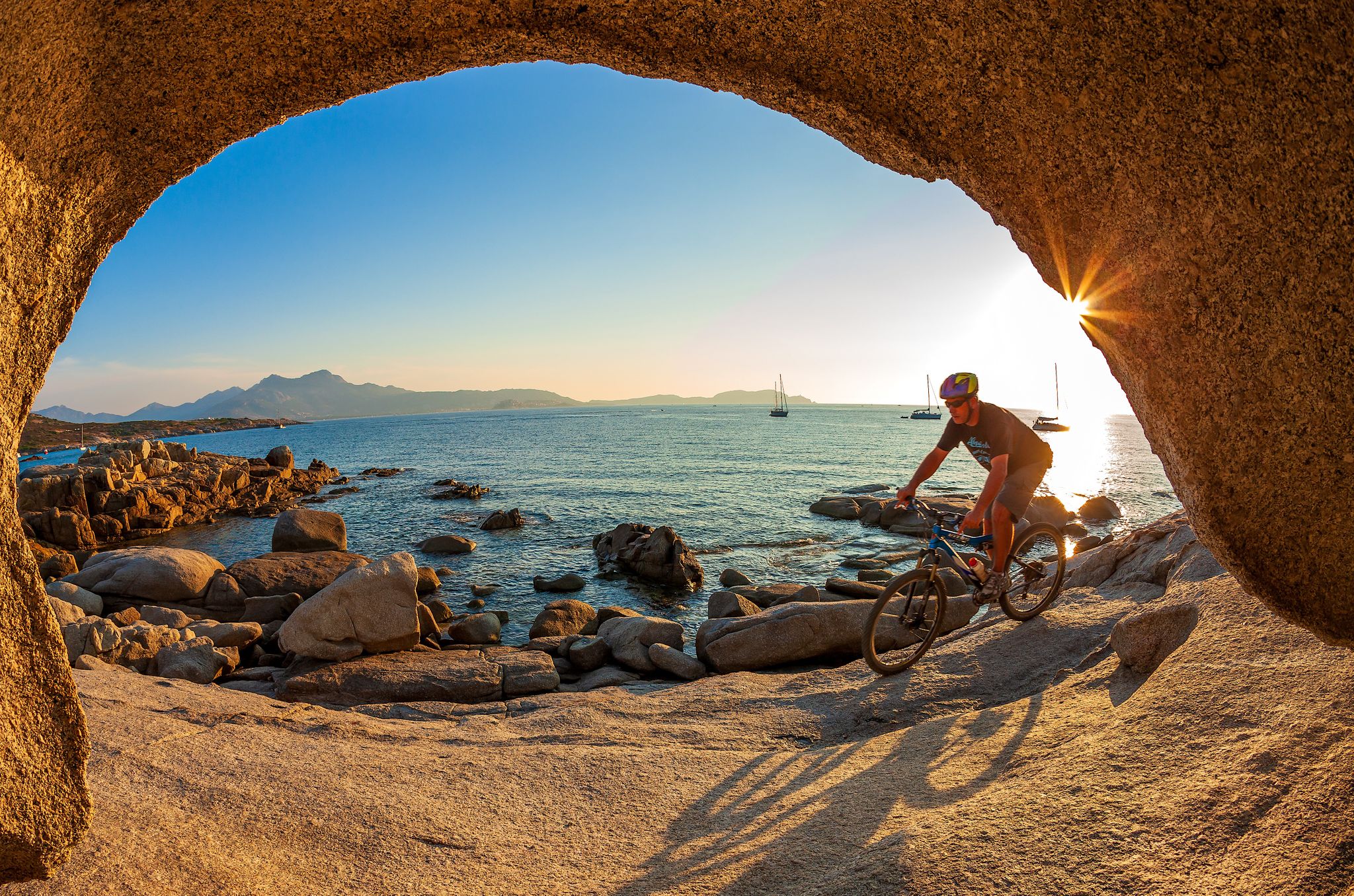
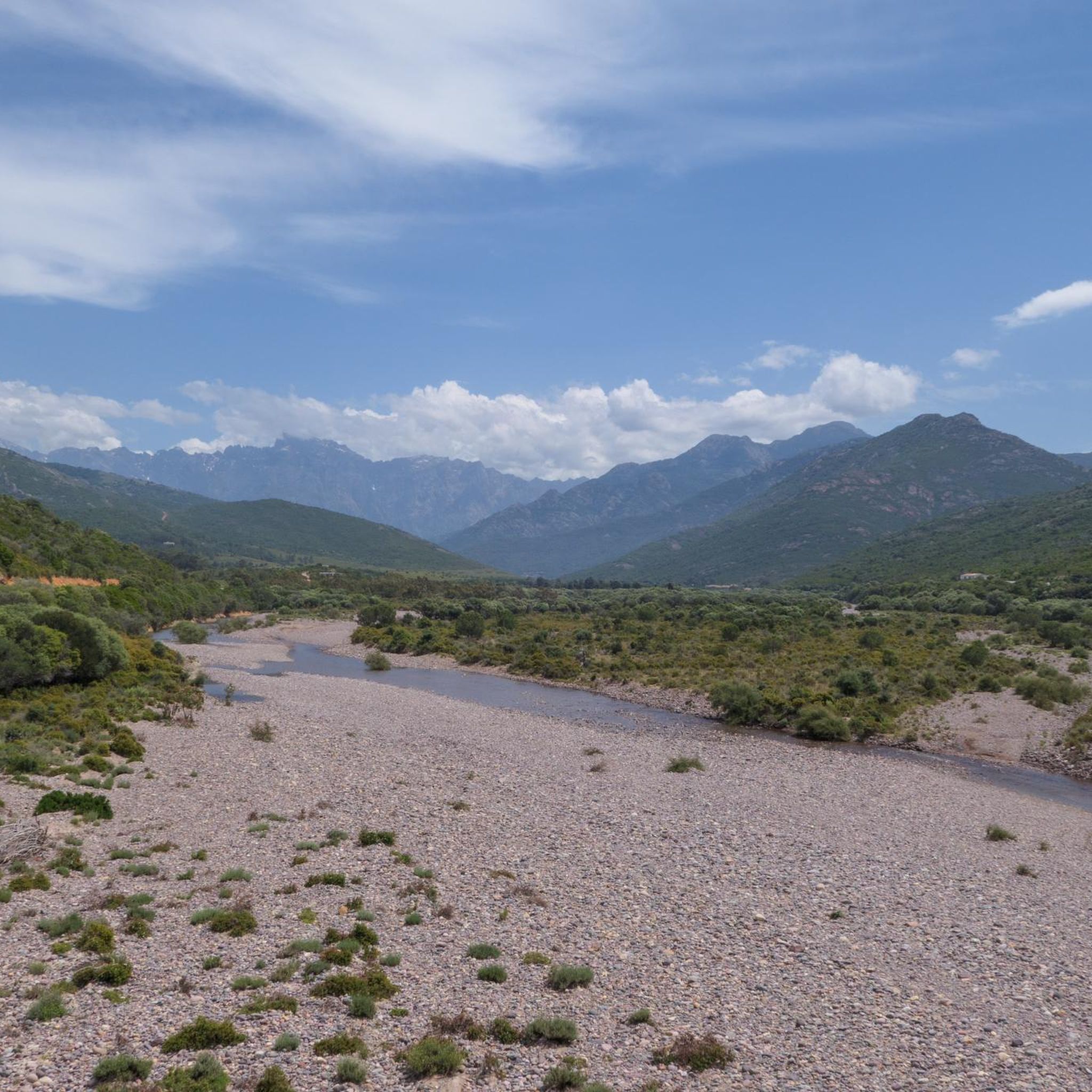
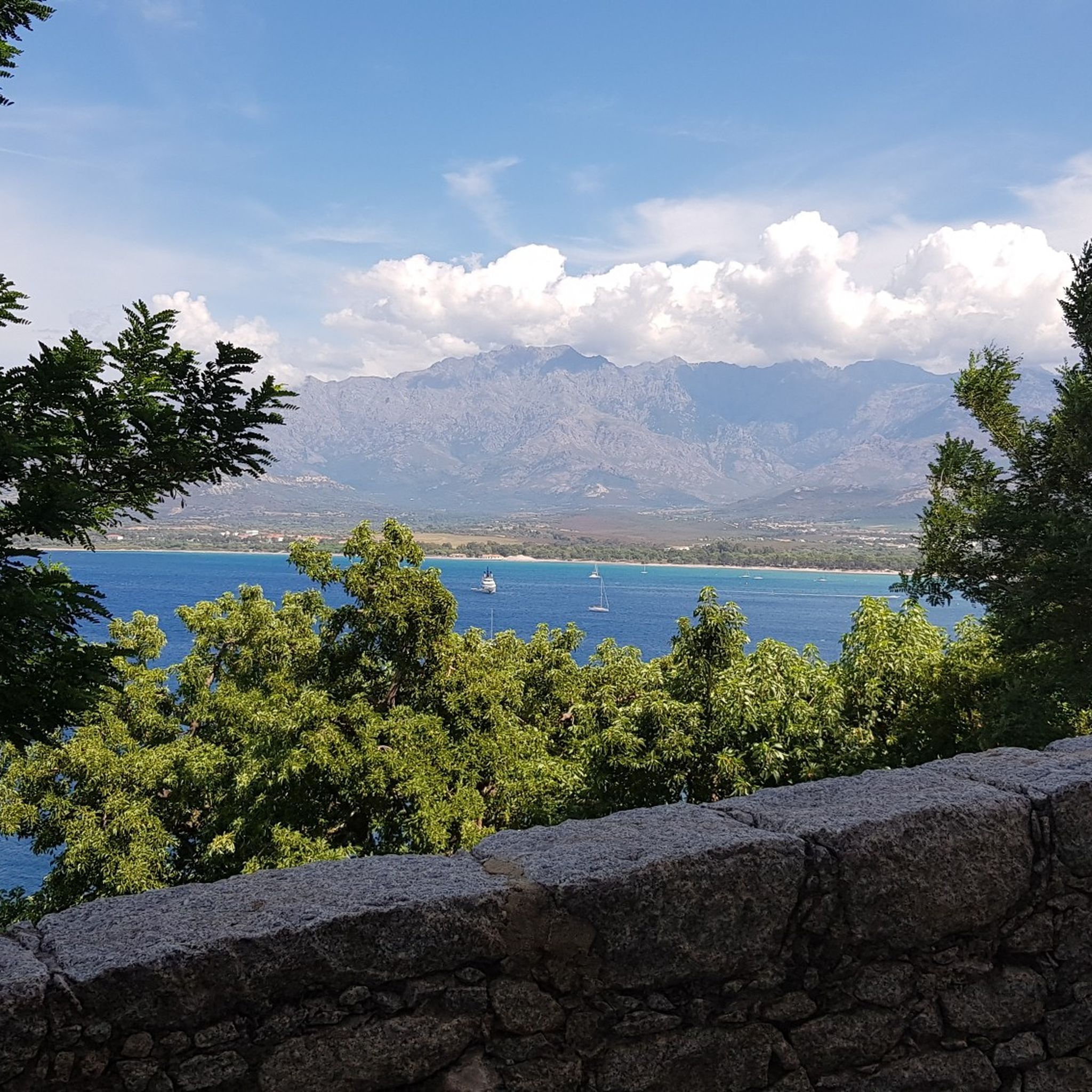
Touring cycling around Algajola offers routes characterized by its coastal proximity and inland hills. The region features a mix of village-to-village connections and paths with views towards the sea and surrounding mountains. Terrain includes varied elevations, from coastal flats to more challenging climbs into the hills.
Best touring cycling routes around Algajola
- The most popular touring cycling route is Village d'Aregno — Algajola loop, a 13.4 miles (21.5 km) trail that takes 1 hour 29 minutes to complete, connecting coastal Algajola with the nearby village of Aregno.
- Another top favourite among local touring cyclists is St. Antoninus – Corbara Village loop from Aregno, a difficult 23.6 miles (38.0 km) path. This route features significant elevation gain and views of multiple villages.
- Local touring cyclists also love the Village with mountain views – Speloncato Village loop from Aregno, a 37.6 miles (60.5 km) trail leading through mountainous terrain with panoramic village and mountain views, often completed in about 4 hours 31 minutes.
- Touring cycling around Algajola is defined by coastal paths, village connections, and routes offering mountain views. The network provides options for easy, moderate, and difficult ability levels.
- The routes in Algajola are highly rated by the komoot community with an average score of 4.5 stars from over 600 reviews. More than 7000 touring cyclists have used komoot to explore Algajola's varied terrain.
Last updated: June 25, 2026
4.9
(7)
37
riders
21.5km
01:29
420m
410m
Moderate bike ride. Good fitness required. Mostly paved surfaces. Suitable for all skill levels.
4.6
(16)
223
riders
45.9km
03:13
830m
830m
Hard bike ride. Very good fitness required. Mostly paved surfaces. Suitable for all skill levels.

Sign up for free
4.4
(14)
151
riders
40.8km
02:54
810m
810m
Hard bike ride. Very good fitness required. Mostly paved surfaces. Suitable for all skill levels.
4.9
(11)
115
riders
39.9km
02:46
750m
750m
Hard bike ride. Very good fitness required. Mostly paved surfaces. Suitable for all skill levels.
4.6
(5)
109
riders
60.7km
04:33
1,460m
1,460m
Hard bike ride. Very good fitness required. Mostly paved surfaces. Suitable for all skill levels.
Get access to more routes and recommendations from other explorers.
Sign up for free
Already have an account?
Our route recommendations are based on thousands of hikes, rides, and runs completed by other people on komoot.
Start today with a free account
Your next adventure awaits.
Login or Signup


Other adventures around Algajola

Tips from the Community

The church, located in the middle of a cemetery, was built in the 11th century in the Pisan-Romanesque style. It is considered one of the most beautiful churches in Corsica. It was recently extensively renovated with funds from the EU and the Corsican regional association.
0
0

One of the most beautiful villages in Balagne, alleys, covered passages and houses blend into the rock. The view of the plain and the sea is splendid.
1
0

The pass itself has a provisional pass sign at the junction to a fenced antenna system, but the D 151 towards Montegrosso as a mountain road climbs by about 15 meters in altitude over the next undulating 800 meters.
1
0
For those who are planning a detour to the Forêt Domaniale de Bonifatu or who are thinking of driving past Calvi and heading southwest over the Col de Marsolino, it even represents a shortcut via a beautiful hillside road. Which brings us to the most important point: the most beautiful panorama of the bay of Calvi and the ridge towards Monte Cinto is probably from the road over the Col de Salvi. This means that on the D 151 leading over the pass, despite the very moderate traffic volume, you may well come across a coach that is too big for the road, which is mostly only one and a half lanes wide.
1
1
The Col de Salvi is a quiet, very worthwhile connection option for racing cyclists who are heading towards Calvi from the (north)east via the Col de San Colombano or the Bocca di a Battaglia.
1
0
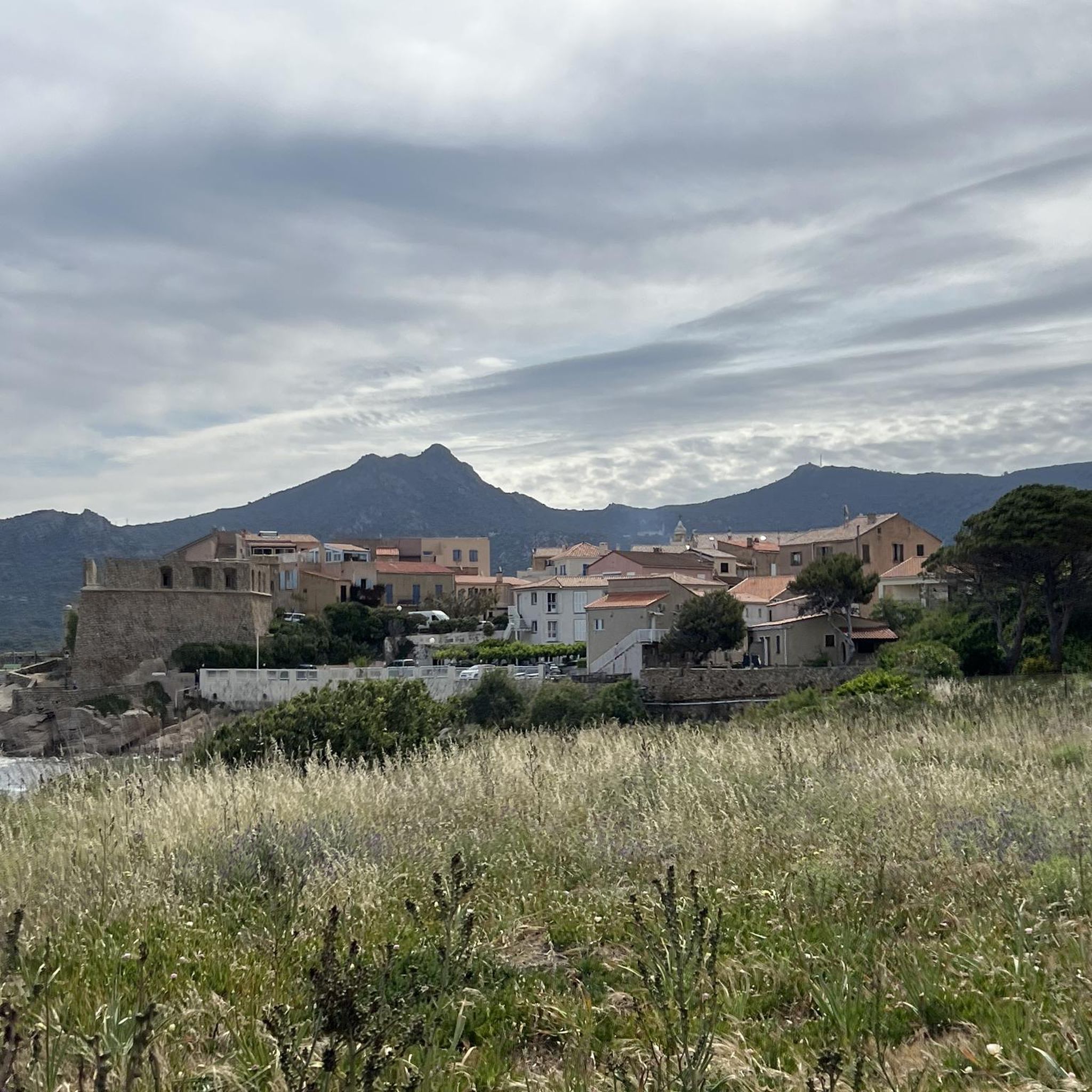
The former fishing village was expanded into a trading port with city fortifications by Pascal Paoli in 1759 during the Corsican Republic in order to have a Corsican port opposite Calvi, which was still Genoese at the time. The late founding of the town is still clearly visible due to the division of the town area into regular street squares. The official language was Italian until 1848.
1
1
The region has been inhabited since the 5th to 3rd millennium BC. Around 1000 BC, the town of Agila existed there, which was dependent on the city of Tyros (Phoenicia). The Romans maintained a base called Rubico Rocega at this location during their rule over Corsica until the 4th century AD. After that, the current urban area was almost uninhabited except for a few fishermen and farmers due to its proximity to the coast and the resulting vulnerability to enemy attacks. It was not until the 16th century that residents of the nearby town of Santa-Reparata-di-Balagna opened the first shops near the coast for trade with neighboring communities by sea.
1
0
L’Île-Rousse got its name from the red porphyry rocks in front of the harbor entrance – the Île de la Pietra. This island is now connected to the island of Corsica by a causeway.
1
0
Frequently Asked Questions
What is the general difficulty level of touring cycling routes around Algajola?
Touring cycling around Algajola offers a varied experience. There are 8 easy routes, 36 moderate routes, and 53 difficult routes. This mix allows for options ranging from coastal flats to more challenging climbs into the hills, catering to different fitness levels.
Are there any family-friendly touring cycling routes in Algajola?
Yes, Algajola offers several easier routes suitable for families. For a pleasant ride connecting coastal Algajola with a nearby village, consider the Village d'Aregno — Algajola loop, which is rated as moderate but offers a manageable distance and elevation.
What kind of terrain can I expect on touring cycling routes in Algajola?
The terrain around Algajola is diverse, characterized by its coastal proximity and inland hills. You'll find a mix of coastal paths, village-to-village connections, and routes with views towards the sea and surrounding mountains. Expect varied elevations, from relatively flat coastal sections to more challenging climbs as you head into the hills.
Are there any circular touring cycling routes available in Algajola?
Yes, many touring cycling routes in Algajola are designed as loops, allowing you to start and finish in the same location. Examples include the popular Village d'Aregno — Algajola loop, or for a more challenging ride, the St. Antoninus – Corbara Village loop from Aregno.
What are some scenic viewpoints or landmarks I can see along the cycling routes?
Many routes offer panoramic views of the sea and mountains. You can also pass by charming villages and historical sites. For example, the St. Antoninus – View of Calvi Bay loop from Aregno offers views of Calvi Bay. Nearby attractions include the village of Sant' Antonino, the Abandoned Village of Occi, and the impressive Calvi Citadel.
What is the best time of year for touring cycling in Algajola?
The best time for touring cycling in Algajola is generally during the spring (April to June) and autumn (September to October). During these periods, the weather is typically mild and pleasant, avoiding the intense heat of summer and the cooler, potentially wetter conditions of winter. This allows for comfortable riding and enjoying the coastal and mountain scenery.
Are there any advanced or challenging touring cycling routes in Algajola?
Yes, Algajola offers 53 difficult touring cycling routes for experienced riders. For a significant challenge with substantial elevation gain and panoramic village and mountain views, consider the Village with mountain views – Speloncato Village loop from Aregno, which covers 37.6 miles (60.5 km) and features over 1400 meters of ascent.
What do other touring cyclists enjoy most about cycling in Algajola?
The touring cycling routes in Algajola are highly rated by the komoot community, with an average score of 4.5 stars from over 600 reviews. Cyclists often praise the diverse scenery, which combines coastal views with charming inland villages and challenging mountain ascents. The variety of routes, from easy coastal rides to difficult mountain loops, is also frequently highlighted.
How long are the touring cycling routes around Algajola?
The routes vary significantly in length. For instance, the Village d'Aregno — Algajola loop is about 13.4 miles (21.5 km) and takes around 1 hour 29 minutes. Longer and more challenging routes, such as the View of La Pietra Island – Beach and sea view loop from Aregno, can be around 24.5 miles (39.5 km) and take over 2 hours 45 minutes to complete.
Are there opportunities for wild swimming near the touring cycling routes?
While specific wild swimming spots directly adjacent to the cycling routes are not detailed, Algajola's coastal location means there are numerous beaches and coves along the coastline that are accessible and popular for swimming. Many routes offer views of the sea, and you can plan stops at coastal towns or beaches for a refreshing dip.
Where can I find parking for touring cycling routes in Algajola?
Parking is generally available in and around Algajola, particularly in the main village areas and near popular starting points for routes. When planning your ride, it's advisable to check for public parking facilities in the specific villages or towns where you intend to begin your tour, such as Algajola itself or Aregno, which serves as a common starting point for many loops.
What should I wear for cycling in Algajola during summer?
During summer, Algajola can be very warm, especially between July and August. It's recommended to wear lightweight, breathable cycling apparel. Essential items include moisture-wicking jerseys, padded shorts, sunglasses, and a well-ventilated helmet. Always carry plenty of water, and consider sun protection like sunscreen and arm sleeves, especially for longer rides.
Most popular attractions around Algajola

Get inspired with the komoot mobile app


Explore more
Browse the best Cycling routes in other regions.
