Attractions and Places To See around Arleux-En-Gohelle - Top 20
Best attractions and places to see around Arleux-En-Gohelle include historical landmarks and natural features. Situated in the Pays d'Artois within the Sensée Valley, the area is characterized by canals, marshes, and groves. The village offers insights into its history, including post-WWI reconstruction, and features ancient megalithic sites. Visitors can explore a blend of cultural heritage and natural landscapes.
Best attractions and places to see around Arleux-En-Gohelle
- The most popular attractions is Canadian National Vimy Memorial, a man_made_monument commemorating Canadian…
Last updated: May 9, 2026
Canadian National Vimy Memorial
Highlight • Monument
Translated by Google •
Tip by

The ruined church of Ablain-Saint-Nazaire
Highlight • Historical Site
Translated by Google •
Tip by
Sign up now to discover places like this
Get recommendations on the best single tracks, peaks, & plenty of other exciting outdoor places.
Sign up for free
Towards the Canadian trenches of Vimy
Highlight • Monument
Translated by Google •
Tip by
Canadian Memorial
Highlight • Other
Translated by Google •
Tip by

Scarpe riverbanks
Highlight • Other
Translated by Google •
Tip by
Sign up for free to discover even more attractions around Arleux-En-Gohelle.
Sign up for free
Already have an account?
Start today with a free account
Your next adventure awaits.
Login or Signup


Tips from the Community

The ruins of the old church of Ablain-Saint-Nazaire are an impressive and symbolic remnant of the First World War. Built in the 16th century in flamboyant Gothic style by Jacques Le Caron, this church was badly damaged during the fighting in 1915. The ruins have been preserved as a monument to commemorate the horrors of war.
7
0
A remarkable story about the Canadian trenches concerns the preparations for the attack on Vimy Ridge in April 1917. The Canadian divisions used an underground quarry and created additional corridors towards the front. These tunnels and trenches played a crucial role in the success of the attack, with the Canadians managing to retake the strategically important ridge in just three days.
7
0
A remarkable story about the Vimy Memorial concerns its unveiling in 1936. More than 50,000 people, including 6,200 Canadians, attended the ceremony. The presence of so many veterans and survivors underscored the profound impact of the war and the enduring bond between Canada and France. The memorial has since become a symbol of Canadian courage and sacrifice.
6
0
The Mémorial national du Canada à Vimy is an impressive war memorial, commemorating the members of the Canadian Expeditionary Force who died during the First World War. The memorial, designed by Walter Seymour Allward, was unveiled on 26 July 1936 by King Edward VIII. It commemorates the 11,169 Canadian soldiers who died in France and have no known grave.
7
0
A remarkable story about the ruins concerns the decision not to rebuild the church after the war. Although the church had been classified as a historical monument in 1908, the Commission for Historical Monuments decided that the ruins should remain as a testimony to the German destruction. Ironically, it was the French guns that had destroyed the church, but the ruins became a symbol of the war and the reconstruction.
6
0

The Vimy Memorial is the most prestigious Canadian monument in Europe. It is located on the very site of the 1917 fighting near Vimy in the Pas-de-Calais region of France. Erected on the highest point of the hill, Hill 145, the objective of the operations that began on April 9, 1917, it overlooks the Douai Plain. In 1921, architect and sculptor Walter S. Allward (1875-1955) won the competition from the Canadian Battlefield Memorials Commission. The significance of the battles at the site and the favorable location at the top of the hill allowed Vimy to receive the most prestigious work.
1
0

I went there late one evening, a calm that does you good, a great panorama night and day
0
0

beautiful journey, beautiful scenery
0
0
Frequently Asked Questions
What historical sites related to the World Wars can I visit near Arleux-En-Gohelle?
The region around Arleux-En-Gohelle is rich in World War history. You can visit the poignant Canadian National Vimy Memorial, which commemorates Canadian soldiers who died in France during WWI. Another significant site is The ruined church of Ablain-Saint-Nazaire, a 16th-century Gothic ruin preserved as a monument to the conflict. You can also explore Towards the Canadian trenches of Vimy, which offers a glimpse into the preserved trenches and tunnels crucial to the 1917 Battle of Vimy Ridge. Within Arleux-En-Gohelle itself, the Orchard Dump Cemetery and the Monument aux Morts serve as solemn reminders of the area's past.
Are there any significant religious sites in Arleux-En-Gohelle?
Yes, Arleux-En-Gohelle is home to several notable religious sites. The Église Saint-Martin, rebuilt after World War I, features contemporary stained-glass windows. Another deeply revered site is the Chapelle Notre-Dame de Tongre, a Neo-Byzantine style chapel known for its mosaic Christ head and a statue of Our Lady of Lourdes. This chapel, originally built in 1909 and reconstructed in 1922, holds a long history of devotion in the village.
Where can I find ancient megalithic sites in the Arleux-En-Gohelle region?
The region surrounding Arleux-En-Gohelle boasts several ancient megalithic sites, offering traces of human occupation dating back over 100,000 years. These include Les Bonnettes, a site with stone pillars associated with local legends. You can also visit the Menhir of Lécluse, known as the 'Devil's Stone,' which is classified as a historical monument and is considered the tallest menhir in the region. Another intriguing site is 'The stone that grows,' a historical and natural monument steeped in local history. Additionally, the Dolmen d'Hamel, a large sandstone table, can be found in a small wood overlooking the marsh.
What natural features can I explore around Arleux-En-Gohelle?
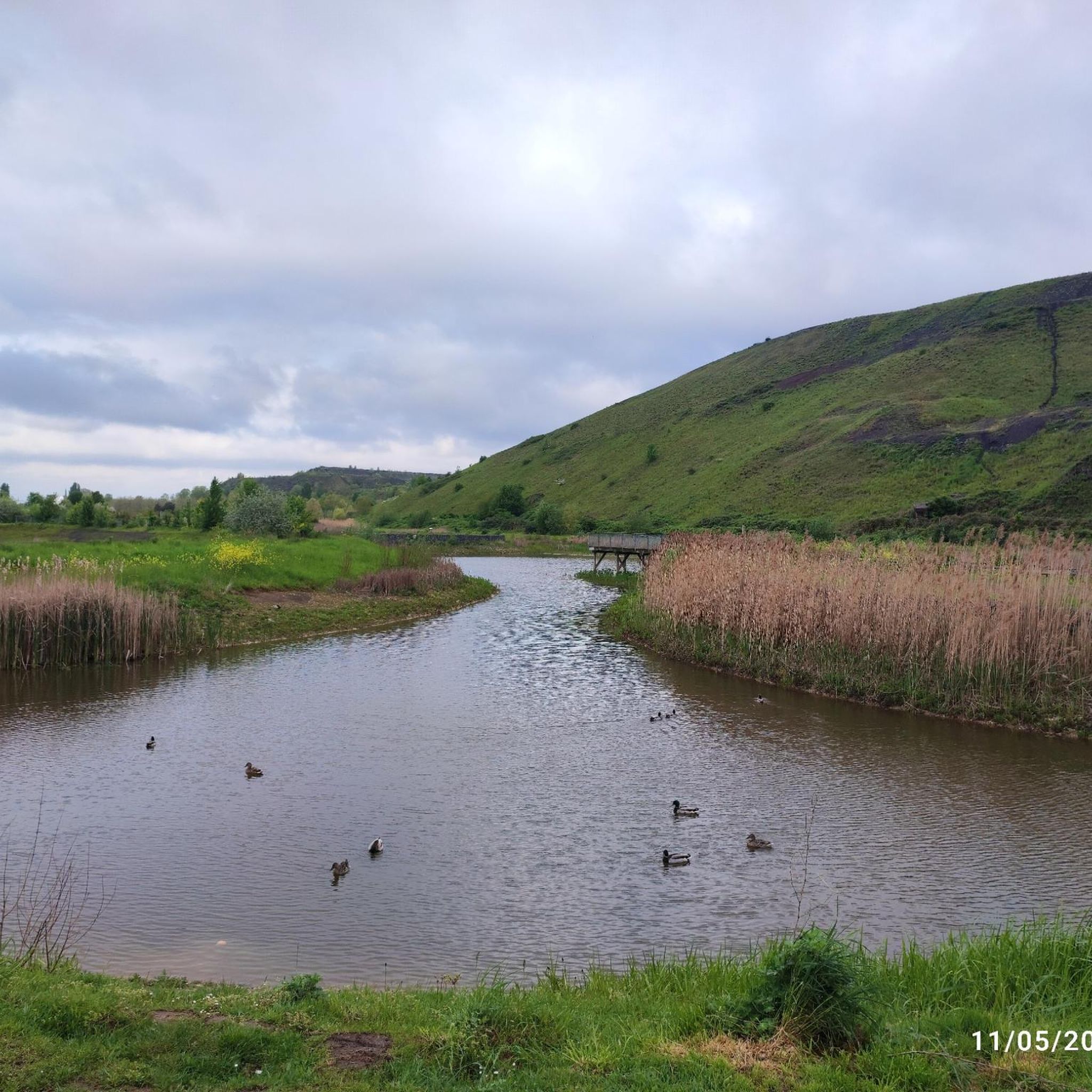
Arleux-En-Gohelle is nestled in the heart of the Sensée Valley, an area characterized by canals, extensive marshes, and groves, offering a peaceful haven for nature lovers with rich biodiversity. You can also enjoy the Scarpe riverbanks, which offer a pleasant greenway for walking and cycling, connecting rural and urban areas along the water's edge.
Are there family-friendly activities or attractions in the area?
Yes, several attractions around Arleux-En-Gohelle are considered family-friendly. Historical sites like the Canadian National Vimy Memorial, The ruined church of Ablain-Saint-Nazaire, and Towards the Canadian trenches of Vimy are all categorized as suitable for families, offering educational and reflective experiences. Additionally, the greenways along the Sensée Valley and Scarpe riverbanks provide opportunities for family walks and bike rides in nature.
What outdoor activities can I do near these attractions?
The area around Arleux-En-Gohelle offers various outdoor activities, particularly cycling and running. You can explore numerous routes, such as the 'Greenway – Canadian Trail loop' for cycling or 'Running loop from Arleux-en-Gohelle' for jogging. These activities allow you to enjoy the natural landscapes and historical sites. For more detailed information on routes, you can check the Cycling around Arleux-En-Gohelle guide or the Running Trails around Arleux-En-Gohelle guide.
Are there dedicated cycling routes or greenways in Arleux-En-Gohelle?
Yes, Arleux-En-Gohelle and its surroundings feature 'Voies Vertes' (Greenways) that are perfect for cycling. The local tourism office has designed curated biking journeys through the natural landscapes. One notable route is along the Scarpe riverbanks, which offers a peaceful and leafy greenway suitable for all types of bicycles. You can find more cycling options in the Cycling around Arleux-En-Gohelle guide.
What do visitors enjoy most about the attractions around Arleux-En-Gohelle?
Visitors particularly appreciate the profound historical significance and the serene natural beauty of the area. Many find the war memorials, such as the Canadian National Vimy Memorial and the preserved Canadian trenches of Vimy, to be deeply moving and thought-provoking. The peaceful greenways along the Scarpe riverbanks are also highly valued for their tranquility and scenic views, offering a pleasant escape into nature.
Is there any local specialty food or produce in Arleux-En-Gohelle?
Yes, Arleux-En-Gohelle is particularly known for its traditional peat-smoked garlic. This unique local specialty is a culinary highlight of the village, reflecting its agricultural heritage.
What is the best time to visit Arleux-En-Gohelle for outdoor activities?
While specific seasonal recommendations are not detailed, the presence of greenways and various cycling and running routes suggests that spring, summer, and early autumn would be ideal for outdoor activities. During these seasons, the weather is generally favorable for exploring the natural features like the Sensée Valley and the Scarpe riverbanks, as well as visiting the historical sites.
Are there any hidden gems or less crowded spots to discover?
Beyond the well-known war memorials, the megalithic sites like Les Bonnettes, the Menhir of Lécluse, and the Dolmen d'Hamel offer a unique and often less crowded glimpse into the region's ancient past. Exploring the quieter sections of the Sensée Valley or the various greenways can also lead to peaceful discoveries away from the main tourist paths.
Can I find routes suitable for running near Arleux-En-Gohelle?
Absolutely. There are several running trails available, catering to different distances and difficulties. Examples include the 'Running loop from Bailleul-Sir-Berthoult' and the 'Running loop from Arleux-en-Gohelle,' both offering moderate difficulty. These routes allow you to enjoy the local scenery while getting exercise. For a comprehensive list, refer to the Running Trails around Arleux-En-Gohelle guide.
Most popular routes around Arleux-En-Gohelle
Most popular attractions around Arleux-En-Gohelle

Get inspired with the komoot mobile app


Explore more
Still not found the Highlight you’re looking for? See guides of the top attractions in other regions:
