The best walks and hikes around Avion
4.6
(660)
3,020
hikers
18
hikes
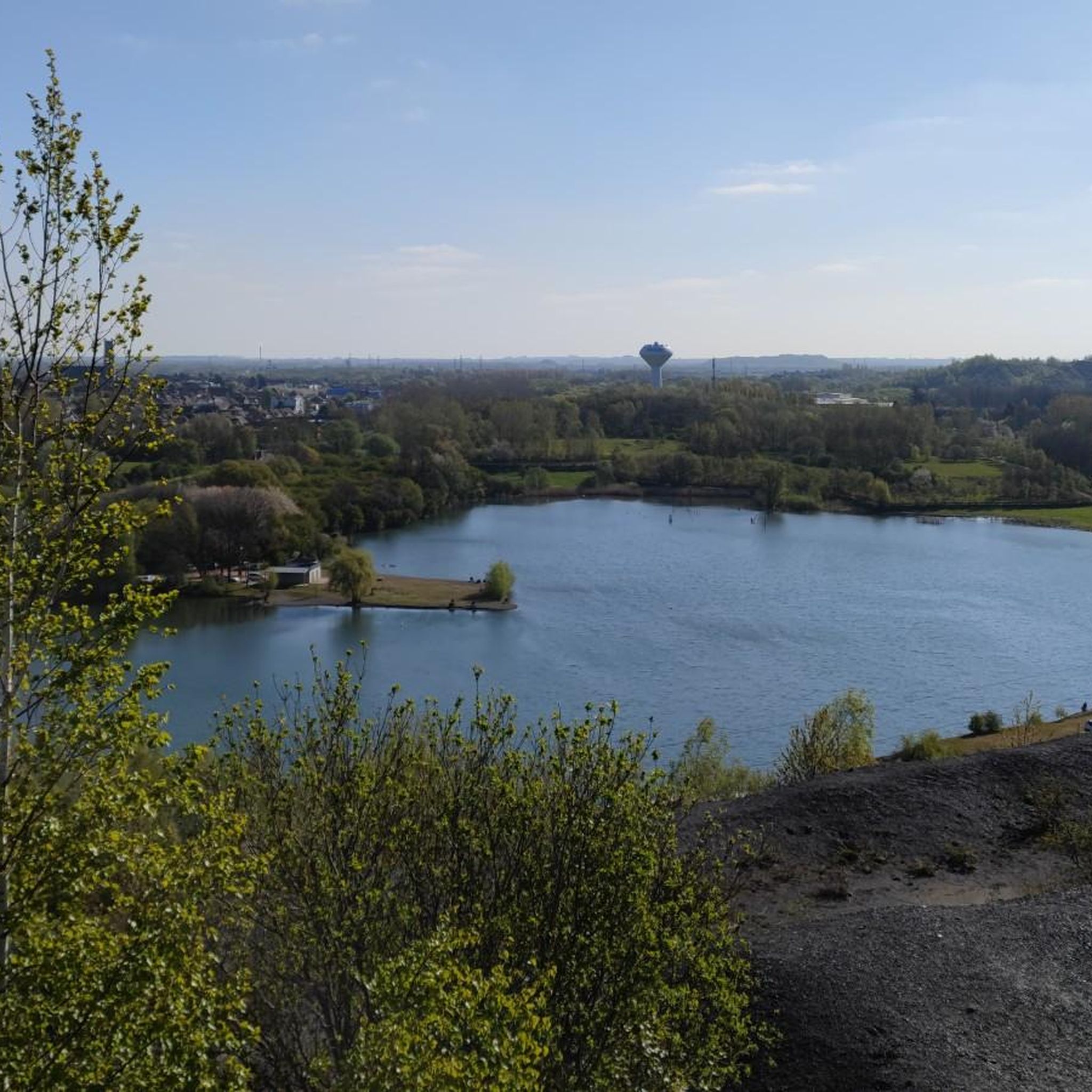
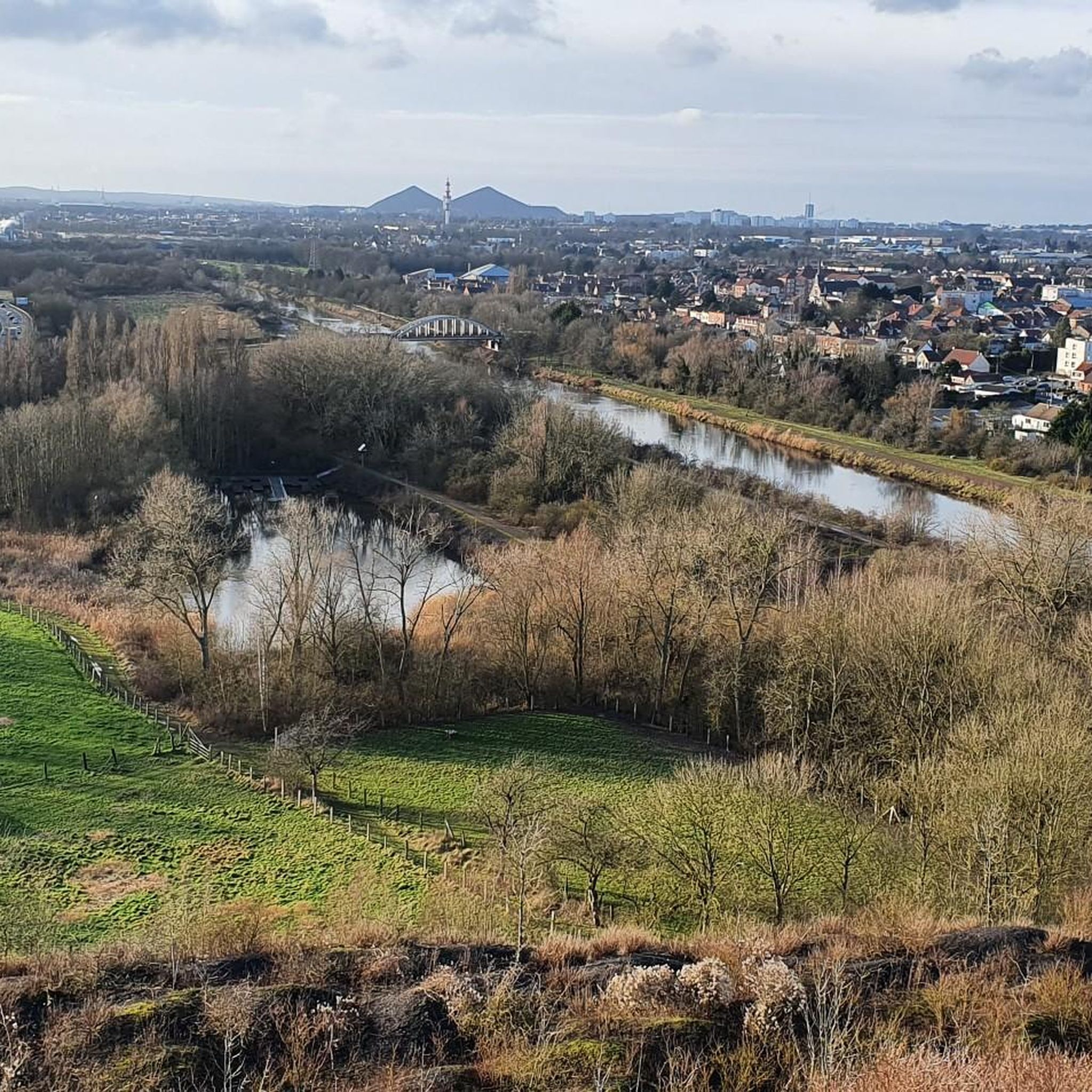
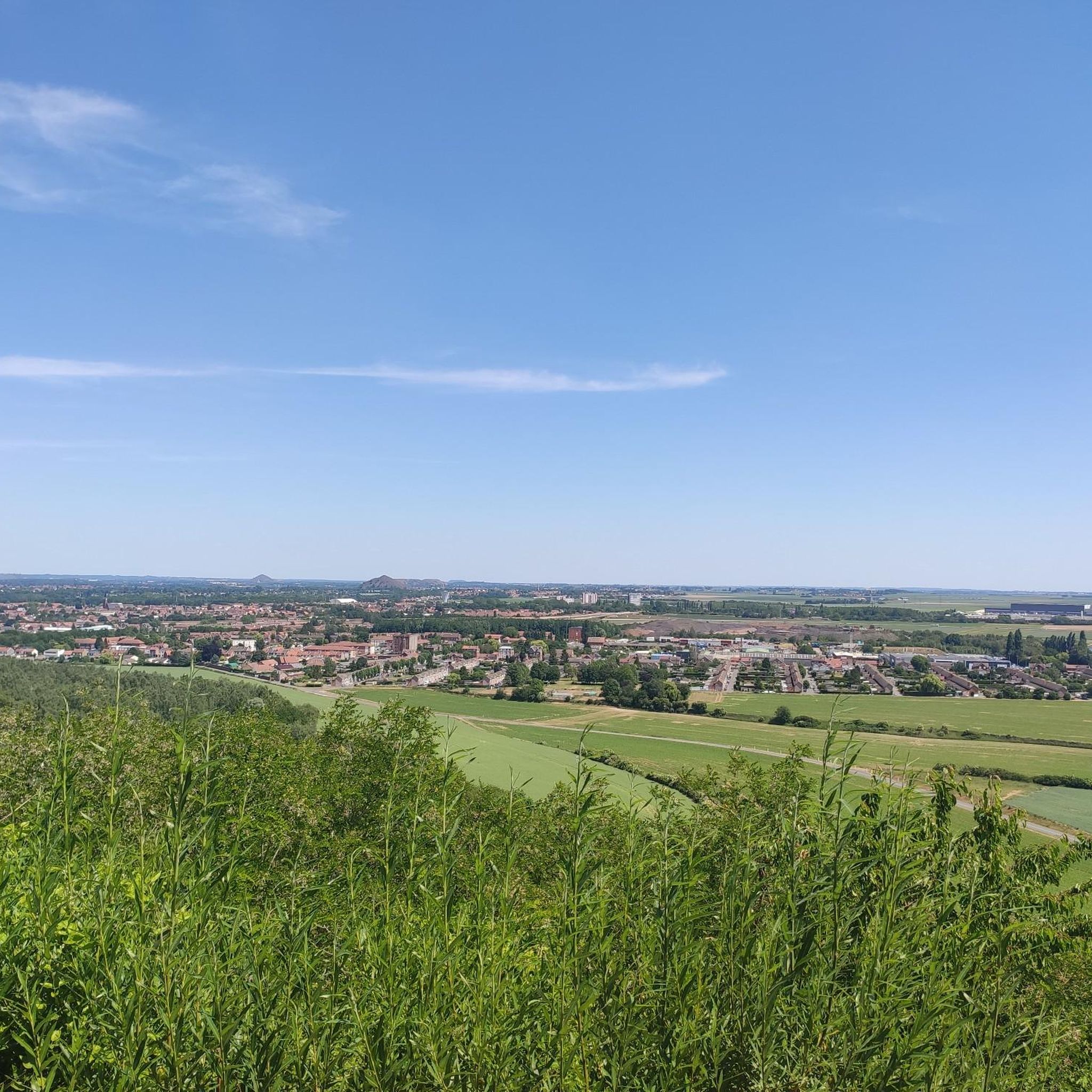
Hiking around Avion offers routes through a landscape shaped by its industrial past, now featuring re-naturalized mining heaps and green spaces. The region provides varied terrain, from gentle paths around lakes to more challenging loops through former mining areas. Hikers can explore a network of trails that connect local landmarks and natural features.
Best hiking trails around Avion
- The most popular hiking route is Terril de Pinchonvalles loop from Avion, a 4.2 miles (6.7 km) trail that takes 1…
Last updated: October 12, 2026
4.7
(22)
138
hikers
6.68km
01:51
90m
90m
Moderate hike. Great for any fitness level. Mostly accessible paths. Sure-footedness required.
4.5
(12)
62
hikers
20.9km
05:32
210m
210m
Hard hike. Very good fitness required. Easily-accessible paths. Suitable for all skill levels.

4.6
(16)
109
hikers
5.24km
01:20
20m
20m
Easy hike. Great for any fitness level. Easily-accessible paths. Suitable for all skill levels.
5.0
(5)
45
hikers
13.6km
03:39
130m
130m
Moderate hike. Good fitness required. Mostly accessible paths. Sure-footedness required.
4.2
(10)
39
hikers
7.81km
02:02
50m
50m
Moderate hike. Good fitness required. Easily-accessible paths. Suitable for all skill levels.
Get access to more routes and recommendations from other explorers.
Already have an account?
Our route recommendations are based on thousands of hikes, rides, and runs completed by other people on komoot.
Start today with a free account
Your next adventure awaits.


Tips from the Community

Superb site to honor all the victims of history.
0
0
A part of the Vimy Ridge site that must absolutely be visited in its entirety.
0
0
One of the two splendid memorials of Arras.
0
0
A memorial that should not be missed
0
0

very good walk with shade and sun...
0
0

Before the Canadians captured Vimy Ridge from the Germans in April 1917, other soldiers had already set foot there but were unable to hold their ground due to a lack of reinforcements and sufficient artillery support. These "forerunners" were the Moroccan Zouaves and riflemen, wearing red chechias and baggy trousers, accompanied in the Moroccan Division by Foreign Legion volunteers from 52 countries. To the men of the Moroccan Division who set out to assault Vimy Ridge On the morning of May 9, 1915, they broke through the German lines, crossed Folie Wood, and reached Vimy Ridge. To track their advance and adjust artillery fire, squares of white cloth were sewn to their backs, making them prime targets for the Germans on their flank. Furthermore, the artillery was running low on ammunition, and reinforcements were not forthcoming: the order to withdraw came in the evening. The Moroccan soldiers were forced to abandon the conquered ground at the cost of heavy losses. The riflemen of the Moroccan Division were among the approximately 820,000 men mobilized in French colonies or protectorates during the First World War, including 636,000 sent to France as soldiers or laborers. Of the 449,000 engaged in combat, the majority came from Algeria (150,000), and the rest from sub-Saharan Africa (135,000), Indochina (43,000), Tunisia (39,000), and Morocco (34,000). 70,000 of them would perish on French soil. Plaques affixed to the monument pay tribute to other French army fighters from Greece, Sudan and Czechoslovakia.
0
0
Located right next to the monument, the historical interpretation center presents the Battle of Vimy Ridge in two ways. First, you can discover an exhibition with diagrams, photographs, maps, and some exhibits. You'll learn about the historical context from a political and military perspective, with numerous images showing the lunar landscapes of the trench line and No Man's Land. Books about the Battle of Vimy Ridge are also available for purchase at the reception desk. Next, a superb Sound & Light show, using period videos, recounts the preparation for the offensive, the fighting, the advance of the troops, and the lives of soldiers during the battle. A video table and televisions allow you to relive these moments. Commentary is available in French, English, and German.
0
0

Frequently Asked Questions
How many hiking trails are available around Avion?
There are over 15 hiking routes around Avion listed on komoot, offering a variety of experiences from easy strolls to more challenging long-distance trails.
What kind of landscapes can I expect to see while hiking in Avion?
Hiking in Avion is characterized by its unique blend of re-naturalized mining heaps, expansive greenways, and serene local lakes. You'll find routes that traverse former industrial areas transformed into natural spaces, offering distinct views and a sense of the region's history.
Are there any easy hiking routes suitable for beginners or a relaxed walk?
Yes, Avion offers several easy routes. For a relaxed walk around a lake, consider the Lake – Picnic tables loop from Lens, which is a flat 3.2-mile (5.1 km) path. There are 4 easy routes in total, perfect for a gentle outing.
Can I find challenging hikes in the Avion area?
Absolutely. For those seeking a more demanding experience, Avion has 3 difficult routes. A notable option is the Canadian Memorial – Canadian Memorial loop from Avion, a 13.0-mile (20.9 km) trail that takes about 5 hours 32 minutes to complete, leading through historical sites and open countryside.
Are there circular hiking routes available in Avion?
Many of the trails around Avion are circular, allowing you to start and end at the same point. For example, the popular Terril de Pinchonvalles loop from Avion is a 4.2-mile (6.7 km) route that ascends a notable mining heap, offering a complete loop experience.
What historical sites or landmarks can I visit while hiking in Avion?
The region is rich in history, particularly related to World War I. You can visit significant landmarks such as the Canadian National Vimy Memorial, the Notre-Dame-de-Lorette National Cemetery, and the ruined church of Ablain-Saint-Nazaire. Some trails, like the Canadian Memorial loop, directly incorporate these sites.
What do other hikers say about the trails in Avion?
The hiking routes in Avion are highly rated by the komoot community, with an average score of 4.6 stars from around 600 reviews. Hikers often praise the unique landscape of re-naturalized mining heaps and the well-maintained greenways.
Are there any hikes that feature the mining heaps prominently?
Yes, the re-naturalized mining heaps are a defining feature of the region. The Terril de Pinchonvalles loop from Avion is a great example, taking you up one of these notable heaps. Another option is the Terril 81 – Mining Basin Greenway loop from Avion, which explores a mining basin greenway.
Can I find hikes that are suitable for families with children?
Many of the easier and moderate routes are suitable for families. The Lake – Picnic tables loop from Lens, with its flat terrain around a lake, is particularly well-suited for a relaxed family outing.
What is the typical duration for hikes around Avion?
Hike durations vary significantly. Easy routes like the Lake – Picnic tables loop can be completed in about 1 hour 18 minutes, while more challenging and longer trails, such as the Canadian Memorial loop, can take over 5 hours. There are options for short walks and longer day hikes.
Are there any specific trails that offer a good overview of the region's unique character?
For a comprehensive experience of Avion's unique character, consider routes that combine both the re-naturalized mining heaps and greenways. The Terril 81 – Mining Basin Greenway loop from Avion is an excellent choice, showcasing the transformation of the industrial landscape into scenic hiking paths.
Is it possible to hike with dogs on the trails in Avion?
While specific regulations can vary, many of the open green spaces and re-naturalized areas around Avion are generally dog-friendly. It's always recommended to keep dogs on a leash and clean up after them to ensure a pleasant experience for all hikers.
Most popular attractions around Avion

Get inspired with the komoot mobile app


Explore more
Browse the best Hikes in other regions.
