Top 15 Castles around Lichtenberg
Best castles around Lichtenberg are found across varied landscapes, including the Palatinate, Southern Hesse, and Lower Saxony. This region features historical fortifications ranging from extensive medieval ruins to Renaissance castles. These sites offer insights into centuries of regional history and architectural evolution. Visitors can explore various castle types, many of which provide panoramic views of the surrounding areas.
Best castles around Lichtenberg
- The most popular castles is Wasenbourg Castle, a historical site that stands as a ruin with outer…
Last updated: June 23, 2026
Wasenbourg Castle
Highlight • Historical Site
Information about the castle:
burgenwelt.org/frankreich/wasen/object.php
Translated by Google •
Tip by

Falkenstein Castle ruins
Highlight • Castle
Short path through the forest with a slight increase from the trail parking lot.
Excellent all-round view.
Translated by Google •
Tip by

Sign up now to discover places like this
Get recommendations on the best single tracks, peaks, & plenty of other exciting outdoor places.
Sign up for free
Ramstein Castle
Highlight • Castle
Translated by Google •
Tip by
Waldeck Castle
Highlight • Castle
Translated by Google •
Tip by

Lichtenberg Castle
Highlight • Castle
Translated by Google •
Tip by

Sign up for free to discover even more castles around Lichtenberg.
Sign up for free
Already have an account?
Start today with a free account
Your next adventure awaits.
Login or Signup
Popular around Lichtenberg
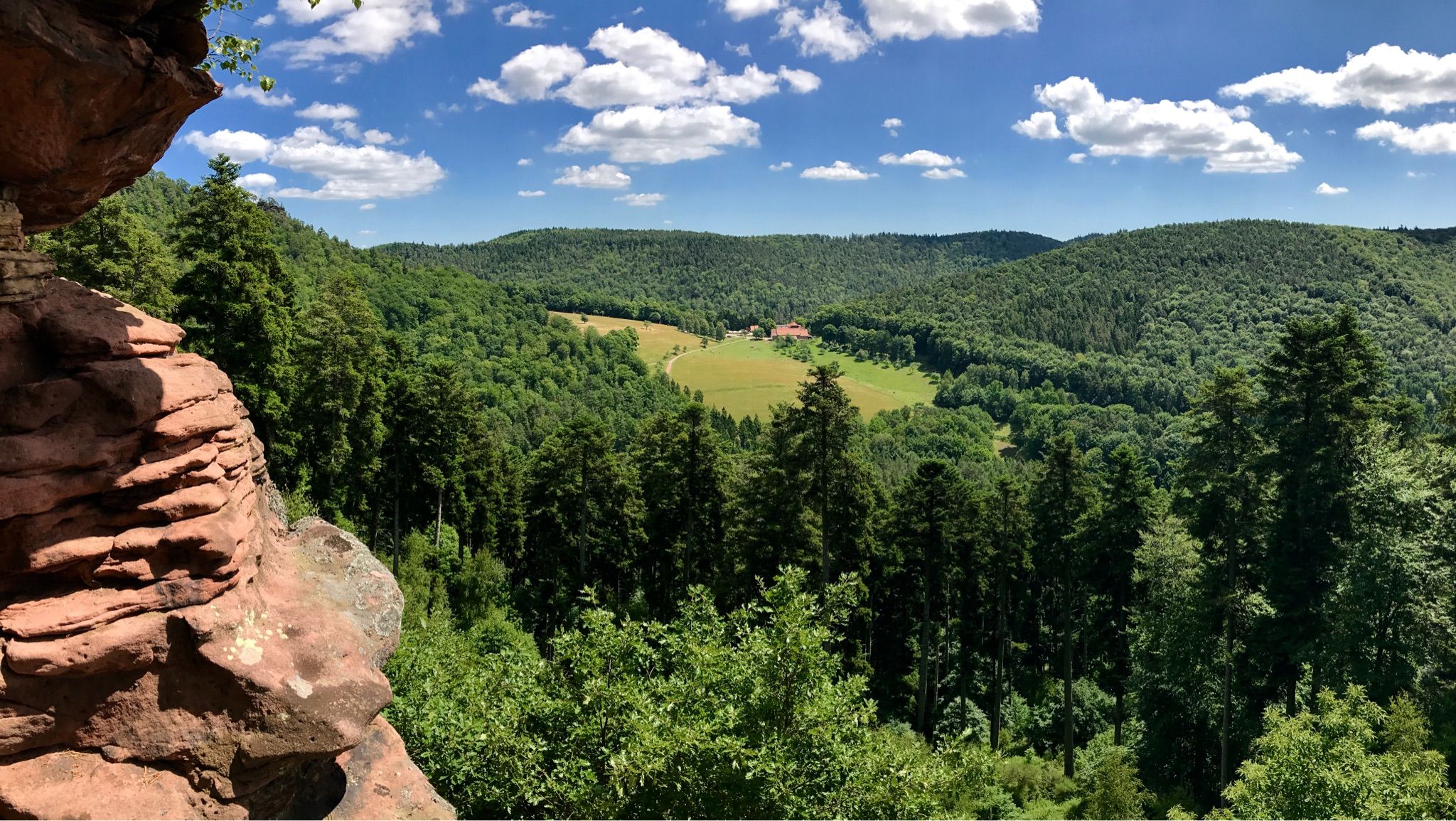
Hike the GR 53 – Explore castles along the Franco-German border
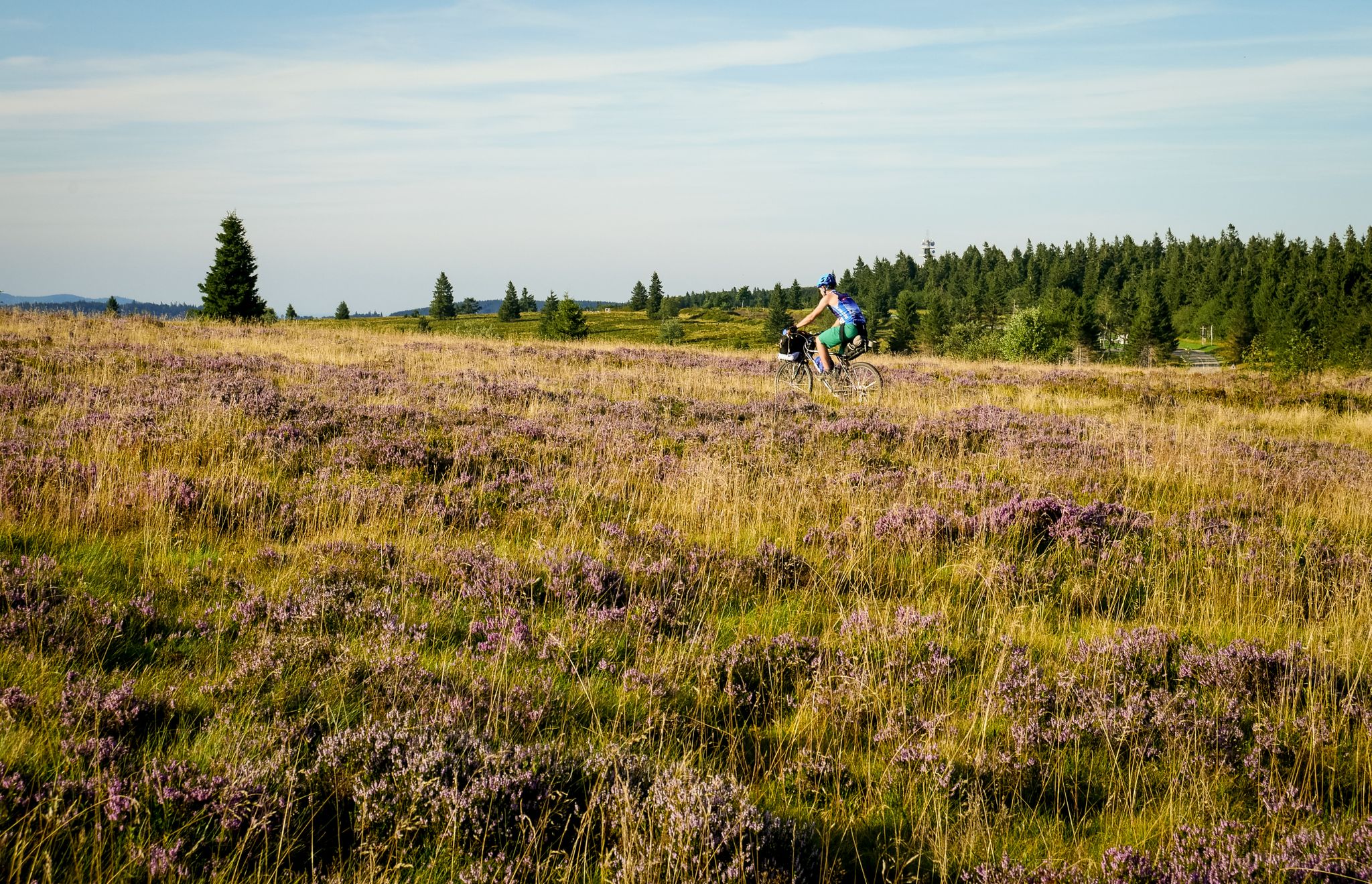
Traversée du Massif Vosgien — Alsace bikepacking
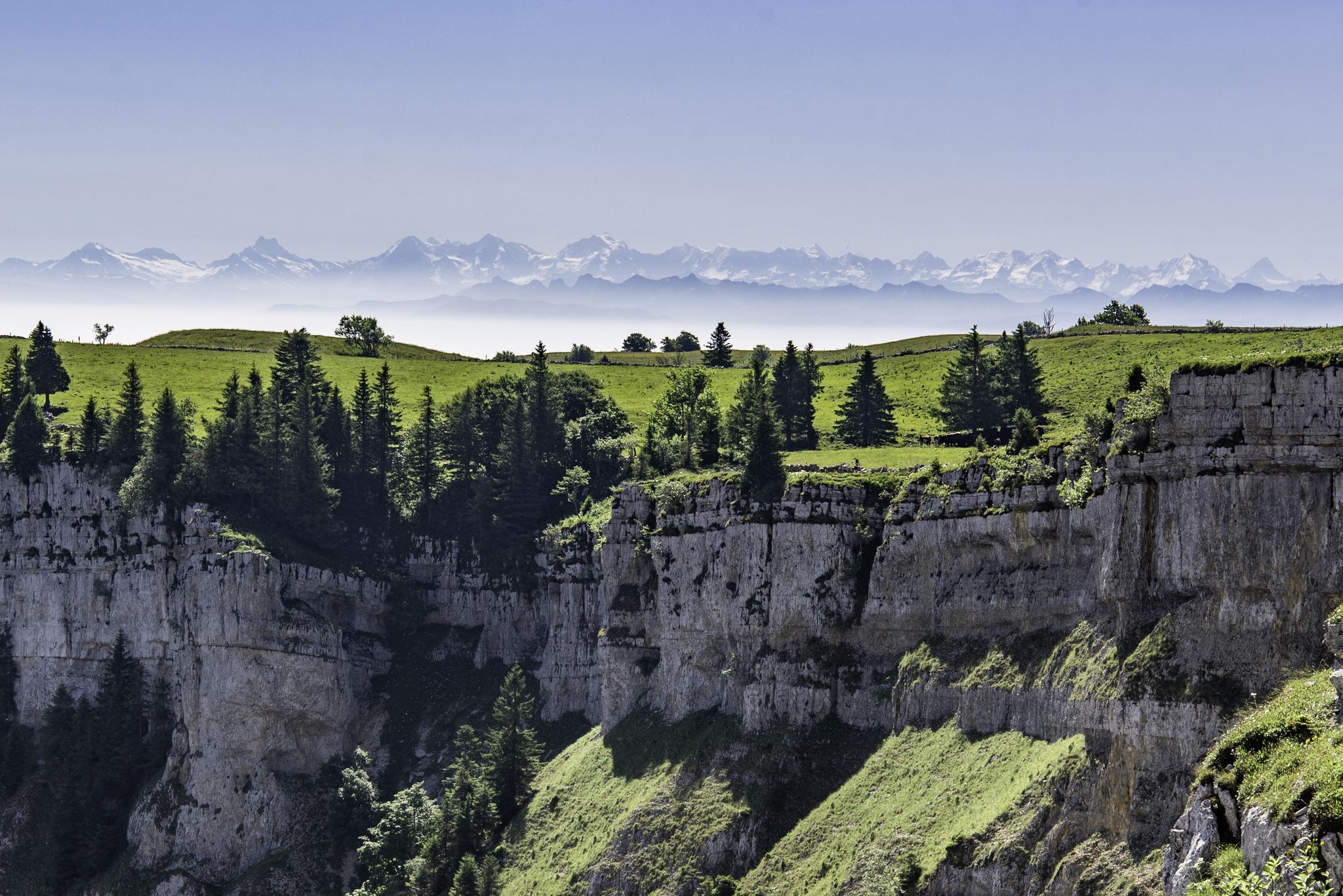
From the Vosges to the Jura mountains – Hexatrek, le Grand Est
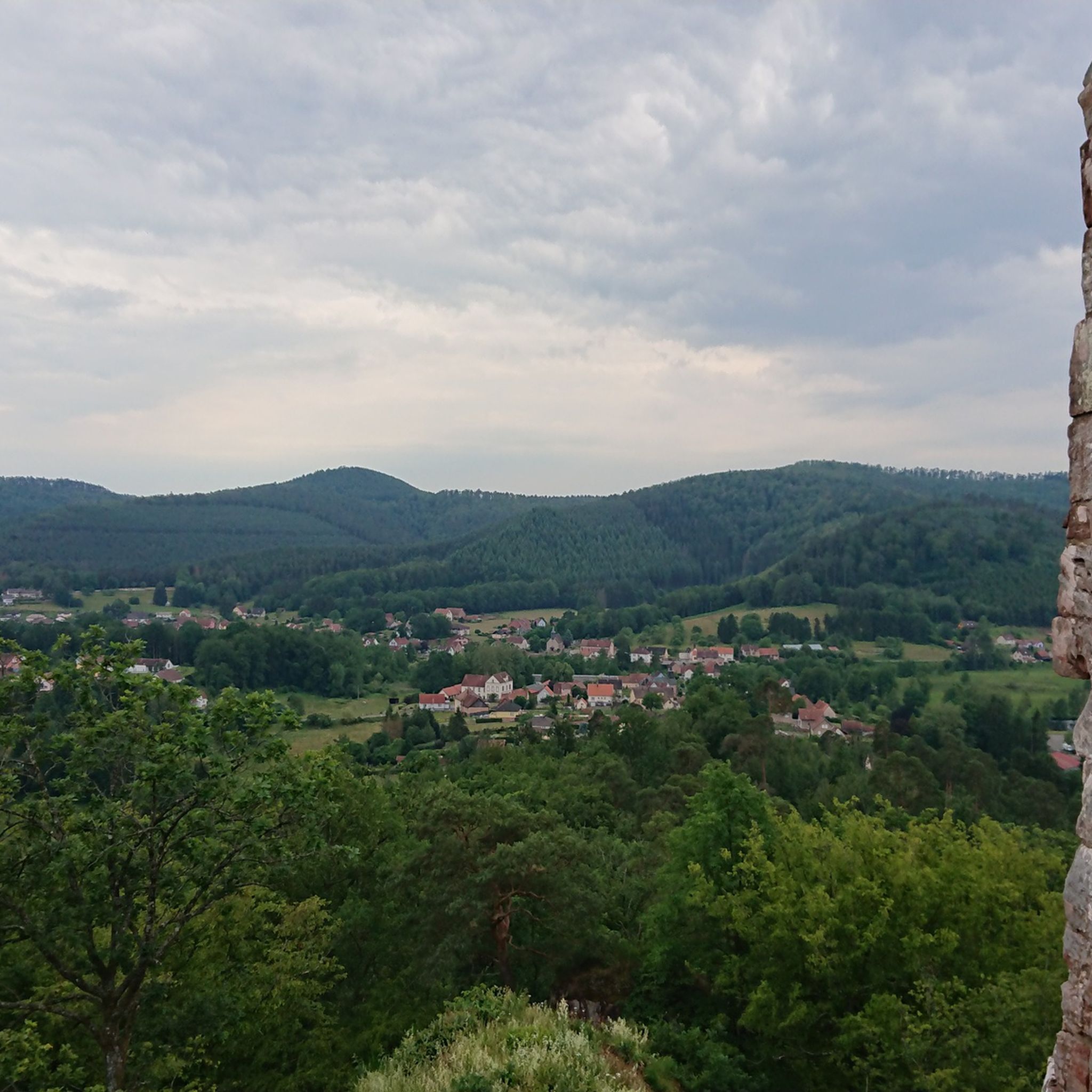
Hiking around Lichtenberg
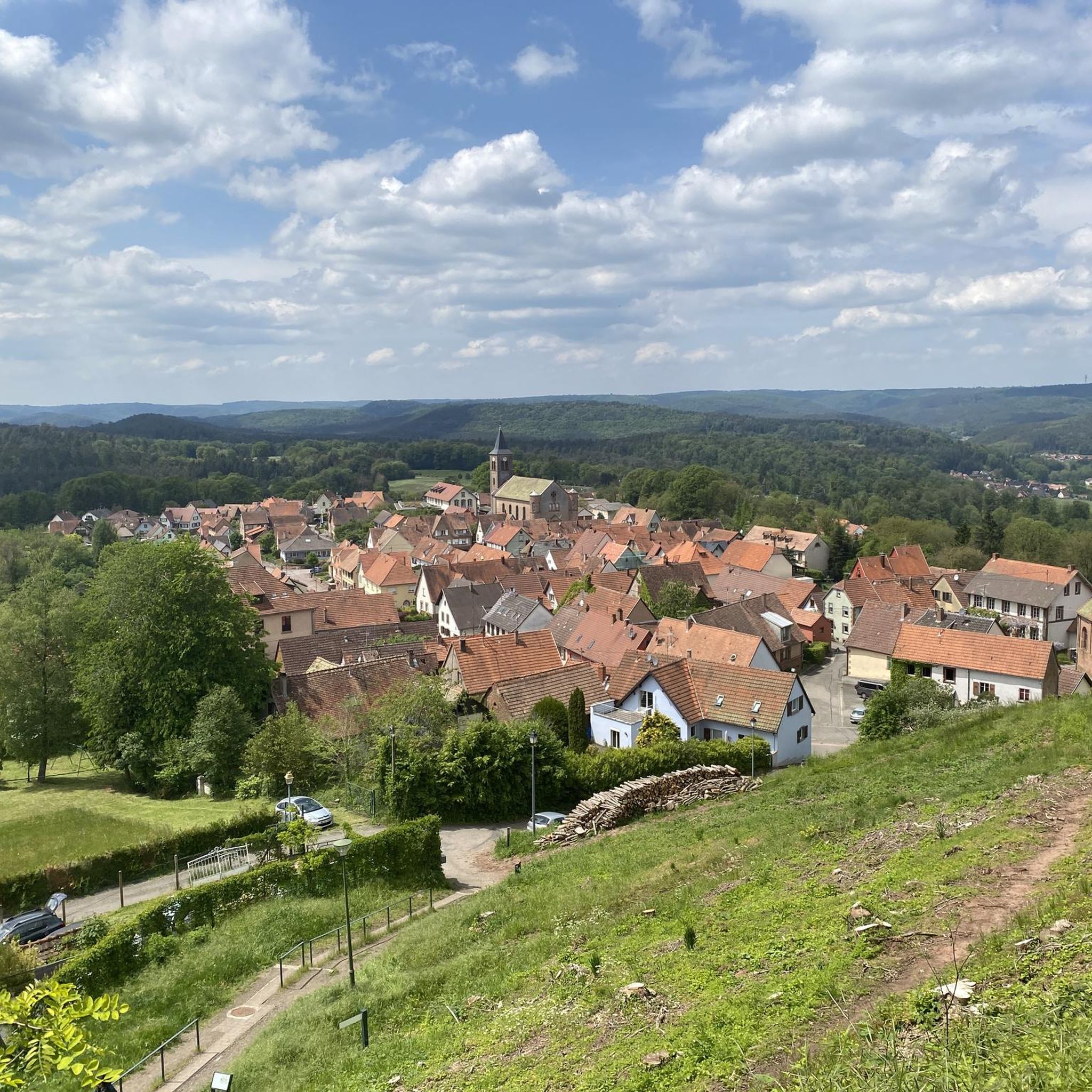
Cycling around Lichtenberg
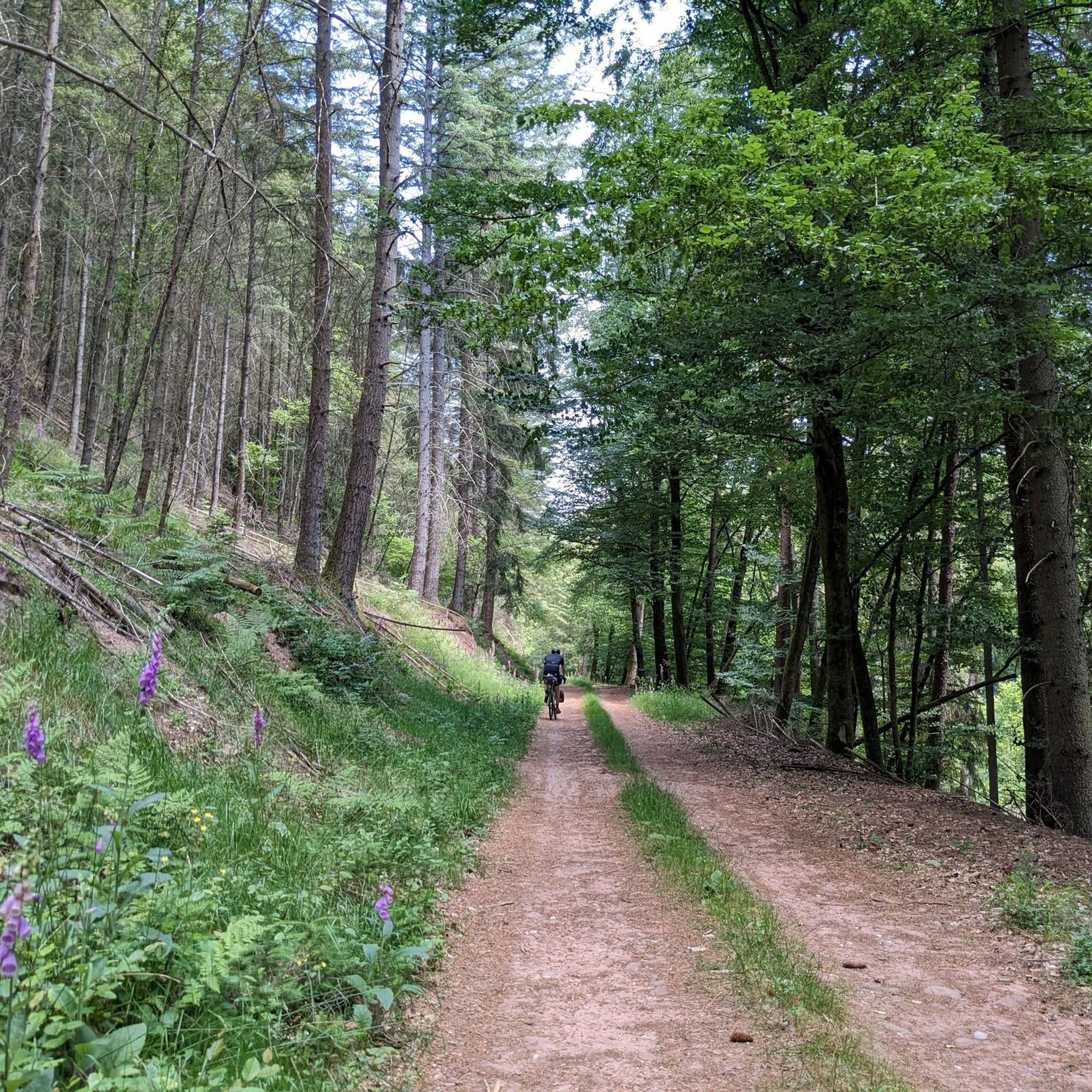
Running Trails around Lichtenberg
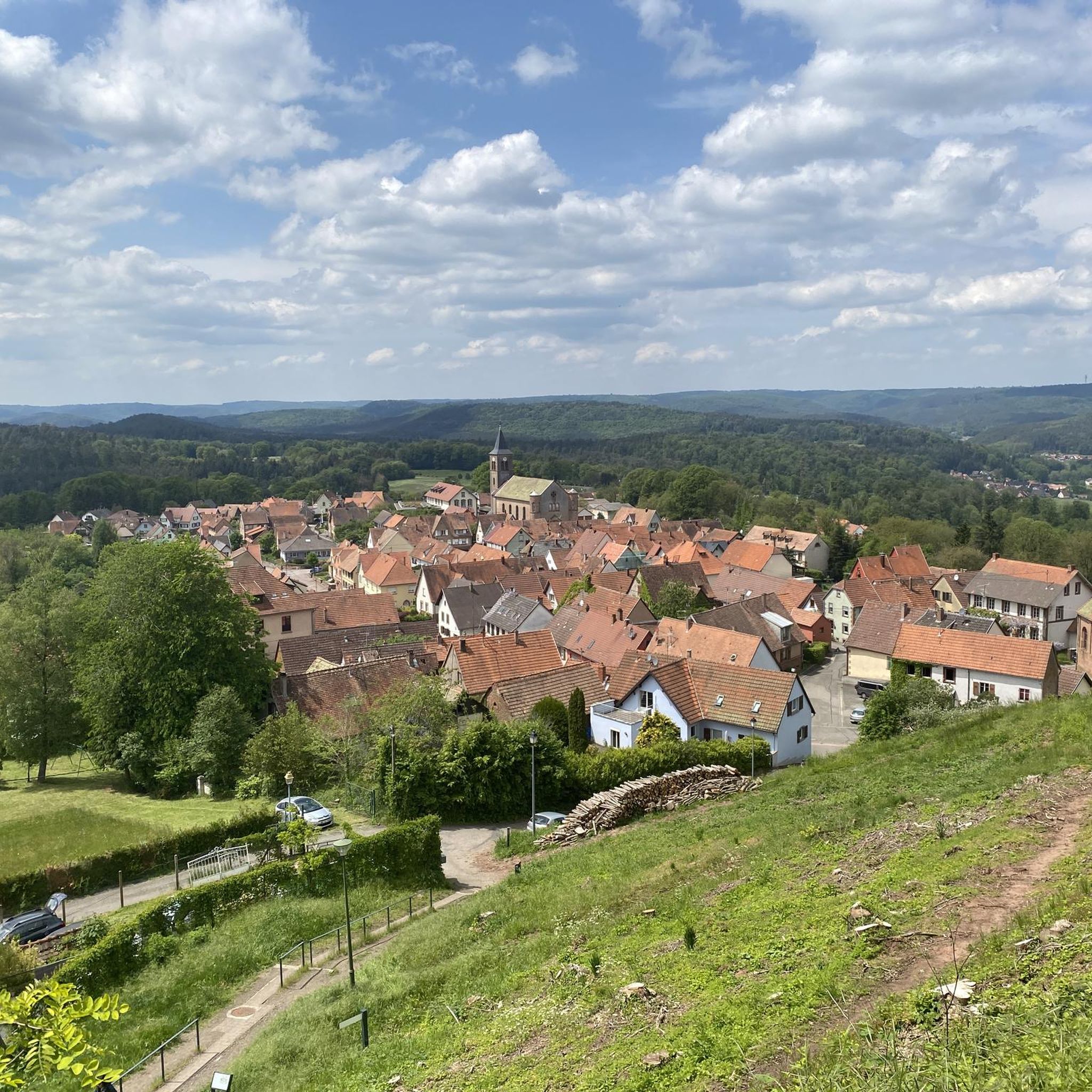
Road Cycling Routes around Lichtenberg
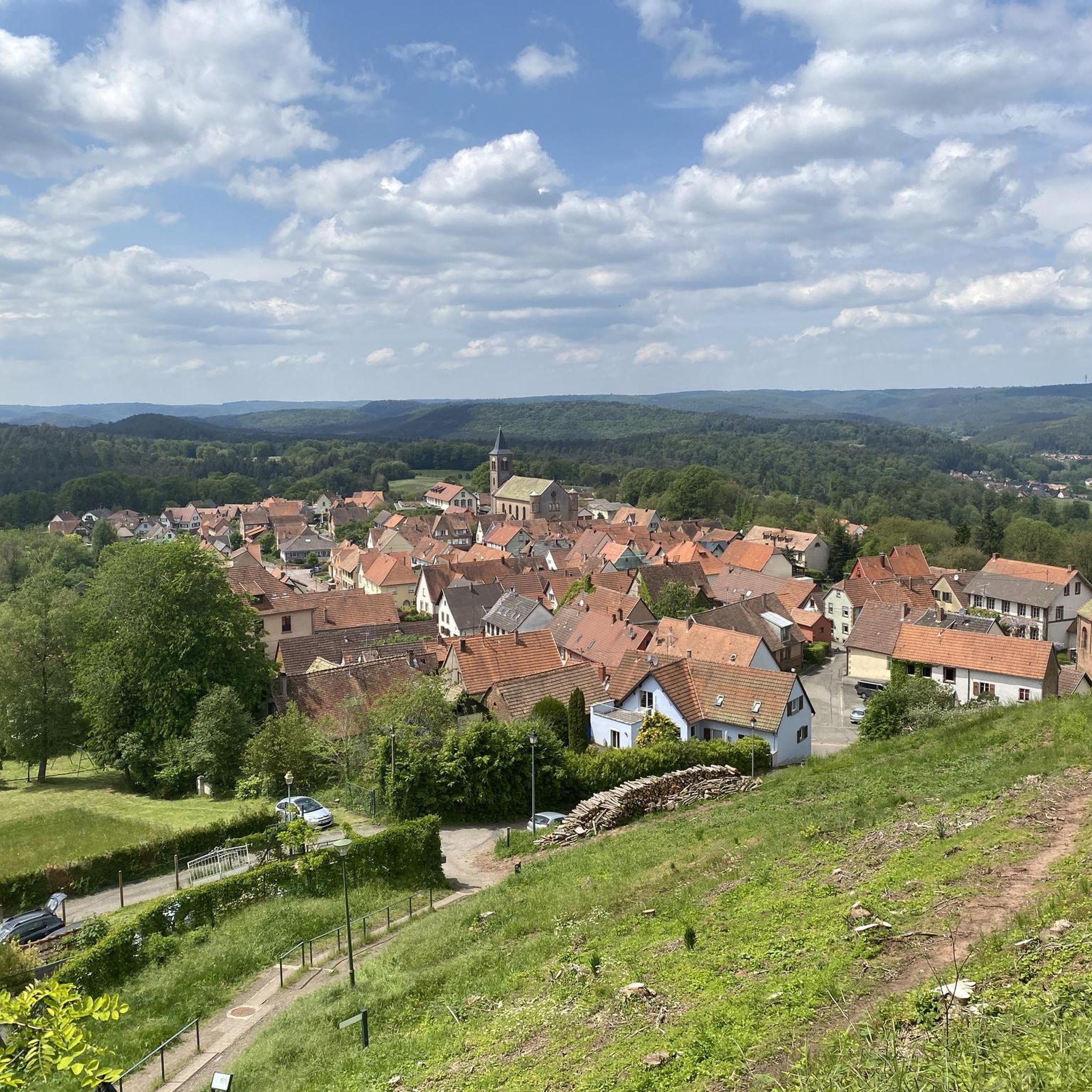
MTB Trails around Lichtenberg

Gravel biking around Lichtenberg
Other adventures around Lichtenberg


Tips from the Community

The Wasenburg was built in 1280 by Konrad von Lichtenberg on a castle site dating back to the 8th century. The castle was damaged in the Peasants' War and was almost destroyed by French troops in 1677. The huge nine-part magnificent window with seven rosettes is remarkable - a work of art that the stonemasons carved out of a single piece of sandstone. It is probably the most beautiful castle window of all Alsatian castles. The mighty shield wall, a bay window and the fireplace in the palace are also well preserved. A memorial plaque commemorates Goethe's visit in 1770, who came up here because of the magnificent window and the excellent view from the spa town of Niederbronn-les-Bains.
2
1

In this region (Northern Vosges) there are a number of interesting castle ruins. My personal preference goes to the Château du Falkenstein (described in another walking route). But this Château du Ramstein is also a place that you should not miss. NOTE: there are two ruins with exactly the same name! This is about the castle that is located in Baerenthal. The other Château de Ramstein is located 100 km to the south in Scherwiller. We visited this castle during a beautiful 8 km walk through Baerenthal. The castle was built around 1292 by the lords of Windstein on a high sandstone rock of 292 meters and destroyed in 1335 by Strasbourg troops. Not much remains of the building. Only parts of the mansion, doors, stairs and two cavemen's rooms are still visible. The ruins have only been open to the public for a few years and are very well secured.
2
0

Falkenstein Castle has been very well restored. The many information boards are also very helpful. In the castle at the level of the horse stables there are table sets for a picnic
7
2
There is a large seating area under the trees at the foot of the castle. An ideal place for a snack break
8
0

Waldeck Castle is a medieval castle built at the end of the 13th century for the Duke of Lorraine. The site is accessed by a path that starts from the Etang de Waldeck, a panoramic pond that is reached by the hamlet of Bannstein. The castle is made up of three rocky outcrops, each housing a different fortification. The most impressive is the southern one, where you can admire the remains of a crenellated tower and a Gothic vault. The castle offers a panoramic view of the surrounding forest and the plain of Alsace. You can also explore the underground rooms, stairways and cisterns that bear witness to the castle's past life. Waldeck Castle is a historical and natural treasure that will enchant you with its romantic atmosphere.
2
0

This place has a lovely view over the surrounding area, has picknick benches for a proper lunch or bikepackingdinner. We even rolled out our bivi's and spend the night. TIP the cemetery provided water and we found this very convenient on our trip!
0
0

From Wikipedia https://de.wikipedia.org/wiki/Burg_Lichtenberg_(Alsace) The castle is surrounded by a wide, deep moat that allows access in only one place. Standing on the moat, the castle shows only high smooth walls without windows. Inside the castle complex there are terraces and meadows next to the buildings. Modern exhibition rooms are integrated in the former "western house" from the 15th and 16th centuries with its round windows, which are unusual for Alsace. The 16th-century 'arsenal of arms' has been converted into a large exhibition space and a cantilevered auditorium has been added which juts out from the old structure of the castle. From the artillery terrace of 1840 there is a wide view all around. Parts of the castle complex and all exhibition rooms are barrier-free accessible. A late Gothic castle chapel is well preserved. It was dedicated to the Trinity. A portrait of Saint Christopher was painted on the side facing the towers.[1] The chapel also served the town of Lichtenberg itself as a church, since it did not have its own.
1
0

The Wasenburg (French Château du Wasenbourg) is the ruin of a medieval rock castle in Alsace. The castle stands on a 432 meter high northern foothills of the Reisberg above Niederbronn-les-Bains and the Falkensteinerbachtal, an important connection between Bitche and the Upper Rhine Plain. Nothing is known about the founding of the castle. The castle of Duke Luitfried may have stood here as early as 730. The first reports are from 1280, when Konrad von Lichtenberg expanded the (probably already existing) castle. Source: Wikipedia.
0
0
Frequently Asked Questions
Which castles around Lichtenberg offer the best panoramic views?
Several castles in the region provide excellent vistas. Falkenstein Castle ruins offer superb all-round views from their narrow sandstone rock. The reconstructed viewing tower at Lichtenberg Castle near Salzgitter provides extensive views over the Harz Foreland to the Brocken. Additionally, Wasenbourg Castle and Ramstein Castle also boast beautiful views from their elevated positions.
Are there family-friendly castles to visit around Lichtenberg?
Yes, Lichtenberg Castle in the Palatinate is a great option for families, as it is barrier-free and houses two museums (Palatinate Musicians' Museum and Geoskop), a restaurant, and a youth hostel. The Lichtenberg Castle highlight itself is also categorized as family-friendly, offering a large, clean, and partly restored complex with exhibitions.
What is the historical significance of Lichtenberg Castle in the Palatinate?
Lichtenberg Castle in the Palatinate is one of the largest castle complexes in the region and among the longest castle ruins in Germany, stretching 425 meters. Dating back to around 1200, it was never conquered by enemies, though it was damaged by fire in 1799. Today, it serves as a popular excursion destination blending history with modern amenities.
What unique architectural features can be found at Lichtenberg Castle in Southern Hesse?
Lichtenberg Castle in Southern Hesse is recognized as the first Renaissance castle in the region, setting a model for other buildings. It features a notable round, two-story turret built in 1503 with impressive 5.80-meter-thick walls. Its extensive rebuilding from 1570 transformed it into a summer residence for the Landgraves of Darmstadt.
Can I explore the ruins of Lichtenberg Castle near Salzgitter?
Yes, the ruined Lichtenberg Castle near Salzgitter, built by Henry the Lion around 1180, is open for exploration. A significant feature is its rebuilt hexagonal viewing tower, constructed around 1900 on old foundations, which offers panoramic views. The castle also has a deep, hand-dug well, approximately 60 meters deep.
Are there hiking trails near the castles around Lichtenberg?
Absolutely. Many castles, like Falkenstein Castle ruins, are accessible via short paths through the forest. For more extensive hiking, you can explore routes in the surrounding area. Check out the Castles around Lichtenberg guide for routes that incorporate castle visits.
What outdoor activities, besides visiting castles, can I do in the Lichtenberg region?
The Lichtenberg region offers various outdoor activities. You can find numerous routes for gravel biking, road cycling, and general cycling. For example, the Gravel biking around Lichtenberg guide and the Road Cycling Routes around Lichtenberg guide provide options ranging from moderate to difficult, often passing by natural features and viewpoints.
What do visitors enjoy most about the castles around Lichtenberg?
Visitors frequently praise the historical depth and the stunning views offered by these castles. Many appreciate the opportunity to explore extensive ruins like Wasenbourg Castle and Ramstein Castle, which allow direct passage through vaults and over ancient steps. The blend of history, architecture, and natural beauty, often with information boards, makes for a captivating experience.
When is the best time to visit the castles around Lichtenberg?
The castles around Lichtenberg can be visited year-round, with each season offering a different charm. Spring and autumn provide pleasant temperatures for exploring the ruins and surrounding trails, often with vibrant foliage. Summer allows for longer days and cultural events, while winter visits can offer a unique, serene atmosphere, though some facilities might have reduced hours.
Are there any castles around Lichtenberg that are wheelchair accessible?
Yes, Lichtenberg Castle in the Palatinate is noted as being barrier-free and open to the public year-round, making it accessible for wheelchair users. This castle offers a blend of history and modern amenities, including museums and a restaurant.
Where can I find accommodation near the castles around Lichtenberg?
For Lichtenberg Castle in the Palatinate, there is a modern youth hostel located directly within the castle complex. In the village below the Lichtenberg Castle highlight, about 500 meters away, you can find parking spaces and rest stops, which often indicate nearby accommodation options. For other castles, nearby towns and villages typically offer various lodging choices.
What kind of natural features can I expect to see near the castles?
The castles are often set amidst picturesque natural landscapes. Lichtenberg Castle in Southern Hesse offers views of the Odenwald, while Lichtenberg Castle near Salzgitter provides vistas over the Harz Foreland. Many castles, like Waldeck Castle, are surrounded by forests, and some, like Falkenstein Castle ruins, are built on striking sandstone rocks.
Most popular routes around Lichtenberg
Most popular attractions around Lichtenberg

Get inspired with the komoot mobile app


Explore more
Looking for the best castles somewhere else? Discover other guides around Lichtenberg:
