Top 4 Mountain Passes around Montegrosso
Mountain passes around Montegrosso offer diverse terrain for outdoor activities. While the region of Montegrosso d'Asti in Piedmont, Italy, is known for its rolling hills and vineyard landscapes, the featured mountain passes are located in other areas, providing varied experiences. These passes present opportunities for cycling and hiking, often with notable viewpoints. The routes traverse different elevations and landscapes, catering to various preferences for exploring natural features.
Best mountain passes around Montegrosso
- The most popular mountain passes is Montemaggiore -…
Last updated: June 26, 2026
Bocca di Battaglia (1010 m)
Highlight • Summit
Translated by Google •
Tip by

Montemaggiore - Col de Salvi - Cateri
Highlight (Segment) • Mountain Pass
Translated by Google •
Tip by

Sign up now to discover places like this
Get recommendations on the best single tracks, peaks, & plenty of other exciting outdoor places.
Sign up for free
Marsolino Pass
Highlight • Mountain Pass
Translated by Google •
Tip by

Bocca Piccaia
Highlight • Mountain Pass
Translated by Google •
Tip by

From Marsolino Pass to Fangobach Bridge
Highlight (Segment) • Trail
Translated by Google •
Tip by
Start today with a free account
Your next adventure awaits.
Login or Signup

Tips from the Community

Start of a very nice walk
0
0

very pretty here, very pretty
0
0

The pass itself has a provisional pass sign at the junction to a fenced antenna system, but the D 151 towards Montegrosso as a mountain road climbs by about 15 meters in altitude over the next undulating 800 meters.
1
0
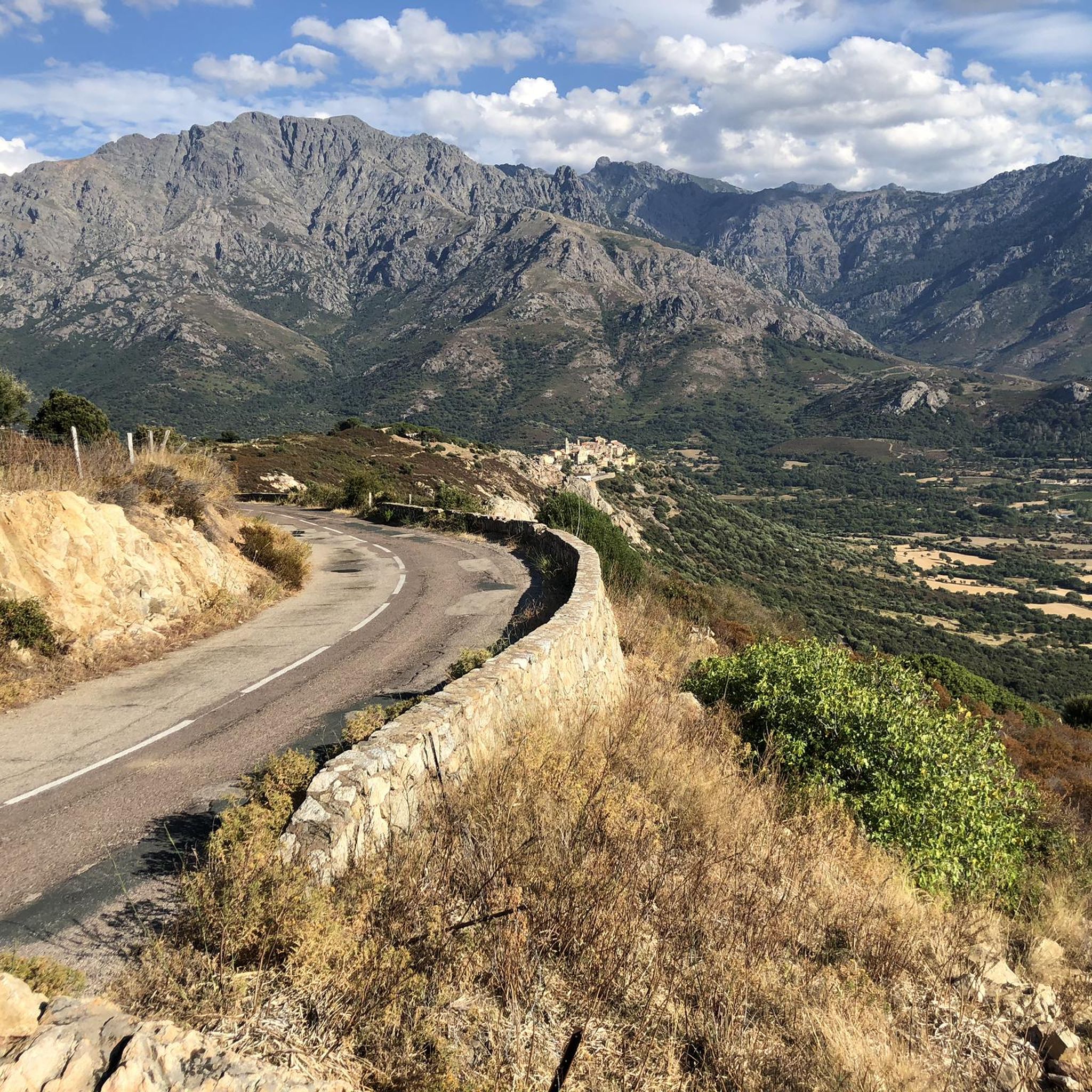
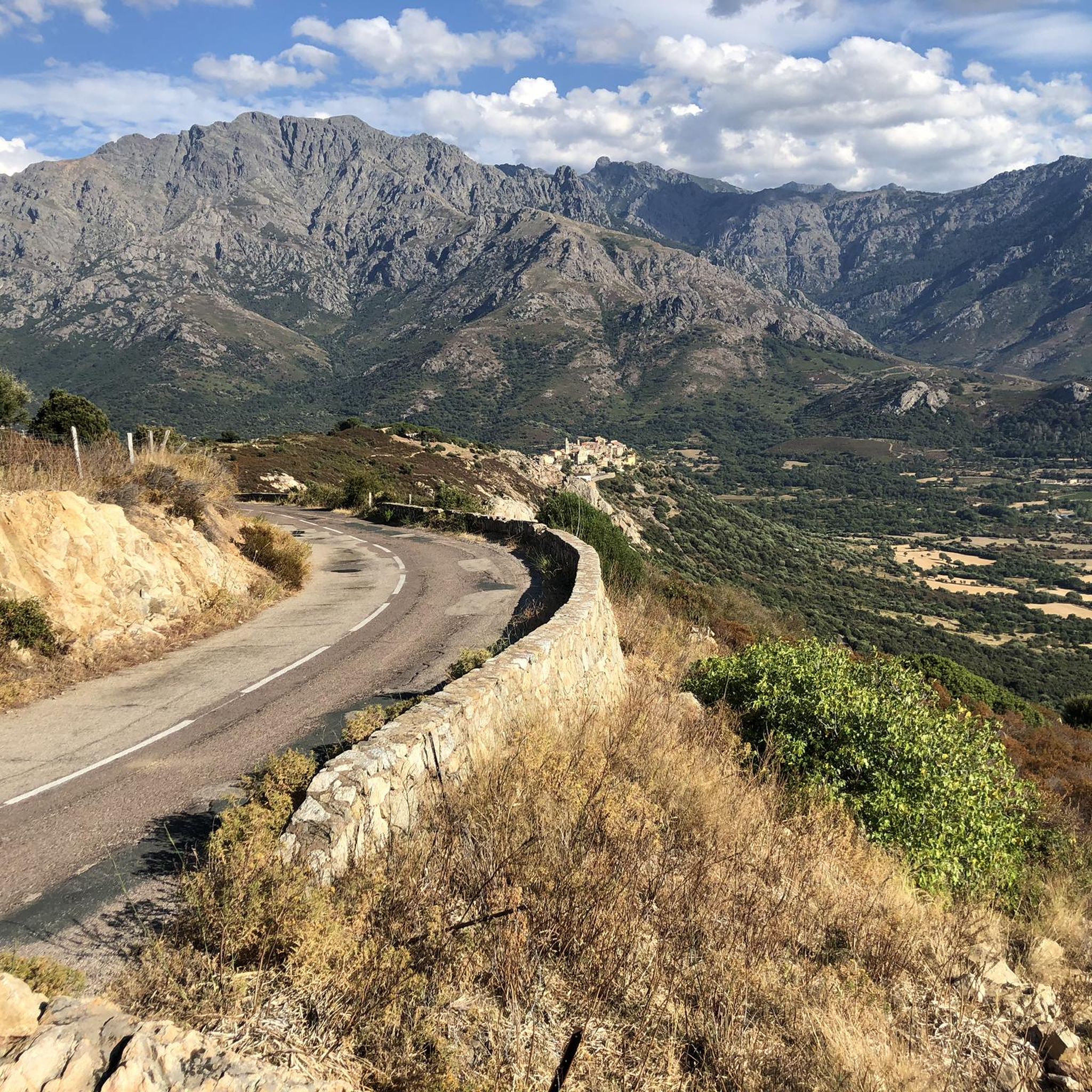
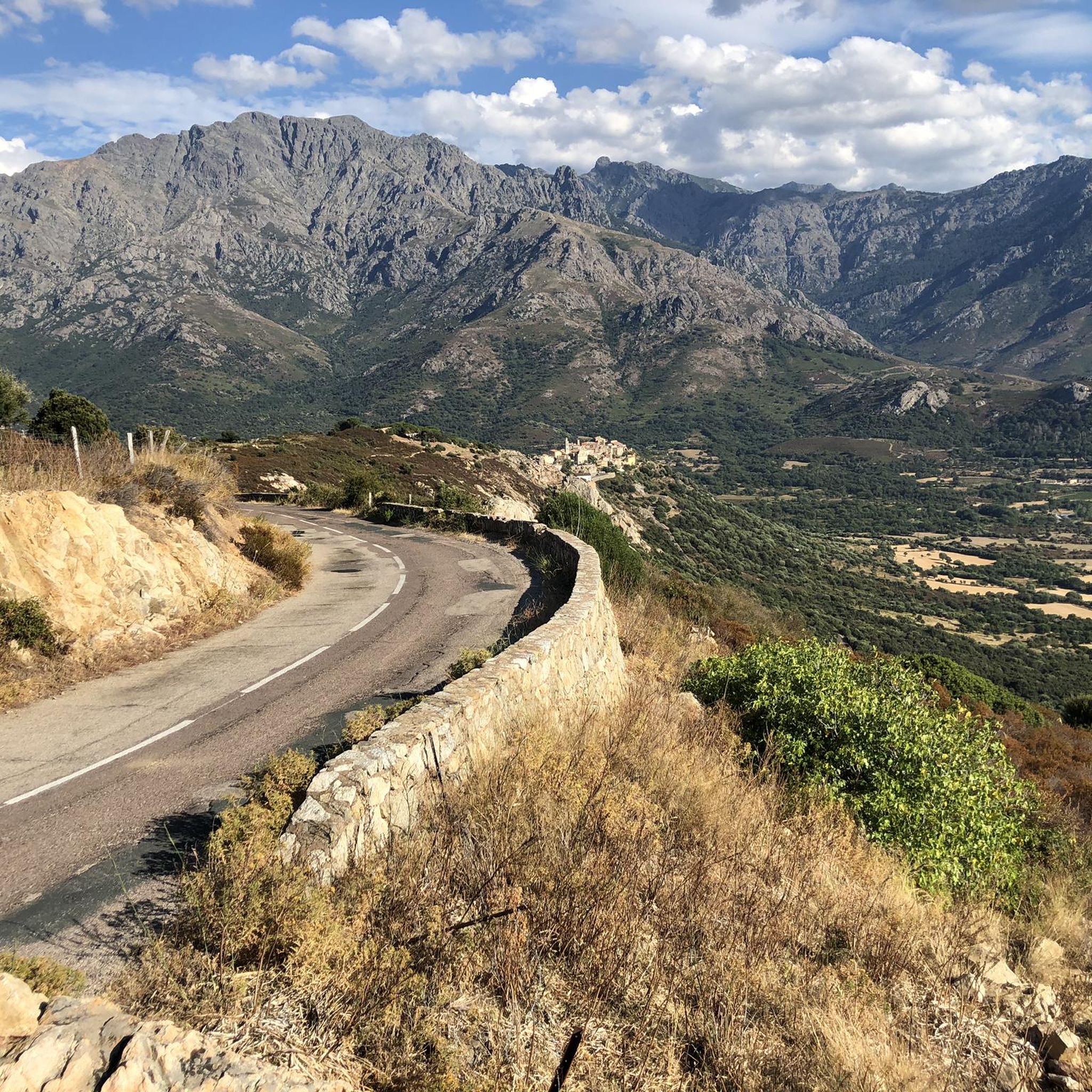
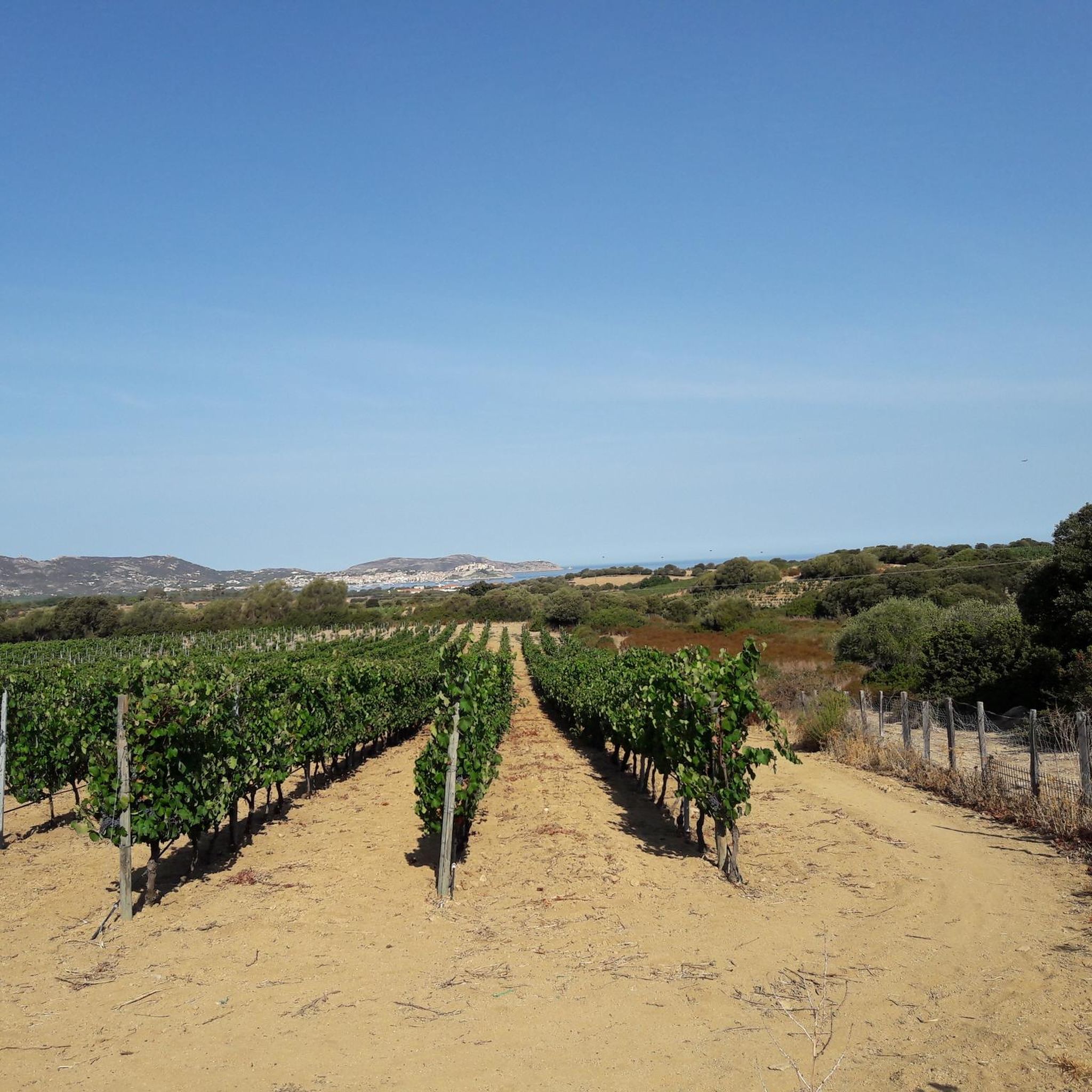
For those who are planning a detour to the Forêt Domaniale de Bonifatu or who are thinking of driving past Calvi and heading southwest over the Col de Marsolino, it even represents a shortcut via a beautiful hillside road. Which brings us to the most important point: the most beautiful panorama of the bay of Calvi and the ridge towards Monte Cinto is probably from the road over the Col de Salvi. This means that on the D 151 leading over the pass, despite the very moderate traffic volume, you may well come across a coach that is too big for the road, which is mostly only one and a half lanes wide.
1
1
The Col de Salvi is a quiet, very worthwhile connection option for racing cyclists who are heading towards Calvi from the (north)east via the Col de San Colombano or the Bocca di a Battaglia.
1
0
Bocca di Salvi of Calenzana is a climb in the Corsica region. This climb is 11.7 kilometers long, with a positive elevation gain of 377 meters. The Bocca di Salvi of Calenzana has an average gradient of 3.2%. With this gradient, the climb has 176 degrees of difficulty. The highest point is 536 meters above sea level.
1
0

Prrfect view but the road surface is annoying on a road bike on the ride down.
0
0

Frequently Asked Questions
What are the most popular mountain passes featured in this guide?
The guide highlights several popular mountain passes. Among them, Montemaggiore - Col de Salvi - Cateri is highly appreciated for its breathtaking views over the entire bay of Calvi. Bocca di Battaglia (1010 m) offers an outstanding panorama at 1099m, and Marsolino Pass is known for its fresh asphalted road and views into the Balagne.
What kind of views can I expect from these mountain passes?
You can expect magnificent panoramic views. For instance, Montemaggiore - Col de Salvi - Cateri provides stunning vistas of the Balagne and the Monte Grosso massif, extending to the Santa Reparata region and the Bay of Calvi. From Bocca di Battaglia (1010 m), the panorama at 1099m is outstanding, offering views of the sea. Bocca a u Saltu — View of the Bay of Calvi is another excellent spot for a beautiful panoramic view over the bay.
What is the terrain and road condition like on these passes?
The terrain varies, but many passes feature recently improved road surfaces. For example, the road to Bocca di Battaglia (1010 m) has been completely renewed as of September 2023, making it suitable even for delicate racing bike tires. Similarly, Marsolino Pass boasts a nice, fresh asphalted road. However, some sections, like the north side of Bocca di Battaglia, might still have potholes, sand, and gravel, especially in curves, so planning your route accordingly is advisable.
Are there specific tips for cycling these mountain passes?
Yes, several tips are shared by the komoot community. For Bocca di Battaglia (1010 m), it's suggested to plan your route to go uphill on the north side and descend on the south side due to varying road conditions. The renewed road surface on many passes, including Marsolino, makes them enjoyable for road cycling. The descent from Marsolino Pass to Fangobach Bridge is particularly noted for its beautiful asphalt.
What outdoor activities can I do near these mountain passes?
Beyond exploring the passes themselves, the broader region offers diverse outdoor activities. You can find numerous MTB Trails, including challenging loops like the Calvi Citadel – Alga Beach loop. For road cyclists, there are extensive Road Cycling Routes, such as the Calvi and Fango Valley Loop. Hikers can also discover various Mountain Hikes, including routes to Capu di a Veta Summit.
What is the best time of year to visit these mountain passes?
While specific seasonal tips for these passes are not detailed, generally, spring and autumn offer pleasant temperatures for cycling and hiking in Mediterranean climates, avoiding the intense heat of summer. Some tips mention June for Bocca di Battaglia, suggesting it's accessible then, but be mindful of potential sand and gravel on descents.
Are there any historical or cultural points of interest near the featured passes?
The featured passes themselves are primarily natural and scenic points. However, the region where these passes are located, Balagne, is rich in historic villages and cultural heritage. While the passes offer views of these areas, you would need to explore the surrounding towns and villages to fully immerse yourself in the local history and culture.
What do visitors enjoy most about these mountain passes?
Visitors consistently praise the incredible views and the quality of the cycling experience. The 'breathtaking view over the entire bay of Calvi' from Montemaggiore - Col de Salvi - Cateri is a major draw. The 'outstanding panorama' at Bocca di Battaglia (1010 m) and the 'nice fresh asphalted pass road' of Marsolino Pass are also frequently highlighted as enjoyable aspects.
Are there opportunities for rest stops or refreshments along the way?
Yes, some passes offer opportunities for rest. For example, at Bocca di Battaglia (1010 m), there's a mountain hut where you can take a break and enjoy the magnificent view. Bocca a u Saltu — View of the Bay of Calvi is also described as a very nice place for a rest with great views after a strenuous climb.
How do these featured mountain passes relate to Montegrosso d'Asti in Piedmont?
It's important to note that while this guide is titled 'Mountain Passes around Montegrosso,' the featured passes like Bocca di Battaglia, Montemaggiore - Col de Salvi - Cateri, and Marsolino Pass are geographically located in Corsica, not in the immediate vicinity of Montegrosso d'Asti in Piedmont, Italy. Montegrosso d'Asti itself is characterized by rolling hills and vineyard landscapes, offering scenic routes through gentle elevations rather than high mountain passes in the traditional alpine sense.
What kind of outdoor experiences can I find in the Montegrosso d'Asti region itself?
The Montegrosso d'Asti region, part of Piedmont, is renowned for its picturesque hilly terrain and vineyard landscapes, which are a UNESCO World Heritage site. You can explore a network of hiking and cycling routes that wind through rolling hills, vineyards, and historic villages. These routes, such as the Monferrato Vineyards Trail or the Percorso della Barbera, offer gentle outdoor activities with beautiful panoramas, cultural significance, and a tranquil escape into nature.
Most popular routes around Montegrosso
Most popular attractions around Montegrosso

Get inspired with the komoot mobile app


Explore more
See even more epic mountain passes by checking out these guides around Montegrosso:
