The best walks and hikes around Bailleul-Sir-Berthoult
4.5
(821)
6,978
hikers
345
hikes
Hiking around Bailleul-Sir-Berthoult offers routes through a landscape characterized by flat terrain, agricultural fields, and historical sites. The area features greenways and paths alongside canals, providing accessible outdoor experiences. These trails often pass by significant memorials and offer views of the local countryside. The region's topography is generally gentle, making it suitable for various hiking abilities.
Best hiking trails around Bailleul-Sir-Berthoult
- The most popular hiking route is Moroccan monument – Canadian Memorial loop from Vimy, a 5.0 miles (8.1…
Last updated: June 26, 2026
4.5
(36)
237
hikers
8.11km
02:10
90m
90m
Moderate hike. Good fitness required. Easily-accessible paths. Suitable for all skill levels.
4.4
(7)
88
hikers
Moderate hike. Good fitness required. Easily-accessible paths. Suitable for all skill levels.

Sign up for free
4.8
(5)
65
hikers
Easy hike. Great for any fitness level. Easily-accessible paths. Suitable for all skill levels.
5.0
(1)
39
hikers
5.76km
01:29
30m
30m
Easy hike. Great for any fitness level. Easily-accessible paths. Suitable for all skill levels.
22
hikers
19.4km
04:58
70m
70m
Moderate hike. Good fitness required. Easily-accessible paths. Suitable for all skill levels.
Get access to more routes and recommendations from other explorers.
Sign up for free
Already have an account?
Our route recommendations are based on thousands of hikes, rides, and runs completed by other people on komoot.
Start today with a free account
Your next adventure awaits.
Login or Signup

Tips from the Community

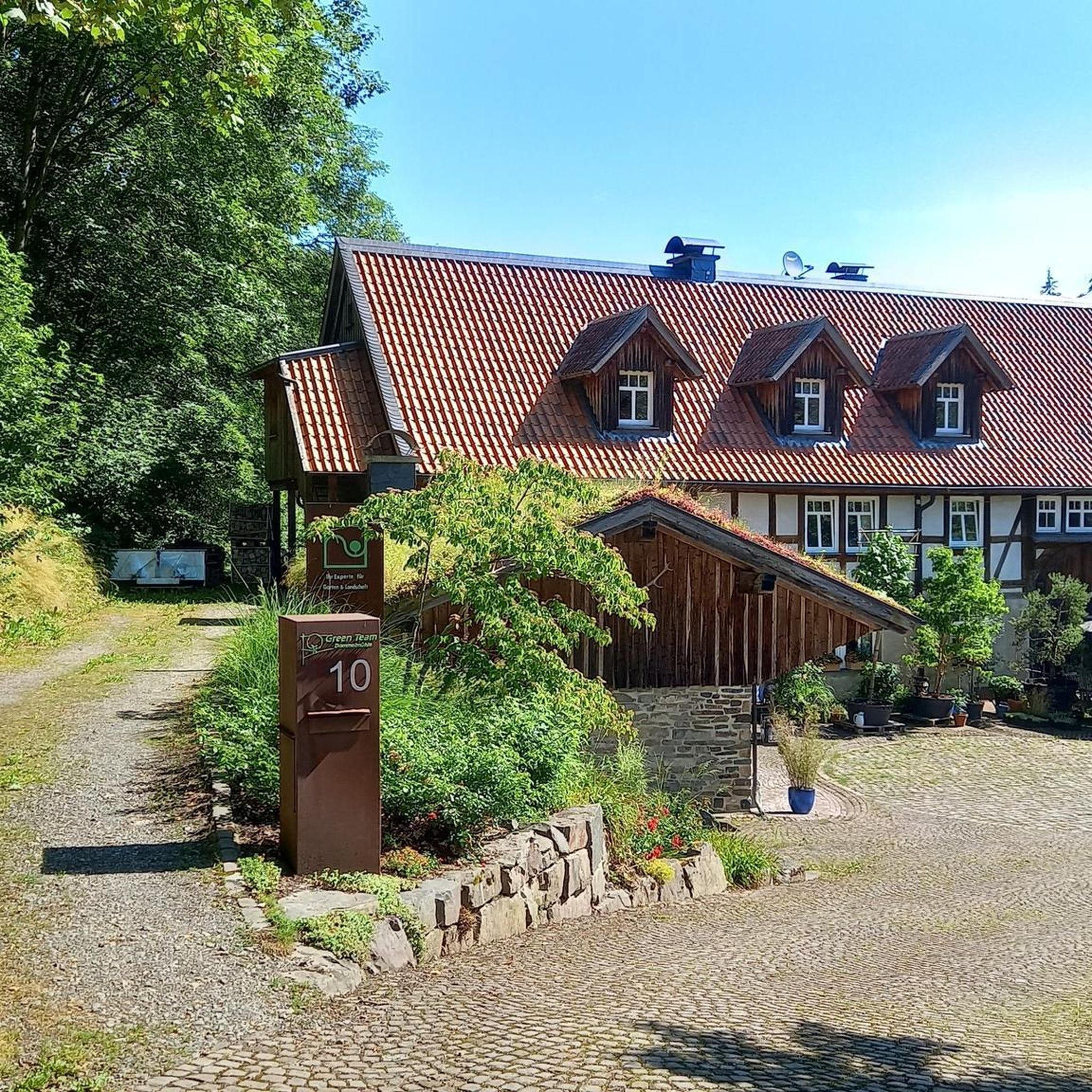
A very beautiful little park near Arras
1
0

Beautiful cathedral which is under repair in October 2025
1
0

Before the Canadians captured Vimy Ridge from the Germans in April 1917, other soldiers had already set foot there but were unable to hold their ground due to a lack of reinforcements and sufficient artillery support. These "forerunners" were the Moroccan Zouaves and riflemen, wearing red chechias and baggy trousers, accompanied in the Moroccan Division by Foreign Legion volunteers from 52 countries. To the men of the Moroccan Division who set out to assault Vimy Ridge On the morning of May 9, 1915, they broke through the German lines, crossed Folie Wood, and reached Vimy Ridge. To track their advance and adjust artillery fire, squares of white cloth were sewn to their backs, making them prime targets for the Germans on their flank. Furthermore, the artillery was running low on ammunition, and reinforcements were not forthcoming: the order to withdraw came in the evening. The Moroccan soldiers were forced to abandon the conquered ground at the cost of heavy losses. The riflemen of the Moroccan Division were among the approximately 820,000 men mobilized in French colonies or protectorates during the First World War, including 636,000 sent to France as soldiers or laborers. Of the 449,000 engaged in combat, the majority came from Algeria (150,000), and the rest from sub-Saharan Africa (135,000), Indochina (43,000), Tunisia (39,000), and Morocco (34,000). 70,000 of them would perish on French soil. Plaques affixed to the monument pay tribute to other French army fighters from Greece, Sudan and Czechoslovakia.
0
0

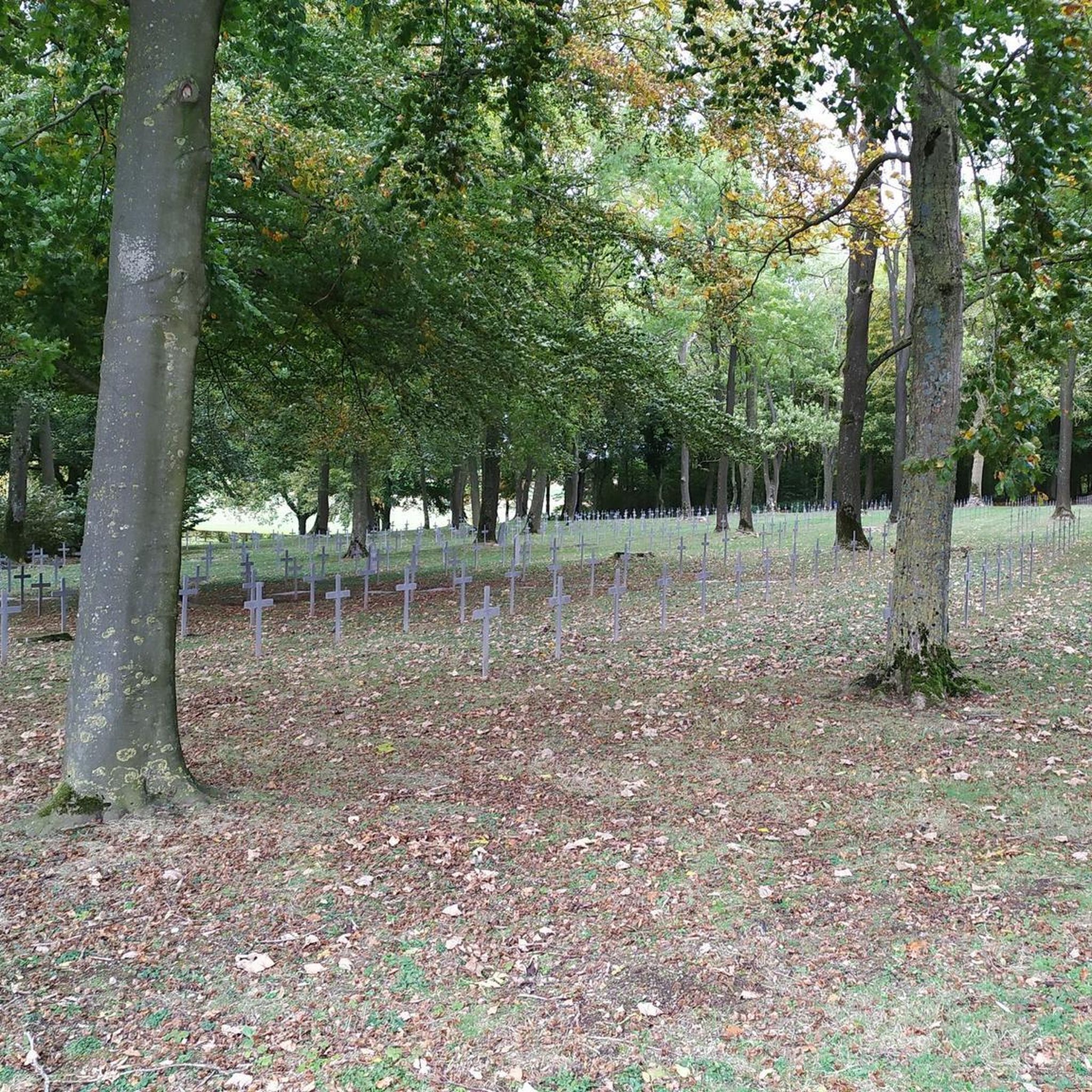
The 3rd Canadian Division Memorial in Neuville-Saint-Vaast commemorates the soldiers of the 3rd Canadian Division who fought and gave their lives during the First World War. This memorial is located near the famous Vimy Ridge and pays tribute to the courage and sacrifice of these troops.
6
0
3rd Canadian Division monument erected to the glory and eternal memory of our valiant comrades who gave their lives in defense of the line from October 23, 1916 to February 15, 1917 and in the capture of Vimy Ridge on April 9, 1917.
0
0
Within the 107 hectares of the Vimy Ridge National Historic Site of Canada, near the grandiose memorial erected in honor of the 66,000 Canadian soldiers who died in the Great War, a more modest building is dedicated "to the memory (...) of the officers, non-commissioned officers, and soldiers of the Moroccan Division who fell gloriously here on May 9, 10, and 11, 1915." Before the Canadians captured Vimy Ridge from the Germans in April 1917, other soldiers had already set foot there but were unable to hold their ground due to a lack of reinforcements and sufficient artillery support. These "forerunners" were the Moroccan Zouaves and riflemen, wearing red chechias and baggy trousers, accompanied in the Moroccan Division by Foreign Legion volunteers from 52 countries. To the men of the Moroccan Division who set out to assault Vimy Ridge On the morning of May 9, 1915, they broke through the German lines, crossed Folie Wood, and approached Vimy Ridge. To monitor their advance and adjust artillery fire, squares of white cloth were sewn to their backs, making them prime targets for the Germans on their flank. Furthermore, the artillery was running low on ammunition, and reinforcements were not forthcoming: the order to withdraw came with the evening. The Moroccan soldiers were forced to abandon the conquered ground at the cost of heavy losses. The riflemen of the Moroccan Division were among the approximately 820,000 men mobilized in the French colonies or protectorates during the First World War, including 636,000 sent to France as soldiers or laborers. Among the 449,000 engaged in the fighting, the majority came from Algeria (150,000) and the others from sub-Saharan Africa (135,000), Indochina (43,000), Tunisia (39,000), Morocco (34,000). 70,000 of them died on French soil.
0
0

Saint-Paul and kayaking that walks at the same time as you
1
0
Frequently Asked Questions
How many hiking trails are available around Bailleul-Sir-Berthoult?
There are over 340 hiking trails in the Bailleul-Sir-Berthoult area, offering a wide range of options for different preferences and skill levels. You'll find everything from easy strolls to more challenging routes.
What is the general terrain like for hiking near Bailleul-Sir-Berthoult?
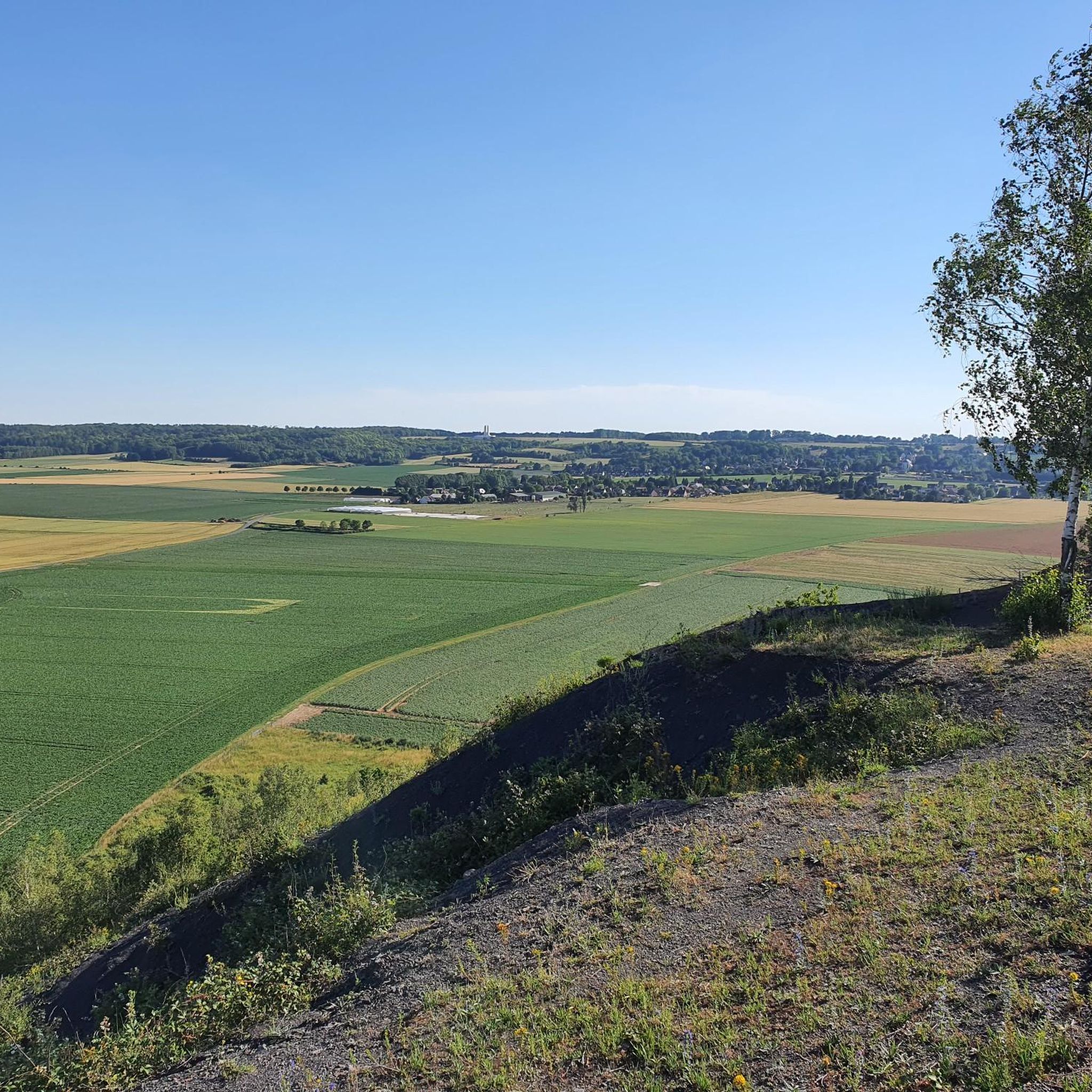
The terrain around Bailleul-Sir-Berthoult is generally flat, characterized by agricultural fields, greenways, and paths alongside canals. The topography is gentle, making most routes accessible and suitable for various hiking abilities. You'll often encounter historical sites and memorials along the way.
Are there easy or beginner-friendly hiking routes in Bailleul-Sir-Berthoult?
Yes, the region offers a significant number of easy routes, with over 170 trails classified as easy. These are perfect for beginners or those looking for a relaxed walk. An example of an easy route is the Rivage Quay – V362 Greenway Along the Canal loop from Arras, which is 4.8 miles (7.7 km) long.
Can I find longer, more challenging hikes in the area?
While the region is known for its gentle terrain, there are some longer routes available. For instance, the Chemin de Halage loop from Fampoux is a moderate 9.3 miles (15 km) trail that takes around 3 hours 50 minutes to complete. There are 21 routes classified as difficult for those seeking more of a challenge.
What historical landmarks or points of interest can I see while hiking?
The Bailleul-Sir-Berthoult area is rich in history. Many trails pass by significant sites such as the Canadian National Vimy Memorial, the ruined church of Ablain-Saint-Nazaire, and the Notre-Dame-de-Lorette National Cemetery. These offer poignant stops along your hike.
Are there any natural features or scenic viewpoints to discover?
Yes, beyond the historical sites, you can explore natural areas like the Marais de Maroeuil, which is a natural marshland. Many routes also follow greenways and canal towpaths, providing pleasant waterside scenery and views of the local countryside.
Are the hiking trails around Bailleul-Sir-Berthoult suitable for families with children?
Given the generally flat terrain and numerous easy routes, many trails in Bailleul-Sir-Berthoult are well-suited for families. The greenways and canal paths offer safe and enjoyable environments for children to explore. Consider routes that are shorter in distance and have minimal elevation gain.
Are dogs allowed on the hiking trails in Bailleul-Sir-Berthoult?
Generally, dogs are welcome on most public hiking trails in France, especially on greenways and canal paths, provided they are kept on a leash. However, it's always advisable to check specific local regulations or signage at trailheads, particularly in nature reserves or protected historical sites.
What do other hikers enjoy most about the trails in Bailleul-Sir-Berthoult?
The hiking trails in Bailleul-Sir-Berthoult are highly rated by the komoot community, with an average score of 4.5 stars from over 700 reviews. Hikers often praise the accessible nature of the routes, the blend of natural scenery with historical landmarks, and the well-maintained greenways and canal paths.
Is parking available at the trailheads?
Parking is generally available in or near the towns and villages that serve as starting points for many routes, such as Vimy, Saint-Laurent-Blangy, or Arras. Look for designated parking areas near historical sites or public spaces, as specific trailheads might not always have dedicated lots.
What is the best time of year to go hiking in Bailleul-Sir-Berthoult?
Spring (April-June) and early autumn (September-October) are often considered the best times for hiking in Bailleul-Sir-Berthoult. During these seasons, the weather is typically mild and pleasant, and the natural scenery is vibrant. Summer can also be enjoyable, but be prepared for warmer temperatures.
Are there any circular hiking routes around Bailleul-Sir-Berthoult?
Yes, many of the popular routes in the area are circular, offering convenient starting and ending points. For example, the Moroccan monument – Canadian Memorial loop from Vimy is a well-known circular trail that allows you to return to your starting point without retracing your steps.
Most popular routes around Bailleul-Sir-Berthoult
Most popular attractions around Bailleul-Sir-Berthoult

Get inspired with the komoot mobile app


Explore more
Browse the best Hikes in other regions.
