The 4 Most Amazing Peaks around Quincié-En-Beaujolais
Mountain peaks around Quincié-En-Beaujolais are characterized by rolling hills and vineyards rather than towering alpine summits. This region, nestled in the heart of the Beaujolais wine area, offers elevated points that provide panoramic views and connect to local viticulture. These natural features are well-regarded for their scenic beauty and the opportunities they present for outdoor exploration. The area's diverse landscape includes vineyards, forests, and protected heathlands.
Best mountain peaks around Quincié-En-Beaujolais
- The most popular mountain peaks is Mont Brouilly Summit…
Last updated: July 8, 2026
Rochefort Cross
Highlight • Monument
Translated by Google •
Tip by

Mont Brouilly
Highlight • Summit
Translated by Google •
Tip by

Sign up now to discover places like this
Get recommendations on the best single tracks, peaks, & plenty of other exciting outdoor places.
Sign up for free
Saint-Bonnet Chapel on the Signal
Highlight • Religious Site
At the top is a 12th century chapel, …
Translated by Google •
Tip by

Start today with a free account
Your next adventure awaits.
Login or Signup
Popular around Quincié-En-Beaujolais
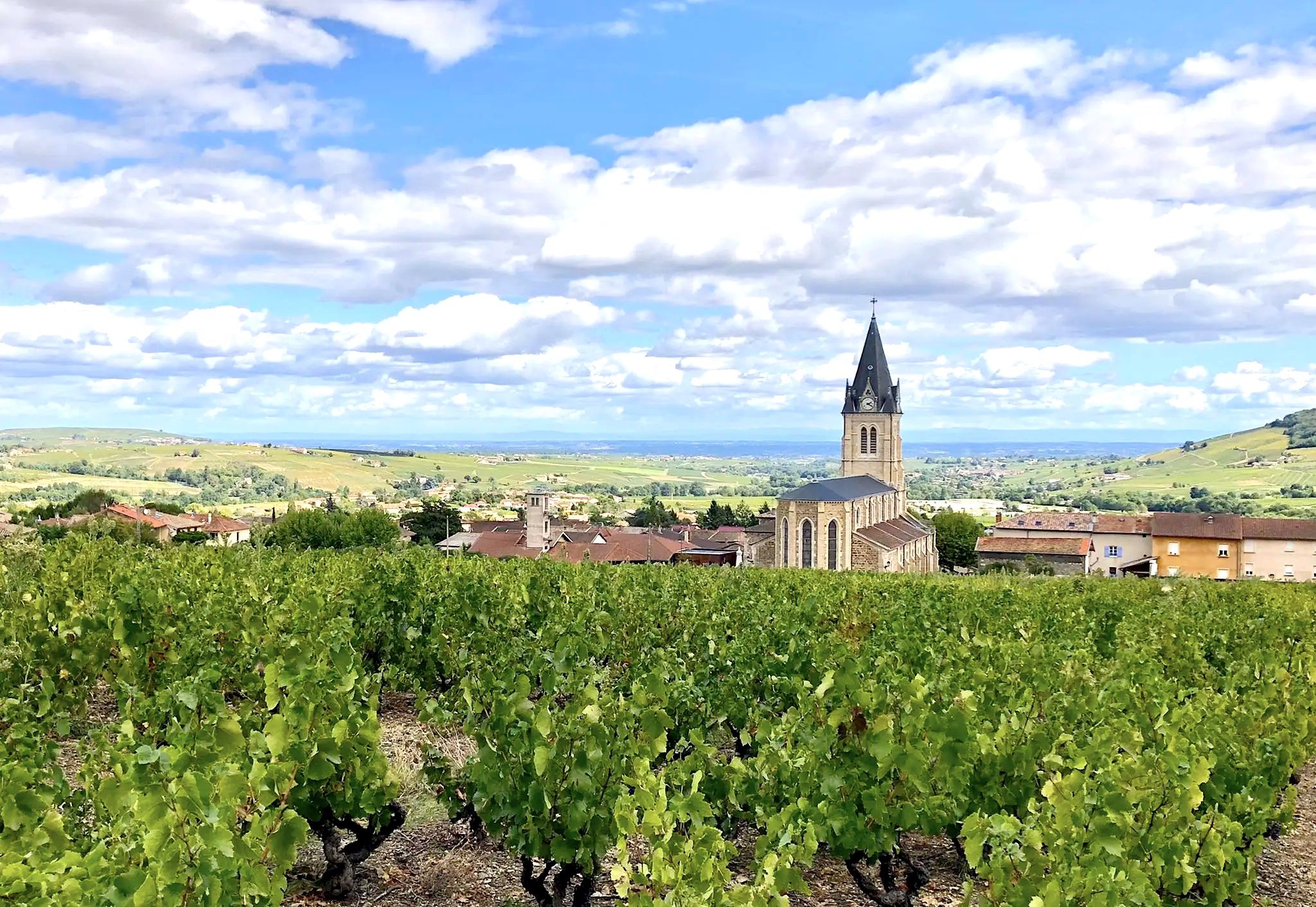
Vineyards and mountains – 15 walks in the Beaujolais region
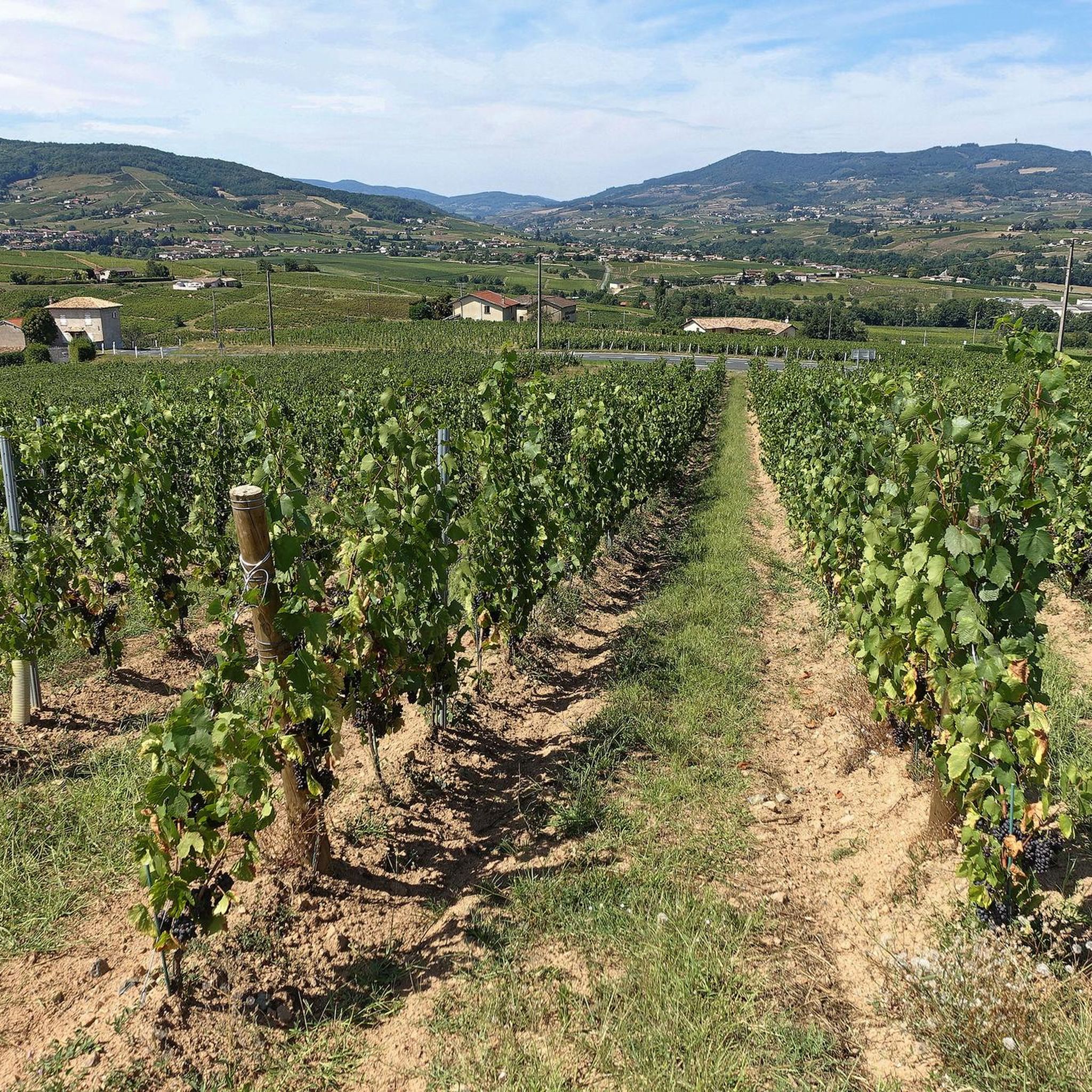
Hiking around Quincié-En-Beaujolais
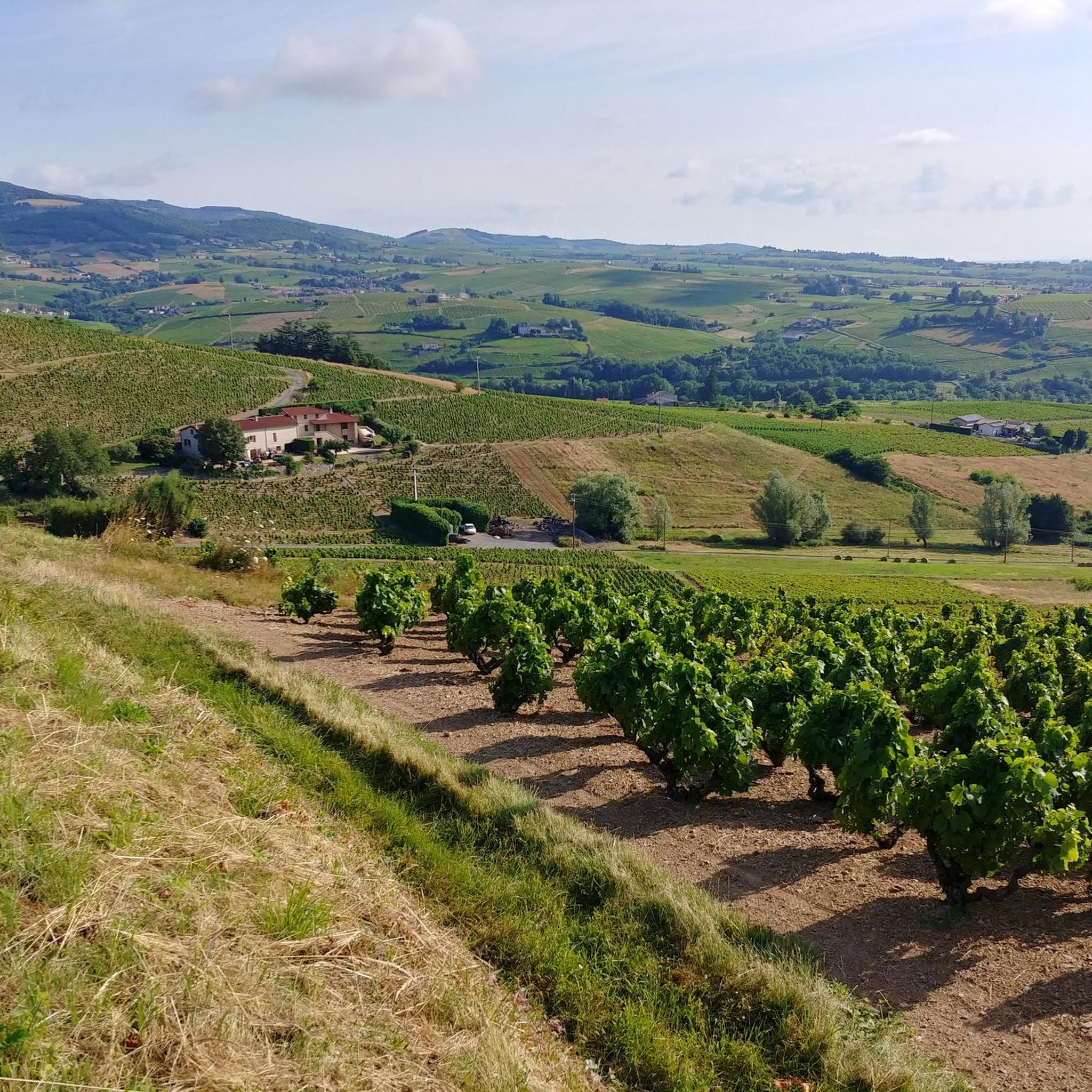
Running Trails around Quincié-En-Beaujolais
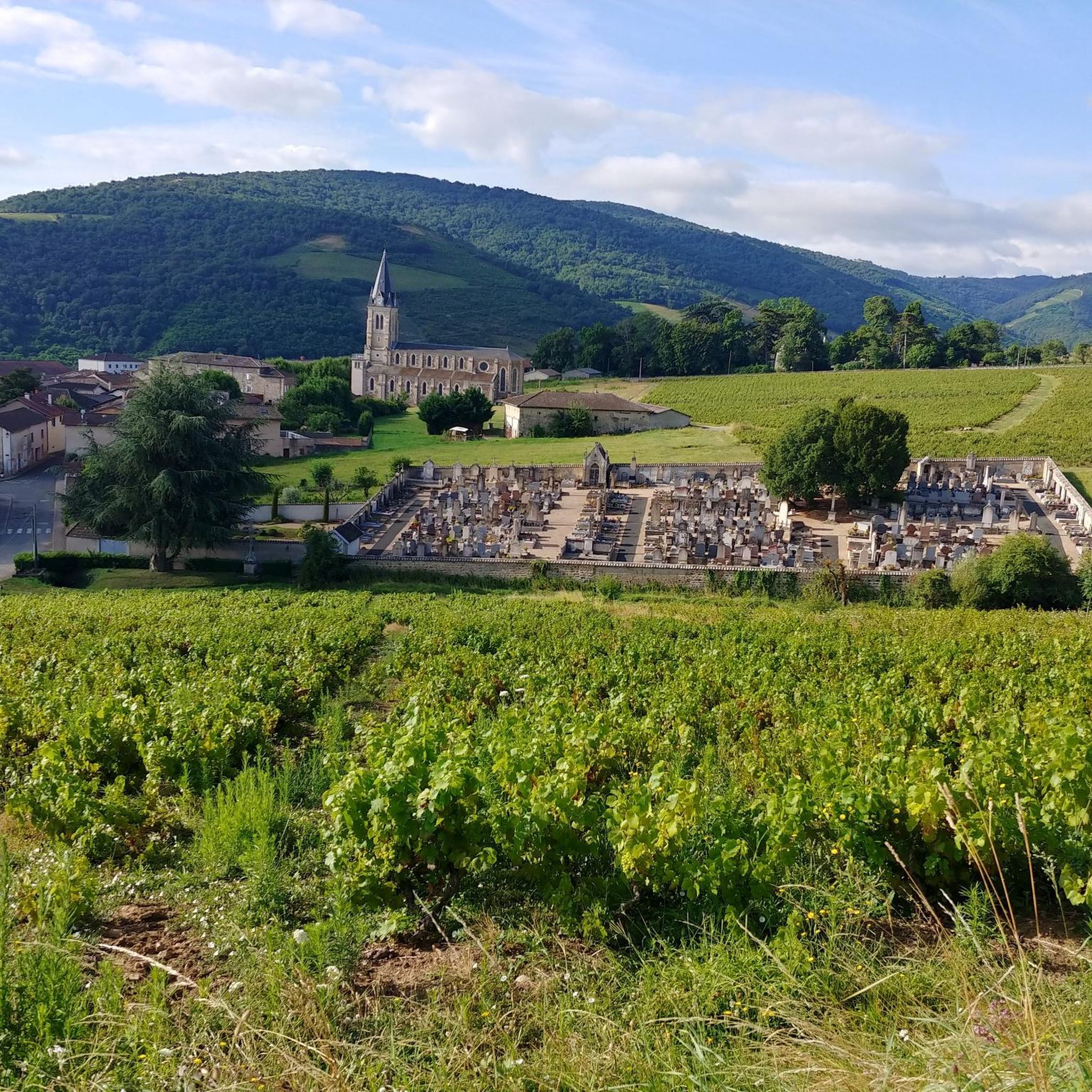
Cycling around Quincié-En-Beaujolais
MTB Trails around Quincié-En-Beaujolais
Road Cycling Routes around Quincié-En-Beaujolais

Gravel biking around Quincié-En-Beaujolais
Other adventures around Quincié-En-Beaujolais

Tips from the Community


very much better clockwise
2
0

The Saint-Bonnet signal peaks at 676 meters. The place offers beautiful panoramas over Montmelas, then over the vineyard and the Beaujolais mountains. At the top is a 12th century chapel, of Romanesque architecture. It is dedicated to Saint Bonnet, bishop of Clermont in the 8th century. It was a place of pilgrimage to cure gout and headaches.
1
0
Beautiful chapel which has been completely renovated, with a superb view over the plain of the Ain, and Mont Blanc on a clear day.
2
0

This iconic hill is a must do. It offers breathtaking 360° panoramic views, with its slopes covered in vineyards chosen for their unique volcanic soil which gives the wine of this appellation a distinct taste. At the top, you will also find the Notre-Dame-des-Raisins chapel, built in 1854 to protect the vineyard from bad weather and disease.
2
0
From the parking lot of the Col, it is an ideal starting point for your hike with great panoramic views.
3
0
This iconic hill is a must-visit. It offers breathtaking 360-degree panoramic views with its slopes covered in vineyards chosen because of its unique volcanic soil which gives the wine of this appellation a distinct taste. At the top, you will also find the Notre-Dame-des-Raisins chapel, built in 1854 to protect the vineyard from bad weather and disease.
3
0

“Each of these crosses can tell its own story and what motivated people to build “their” cross on this spot. (...) These crosses were erected as visible signs and attract the attention of many people. The cross is a symbol of life. It stands as a sign of our Christian hope and wants to direct our gaze to Jesus Christ, who conquered death (…). The cross is part of our lives, just as it was part of the life of Jesus. So I hope that many people ... visit the crosses, whether as places of silence and taking a breath before God, whether as places of community gathering, prayer and praise of God. (Text source: Dean Rainald M. Ollig in: “Crosses... Small sacred monuments as signs of popular piety”)
9
5
Frequently Asked Questions
What are the most notable elevated points around Quincié-En-Beaujolais for panoramic views?
The most prominent elevated point is Mont Brouilly Summit & Viewpoint, an extinct volcano offering breathtaking 360-degree views over the Beaujolais vineyards and the Saône valley. Other excellent viewpoints include Rochefort Cross, which provides a panorama of the Beaujolais mountains and Mont Brouilly, and Saint-Bonnet Chapel on the Signal, offering vistas over Montmelas and the Beaujolais mountains.
What unique natural features define the mountain peaks in the Beaujolais region?
The region's 'mountain peaks' are characterized by rolling hills and vineyards. Mont Brouilly, for instance, is an extinct volcano with unique blue/black volcanic rock, known as 'cornes vertes,' which contributes to the distinctiveness of the local wines. Additionally, the area features protected heathlands known as Les Landes du Beaujolais, which are natural reserves for rare species.
Are there any historical or cultural landmarks on these peaks?
Yes, several peaks feature historical and cultural landmarks. On Mont Brouilly, you'll find the Notre-Dame-des-Raisins chapel, built in 1854. Saint-Bonnet Chapel on the Signal is a 12th-century Romanesque chapel, historically a pilgrimage site. Rochefort Cross is a man-made monument and viewpoint, with other elevated points like La Croix des Forces also noted as ancient pilgrimage sites.
Are there hiking trails suitable for different difficulty levels near Quincié-En-Beaujolais' peaks?
Yes, the region offers a variety of hiking trails. You can find moderate routes like 'View of Régnié-Durette – Cross of Forces loop from Quincié-en-Beaujolais' (6.8 km) or 'The Three Castles' (11.2 km). For more challenging options, consider 'Cross of Forces – Château de Varennes loop from Quincié-en-Beaujolais' (19.9 km). You can explore more options on the Hiking around Quincié-En-Beaujolais guide.
What other outdoor activities can I enjoy near the mountain peaks of Quincié-En-Beaujolais?
Beyond hiking, the area is very popular for cycling. Mont Brouilly Summit & Viewpoint is particularly famous for its challenging climb, even featured in races like Paris-Nice. You can find numerous road cycling and touring bicycle routes, such as 'Truges Pass - 496 m – Viewpoint of Fût d'Avenas loop' or 'View of Mont Brouilly – Saône loop'. Discover more routes in the Road Cycling Routes around Quincié-En-Beaujolais and Cycling around Quincié-En-Beaujolais guides.
Are there family-friendly options for exploring the peaks around Quincié-En-Beaujolais?
While specific 'family-friendly' categories aren't always explicitly tagged for every peak, the rolling hills and vineyard trails offer accessible options. Shorter, moderate hikes like 'The Three Castles' (11.2 km) can be suitable for families. The scenic views and cultural sites like chapels also provide engaging points of interest for all ages. Always check the route difficulty and length before heading out with children.
What is the best time to visit the mountain peaks and trails in Quincié-En-Beaujolais?
The Beaujolais region is beautiful throughout the year, but spring and autumn are particularly pleasant for hiking and cycling. In spring, the vineyards burst into life, and in autumn, the foliage offers stunning colors. Summers are warm, ideal for enjoying the views, but be prepared for sun exposure on open trails. Winter can offer a different, quieter experience, though some trails might be muddy or require appropriate gear.
What do visitors enjoy most about the mountain peaks around Quincié-En-Beaujolais?
Visitors consistently praise the magnificent panoramic views, especially from Mont Brouilly Summit & Viewpoint, which offers vistas of the Beaujolais and Saône valley. The unique experience of climbing through vineyards, the distinct volcanic soil, and the presence of historical chapels like Chapel of Our Lady of the Grapes also contribute to a highly appreciated experience.
Are there any dog-friendly trails around the peaks of Quincié-En-Beaujolais?
Many of the hiking trails in the Beaujolais region are generally dog-friendly, allowing you to explore the vineyards and hills with your canine companion. However, it's always advisable to keep dogs on a leash, especially when passing through vineyards or near livestock, and to check for any specific local regulations or protected areas like Les Landes du Beaujolais where rules might be stricter.
Where can I find parking access for hiking trails near Quincié-En-Beaujolais' peaks?
Parking is generally available at the starting points of many trails and near popular viewpoints. For instance, there is parking available at the Col, which serves as an ideal starting point for hikes to Saint-Bonnet Chapel on the Signal. Specific parking information is often detailed within individual route descriptions on komoot.
Can I find cafes or places to eat near the mountain trails in Quincié-En-Beaujolais?
Yes, Quincié-En-Beaujolais and the surrounding villages offer various options for refreshments. After a hike or cycle, you can find cafes and restaurants in the nearby towns. Given the region's strong wine heritage, many establishments offer local wines and cuisine, providing a perfect way to relax and refuel after exploring the peaks.
What is the elevation of the highest points around Quincié-En-Beaujolais?
While not towering alpine peaks, the elevated points in the region offer significant climbs. Mont Brouilly rises to 480 meters. Other notable points include Saint-Bonnet Chapel on the Signal, peaking at 676 meters, and Rochefort Cross, which is at the highest point of its circuit at 888 meters.
Most popular routes around Quincié-En-Beaujolais
Most popular attractions around Quincié-En-Beaujolais

Get inspired with the komoot mobile app


Explore more
See even more amazing summits around Quincié-En-Beaujolais with these guides:
