Top 6 Castles around Saint-Étienne-La-Varenne
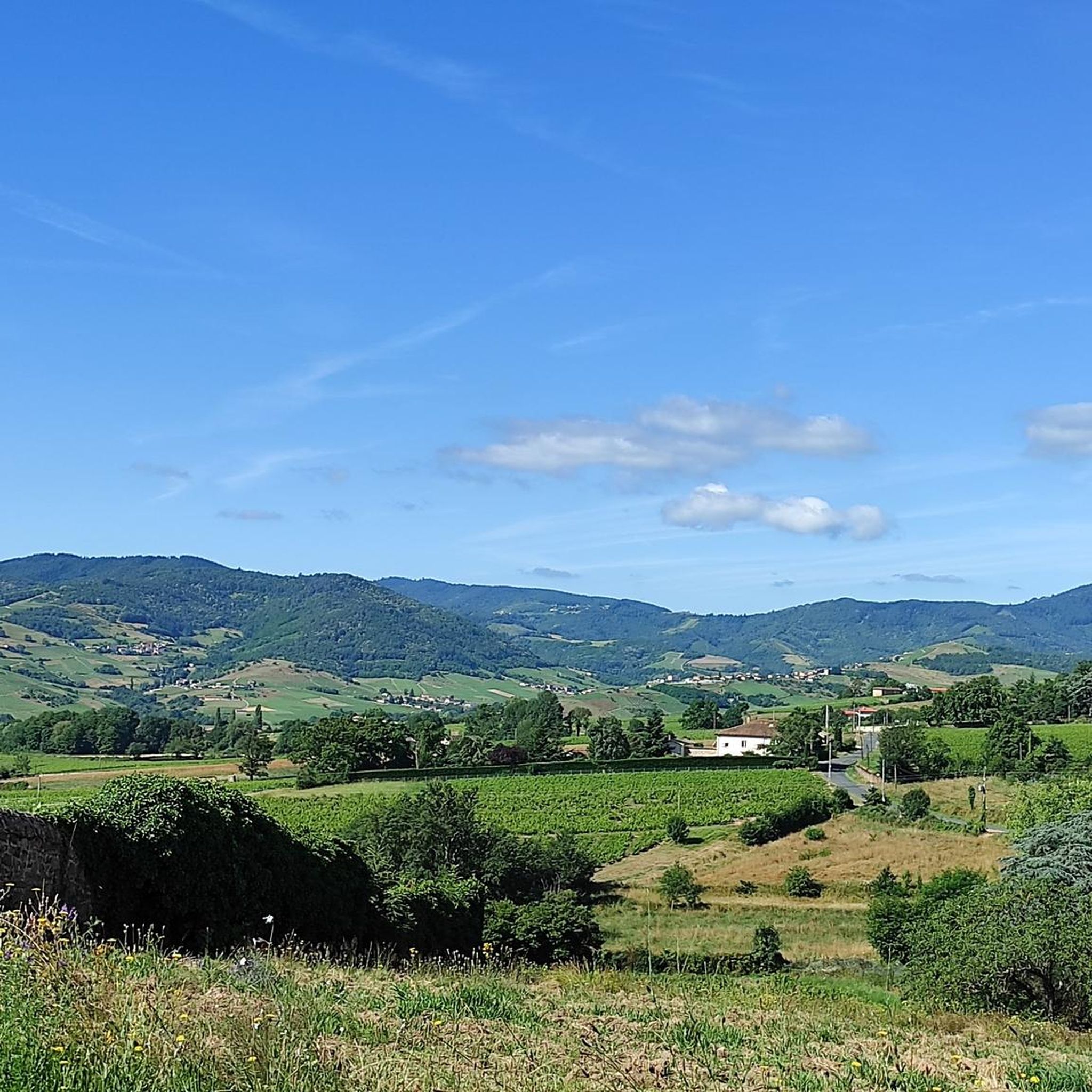
Best castles around Saint-Étienne-La-Varenne are situated in the Beaujolais wine region, an area characterized by its viticultural heritage and rolling landscapes. This commune is known for its historical châteaux, many of which are integral to the local wine production. The region's granitic and sandy soils contribute to its distinct wine varieties. Exploring the castles offers insight into both the architectural history and the winemaking traditions of this part of France.
Best castles around Saint-Étienne-La-Varenne
- The most popular castles is Montmelas…
Last updated: July 1, 2026
Montmelas Castle
Highlight • Historical Site
Showing Translation
Tip by

Château de Varennes
Highlight • Castle
This label is awarded to buildings not protected as Historical Monuments but worthy of interest for the history of art.
Translated by Google •
Tip by

Sign up now to discover places like this
Get recommendations on the best single tracks, peaks, & plenty of other exciting outdoor places.
Sign up for free
Château de La Palud
Highlight • Castle
Translated by Google •
Tip by
Château du Sou
Highlight • Castle
Translated by Google •
Tip by

Montbriand Castle
Highlight • Castle
Translated by Google •
Tip by

Sign up for free to discover even more castles around Saint-Étienne-La-Varenne.
Sign up for free
Already have an account?
Start today with a free account
Your next adventure awaits.
Login or Signup
Popular around Saint-Étienne-La-Varenne

Tips from the Community


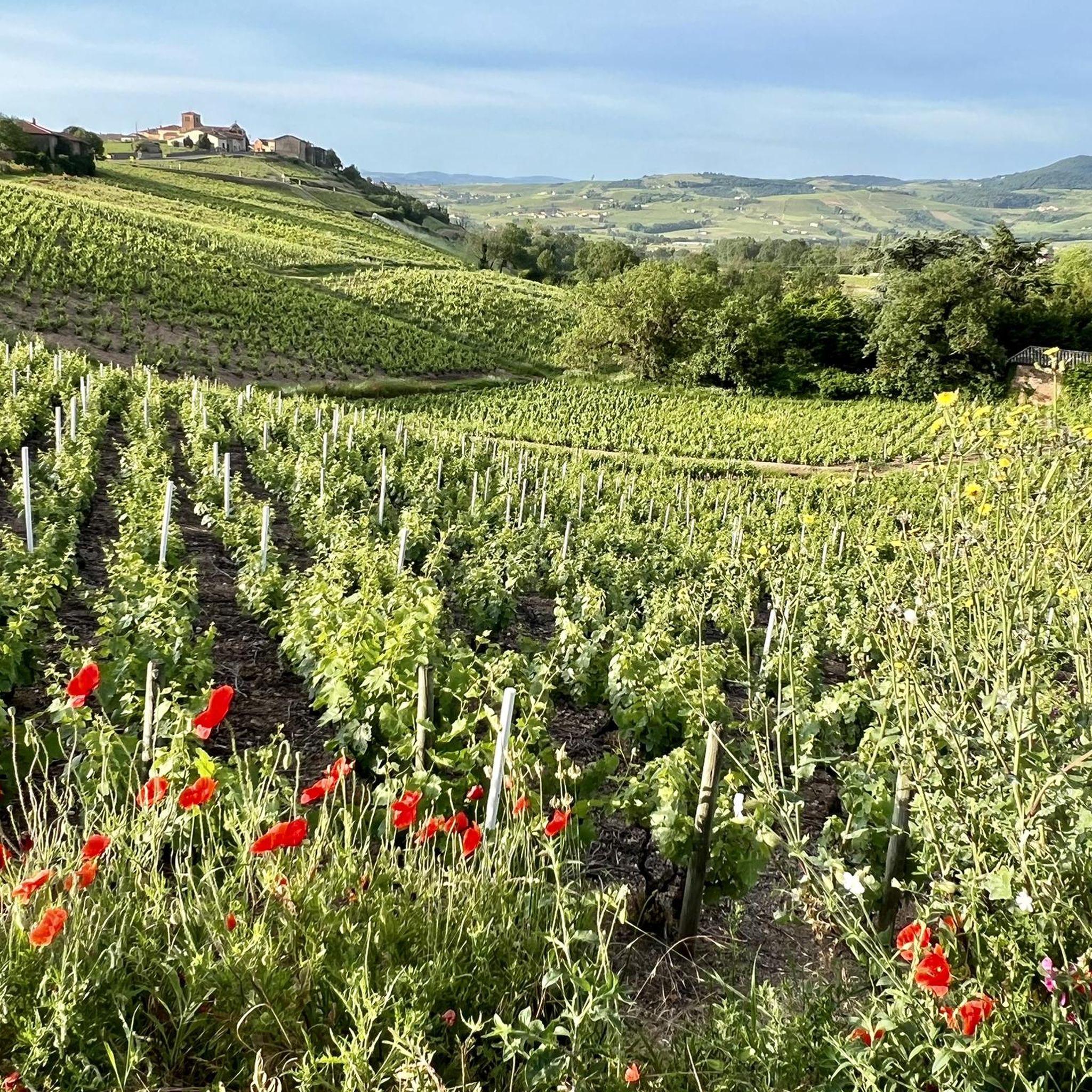
Magnificent castle in the commune of Montmelas St Sorlin
0
0

This fortified house dates back to the 14th century. Refurbished in the 19th century, it also has a medieval garden and a washhouse. Today, it is a reception hall for weddings.
1
0

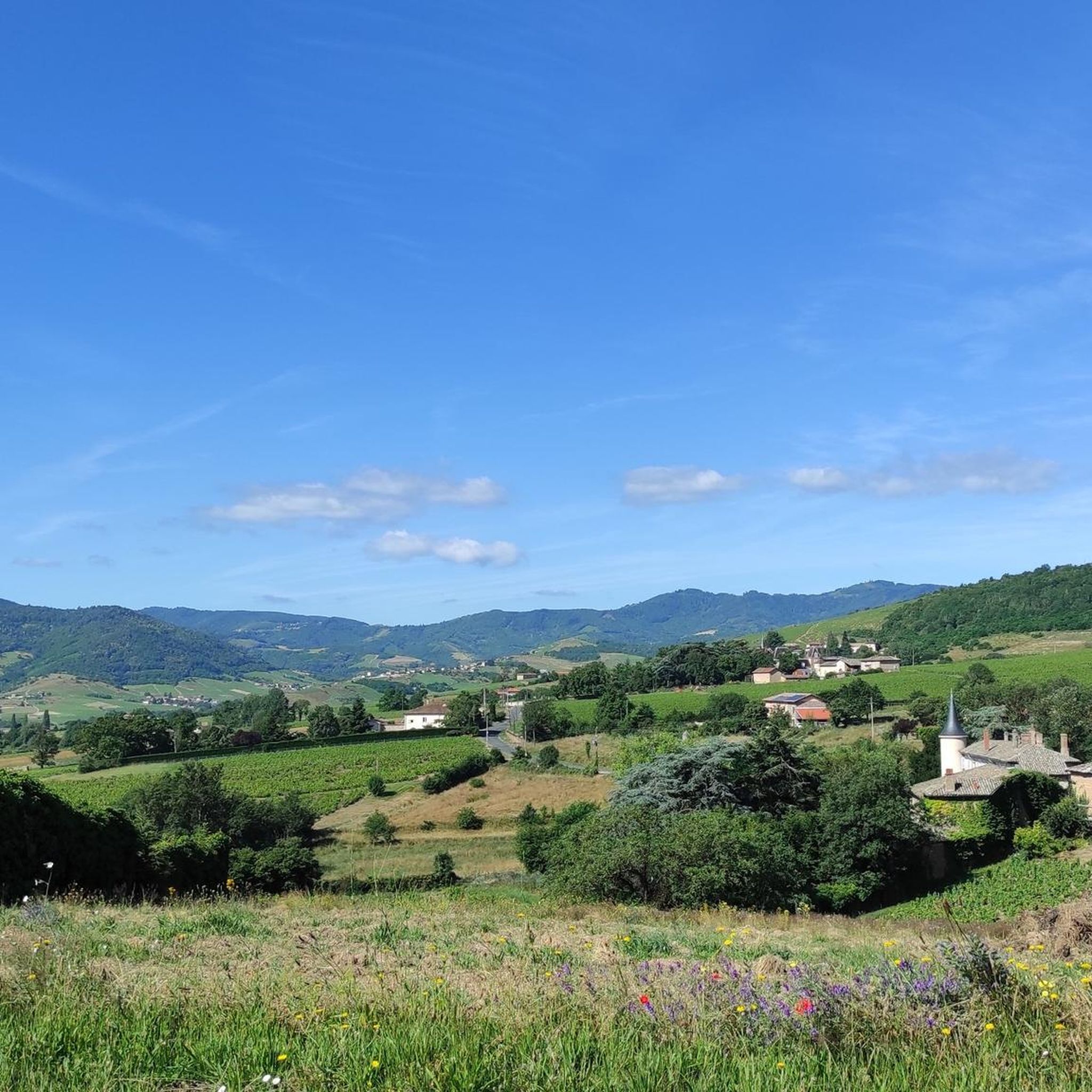
Old fortified house from the 13-14th century.
0
0

The area is too nice to walk around with the Beaujolais moors and the great village of Marchamp.
1
0

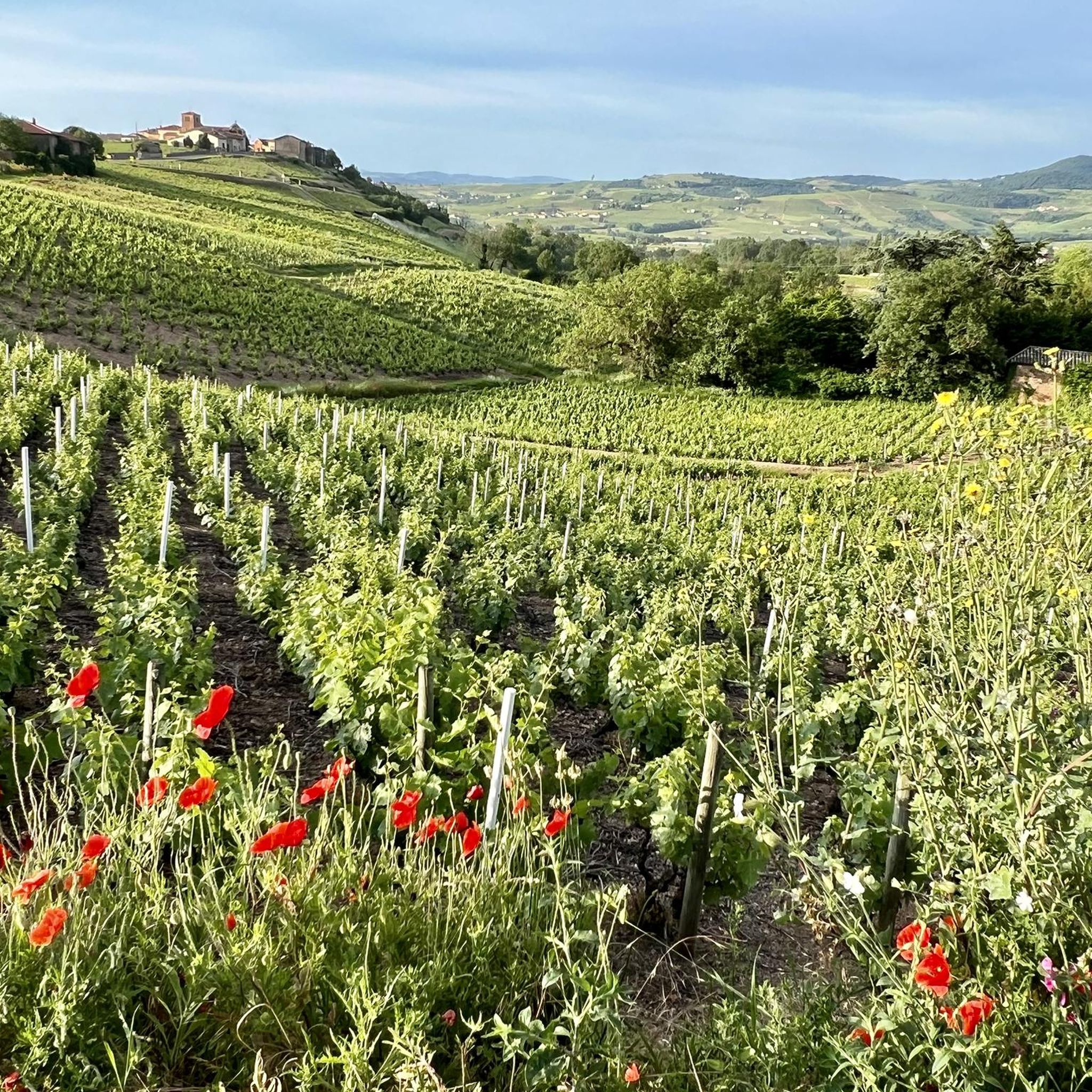
The Château de La Palud was built around 1560 for a powerful family from Beaujolais. Later in 1680, it was acquired by the nuns of Chazeaux. It is used today for agricultural purposes.
0
0
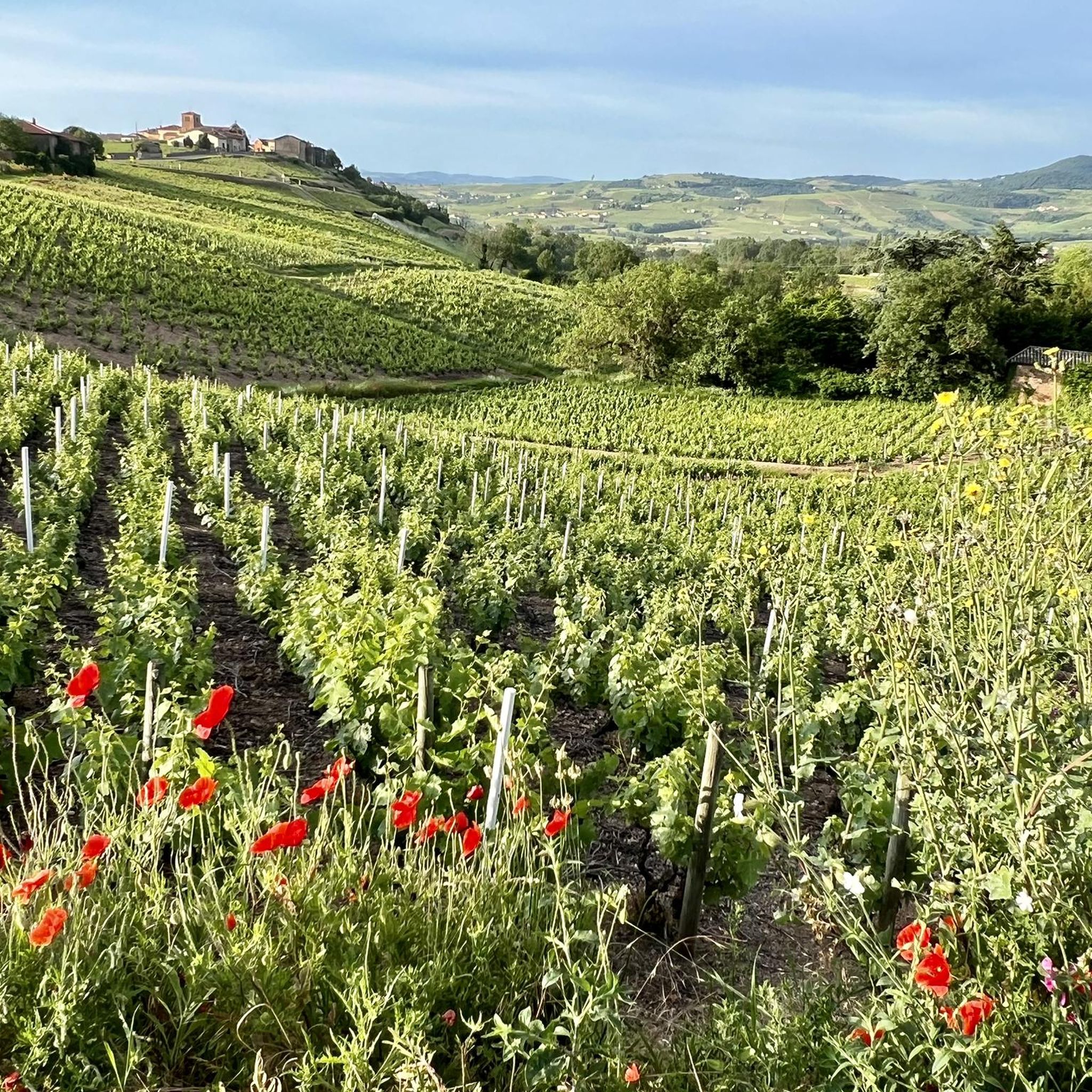
The Château de Varennes is an old fortified castle, from the 11th century. It is labeled “VMF Historical Heritage”. This label is awarded to buildings not protected as Historical Monuments but worthy of interest for the history of art.
1
0

Very nice view over the entire Saône plain.
0
0
Frequently Asked Questions
Which castles are most popular around Saint-Étienne-La-Varenne?
Among the most popular castles are Montmelas Castle, a 10th-century military stronghold rebuilt in neo-Gothic style, and Château du Sou, a 14th-century fortified house with a medieval garden. Visitors also appreciate Château de Varennes, an 11th-century fortified castle that operates as a family vineyard.
Are there castles that offer wine tastings or vineyard tours?
Yes, the region is known for its viticultural heritage. Château de Varennes, an 11th-century fortified castle, is a family vineyard offering tastings and visits. Additionally, Château du Bluizard, a historic wine estate, provides wine tastings of various Beaujolais appellations. Château des Tours also overlooks extensive Brouilly vineyards and offers appreciation of local wines.
What historical features can I expect to see at these castles?
You can explore a rich history. Montmelas Castle dates back to the 10th century as a military stronghold. Château du Sou is a 14th-century fortified house with a medieval garden. Château des Tours features a high 12th-century circular Saracen tower and a Gothic fireplace, offering a glimpse into medieval times.
Are there family-friendly castles to visit in the area?
Yes, Château du Sou is categorized as family-friendly. Its medieval garden and historical setting can be engaging for visitors of all ages. Many of the châteaux also offer open grounds or vineyards that families can explore.
What kind of outdoor activities can I do near the castles?
The Beaujolais region offers various outdoor activities. You can find numerous road cycling routes, such as the 'Ascent to Mont Brouilly' loop, and gravel biking trails, including routes that pass by Château de Varennes. There are also running trails, like the 'Mont Brouilly viewpoint' loop. For more details on routes, you can explore the Road Cycling Routes, Gravel Biking, and Running Trails guides around Saint-Étienne-La-Varenne.
Which castles are known for their architectural significance?
Montmelas Castle, originally a 10th-century stronghold, was rebuilt in the 13th or 14th century and later restored in a neo-Gothic style in the 19th century. Château des Tours is notable for its high 12th-century circular Saracen tower and a second tower housing an armory with a Gothic fireplace.
Can I stay overnight at any of the castles or nearby?
While specific overnight stays at all castles are not detailed, Château des Tours offers group gîtes for accommodation, allowing visitors to immerse themselves in the Beaujolais countryside. The region also has various other accommodation options, including charming guesthouses and hotels.
What makes the Beaujolais region unique for these castles?
The Beaujolais region's unique granitic and sandy soils are integral to its viticultural heritage, influencing the wines produced by many châteaux. This blend of historical architecture and active wine production creates a distinctive experience, where castles are often at the heart of working vineyards.
Are there any castles that are still used for agricultural purposes?
Yes, Château de La Palud, built around 1560, is currently used for agricultural purposes. This highlights the region's deep connection between its historical estates and ongoing agricultural traditions, particularly viticulture.
What do visitors enjoy most about the castles around Saint-Étienne-La-Varenne?
Visitors appreciate the blend of historical architecture and the beautiful vineyard landscapes. The opportunity to explore medieval structures, learn about winemaking traditions, and enjoy wine tastings at places like Château de Varennes is a major draw. The scenic views, such as those from Montmelas Castle, are also highly valued.
Is it possible to host events at any of these castles?
Yes, some castles are equipped for events. Château du Bluizard features a reception hall capable of hosting up to 90 people, making it a popular venue for weddings, family celebrations, and seminars. Château du Sou also functions as a reception hall for weddings.
Most popular routes around Saint-Étienne-La-Varenne
Most popular attractions around Saint-Étienne-La-Varenne

Get inspired with the komoot mobile app


Explore more
Looking for the best castles somewhere else? Discover other guides around Saint-Étienne-La-Varenne:
