Attractions and Places To See around Calonne-Sur-La-Lys - Top 20
Best attractions and places to see around Calonne-Sur-La-Lys include a mix of historical sites and architectural features. The region, situated near the Lys river, offers various points of interest that reflect its history and local character. These attractions provide opportunities for exploration, with some featuring easy walking trails near Calonne-Sur-La-Lys. The area presents a blend of natural and man-made structures for visitors to discover.
Best attractions and places to see around Calonne-Sur-La-Lys
- The most popular attraction is The Thiennes Bridge…
Last updated: July 2, 2026
View from the Thiennes bridge
Highlight • Bridge
Showing Translation
Tip by

The facades of the main square
Highlight • Historical Site
Translated by Google •
Tip by

Sign up now to discover places like this
Get recommendations on the best single tracks, peaks, & plenty of other exciting outdoor places.
Sign up for free
Saint-Venant Town Hall (Rathaus)
Highlight • Other
Translated by Google •
Tip by
Robecq Church
Highlight • Historical Site
Translated by Google •
Tip by
Passerelle de la Lys
Highlight • Bridge
Translated by Google •
Tip by
Sign up for free to discover even more attractions around Calonne-Sur-La-Lys.
Sign up for free
Already have an account?
Start today with a free account
Your next adventure awaits.
Login or Signup

Tips from the Community

The Grand'Place de Béthune is the focal point of the city of Buridan. Destroyed in 1918, it was rebuilt and stands as an architectural example. A group of architects led by L.M. Cordonnier gave it its present-day appearance: eclecticism, Art Deco, and neo-regionalism combine to create a diverse ensemble. Town Hall Rebuilt many times, the current Town Hall was designed by architect J. Alleman. Built between 1924 and 1929, the building stands out from the other buildings with its massive form. Its façade embodies the city's titles and glories: the Croix de Guerre and the Legion of Honor, as well as the city's coat of arms. The Town Hall has been listed as a Historic Monument since April 2002. Some of the square's façades, representative of the Art Deco style, are also listed as Historic Monuments. The Cellars of the Grand'Place Vast cellars, boves, and countermine galleries: the underground of Béthune bears witness to the city's intense activity. During the First World War, the cellars served as refuges for the inhabitants of Béthune. Some cellars of private homes are now open to the public. (Notably at No. 42 Grand'Place) (c) https://www.bethune.fr/bethune-brille/patrimoine-historique/la-grand-place-558.html
0
0

The Pont de Thiennes is a traffic bridge located on the Leie, connecting the municipalities of Thiennes and Aire-sur-la-Lys. The bridge was inaugurated in 2014. It is built of Soignies granite and was financed by the state (33.9%) for war damage, by the department of Pas-de-Calais (33.05%) and by the department of Nord (33.05%). The bridge is equipped with a lifting system to allow the passage of boats.
7
0
The Église Saint-Vaast in Robecq is a beautiful example of Gothic architecture, characterized by its high vaults and pointed arches. The church has an impressive façade with detailed stonework and a tower that rises above the village. Inside, you will find beautiful stained glass windows that create colorful light patterns and depict biblical scenes. The vaults and buttresses are typical elements of the Gothic style, designed to support the structure while giving a sense of height and space.
7
0

absolutely stunning
0
1
and its war memorial
0
0

The Pont de Thiennes is a road bridge located on the Lys, which connects the municipalities of Thiennes and Aire-sur-la-Lys. The bridge was inaugurated in 2014. It is built of Soignies granite and was financed by the State (33.9%) as war damage compensation, by the department of Pas-de-Calais (33.05%) and by the department of Nord (33.05%). The bridge is equipped with a lifting system to allow the passage of boats.
1
0
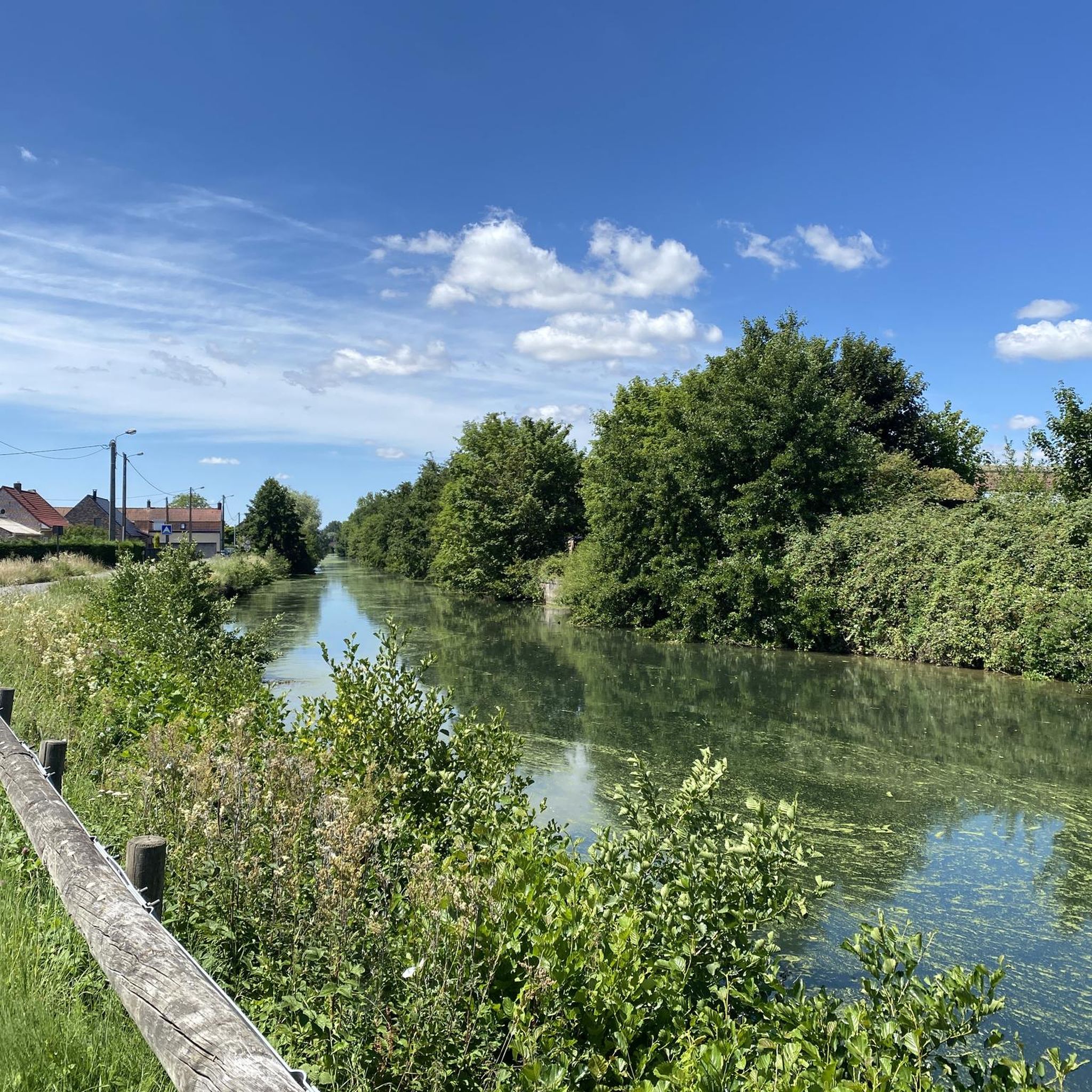
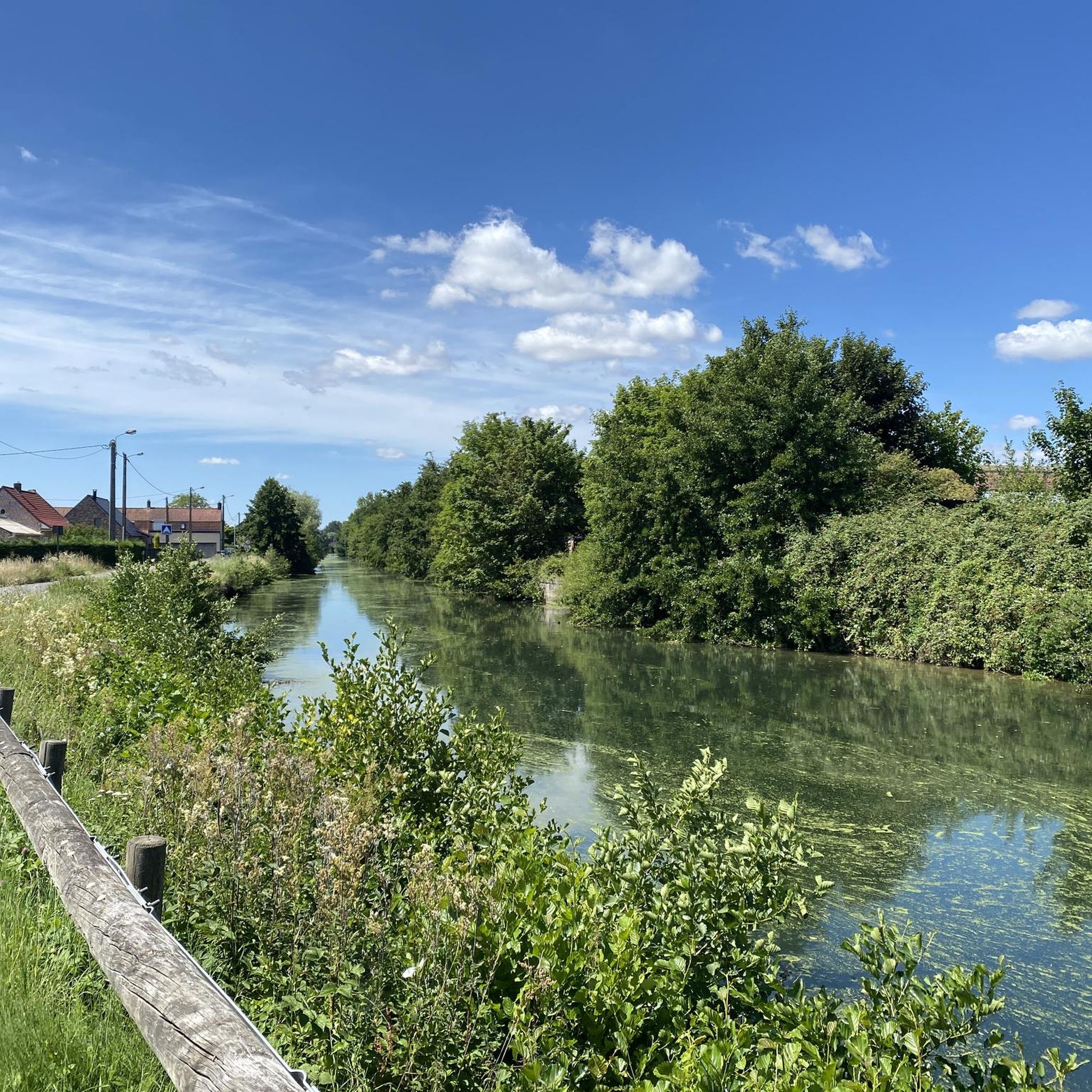
A passerelle that connects the port of Haverskerk with Saint-Venant. Pedestrians and cyclists can easily cross the Leie.
11
0
Frequently Asked Questions
Are there family-friendly attractions around Calonne-Sur-La-Lys?
Yes, several attractions are suitable for families. Both The Thiennes Bridge and Passerelle de la Lys are noted as family-friendly. The Passerelle de la Lys, a pedestrian and cyclist bridge, offers a peaceful route along the Leie river, perfect for a family outing.
What historical sites can I visit near Calonne-Sur-La-Lys?
The region is rich in history. You can explore The facades of the main square in Béthune, which showcase an architectural blend from its rebuilding after 1918. Another significant historical site is the Saint-Venant Town Hall (Rathaus), which has a history as a fortified city and a logistical center during WWI. Additionally, Robecq Church is a beautiful example of Gothic architecture.
Are there any accessible attractions for wheelchair users?
Yes, accessibility is considered for some sites. The Thiennes Bridge is equipped with a lifting system for boats and is wheelchair accessible. The facades of the main square in Béthune also offer wheelchair accessibility.
What kind of outdoor activities can I do near Calonne-Sur-La-Lys?
The area offers various outdoor activities, particularly cycling and hiking. You can find numerous routes for MTB Trails, Gravel biking, and Hiking. These guides provide details on routes like the 'Château de la motte au bois – Small bridge loop' for MTB or 'Memories of the First World War' for hiking.
Are there easy walking trails near Calonne-Sur-La-Lys?
Yes, there are easy walking trails available. The Passerelle de la Lys offers a peaceful route along the Leie river, suitable for pedestrians and cyclists. For more structured walks, you can explore the Hiking around Calonne-Sur-La-Lys guide, which includes routes of varying difficulties.
What are the most popular attractions according to komoot users?
Komoot users highly appreciate The Thiennes Bridge, which is the most popular attraction. Other favorites include The facades of the main square in Béthune and Passerelle de la Lys, a scenic bridge for pedestrians and cyclists.
Can I find viewpoints or scenic spots in the area?
Yes, the Passerelle de la Lys is noted as a viewpoint, offering scenic views along the Leie river. This pedestrian and cyclist bridge provides a peaceful setting to enjoy the surrounding landscape.
What is the architectural style of the buildings in the main square of Béthune?
The main square of Béthune, specifically The facades of the main square, showcases a unique architectural blend. After being rebuilt following 1918, it features eclecticism, Art Deco, and neo-regionalism styles, creating a diverse and historically significant ensemble.
Are there any notable bridges to see?
Absolutely. The Thiennes Bridge is a prominent road bridge connecting Thiennes and Aire-sur-la-Lys, known for its Soignies granite construction and lifting system. Another significant bridge is the Passerelle de la Lys, a charming pedestrian and cyclist bridge connecting Haverskerk with Saint-Venant.
What is the significance of Saint-Venant in history?
Saint-Venant has a rich history, particularly during wartime. It was a fortified city that became part of France in 1713. During the First World War, Saint-Venant served as a crucial logistical center for the Allies, hosting a health center for British and Indian soldiers and later a Portuguese army corps. You can learn more about its history at the Saint-Venant Town Hall (Rathaus).
Can I find routes for mountain biking or gravel biking?
Yes, the area around Calonne-Sur-La-Lys is well-suited for cycling. You can explore various routes for MTB Trails, including loops like 'Château de la motte au bois – Small bridge loop'. For gravel biking enthusiasts, the Gravel biking around Calonne-Sur-La-Lys guide offers routes such as 'Canal d'Aire Greenway – Terril 46 of Verquigneul loop'.
What kind of natural features are prominent in the region?
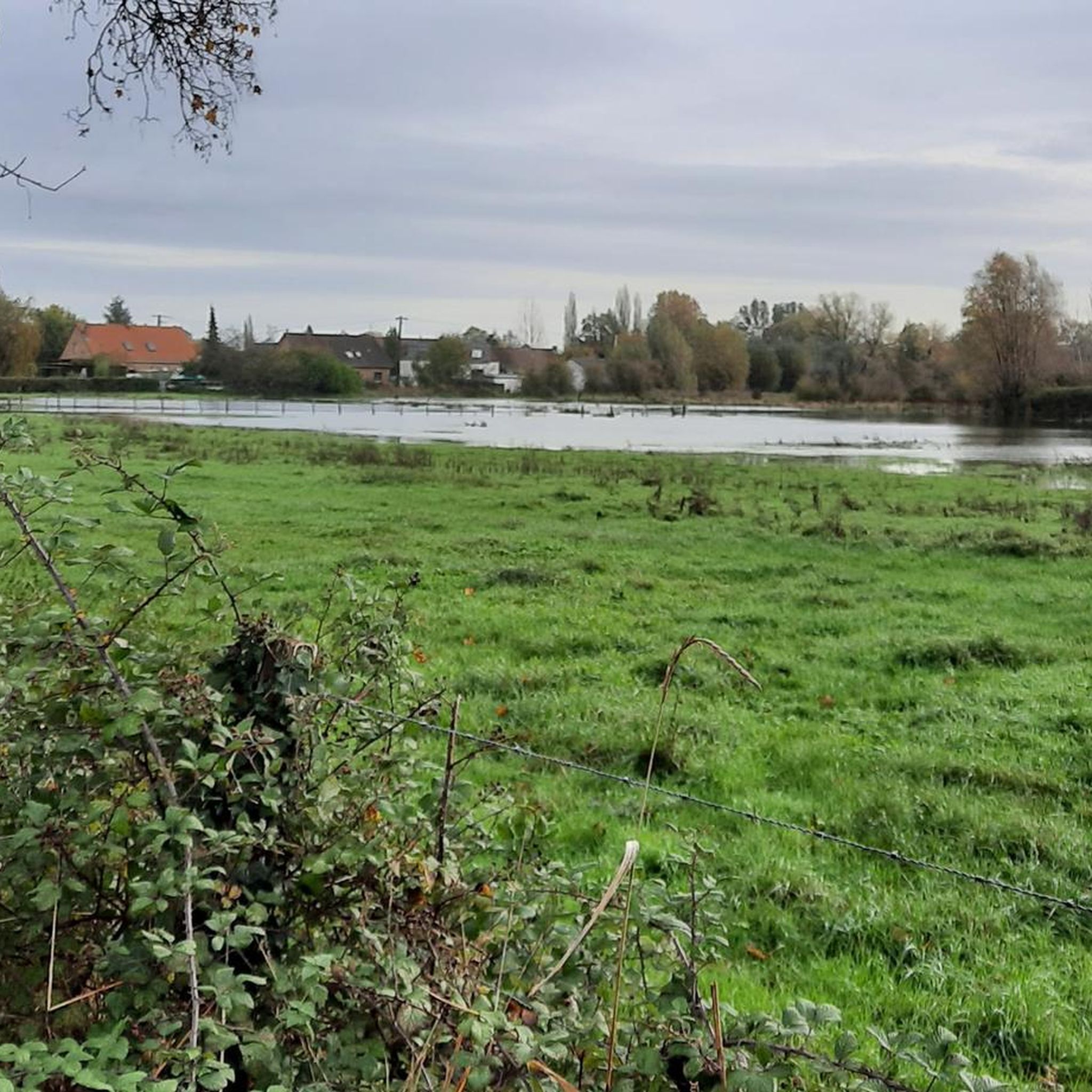
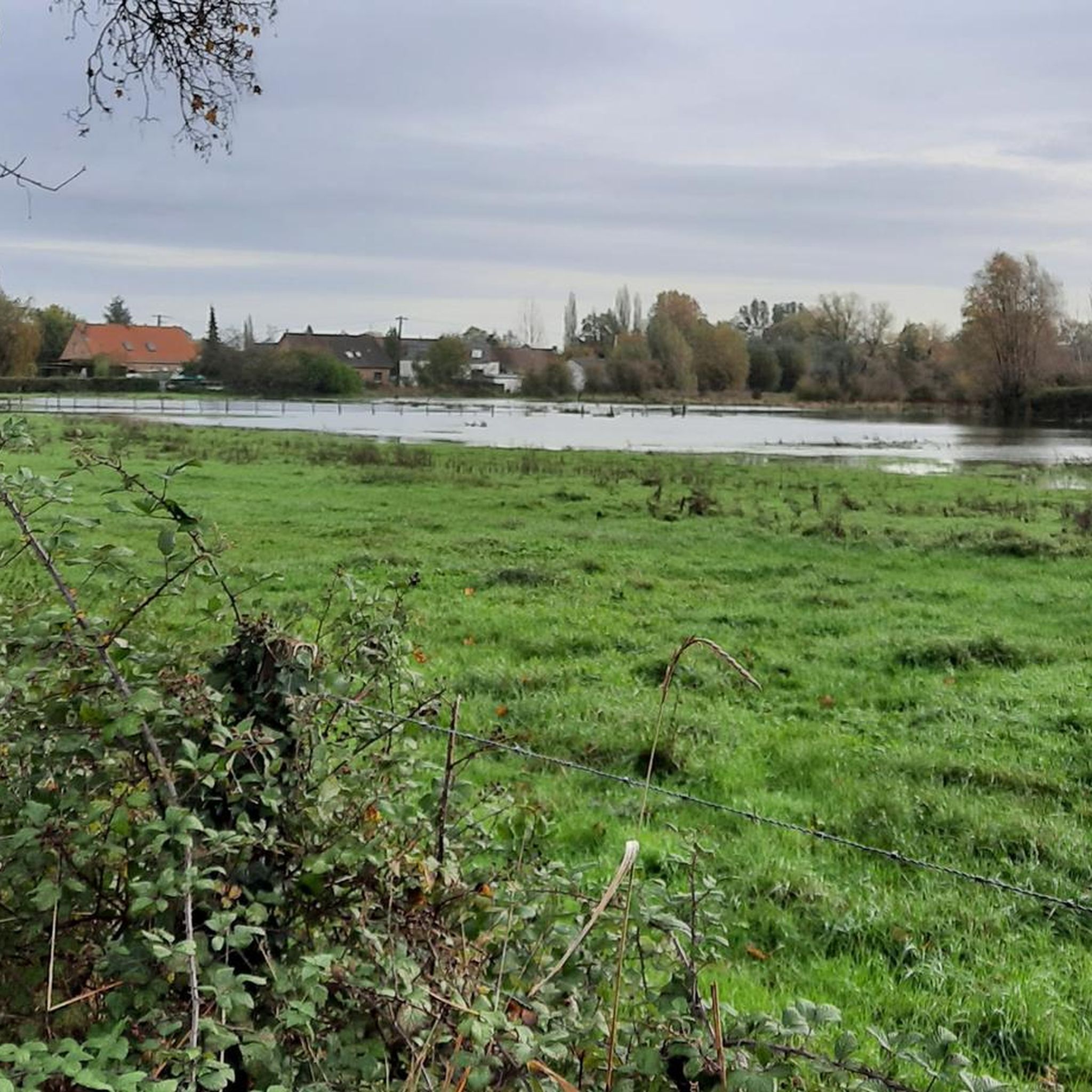
The Lys river is a prominent natural feature, with attractions like The Thiennes Bridge and Passerelle de la Lys situated along its banks. The river provides opportunities for peaceful walks and cycling routes, highlighting the area's blend of natural and man-made structures.
Most popular routes around Calonne-Sur-La-Lys

Get inspired with the komoot mobile app


Explore more
Still not found the Highlight you’re looking for? See guides of the top attractions in other regions:
