Attractions and Places To See around Bourdonnay - Top 20
Best attractions and places to see around Bourdonnay, a commune in the Moselle department of the Lorraine region of France, offers a tranquil setting. The area is characterized by its natural landscape, including the Canal de la Marne au Rhin and proximity to the Vosges foothills. It provides opportunities for exploration and relaxation, with a focus on natural features and historical sites. The region offers a peaceful environment with options for hiking and cycling on dedicated tracks.
Best attractions and…
Last updated: June 23, 2026
The Great Lock of Réchicourt
Highlight • Monument
Translated by Google •
Tip by

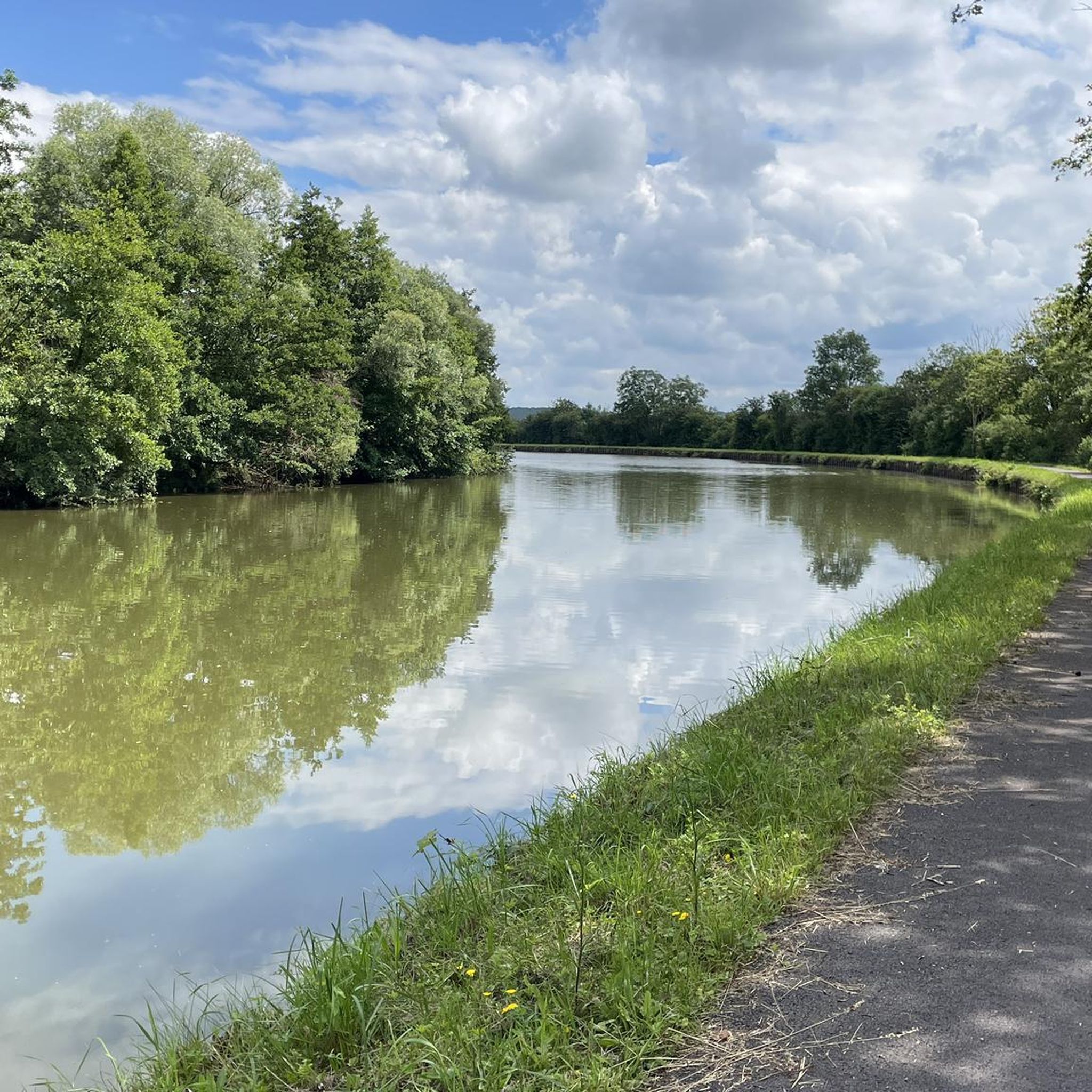
Marne–Rhine Canal
Highlight • River
Translated by Google •
Tip by

Sign up now to discover places like this
Get recommendations on the best single tracks, peaks, & plenty of other exciting outdoor places.
Sign up for free
Réchicourt Castle 🏰
Highlight • Historical Site
Translated by Google •
Tip by

Lagarde - Le Grand Ecluse (Canal de la Marne au Rhin)
Highlight (Segment) • Other
It was nice that we were greeted with Edvard Grieg's morning mood.
Unfortunately, I can't upload a video - the atmosphere was wonderful.
The bike path along …
Translated by Google •
Tip by

Château de Romécourt
Highlight • Castle
fr.wikipedia.org/wiki/Ch%C3%A2teau_de_Rom%C3%A9court
Translated by Google •
Tip by

Sign up for free to discover even more attractions around Bourdonnay.
Sign up for free
Already have an account?
Start today with a free account
Your next adventure awaits.
Login or Signup
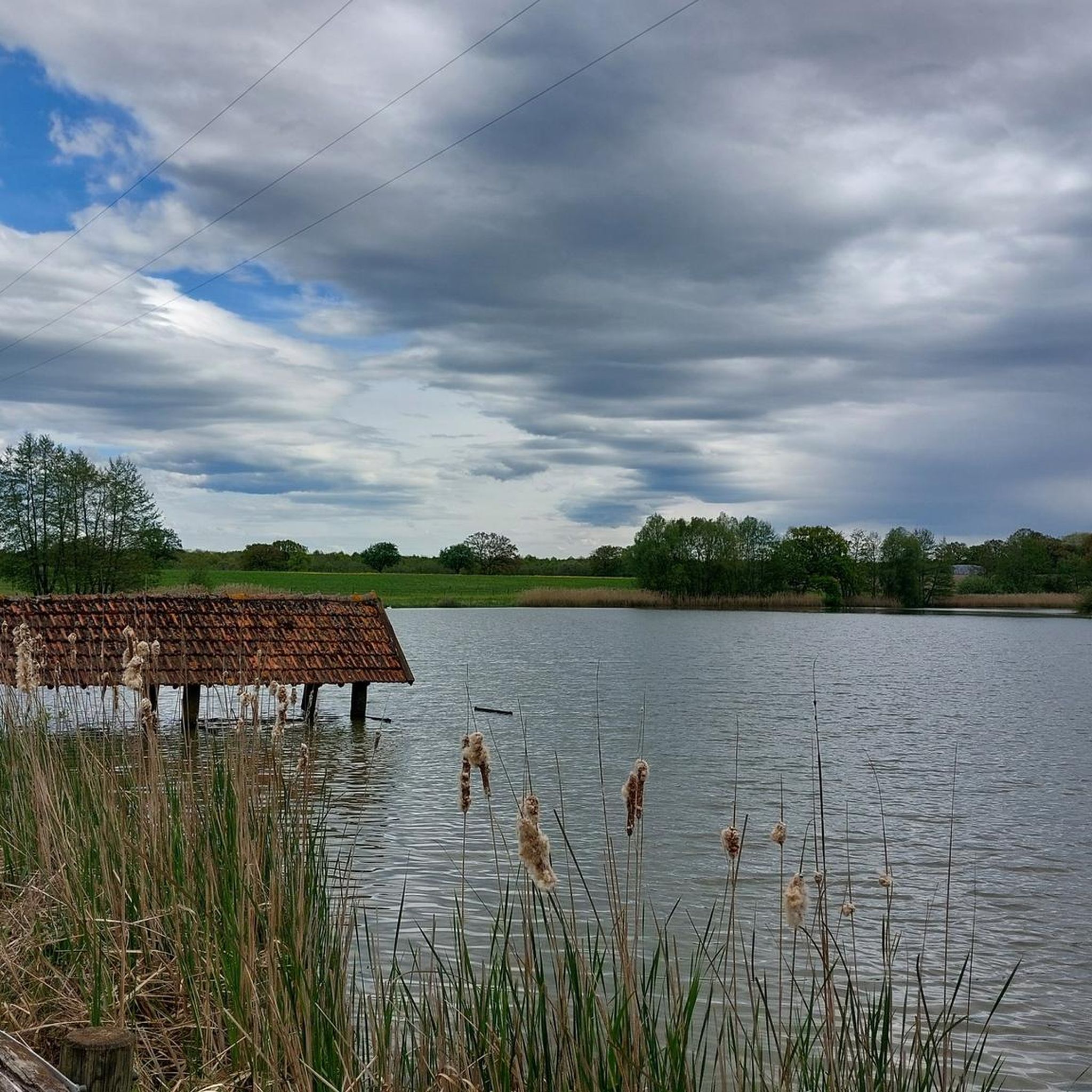
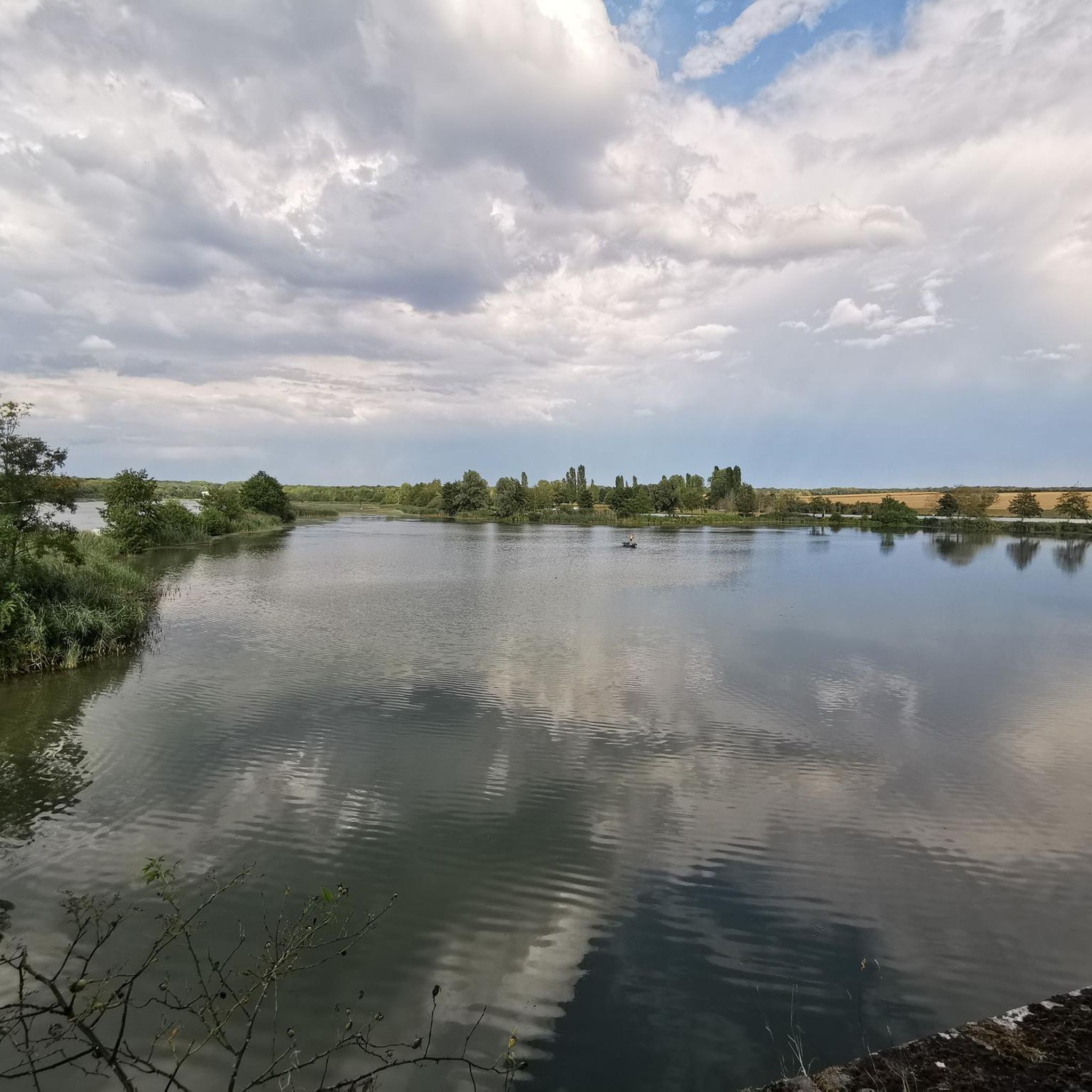
Tips from the Community

A small relief to ride flat along the canal for a while when you come from the hilly area.
10
0

Very nice and well-developed cycle path.
1
0

The canal is worth a bike trip - although the section between Nancy and Xouaxange does not offer such outstanding landscapes.
3
0
An impressive building. It was nice that we were greeted with Edvard Grieg's morning mood. Unfortunately, I can't upload a video - the atmosphere was wonderful. The bike path along the canal is really good. I also took a few pictures for the trail view.
2
0

A little further away you can still find the old canal and locks with lock houses. I have added 2 or 3 pictures.
4
0

listed 16th century fortified farm, tranquility and nature. Share of Moselle and Lorraine heritage
0
0

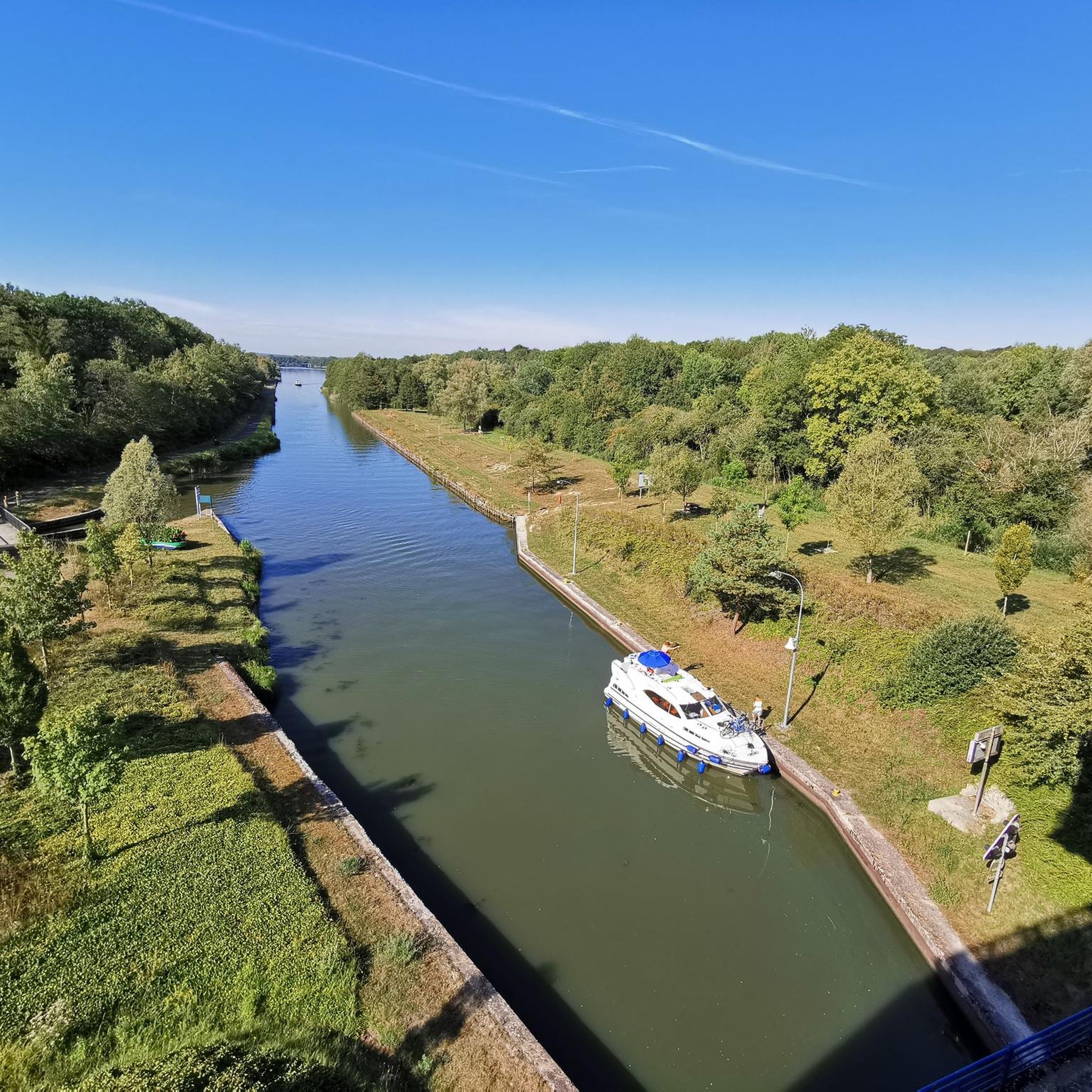
The Écluse de Réchicourt-le-Château shaft lock, built between 1960 and 1965 and approximately 3 km from the main town along the Rhine-Marne Canal, replaces a lock staircase with six locks. Depending on the water level in the canal, their fall height is 15.45 to 16.10 meters. This makes it the highest French lock in a barge canal.
4
0

The place on the Romance-Germanic language border was first mentioned in 770, as well as in 1103 as Castrum Richis Curtis and in 1273 as Ruchesingne.[1] He belonged to the diocese of Metz.[2] As an imperial fief independent of the Duchy of Lorraine, the town belonged to the Counts of Leiningen from the 13th century. Belonging to German Bellism, their rule included Rixingen, among other things. the towns of Avricourt, Gondrexange (Gunderchingen) and Xouaxange (Schweixingen). During the Thirty Years' War, Rixingen was looted and devastated four times by the Swedes between 1628 and 1630. In 1667, Adolf Johann I of Zweibrücken came into possession of the imperial fiefdom of Rixingen through purchase; in the 18th century the Dukes of Richelieu owned the county.[1] Through the Peace of Frankfurt on May 10, 1871, the region came to the German state of Alsace-Lorraine, and the village was assigned to the Saarburg district in the Lorraine district. Rixingen was the canton's capital.[2] After the First World War, the region had to be ceded to France in 1919 due to the terms of the Treaty of Versailles and became part of the Moselle department. During the Second World War, the region was occupied by the German Wehrmacht from June 1940 to mid-1944 and was under German administration. On November 18, 1944, the place was taken by US forces in alliance with the 44th French Infantry Division,[3] which was followed by the battles for Alsace and Lorraine. Réchicourt-le-Château belonged to the constituency (canton) of Réchicourt-le-Château until it was dissolved in 2015. Unfortunately, it is not worth visiting the ruins of the château. Danger of collapse.
0
0
Frequently Asked Questions
What are the best places for cycling or walking along the water near Bourdonnay?
The Marne–Rhine Canal offers a scenic and flat route ideal for both cycling and walking, providing a pleasant environment to unwind. Another impressive spot is The Great Lock of Réchicourt, an engineering marvel on the canal that also serves as a well-maintained bivouac spot with picnic tables and barbecues.
Are there any specific hiking or cycling routes recommended around Bourdonnay?
Yes, the area offers various routes for outdoor enthusiasts. For mountain biking, you can explore trails like the 'Étang de Wuisse loop from Dieuze' or the 'Kerprich-aux-Bois lock – Étang du Stock loop from Dieuze'. Road cyclists might enjoy the 'Château d'Alteville – Étang des Souches loop from Dieuze'. For runners, there are options like the 'Étang des Essarts – Le Fort loop from Dieuze' or the 'Étang de Lindre – Lindre Pond loop from Lindre-Basse'. You can find more details on these and other routes in the respective guides for MTB Trails, Road Cycling Routes, and Running Trails around Bourdonnay.
What historical sites can I visit near Bourdonnay?
You can explore several historical sites in the vicinity. The Château de Romécourt is a 16th-century fortified farm that offers tranquility and a glimpse into Moselle and Lorraine heritage. Additionally, the Réchicourt Castle 🏰, though in ruins, holds significant historical importance, dating back to 770 AD. The impressive The Great Lock of Réchicourt, built in the 1960s, is also a notable man-made monument that replaced an older lock staircase.
Are there family-friendly attractions or activities around Bourdonnay?
Yes, there are options for families. The Great Lock of Réchicourt is a great spot with picnic tables, barbecues, and even a shared library, making it pleasant for a family outing. The Château de Romécourt is also categorized as family-friendly. Further afield, the Parc Animalier de Sainte-Croix in Rhodes is a wildlife park featuring family rooms, a children's playground, and a restaurant, making it a suitable destination for families.
What natural areas are worth exploring near Bourdonnay?
Beyond the Marne–Rhine Canal, the Domaine Départemental de Lindre, located about 9 kilometers away, is a significant natural attraction known for its beauty. The river La Seille also flows through the area, offering natural scenery. Bourdonnay is nestled in a green setting close to the 'land of lakes at the foot of the Vosges,' providing a peaceful environment with opportunities for hiking and cycling on dedicated tracks, and fishing is popular in the region.
What do visitors enjoy most about the attractions around Bourdonnay?
Visitors particularly appreciate the tranquility and natural beauty of the area. The Marne–Rhine Canal is loved for being a 'piece of nature to unwind,' offering a flat and scenic route. The Great Lock of Réchicourt is praised for its impressive engineering and well-maintained picnic and barbecue facilities, creating a pleasant atmosphere. The historical sites like Château de Romécourt are valued for their peaceful setting and heritage.
Are there any wheelchair-accessible attractions in the Bourdonnay area?
Yes, the Marne–Rhine Canal is noted as being wheelchair accessible, offering a flat path for enjoyment. This makes it a good option for those seeking accessible outdoor experiences.
What is the best time of year to visit Bourdonnay for outdoor activities?
The region around Bourdonnay, with its canals and natural landscapes, is generally best enjoyed during the warmer months, from spring to early autumn. This period offers pleasant weather for cycling, walking, and exploring the natural and historical sites. The 'land of lakes at the foot of the Vosges' is particularly inviting when the weather is mild.
Are there any notable castles or châteaux in the vicinity of Bourdonnay?
Yes, the area features several historical castles. The Château de Romécourt is a listed 16th-century fortified farm. You can also find the ruins of Réchicourt Castle 🏰 nearby, which has a long history. Further afield, the Château de Moyen and the impressive Château de Lunéville are also within a reasonable driving distance.
Where can I find local markets or unique gardens near Bourdonnay?
While Bourdonnay itself is small, the surrounding towns host various markets, such as in Dieuze, Lunéville, and Sarrebourg. For those interested in gardens, there are several remarkable options within a 30 to 50 km radius, including the Parc romantique et Art Nouveau du château and Jardin Alexandre-Godron.
Are there any easy walks or trails suitable for a relaxed outing near Bourdonnay?
Absolutely. The flat paths along the Marne–Rhine Canal provide excellent opportunities for easy and relaxed walks, especially if you're coming from hillier terrain. These paths are perfect for a leisurely stroll or a gentle bike ride, allowing you to enjoy the scenic environment without significant difficulty.
What cultural attractions are available beyond natural landscapes?
Beyond the natural beauty, you can visit the Musée du Sel (Salt Museum) for insights into the history and importance of salt in the region. The city of Nancy, about 40 km away, also offers a rich cultural experience, particularly around its impressive Place Stanislaus, a UNESCO World Heritage site.
Most popular attractions around Bourdonnay

Get inspired with the komoot mobile app


Explore more
Still not found the Highlight you’re looking for? See guides of the top attractions in other regions:
