The best road cycling routes around Courrières
4.3
(234)
4,974
riders
439
rides
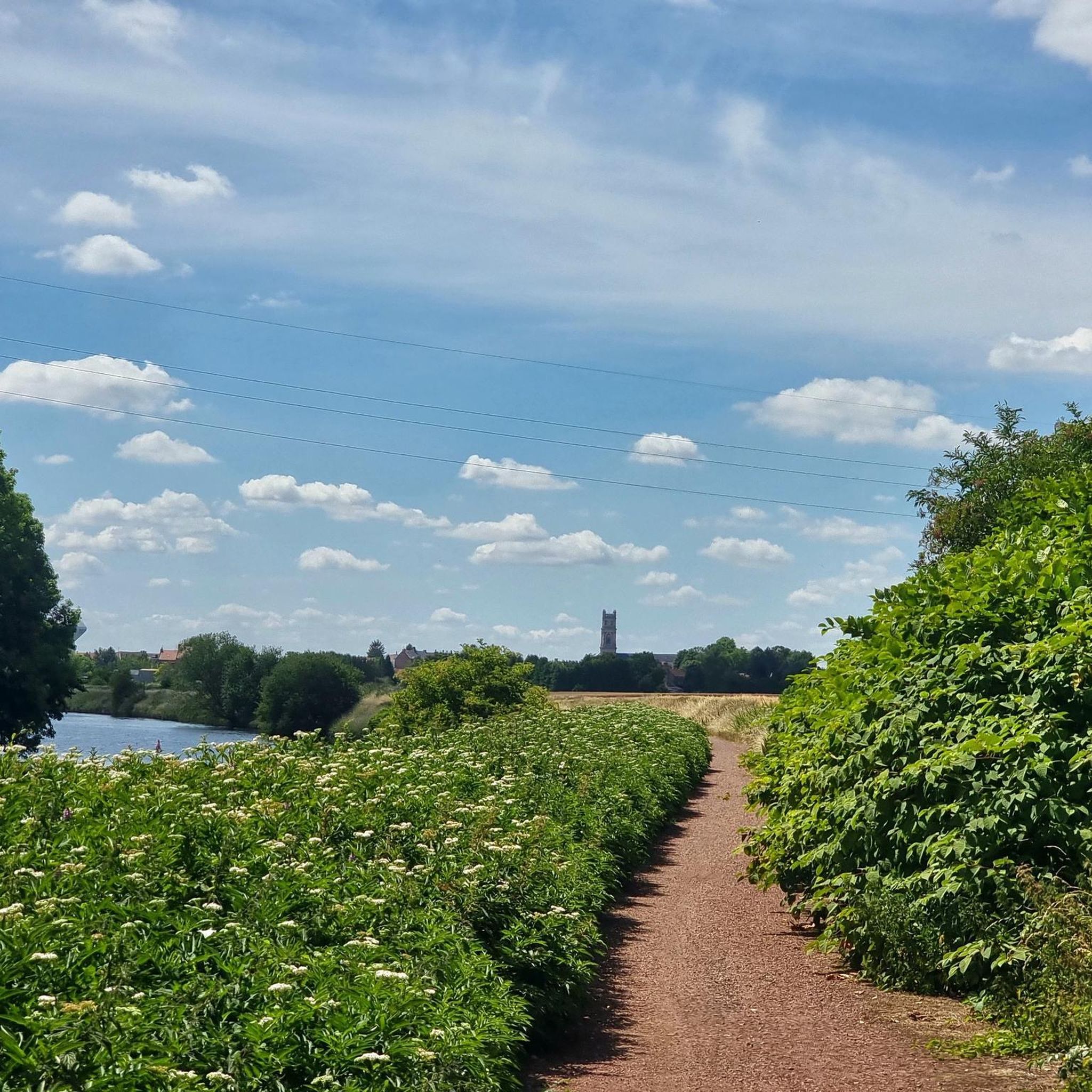
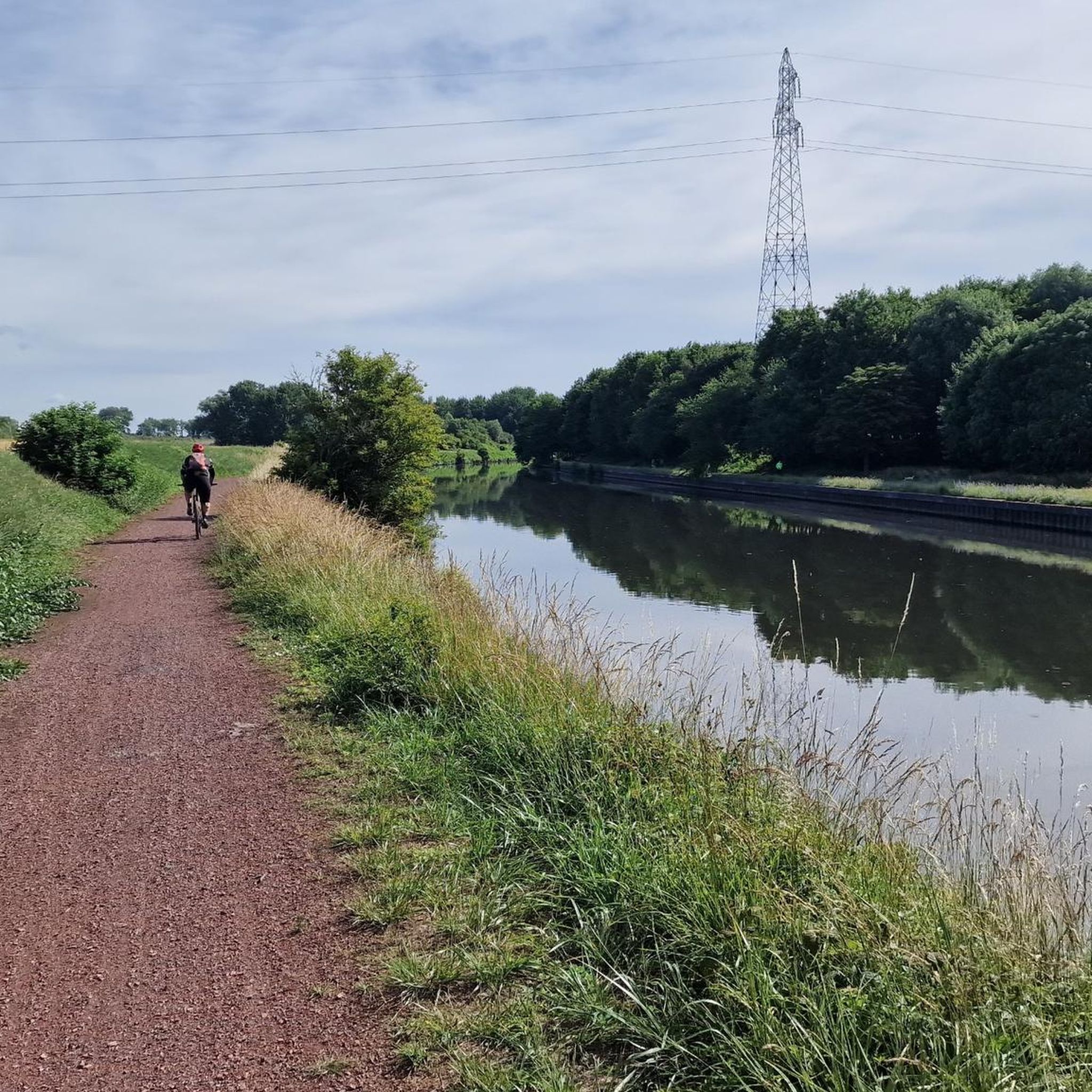
Road cycling around Courrières offers a blend of natural beauty and historical landscapes in the Pas-de-Calais region. The area is characterized by its network of paved cycling routes along the Souchez and Deûle canals, providing flat and accessible terrain. Cyclists will encounter reconverted mining heaps, known as terrils, which now form unique natural spaces and offer panoramic viewpoints. The diverse environment includes wetlands, wooded areas, and open water bodies, creating varied backdrops for rides.
Best road cycling routes around Courrières
…Last updated: July 1, 2026
5.0
(1)
158
riders
69.0km
03:09
450m
450m
Moderate road ride. Good fitness required. Mostly well-paved surfaces and easy to ride.
5.0
(1)
48
riders
102km
04:10
580m
580m
Moderate road ride. Good fitness required. Mostly well-paved surfaces and easy to ride.

Sign up for free
4.7
(3)
36
riders
49.0km
02:01
220m
220m
Moderate road ride. Good fitness required. Mostly well-paved surfaces and easy to ride.
5.0
(1)
12
riders
30.3km
01:14
150m
150m
Easy road ride. Great for any fitness level. Mostly well-paved surfaces and easy to ride.
4.0
(2)
9
riders
33.7km
01:19
90m
90m
Easy road ride. Great for any fitness level. Mostly well-paved surfaces and easy to ride.
Get access to more routes and recommendations from other explorers.
Sign up for free
Already have an account?
Our route recommendations are based on thousands of hikes, rides, and runs completed by other people on komoot.
Start today with a free account
Your next adventure awaits.
Login or Signup



Tips from the Community

A remarkable story about the Vimy Memorial concerns its unveiling in 1936. More than 50,000 people, including 6,200 Canadians, attended the ceremony. The presence of so many veterans and survivors underscored the profound impact of the war and the enduring bond between Canada and France. The memorial has since become a symbol of Canadian courage and sacrifice.
6
0
The Mémorial national du Canada à Vimy is an impressive war memorial, commemorating the members of the Canadian Expeditionary Force who died during the First World War. The memorial, designed by Walter Seymour Allward, was unveiled on 26 July 1936 by King Edward VIII. It commemorates the 11,169 Canadian soldiers who died in France and have no known grave.
7
0

Within the 107 hectares of the Vimy Ridge National Historic Site of Canada, near the grandiose memorial erected in honor of the 66,000 Canadian soldiers who died in the Great War, a more modest building is dedicated "to the memory (...) of the officers, non-commissioned officers, and soldiers of the Moroccan Division who fell gloriously here on May 9, 10, and 11, 1915." Before the Canadians captured Vimy Ridge from the Germans in April 1917, other soldiers had already set foot there but were unable to hold their ground due to a lack of reinforcements and sufficient artillery support. These "forerunners" were the Moroccan Zouaves and riflemen, wearing red chechias and baggy trousers, accompanied in the Moroccan Division by Foreign Legion volunteers from 52 countries. To the men of the Moroccan Division who set out to assault Vimy Ridge On the morning of May 9, 1915, they broke through the German lines, crossed Folie Wood, and approached Vimy Ridge. To monitor their advance and adjust artillery fire, squares of white cloth were sewn to their backs, making them prime targets for the Germans on their flank. Furthermore, the artillery was running low on ammunition, and reinforcements were not forthcoming: the order to withdraw came with the evening. The Moroccan soldiers were forced to abandon the conquered ground at the cost of heavy losses. The riflemen of the Moroccan Division were among the approximately 820,000 men mobilized in the French colonies or protectorates during the First World War, including 636,000 sent to France as soldiers or laborers. Among the 449,000 engaged in the fighting, the majority came from Algeria (150,000) and the others from sub-Saharan Africa (135,000), Indochina (43,000), Tunisia (39,000), Morocco (34,000). 70,000 of them died on French soil.
0
0
The Vimy Memorial is the most prestigious Canadian monument in Europe. It is located on the very site of the 1917 fighting near Vimy in the Pas-de-Calais region of France. Erected on the highest point of the hill, Hill 145, the objective of the operations that began on April 9, 1917, it overlooks the Douai Plain. In 1921, architect and sculptor Walter S. Allward (1875-1955) won the competition from the Canadian Battlefield Memorials Commission. The significance of the battles at the site and the favorable location at the top of the hill allowed Vimy to receive the most prestigious work.
1
0


The Canadian National Vimy Memorial (Vimy, Pas-de-Calais department) is a memorial dedicated to those who were missing or killed in World War I in the Canadian Expeditionary Force. The monument is located on the site of a well-preserved or partially reconstructed battlefield, including trenches and tunnels. Guided tours are offered in French and English, there are several memorials, a permanent and a temporary exhibition, a museum shop and a marked hiking trail that conveys the history of the site.
0
0

The "bump" in the corner, the only one ;)
0
1

I went there late one evening, a calm that does you good, a great panorama night and day
0
0
Frequently Asked Questions
What kind of terrain can I expect when road cycling around Courrières?
The terrain around Courrières is generally flat and accessible, primarily featuring paved cycling routes along the Souchez and Deûle canals. You'll also encounter unique landscapes shaped by reconverted mining heaps, known as terrils, which offer distinctive visual interest and occasional gentle inclines. The area blends canal-side paths with diverse natural environments, including wetlands and wooded areas.
Are there many road cycling routes available in Courrières?
Yes, Courrières offers a wide selection of road cycling routes. There are over 440 routes available, catering to various skill levels. You'll find a good mix of easy, moderate, and some more challenging options.
What are some notable landmarks or scenic viewpoints along the road cycling routes?
Road cycling routes in Courrières often pass by fascinating landmarks. You can experience the unique reconverted mining heaps, such as the Ostricourt slag heap or the Loos-en-Gohelle slag heap, which provide panoramic views. The routes also follow the scenic Souchez and Deûle canals, offering tranquil waterside vistas and opportunities to observe local birdlife.
Are there family-friendly road cycling routes in Courrières?
Absolutely. The canal-side paths along the Souchez and Deûle canals are generally flat and well-suited for family rides. These routes offer a safe and pleasant environment for cyclists of all ages. The Parc des Berges de la Souchez, which integrates with the canal paths, also provides recreational facilities like the Parc de Loisirs Léo Lagrange, making it ideal for family outings.
What is the best time of year to go road cycling in Courrières?
While specific seasonal conditions can vary, the region's generally mild climate makes road cycling enjoyable for much of the year. Spring and autumn often offer pleasant temperatures and beautiful scenery. The canal paths are accessible in most conditions, though checking local weather forecasts is always recommended.
Can I find routes suitable for beginners or those looking for an easy ride?
Yes, Courrières has over 100 easy road cycling routes. A great option for a more relaxed ride is the Farbus Hill – Vauthier Marker No. 39 loop from Dourges, which is rated as easy and takes about 1 hour 50 minutes to complete, leading through gentle hills and open landscapes.
Are there any longer or more challenging road cycling routes for experienced cyclists?
For experienced cyclists seeking a longer challenge, the Fampoux - Canalized Scarpe – Memory Cycle Route loop from Dourges is a moderate 62.6-mile (100.8 km) path that follows canalized waterways and passes through areas of historical significance. There are also 28 routes rated as difficult for those looking for a significant workout.
What do other road cyclists enjoy most about the routes in Courrières?
The road cycling routes in Courrières are highly rated by the komoot community, with an average score of 4.4 stars from over 200 reviews. Cyclists often praise the blend of natural beauty, the historical landscapes, and the well-maintained paved paths along the canals. The unique terrils and diverse environments also contribute to a memorable cycling experience.
Are there options for parking near the road cycling routes?
While specific parking details for every route vary, Courrières and its surrounding areas are generally well-equipped for visitors. Many routes, especially those integrated with parks like the Parc des Berges de la Souchez, often have designated parking areas. It's advisable to check the starting point of your chosen route for specific parking information.
Can I access the road cycling routes using public transport?
Courrières is part of the Pas-de-Calais region, which has public transport links. While direct access to every trailhead by public transport might vary, the town's location along major canal networks means that some routes are accessible from urban centers. For detailed public transport information, it's best to consult local transport schedules.
What is the typical duration of road cycling routes in Courrières?
Route durations vary significantly based on distance and difficulty. For example, the Hautois Wood – Chevalet D'Evin loop from Courrières is a moderate 34.3 km route that typically takes around 1 hour 23 minutes. Longer routes, like the Fampoux - Canalized Scarpe – Memory Cycle Route loop from Dourges, can take over 4 hours.
Are there any amenities or facilities for cyclists along the routes?
The Parc de Loisirs Léo Lagrange, integrated with the Parc des Berges de la Souchez, offers amenities such as multi-sports facilities, children's play zones, and even collective barbecues. While not every route will have direct amenities, Courrières and nearby towns provide cafes, pubs, and accommodation options for cyclists.
Most popular routes around Courrières
Most popular attractions around Courrières

Get inspired with the komoot mobile app


Explore more
Browse the best Road cycling routes in other regions.
