Attractions and Places To See around Écoust-Saint-Mein - Top 20
Best attractions and places to see around Écoust-Saint-Mein primarily focus on its historical significance during World War I. This commune in the Pas-de-Calais department of France features several poignant landmarks related to this period. The landscape is characterized by mostly flat terrain with gentle slopes, fertile land, and small streams. While a quiet, rural area, its history and proximity to larger towns like Arras provide various points of interest.
Best attractions and places to see around Écoust-Saint-Mein
- The most popular…
Last updated: July 8, 2026
Hibers Trench Cemetery
Highlight • Other
Translated by Google •
Tip by

1917 — Écoust-Saint-Mein
Highlight • Other
Translated by Google •
Tip by

Sign up now to discover places like this
Get recommendations on the best single tracks, peaks, & plenty of other exciting outdoor places.
Sign up for free
Chapel of Our Lady of La Salette
Highlight • Other
It is a small square building. On the facade is the entrance door. On each …
Translated by Google •
Tip by
Beairsto Avenue
Highlight (Segment) • Other
Translated by Google •
Tip by
Bapaume Town Hall
Highlight • Monument
Translated by Google •
Tip by
Sign up for free to discover even more attractions around Écoust-Saint-Mein.
Sign up for free
Already have an account?
Start today with a free account
Your next adventure awaits.
Login or Signup



Tips from the Community

Hibers Trench Cemetery, situated just north-west of Wancourt near Arras, was begun in April 1917 by the 50th (Northumbrian) Division shortly after the area was captured by British forces at the Battle of Arras. The cemetery contains 136 graves, six of which are unidentified, and also includes three Canadian graves added later in 1918. The simple design is by G.H. Goldsmith and reflects the understated dignity of this memorial. Its position on the Wancourt-Arras road makes it a silent witness to the fierce fighting that took place here, and the presence of personal inscriptions on some of the headstones emphasises the human story behind the numbers. A place of peace, remembrance and reflection.
10
0

The town of Bapaume built its first Town Hall, a symbol of the city's independence, during the 12th century. The ground floor served as a market hall for merchants. Upstairs are the council chamber and the hall where public festivals were celebrated. The current architecture of the Town Hall is similar to the previous one, built between 1583 and 1611 and destroyed on March 25, 1917 following the explosion of a time bomb left by the Germans. After a slow and dangerous mine-clearing operation, it was rebuilt in its original location in 1931 and 1932 according to the plans of Mr. Eugène Bidard. The town's coat of arms is sculpted on the keystone of the entrance door. The slate roof is decorated with pointed dormers. At the top of the tower, an outdoor gallery allows you to admire the panorama. The belfry spire peaks at 55m.
6
0
Today the chapel is primarily a pilgrim chapel and resting place with a guest book.
7
0
Chapel built in 1934. The chapel is located outside the village on a hiking trail. It is a small square building. On the facade is the entrance door. On each side are two Corinthian-style pilasters. Above the door is the name of the chapel and above it is a triangular molding. Then we have a cornice. On each side of the wall, a bay in a pointed arch. The roof is a bulbous roof with four sides. The chevet is a regular apse, Inside is a niche where you can see a statue of the Virgin. Just below the Virgin is a small altar. On each side of the walls there are two small shelves.
7
0

This path runs alongside the village of Dury, from the cemetery to the other entrance to this village (it all depends in which direction you take it) and seen a high place of the battle of September 2, 1918!
1
0
passage on the scene of the battle of Arras at Ecoust st mein and bullecourt (where there is a museum), mentioned in the film "1917"
0
0
Frequently Asked Questions
What historical sites related to World War I can I visit around Écoust-Saint-Mein?
Écoust-Saint-Mein is rich in World War I history. You can explore significant locations such as 1917 — Écoust-Saint-Mein, a passage on the scene of the Battle of Arras, famously mentioned in the film "1917." Another key site is Hibers Trench Cemetery, located near Arras, which was established in April 1917 and contains 136 graves. Also, consider visiting Beairsto Avenue, a path near Dury that was a high place of battle in September 1918.
Are there any war memorials or cemeteries in the area?
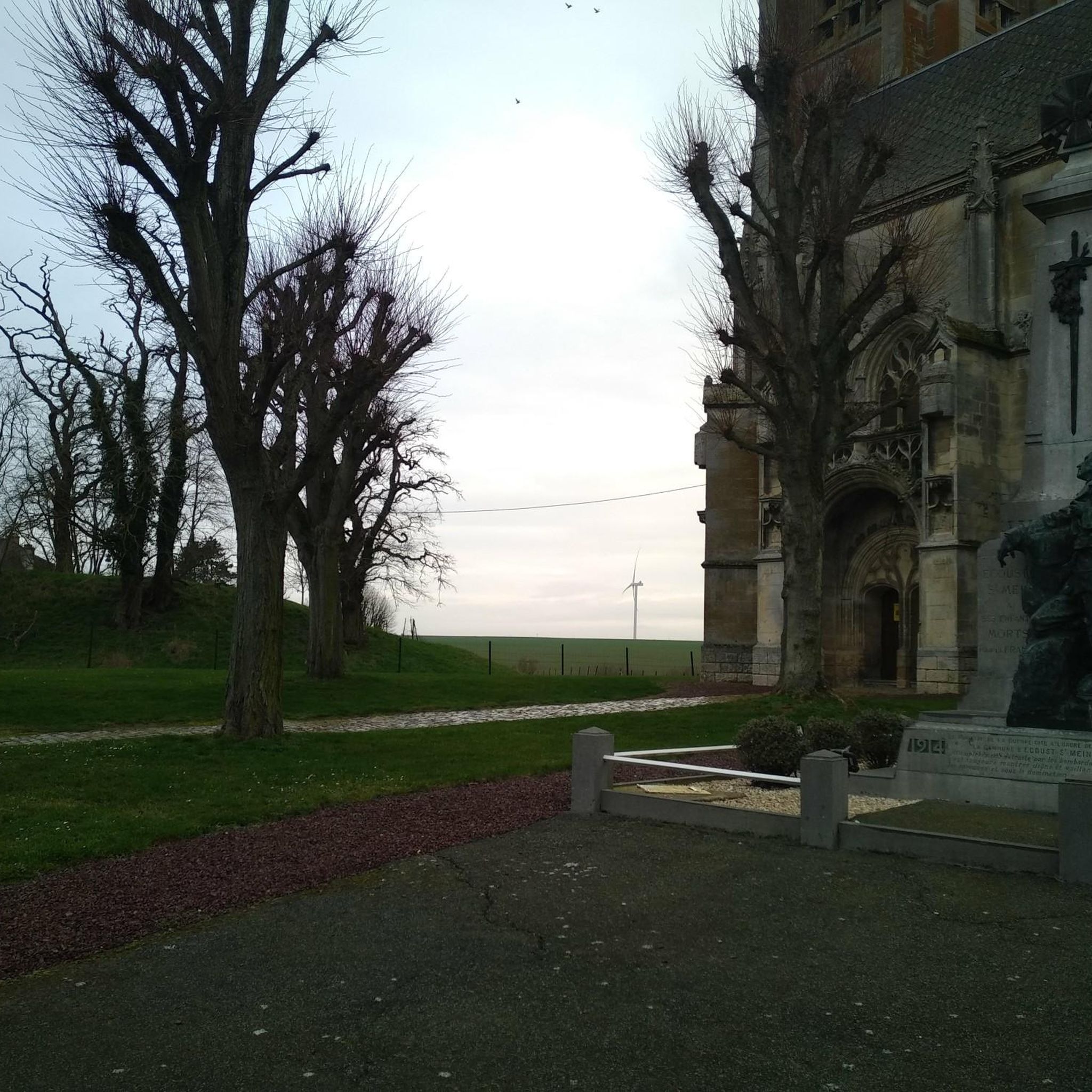
Yes, the area is home to several poignant war memorials and cemeteries. Besides Hibers Trench Cemetery, you'll find the Écoust Military Cemetery, Écoust-Saint-Mein British Cemetery, H.A.C. Cemetery, and L'Homme Mort British Cemetery, all commemorating those who fell during the Great War. A local war memorial is also situated on the church square.
What kind of natural landscape can I expect around Écoust-Saint-Mein?
The landscape around Écoust-Saint-Mein is primarily rural, characterized by mostly flat terrain with gentle slopes and fertile land, which is ideal for farming. Several small streams flow through the area, contributing to its peaceful natural appeal. While there are no specific natural parks directly within the commune, the wider Pas-de-Calais department offers regional natural sites like the Réserve naturelle régionale du Marais de Wagnonville and the Réserve naturelle régionale de la Tourbière de Vred within a reasonable distance.
Are there opportunities for outdoor activities like cycling or running?
Absolutely! The rural landscape around Écoust-Saint-Mein is well-suited for outdoor activities. You can find numerous routes for road cycling, such as the "The Marshes - Lécluse Pond – Between the lakes loop from Croisilles" or the "1917 — Écoust-Saint-Mein – Havrincourt Castle loop from Écoust-Saint-Mein." For runners, there are trails like the "Mare du domaine du moulin loop from Croisilles." Explore more options on the Road Cycling Routes around Écoust-Saint-Mein, Running Trails around Écoust-Saint-Mein, and Cycling around Écoust-Saint-Mein guide pages.
Are there any cultural sites beyond WWI history?
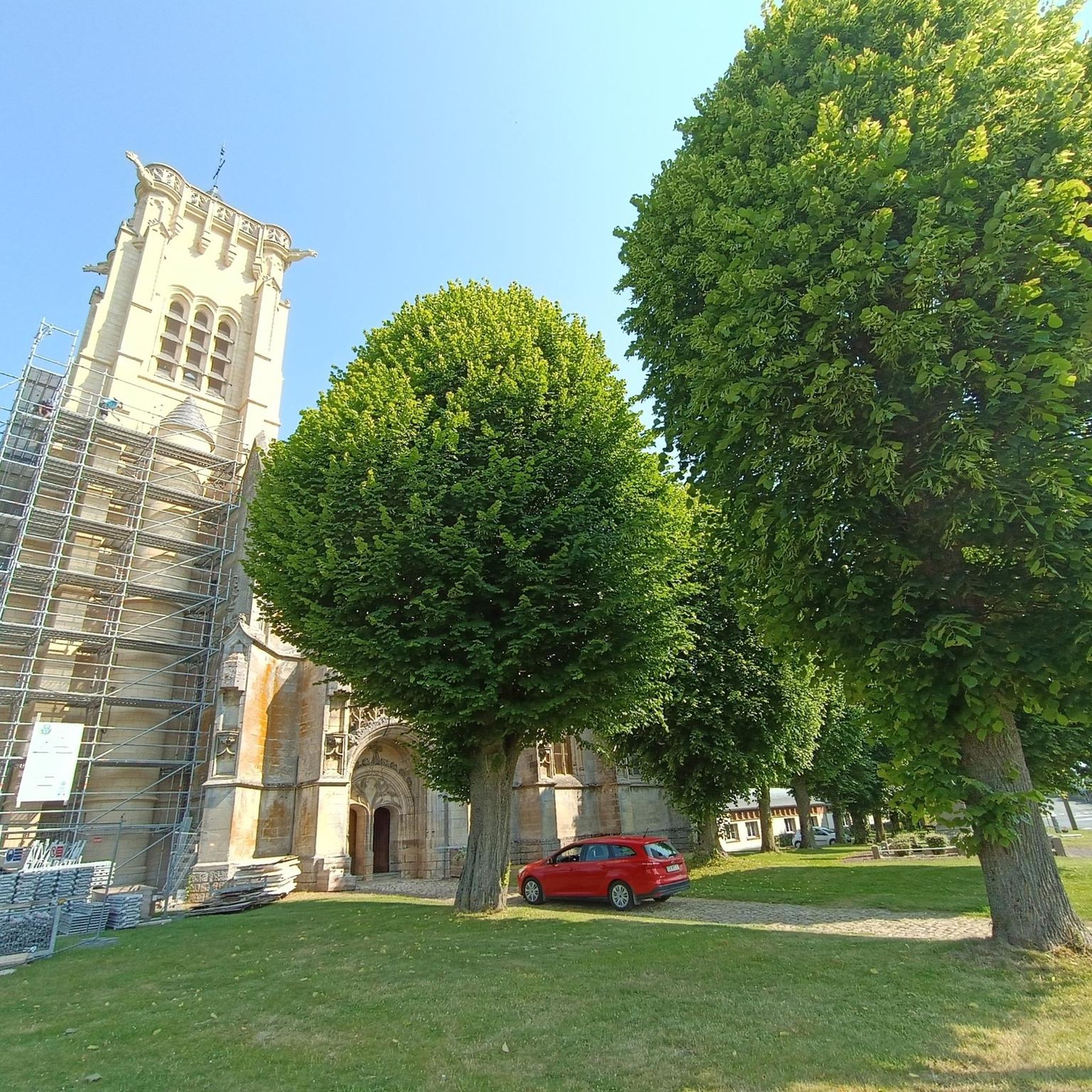
While World War I history is prominent, you can also visit the local L'église Saint Mein (Saint Mein Church), which serves as a local landmark. Additionally, the Monument to Abel Guidet honors a local figure deported during World War II, with an urn containing soil from Gross-Rosen and a painting of him located in the Town Hall.
What are some notable attractions in the wider region near Écoust-Saint-Mein?
Due to its small size, many attractions are found in the surrounding region, particularly in nearby Arras, which is about 15-16 kilometers away. In Arras, you can visit the Carrière Wellington museum, the Arras Citadel (Vauban fortifications), the Belfry and Town Hall (a UNESCO World Heritage site), and the historic Grand Place and Place des Héros. Péronne, about 27 km south, is also known for its museum commemorating life during the war.
When is the best time to visit Écoust-Saint-Mein?
Écoust-Saint-Mein, being a quiet and rural area with a focus on historical sites, can be visited year-round. However, for the most pleasant outdoor exploration of its historical sites and surrounding natural landscape, spring (April-June) and autumn (September-October) offer milder weather and comfortable temperatures for walking and cycling.
What do visitors enjoy the most about the attractions in Écoust-Saint-Mein?
Visitors particularly appreciate the historical significance and the poignant atmosphere of the World War I sites. For example, Hibers Trench Cemetery is noted as a place of peace, remembrance, and reflection, with personal inscriptions on headstones emphasizing the human stories. The path of Beairsto Avenue is recognized for its historical importance during the Battle of September 2, 1918.
Are there any family-friendly attractions in Écoust-Saint-Mein?
While many attractions are historically focused, the rural setting provides opportunities for gentle walks and cycling that families can enjoy together. The Bapaume Town Hall, with its historical architecture and a belfry offering panoramic views, is listed as a family-friendly site in the wider region.
Can I find any 'hidden gems' or less-known spots worth exploring?
Beyond the well-known WWI sites, the quiet, rural nature of Écoust-Saint-Mein itself can be considered a hidden gem for those seeking tranquility and a deeper connection to history. Exploring the small streams and fertile farmlands offers a peaceful experience away from crowded tourist spots. The local L'église Saint Mein and the Monument to Abel Guidet offer insights into local history and figures beyond the major war narratives.
What is the significance of the <a href="https://www.komoot.com/highlight/6909155" target="_blank" rel="noopener">Bapaume Town Hall</a>?
The Bapaume Town Hall is a significant historical landmark. Originally built between 1583 and 1611, it was destroyed in 1917 during World War I and meticulously rebuilt in its original location by 1932. Its architecture mirrors the previous design, featuring a belfry spire peaking at 55m, offering a panoramic view from an outdoor gallery. The ground floor historically served as a market hall, while the upper floors housed the council chamber and hosted public festivals.
Where can I find walking trails near these attractions?
The gentle terrain around Écoust-Saint-Mein is suitable for walking. While specific walking trails are not detailed as highlights, the rural roads and paths connecting the historical sites, such as Beairsto Avenue, provide opportunities for exploration on foot. For dedicated running or walking routes, you can refer to the Running Trails around Écoust-Saint-Mein guide, which includes routes like the "Mare du domaine du moulin loop from Croisilles."
Most popular routes around Écoust-Saint-Mein

Get inspired with the komoot mobile app


Explore more
Still not found the Highlight you’re looking for? See guides of the top attractions in other regions:
