Attractions and Places To See around Éleu-Dit-Leauwette - Top 20
Attractions and places to see around Éleu-Dit-Leauwette offer a blend of historical significance and access to regional points of interest. The commune itself holds local landmarks such as the Saint-Pierre Church and the historical Mont Éleu, which was once a Roman camp. Geographically, the area includes a natural chalky mound and is drained by the Souchez river. Its strategic location provides access to numerous historical, cultural, and natural sites in the wider Hauts-de-France region.
Best attractions and places to see…
Last updated: July 2, 2026
Canadian National Vimy Memorial
Highlight (Segment) • Monument
Translated by Google •
Tip by

Notre-Dame-de-Lorette National Cemetery
Highlight • Historical Site
Translated by Google •
Tip by

Sign up now to discover places like this
Get recommendations on the best single tracks, peaks, & plenty of other exciting outdoor places.
Sign up for free
The Church of Ablain-Saint-Nazaire
Highlight • Historical Site
Showing Translation
Tip by
Towards the Canadian trenches of Vimy
Highlight • Monument
Translated by Google •
Tip by
Canadian Memorial
Highlight • Other
Translated by Google •
Tip by

Sign up for free to discover even more attractions around Éleu-Dit-Leauwette.
Sign up for free
Already have an account?
Start today with a free account
Your next adventure awaits.
Login or Signup
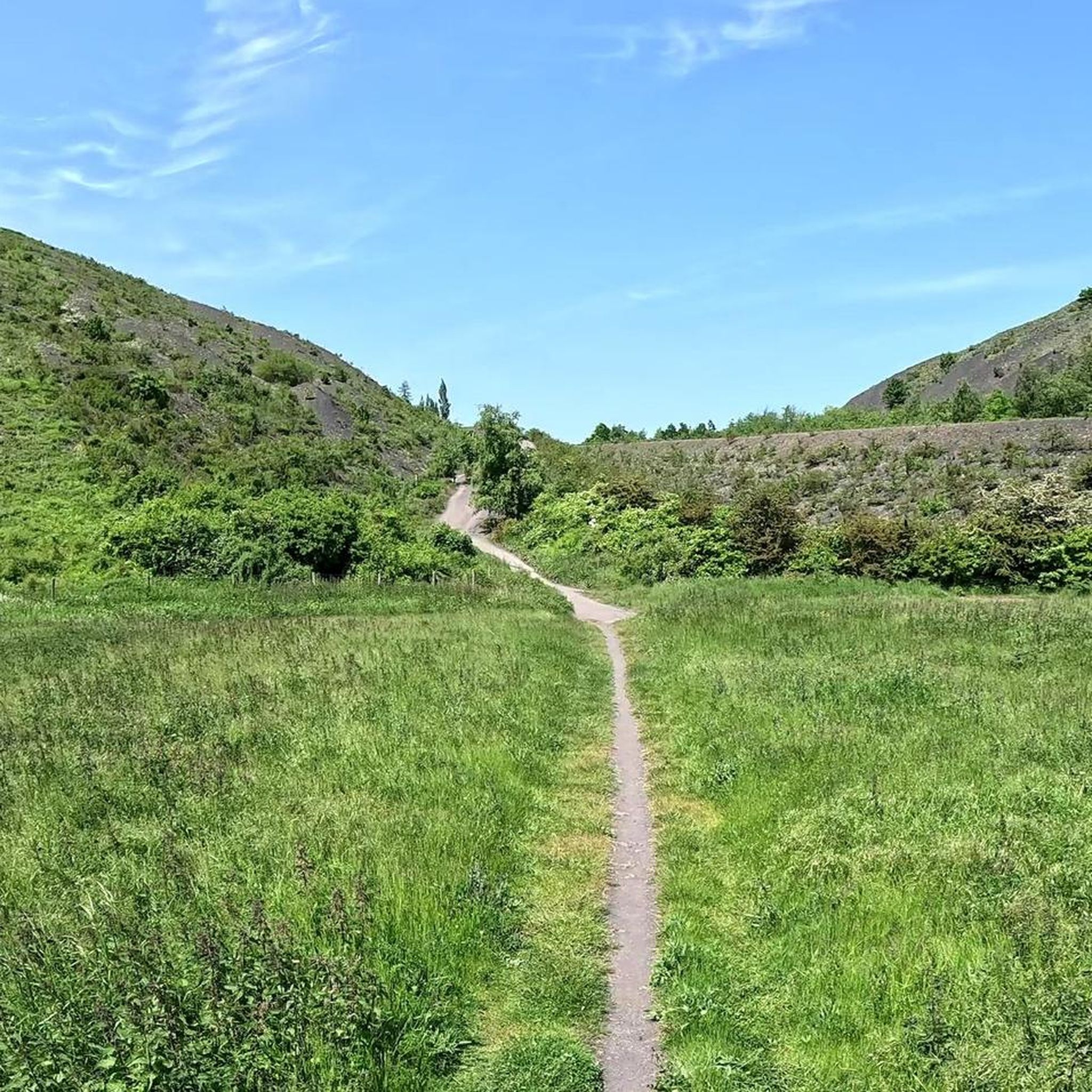
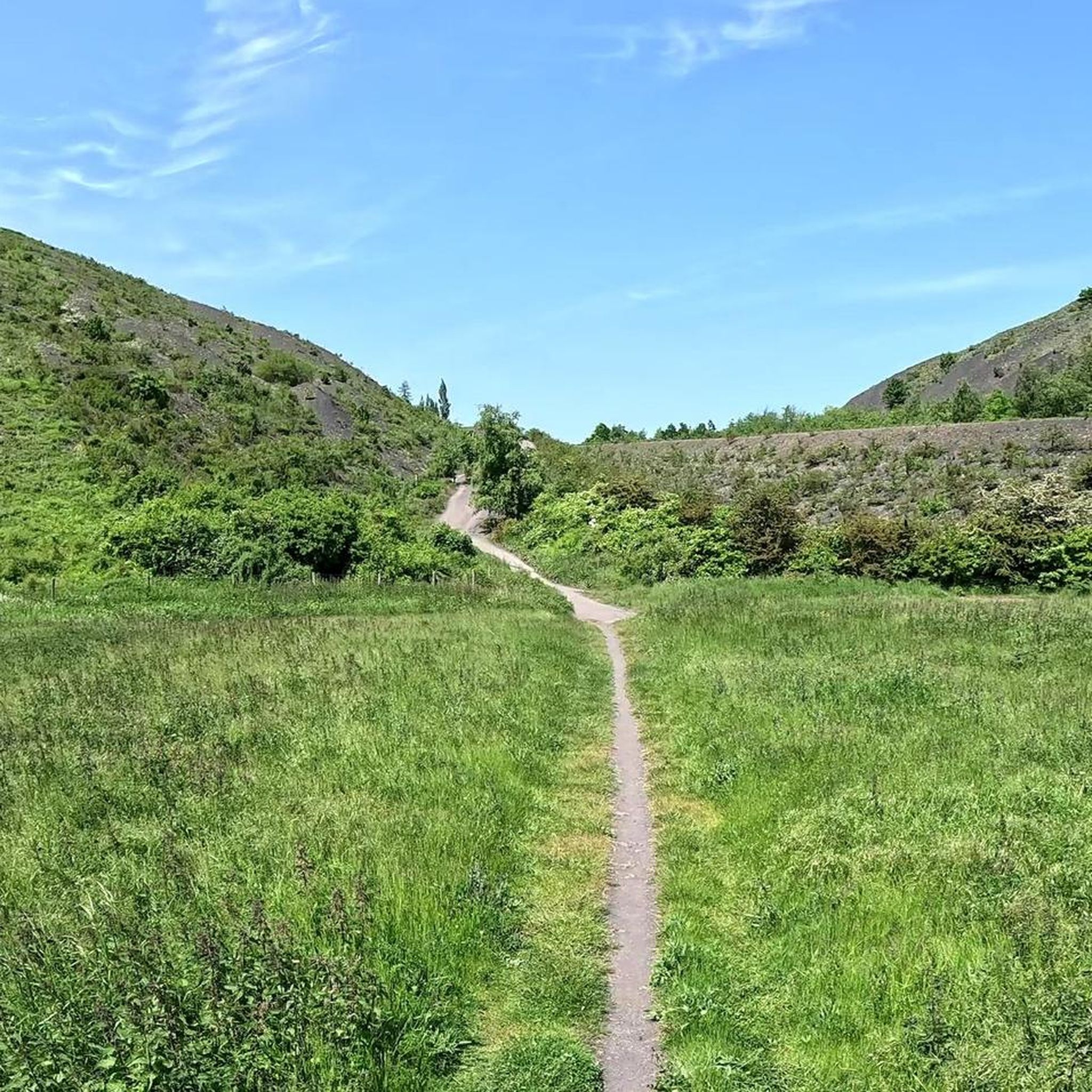
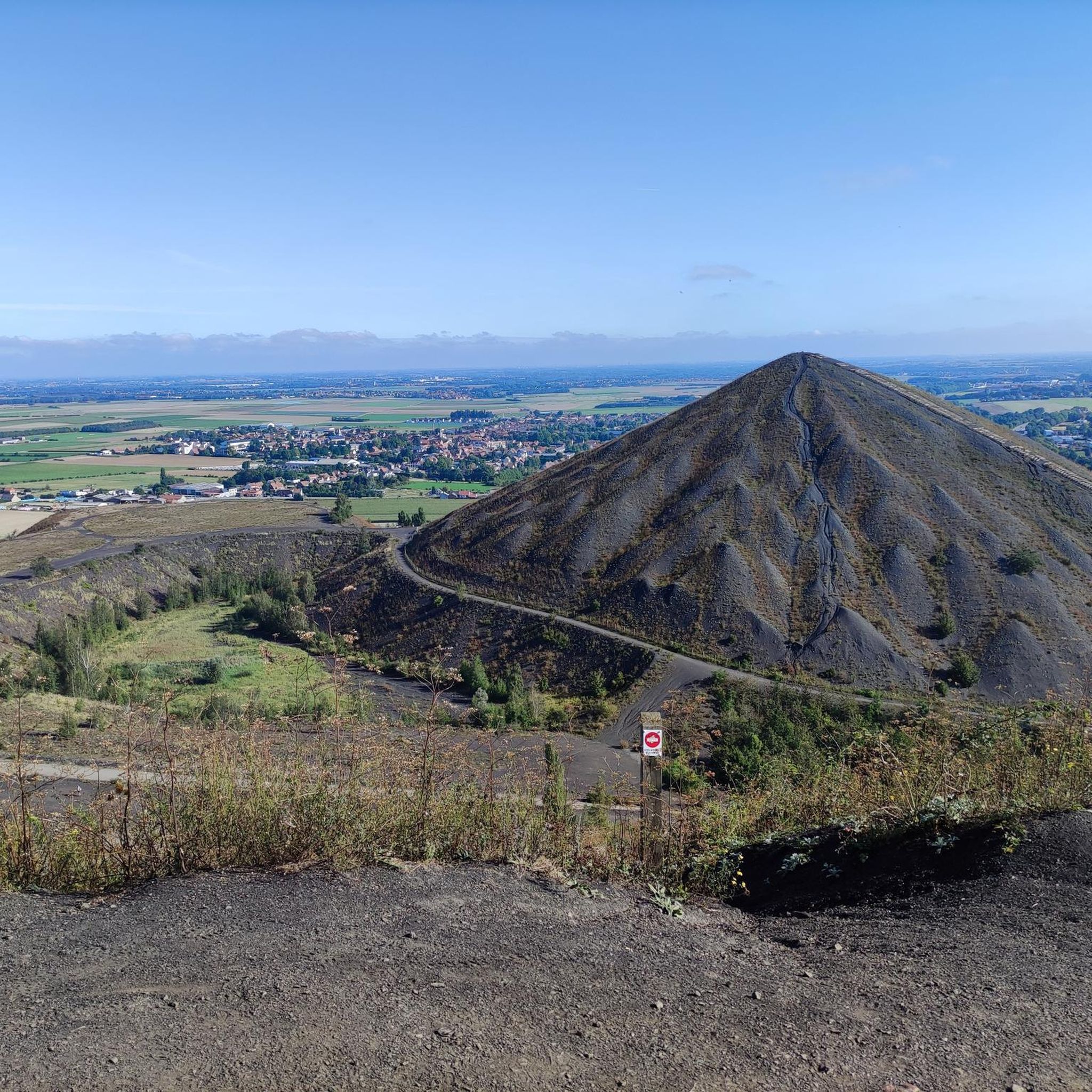



Tips from the Community

The ruins of the old church of Ablain-Saint-Nazaire are an impressive and symbolic remnant of the First World War. This church, built in the 16th century in flamboyant Gothic style by Jacques Le Caron, was heavily damaged during the fighting in 1915. The ruins have been preserved as a monument to commemorate the horrors of war.
7
0
A remarkable story about the Canadian trenches concerns the preparations for the attack on Vimy Ridge in April 1917. The Canadian divisions used an underground quarry and created additional corridors towards the front. These tunnels and trenches played a crucial role in the success of the attack, with the Canadians managing to retake the strategically important ridge in just three days.
7
0
A remarkable story about the ruins concerns the decision not to rebuild the church after the war. Although the church had been classified as a historical monument in 1908, the Commission for Historical Monuments decided that the ruins should remain as a testimony to the German destruction. Ironically, it was the French guns that had destroyed the church, but the ruins became a symbol of the war and the reconstruction.
6
0
The Nécropole nationale de Notre-Dame-de-Lorette is one of the largest and most impressive military cemeteries in France. Situated on a hill in Ablain-Saint-Nazaire, this cemetery contains the graves of more than 42,000 soldiers who died during the First World War. The cemetery was inaugurated in 1925 and includes a basilica, a tower-lantern and a museum.
7
0

The Vimy Memorial is the most prestigious Canadian monument in Europe. It is located on the very site of the 1917 fighting near Vimy in the Pas-de-Calais region of France. Erected on the highest point of the hill, Hill 145, the objective of the operations that began on April 9, 1917, it overlooks the Douai Plain. In 1921, architect and sculptor Walter S. Allward (1875-1955) won the competition from the Canadian Battlefield Memorials Commission. The significance of the battles at the site and the favorable location at the top of the hill allowed Vimy to receive the most prestigious work.
1
0

The church dedicated to the Mother of God under the title "Notre-Dame de Lorette" rises in brilliant white and is visible from far away. But the brilliant impression is deceptive, at the latest when the visitor to the site realizes that they are in a huge military cemetery. Around 20,000 individual graves and a further 23,000 victims of war and tyranny buried in ossuaries are deeply disturbing.
3
0

I went there late one evening, a calm that does you good, a great panorama night and day
0
0
Such places are still very important today as memorials to the countless war dead. "Now, Lord, you let your servant depart in peace, as you have said..." says the so-called "Hymn of Simeon" (Luke's Gospel, Chapter 2, Verse 29). However, the many people buried here did not depart in peace, but became victims of war and an inhuman tyranny. The most important and at the same time everlasting function of the military or honorary cemeteries or war graves is therefore to keep the memory of this suffering alive and - every generation anew (!) - to remind them of the need to maintain peace in the long term.
0
0
Frequently Asked Questions
What historical sites can I visit within Éleu-Dit-Leauwette itself?
Within Éleu-Dit-Leauwette, you can explore the Mairie (Town Hall), which features a remarkable fresco by Albert Graf depicting the commune's landscape in 1932. The Saint-Pierre Church, a modern-style church consecrated to Saint Peter, is also notable. Additionally, the historical Mont Éleu, once a Roman camp, and the site of a former canal offer glimpses into the commune's past.
What significant war memorials are located near Éleu-Dit-Leauwette?
The area around Éleu-Dit-Leauwette is rich in war memorials. You can visit the Notre-Dame-de-Lorette National Cemetery, one of France's largest military cemeteries, and the Canadian National Vimy Memorial, commemorating Canadian soldiers who died in World War I. Also nearby are The ruined church of Ablain-Saint-Nazaire, preserved as a monument to the horrors of war, and the area Towards the Canadian trenches of Vimy.
Are there any notable museums or cultural attractions in the vicinity?
Yes, the region offers several cultural attractions. The Louvre-Lens Museum in nearby Lens is a major cultural highlight. You can also visit the Arras Carrière Wellington Museum, a series of tunnels used during World War I, located about 15 km away. The cities of Arras and Douai also boast impressive belfries and historical centers.
What natural features can I explore around Éleu-Dit-Leauwette?
The commune's northern part features a natural chalky mound, reaching 66 meters, which is conducive to woodland. The Mont Éleu and the area around the communal cemetery also represent elevated natural features. The Souchez river, with a length of 13.6 km, drains the commune's territory. Further afield, you can find nature reserves like the Réserve naturelle régionale du Marais de Wagnonville.
Are there family-friendly attractions around Éleu-Dit-Leauwette?
Many of the historical sites are suitable for families. The Canadian National Vimy Memorial, The ruined church of Ablain-Saint-Nazaire, and Notre-Dame-de-Lorette National Cemetery are all categorized as family-friendly and offer educational experiences about history. The nearby natural reserves and parks also provide opportunities for family outings.
What cities of art and history are easily accessible from Éleu-Dit-Leauwette?
Éleu-Dit-Leauwette's location provides easy access to several significant cities of art and history. Arras (15 km) is known for its belfry, town hall, and citadel. Douai (14 km) features a pleasant old town and an impressive belfry. The major city of Lille (30 km) offers a rich history and vibrant cultural scene, including the Cathédrale Notre Dame de La Treille. Other cities like Roubaix and Cambrai are also within reach.
Are there opportunities for cycling near these attractions?
Yes, there are several cycling routes available. You can explore routes like the 'From the Mine to the Louvre-Lens Loop' or the 'Ring of Remembrance – The White Way loop'. For more options, check out the Cycling around Éleu-Dit-Leauwette guide.
Can I find running trails around the attractions?
Absolutely. The area offers various running trails, such as the 'Pinchoval – Pinchonval loop from Lens' or the 'Terril 81 loop from Lens'. For detailed information on these and other routes, refer to the Running Trails around Éleu-Dit-Leauwette guide.
What do visitors enjoy most about the attractions near Éleu-Dit-Leauwette?
Visitors particularly appreciate the profound historical significance and the solemn atmosphere of the war memorials. The Canadian National Vimy Memorial is noted for its impressive scale and the stories of courage it represents. The Notre-Dame-de-Lorette National Cemetery is recognized as a powerful place for remembrance and reflection. The preserved ruins of The ruined church of Ablain-Saint-Nazaire also leave a lasting impression as a symbol of wartime destruction.
Are there any specific gardens or parks to visit in the wider region?
Yes, within a reasonable distance, you can find several beautiful green spaces. These include the Parc du château de Sericourt, Le parc Barbieux, and Le jardin du Manoir-aux-Loups, offering tranquil settings for relaxation and strolls.
What is the historical significance of Mont Éleu?
The historical Mont Éleu played an important role during antiquity, as Éleu was situated on ancient Gallic and Roman roads. The 'Mont Éleu' itself, near Lens, culminates at 51 meters and was once the site of a Roman camp ('Castrum du Mont Éleu') and a fort, highlighting its strategic importance in ancient times.
Most popular routes around Éleu-Dit-Leauwette
Most popular attractions around Éleu-Dit-Leauwette

Get inspired with the komoot mobile app


Explore more
Still not found the Highlight you’re looking for? See guides of the top attractions in other regions:
