The best cycling routes around Éterpigny
4.4
(104)
934
riders
139
rides
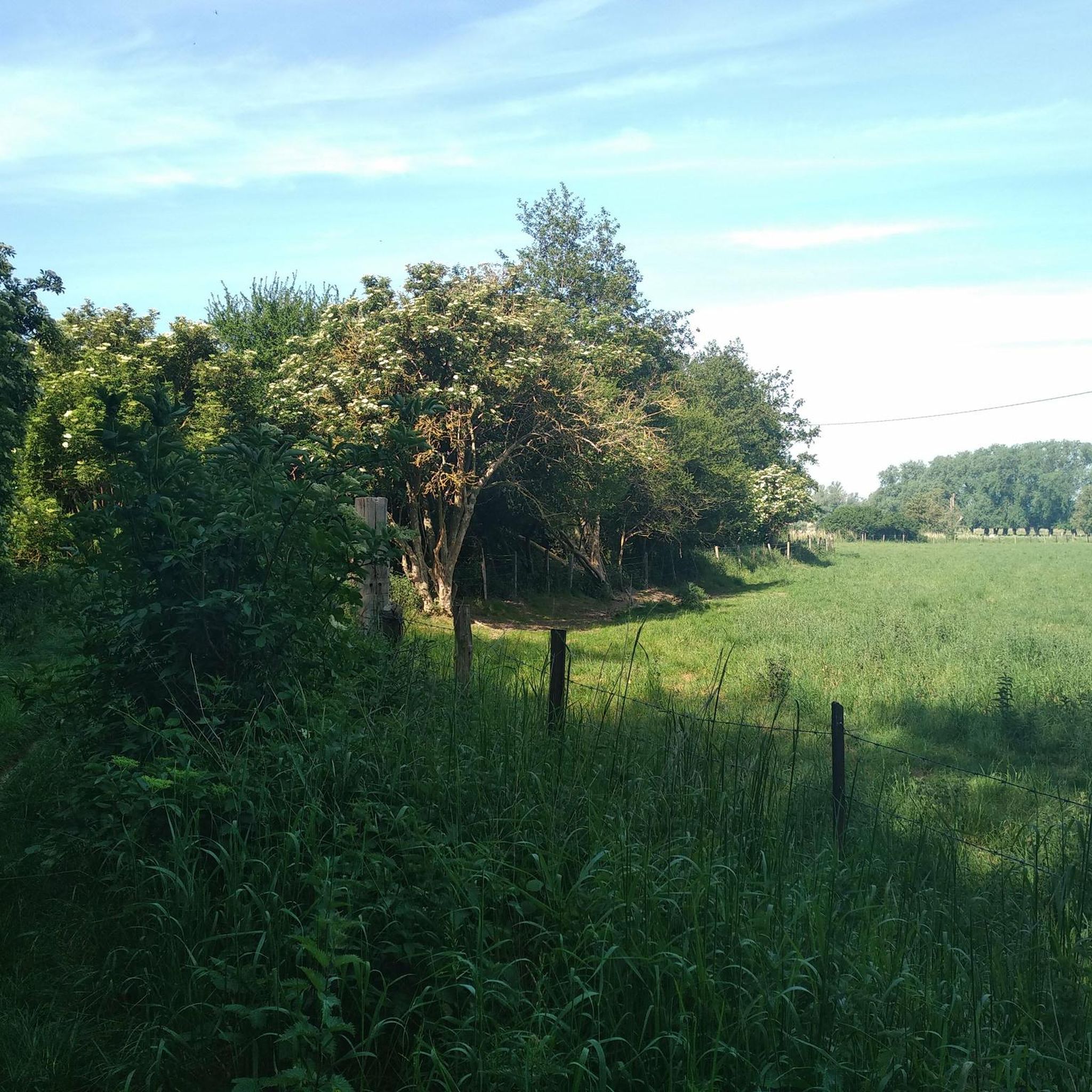
Touring cycling routes around Éterpigny traverse the flat to gently rolling terrain characteristic of the Pas-de-Calais region. The area features a network of bike nodes, supporting both virtual and experimental cycling routes. Landscapes often include farms, pastures, and natural scenery, with sections along canals and through unspoilt countryside. This environment provides varied options for cyclists seeking routes with minimal elevation changes.
Best touring cycling routes around Éterpigny
- The most popular touring cycling route is View of the Haut Pont marsh…
Last updated: June 26, 2026
4.7
(3)
6
riders
22.6km
01:23
110m
110m
Easy bike ride. Great for any fitness level. Mostly paved surfaces. Suitable for all skill levels.
5
riders
25.4km
01:32
170m
170m
Moderate bike ride. Good fitness required. Mostly paved surfaces. Suitable for all skill levels.

Sign up for free
5.0
(2)
5
riders
Easy bike ride. Great for any fitness level. Mostly paved surfaces. Suitable for all skill levels.
6
riders
36.4km
02:20
200m
200m
Moderate bike ride. Good fitness required. Mostly paved surfaces. Suitable for all skill levels.
5.0
(1)
4
riders
14.9km
00:51
60m
60m
Easy bike ride. Great for any fitness level. Mostly paved surfaces. Suitable for all skill levels.
Get access to more routes and recommendations from other explorers.
Sign up for free
Already have an account?
Our route recommendations are based on thousands of hikes, rides, and runs completed by other people on komoot.
Start today with a free account
Your next adventure awaits.
Login or Signup




Tips from the Community

This small farming village has a rich history and is known for its two Commonwealth War Graves Commission cemeteries from the First World War. The village has a church, a castle, and a range of amenities including bars, a supermarket, a chemist and a post office. Many residents commute to nearby towns such as Arras and Bapaume for work.
9
0
Wancourt was captured on 12 April 1917 after very heavy fighting and the advance was continued on the following days. The cemetery, called at first Cojeul Valley Cemetery, or River Road Cemetery, was opened about ten days later; it was used until October 1918, but was in German hands from March 1918 until 26 August, when the Canadian Corps recaptured Wancourt. At the Armistice, the cemetery contained 410 graves, but was very greatly increased in the following years when graves were brought in from a number of small cemeteries and isolated positions on the battlefields south-east of Arras. The cemetery now contains 1936 burials and commemorations of the First World War. 829 of the burials are unidentified but there are special memorials to 76 casualties known or believed to be buried among them, and to 20 who were buried in Signal Trench Cemetery whose graves were destroyed in later battles.
9
0
Hibers Trench Cemetery, situated just north-west of Wancourt near Arras, was begun in April 1917 by the 50th (Northumbrian) Division shortly after the area was captured by British forces at the Battle of Arras. The cemetery contains 136 graves, six of which are unidentified, and also includes three Canadian graves added later in 1918. The simple design is by G.H. Goldsmith and reflects the understated dignity of this memorial. Its position on the Wancourt-Arras road makes it a silent witness to the fierce fighting that took place here, and the presence of personal inscriptions on some of the headstones emphasises the human story behind the numbers. A place of peace, remembrance and reflection.
10
0


If you are looking for a nice bike ride along the Scarpe, you can go to Lock No. 30 in Athies, a lock that regulates the water level and allows the passage of boats . Lock No. 30 at Athies is part of the Scarpe Supérieure, a canalized section of the river which connects Arras and Douai. It is also a hydrographic area which contributes to the water quality and biodiversity of the region. Lock No. 30 in Athies is a privileged place to appreciate the technical and environmental aspects of the Scarpe.
5
0
Sailly-en-Ostrevent is a French commune located in the Hauts-de-France region. A point of interest in Sailly-en-Ostrevent is the church of St. Albin, which, together with a large part of the village, was rebuilt after the First World War. A more special attraction is the special location Cromlech "Les sept bonnettes" with remains of the megalithic era.
4
0
These stalls are located in the Parc de la Brayelle.
4
0
Beautiful viewpoint over the park and surroundings
4
0
Frequently Asked Questions
How many touring cycling routes are available around Éterpigny?
There are over 130 touring cycling routes around Éterpigny, offering a wide variety of options for different skill levels and preferences.
What kind of terrain can I expect on touring cycling routes in Éterpigny?
The terrain around Éterpigny is generally flat to gently rolling, characteristic of the Pas-de-Calais region. You'll often find yourself cycling through open farmland, pastures, and natural scenery, with some sections along canals and through unspoilt countryside. The routes typically feature minimal elevation changes.
Are there any easy touring cycling routes suitable for beginners or families?
Yes, Éterpigny offers many easy touring cycling routes. For example, the Pelves – The Scarpe by bike loop from Pelves is an easy 11.7 miles (18.8 km) path that follows the Scarpe river, perfect for a relaxed ride. Another great option is the Tortequesne – Sailly-en-Ostrevent loop from Tortequesne, an easy 14.8 miles (23.8 km) route.
Can I find circular touring cycling routes in Éterpigny?
Yes, many of the touring cycling routes around Éterpigny are designed as loops. A popular circular route is the View of the Haut Pont marsh – Jetty on the Aubigny Marsh loop from Écourt-Saint-Quentin, which is 16.2 miles (26.1 km) long and offers views of local marshlands.
What natural features or landmarks can I see along the cycling routes?
The region offers a mix of natural scenery and historical points of interest. You can explore areas with communal ponds, such as on the Passage between two ponds – Etangs communaux d'Arleux loop from Étaing. Nearby attractions include the ancient megalithic site of The Menhir of Lécluse or the Devil's Stone and the Hamel Dolmen or the Sorcerers' Kitchen (Pierre Chavatte).
What do other cyclists say about the touring routes in Éterpigny?
The touring cycling routes in Éterpigny are highly rated by the komoot community, with an average score of 4.5 stars from over 110 reviews. Cyclists often appreciate the varied terrain, from flat river valleys to open farmland, and the developing network of bike paths.
Is Éterpigny part of any larger cycling networks?
Yes, the broader Hauts-de-France region, which includes Éterpigny, is part of the Scandibérique (EuroVelo 3) route. This is France's longest cycling route, offering diverse landscapes, historical sites, and local culinary experiences across unspoilt countryside, canals, forests, and historic towns.
Are there any historical sites or points of interest accessible by bike?
Yes, you can cycle to several historical sites. For instance, the Wancourt British Cemetery – Croisilles loop from Haucourt takes you past a significant historical landmark. Other notable points of interest nearby include The Big Rock.
What is the typical length and duration of touring cycling routes in the area?
Routes vary in length, but many popular touring cycling routes around Éterpigny are between 11 to 16 miles (18 to 26 km) long. These typically take between 1 hour 20 minutes to 1 hour 45 minutes to complete, depending on your pace and stops.
Are there any moderate touring cycling routes for those seeking a bit more challenge?
While many routes are easy, there are also moderate options available. For example, the Wancourt British Cemetery – Croisilles loop from Haucourt is a moderate 15.7 miles (25.3 km) route with slightly more elevation gain, offering a bit more challenge than the flatter paths.
What is the best time of year to go touring cycling in Éterpigny?
The best time for touring cycling in Éterpigny, as with much of northern France, is typically from spring to early autumn (April to October). During these months, the weather is generally milder and more pleasant for outdoor activities, and the landscapes are vibrant.
Are there any specific routes that offer views of marshlands or ponds?
Yes, the region is known for its natural scenery including marshlands and ponds. The View of the Haut Pont marsh – Jetty on the Aubigny Marsh loop from Écourt-Saint-Quentin specifically highlights views of local marshlands. Additionally, the Passage between two ponds – Etangs communaux d'Arleux loop from Étaing leads through areas with communal ponds.
Can I bring my dog on the touring cycling routes around Éterpigny?
While specific regulations for dogs on cycling routes can vary, generally, dogs are welcome on many public paths and trails in rural areas, especially if kept on a leash. It's always advisable to check local signage or specific route descriptions for any restrictions, particularly in nature reserves or protected areas.
Most popular routes around Éterpigny
Most popular attractions around Éterpigny

Get inspired with the komoot mobile app


Explore more
Browse the best Cycling routes in other regions.
