The best cycling routes around Culles-Les-Roches
4.5
(202)
1,533
riders
134
rides
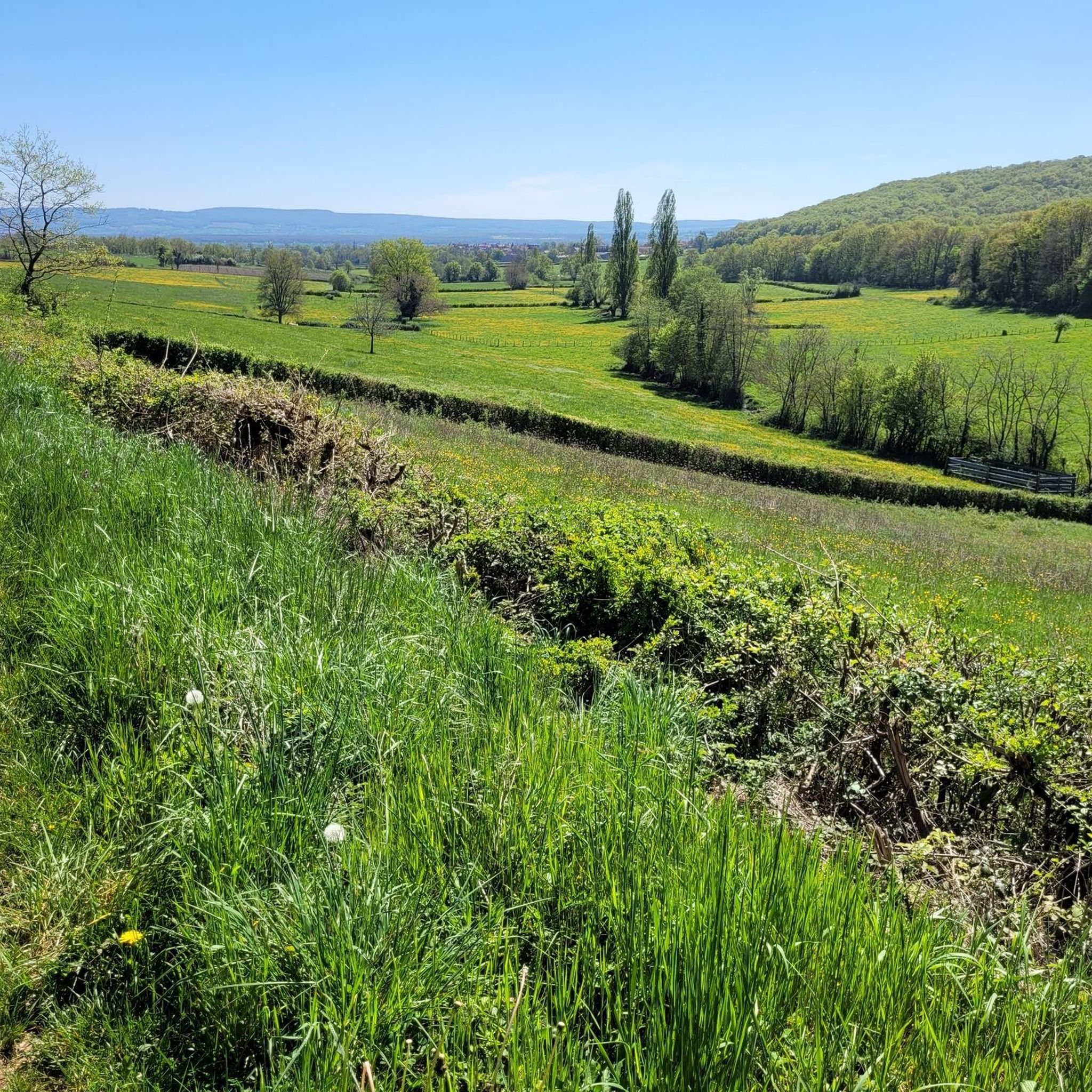
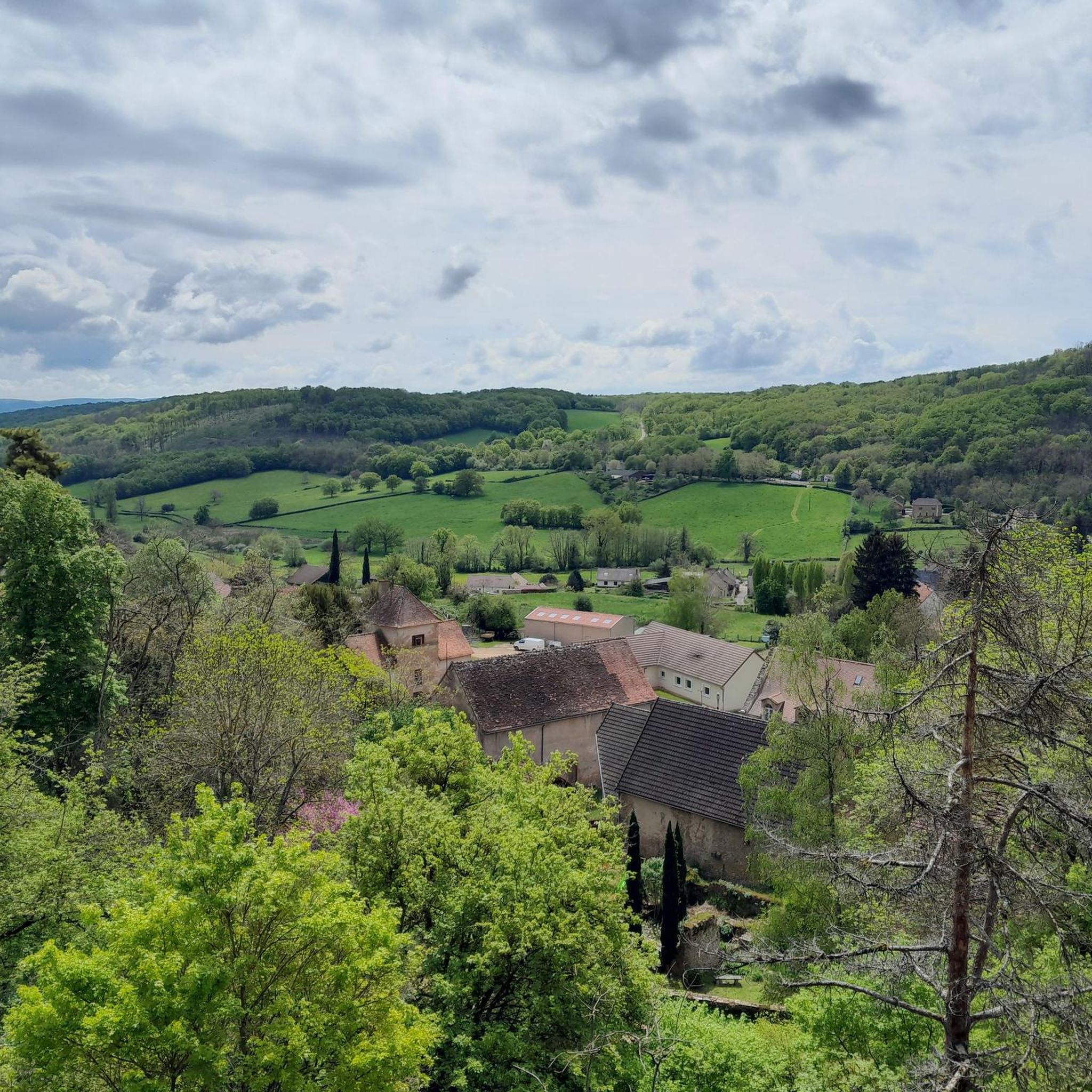
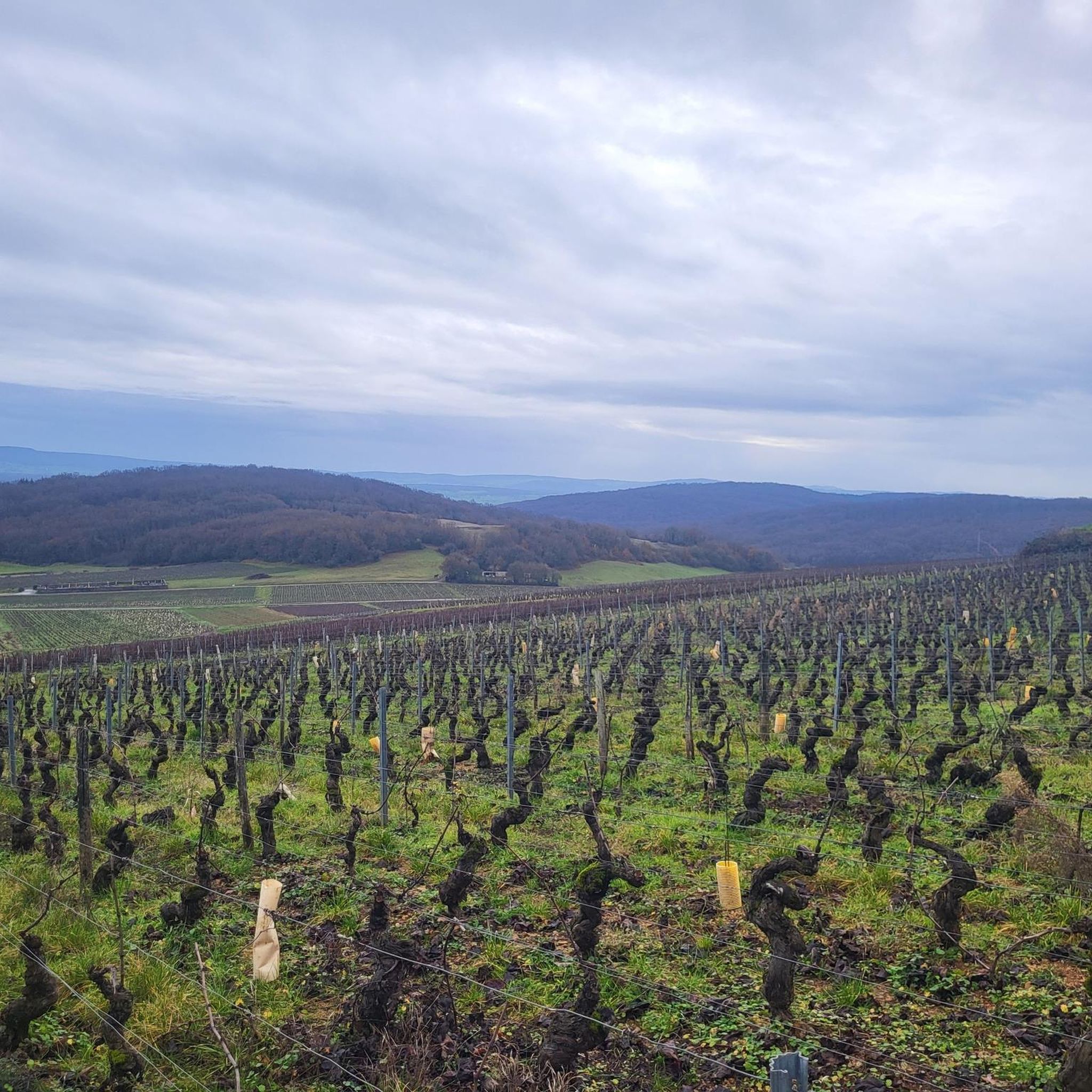
Touring cycling routes around Culles-les-Roches traverse a landscape characterized by vineyards, forests, and pastures within the Saône-et-Loire department. The area features varied topography, including significant elevation changes, and is shaped by a prominent geological fault. Ancient granite bedrock and limestone sediments contribute to the diverse terrain, offering a range of cycling experiences.
Best touring cycling routes around Culles-les-Roches
- The most popular touring cycling route is Cormatin Castle – Cormatin Castle loop from Étiveau, a 14.8 miles (23.9 km) trail that takes 1 hour 30 minutes to complete, passing through varied rural scenery.
- Another top favourite among local touring cyclists is Saint-Gengoux-le-National – Historic wash-house loop from Saint-Boil, an easy 8.2 miles (13.3 km) path, offering views of the local countryside and historical features.
- Local touring cyclists also love the Medieval town of Buxy – Saint-Gengoux-le-National loop from Étiveau, a 28.1 miles (45.3 km) trail leading through vineyards and woodlands, often completed in about 2 hours 51 minutes.
- Touring cycling around Culles-les-Roches is defined by vineyards, forests, and repurposed railway lines. The network offers options for different ability levels, from easy paths to routes with more significant elevation changes.
- The routes in Culles-les-Roches are highly rated by the komoot community with an average score of 4.6 stars from over 150 reviews. More than 1000 touring cyclists have used komoot to explore Culles-les-Roches's varied terrain.
Last updated: October 9, 2026
4.1
(7)
52
riders
15.6km
00:54
80m
80m
Easy bike ride. Great for any fitness level. Mostly paved surfaces. Suitable for all skill levels.
5.0
(1)
24
riders
Easy bike ride. Great for any fitness level. Mostly paved surfaces. Suitable for all skill levels.

5.0
(2)
9
riders
35.8km
02:20
450m
450m
Moderate bike ride. Good fitness required. Mostly paved surfaces. Suitable for all skill levels.
4.3
(3)
6
riders
22.6km
01:22
100m
100m
Easy bike ride. Great for any fitness level. Mostly paved surfaces. Suitable for all skill levels.
3.0
(1)
5
riders
24.1km
01:24
130m
130m
Easy bike ride. Great for any fitness level. Mostly paved surfaces. Suitable for all skill levels.
Get access to more routes and recommendations from other explorers.
Already have an account?
Our route recommendations are based on thousands of hikes, rides, and runs completed by other people on komoot.
Start today with a free account
Your next adventure awaits.

Tips from the Community

Enjoy this viewpoint to admire the Crainseny viaduct, which spans the valley of the same name. Built at the end of the 19th century, this 246-meter-long railway structure has 16 stone arches. It once allowed trains to connect Saint-Gengoux-le-National to Montchanin, until the line ceased operation in 1969.
0
0

Peaceful village with a lake and campsite, a detour that is worth it.
0
0
The completely car-free "Green Way" leads over around 70 kilometers from Chalon-sur-Saône to Mâcon. The path winds through picturesque vineyards (Côte Chalonnaise), past medieval villages like Saint-Gengoux-le-National, historic castles, and Romanesque architecture. On the route, you will pass the historic town of Cluny with its famous, thousand-year-old abbey. Near Cluny, you will cross the longest tunnel in Europe open to cyclists, at 1.6 km (note the winter closure for bat protection). Together with the parallel river route Voie Bleue along the Saône, the route can be combined into a fantastic 145 km circular tour (Grande Boucle de Bourgogne du Sud).
0
0
The station no longer serves trains. The historic site has been transformed into a vibrant leisure zone (Aire de loisirs de la gare). The building is located directly on the Voie Verte de Bourgogne du Sud, a well-known 77 km cycle path on a former railway line. Travelers will find a bicycle rental service for regular and electric bikes, a tool station for repairs, picnic tables, public restrooms, and a children's playground. It also serves as a starting point for excursions, for example to the nearby Château de Cormatin.
0
0
The Viaduc de Crainseny (French: Viaduc de Crainseny) is a historic railway bridge in the south of the Côte Chalonnaise region. The viaduct was built in 1882. It has a total length of 246 meters, spans the valley at a height of around 23 meters, and features a striking curve with a radius of 400 meters. The masonry bridge consists of 16 elegant semicircular arches, each with a span of 12 meters. Originally, the railway ran here on the Étiveau-Montchanin line, connecting the towns of Saint-Gengoux-le-National and Montchanin. Train traffic was discontinued in 1969.
0
0
The imposing church was originally built in the 12th century by the monks of the Abbey of Cluny. It officially belongs to the Cluniac sites and is on the candidate list for UNESCO World Heritage. The building combines different architectural eras. While the striking transept and the octagonal bell tower date from the Romanesque era, the three-aisled choir visible in the background shows Gothic features. A central eye-catcher in the sanctuary is the large, colorful neo-Gothic church window, which casts a soft light into the elongated interior. Along the mighty pillars of the nave, detailed sculptures and reliefs on the capitals can be seen in the foreground.
0
0
The recreational facility is located directly on the popular Voie Verte de Bourgogne du Sud, a scenic cycling route on a former railway line. The area offers numerous amenities for cyclists, hikers, and families: There are several shaded picnic tables and benches in a green setting. Directly at the old train station, there is a bicycle rental for classic bicycles and e-bikes, as well as a small repair station. A children's playground with 15 play structures, installed in April 2024, provides entertainment for younger visitors. Public toilets, a water point, and a large, free car park are available.
1
0

The chapel, built in the 15th century on a hill opposite the castle, consists of two parts: the first part has a semicircular vault, the second, the choir, a ribbed vault. Sculptural decorations can be seen, some of which originate from pilgrims on the Way of St. James. The chapel was restored in the 19th century. It was originally built for Jean Joly.
1
0
Frequently Asked Questions
How many touring cycling routes are available around Culles-les-Roches?
There are over 130 touring cycling routes in the Culles-les-Roches area, offering a wide variety of experiences. These include 31 easy routes, 66 moderate routes, and 42 difficult routes, catering to different skill levels and preferences.
What kind of terrain can I expect on touring cycling routes in Culles-les-Roches?
The terrain around Culles-les-Roches is quite diverse, characterized by a mix of vineyards, forests, and pastures. You'll encounter varied topography, including significant elevation changes due to a prominent geological fault. Many routes also utilize former railway lines, providing relatively flat and scenic paths. The area features ancient granite bedrock and limestone sediments, contributing to its unique landscape.
What do other touring cyclists say about the routes in Culles-les-Roches?
The touring cycling routes in Culles-les-Roches are highly regarded by the komoot community, with an average rating of 4.6 stars from over 150 reviews. Cyclists often praise the varied scenery, the mix of challenging and easy paths, and the opportunity to explore both natural beauty and historical sites.
Are there easy touring cycling routes suitable for beginners or families in Culles-les-Roches?
Yes, Culles-les-Roches offers 31 easy touring cycling routes perfect for beginners or families. Many of these routes follow repurposed railway lines, providing gentle gradients. An excellent option is the Saint-Gengoux-le-National – Historic wash-house loop from Saint-Boil, an 8.2-mile (13.3 km) path that offers pleasant views of the local countryside and historical features.
Are there more challenging touring cycling routes for experienced cyclists?
For experienced cyclists seeking a challenge, Culles-les-Roches has 42 difficult routes. These often feature more significant elevation changes and cover longer distances. A moderate option that includes varied terrain and some climbs is the Saint-Gengoux-le-National – Historic wash-house loop from Étiveau, which is 19.3 miles (31.1 km) long with over 400 meters of elevation gain.
What natural features or landmarks can I see while cycling around Culles-les-Roches?
While cycling, you can explore the unique geological features of the area, including the prominent fault line. The 'GEORAMA' interpretive trail, which explains the region's geological history, can be accessed. You might also catch glimpses of Mont Blanc from certain viewpoints. Historical landmarks include the Romanesque Chapaize Church and the Sercy Castle. The area also features old railway lines, some repurposed for cycling, and prehistoric vestiges.
Are there any circular touring cycling routes in the area?
Yes, many of the touring cycling routes around Culles-les-Roches are designed as loops, allowing you to start and end at the same point. For example, the Cormatin Castle – Cormatin Castle loop from Étiveau is a popular 14.8-mile (23.9 km) circular route that takes you through varied rural scenery.
What is the best time of year for touring cycling in Culles-les-Roches?
The best time for touring cycling in Culles-les-Roches is generally from spring through autumn. During these seasons, the weather is pleasant, and the vineyards, forests, and pastures are at their most vibrant. Summer offers warm conditions, while spring and autumn provide cooler temperatures ideal for longer rides and showcase beautiful seasonal colors.
Are there any towns or villages worth exploring near the cycling routes?
Absolutely. The routes often pass through or near charming villages and towns. You can explore the medieval town of Buxy, known for its wine, or visit Saint-Gengoux-le-National, which offers historical features. These towns provide opportunities for breaks, refreshments, and a glimpse into local life. The Medieval town of Buxy – Saint-Gengoux-le-National loop from Étiveau is a great route to discover these.
Is it possible to bring dogs on the touring cycling routes?
While specific regulations for each route may vary, many of the natural paths and former railway lines around Culles-les-Roches are generally dog-friendly, especially if your dog is accustomed to cycling alongside you or in a trailer. Always ensure your dog is on a leash where required and respect local signage, particularly in agricultural areas or near livestock.
Are there facilities like cafes or water stops along the routes?
While specific cafes might not be directly on every route, many routes pass through or near villages like Culles-les-Roches, Buxy, or Saint-Gengoux-le-National, where you can find places for refreshments. It's always a good idea to carry sufficient water, but you might also find accessible drinking water fountains, such as the Accessible Drinking Water Fountain listed in the area.
What are the typical durations for touring cycling routes in this region?
The duration of touring cycling routes in Culles-les-Roches varies significantly depending on the distance and your pace. Easy routes like the Saint-Gengoux-le-National – Historic wash-house loop from Saint-Boil can take around 1 hour 30 minutes. Longer, more challenging routes, such as the Medieval town of Buxy – Saint-Gengoux-le-National loop from Étiveau (28.1 miles or 45.3 km), can take approximately 2 hours 51 minutes or more.
Are there any historical sites to visit while cycling?
Yes, the region is rich in history. You can visit the Romanesque Saint-Germain church, built on granite heights. The area also has prehistoric vestiges, including a cave where ancient flint tools and Gallo-Roman pottery have been discovered. The GR76, a historic path towards Santiago de Compostela, also passes through the commune, offering a glimpse into ancient pilgrimage routes.
Most popular routes around Culles-Les-Roches
Most popular attractions around Culles-Les-Roches

Get inspired with the komoot mobile app


Explore more
Browse the best Cycling routes in other regions.
