Attractions and Places To See around Bouafle - Top 20
Attractions and places to see around Bouafle include a variety of historical sites, natural viewpoints, and forested areas. This region offers opportunities to explore historical architecture and natural landscapes. Visitors can discover several points of interest, ranging from ancient churches to expansive castle grounds.
Best attractions and places to see around Bouafle
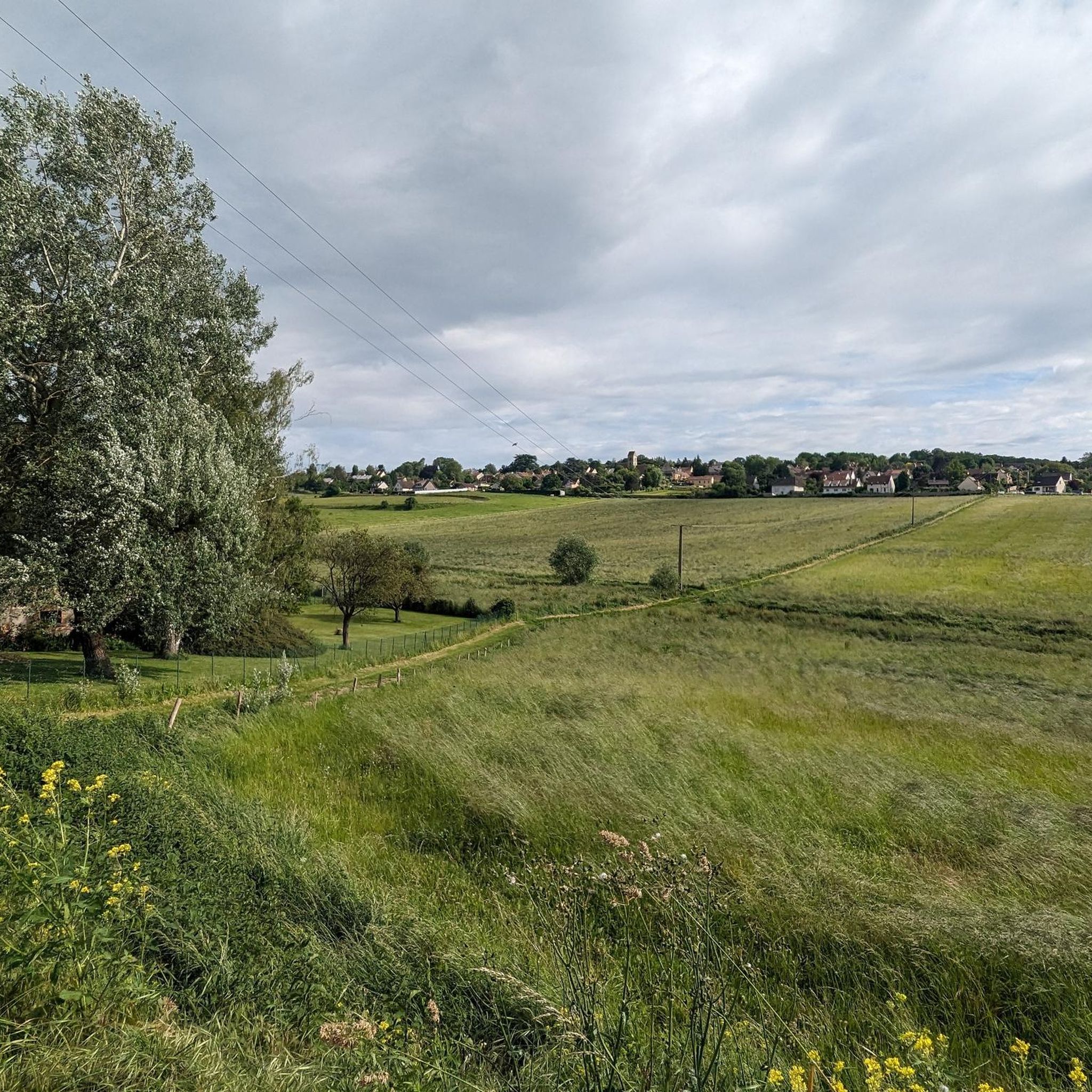
- The most popular attractions is Hautil via Maurecourt, a viewpoint that features a challenging climb. This route includes steep segments and is known for its demanding ascent. …
Last updated: July 2, 2026
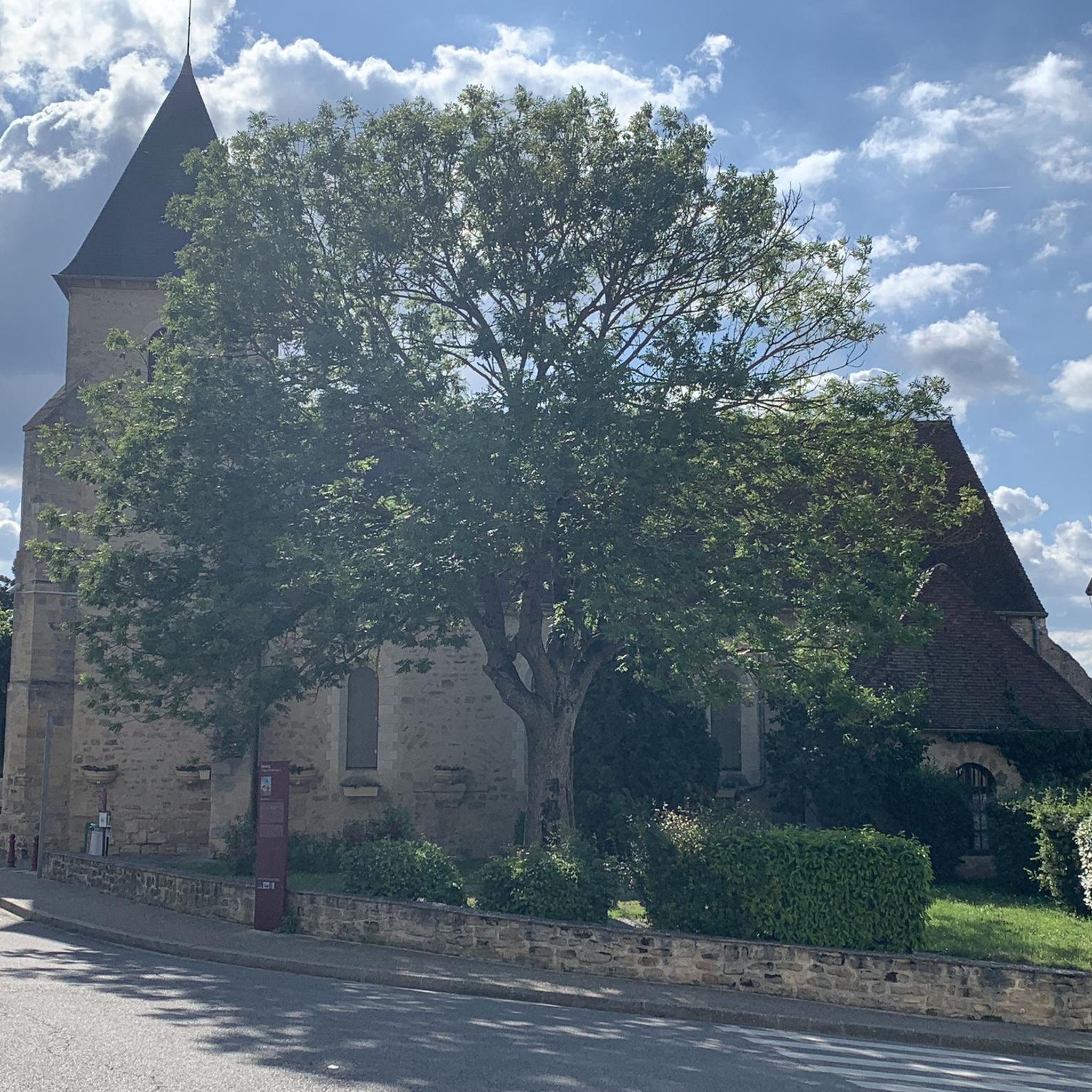
Saint Martin's Church, Beynes
Highlight • Religious Site
Today located in …
Translated by Google •
Tip by

Château de Jambville
Highlight • Castle
Perched on the heights of Vexin, Jambville castle is known to house the national training center for scouts and guides in France.
Each year, more than 2,000 executives …
Translated by Google •
Tip by

Sign up now to discover places like this
Get recommendations on the best single tracks, peaks, & plenty of other exciting outdoor places.
Sign up for free
Hautil via Maurecourt
Highlight (Segment) • Viewpoint
Tip by

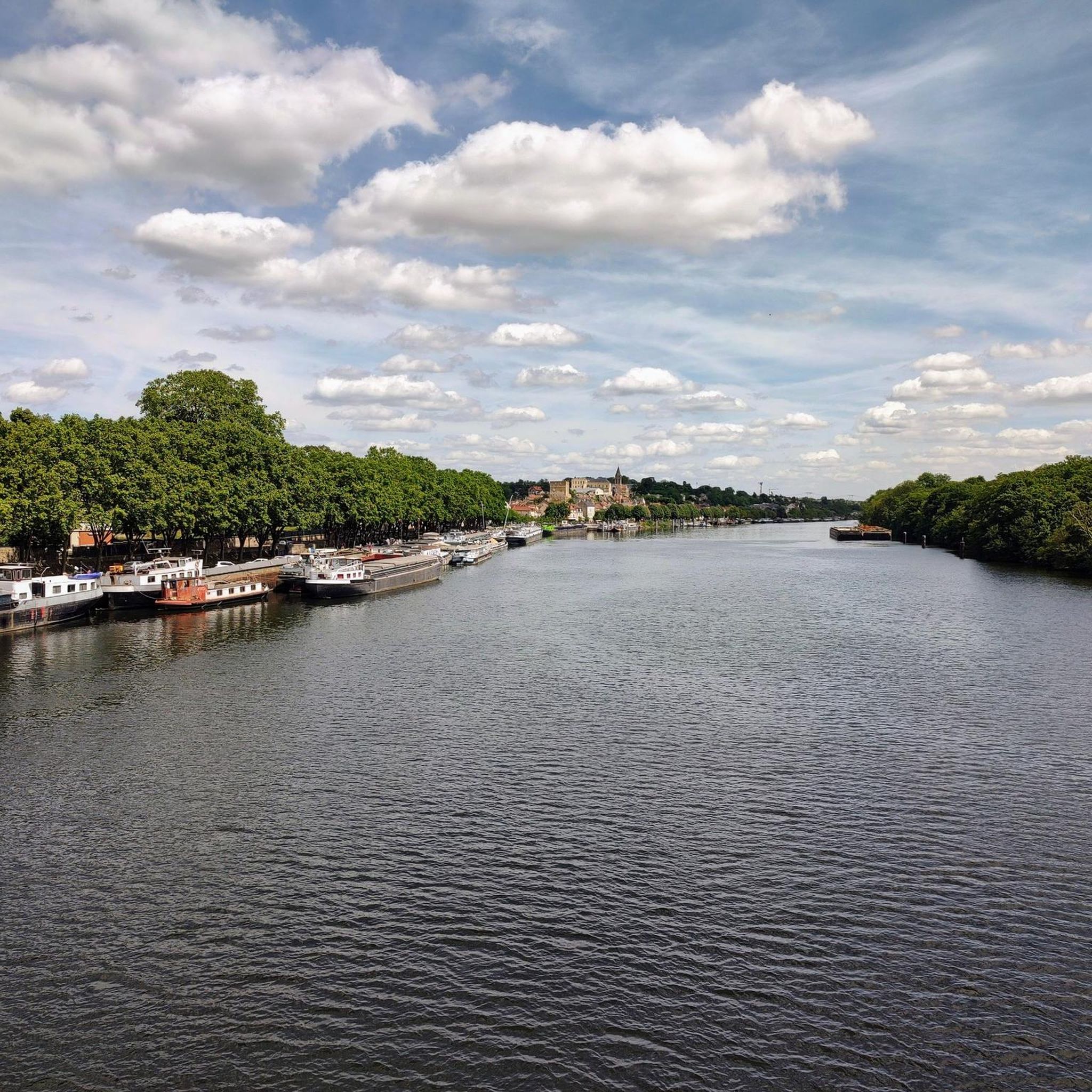
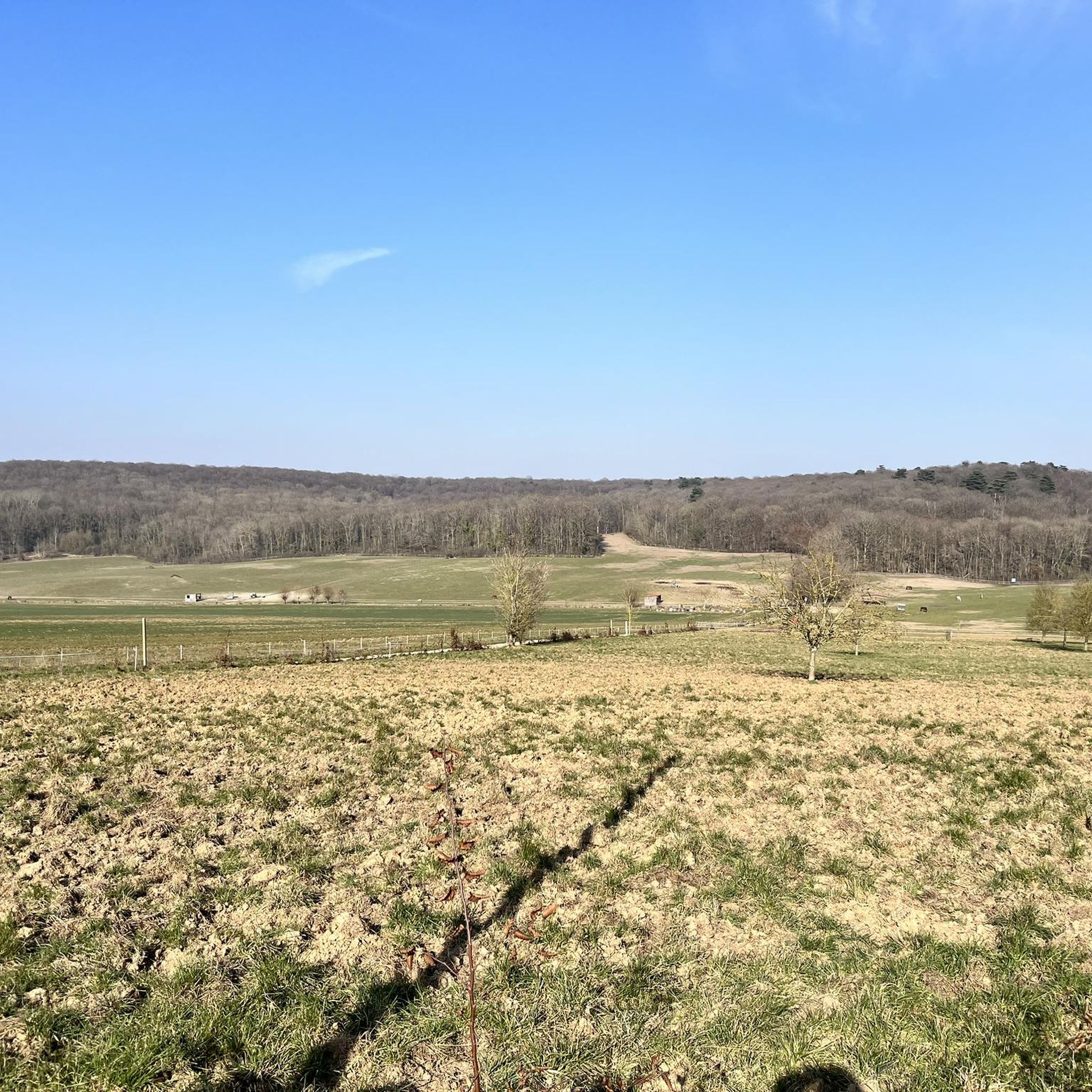
World's End Star - Marly Forest
Highlight • Other
This Marly forest is located in the north-east of the Yvelines department, about twenty kilometers west of Paris. Its territory, elongated …
Translated by Google •
Tip by
Ruins of the Château de Beynes
Highlight • Castle
Translated by Google •
Tip by

Sign up for free to discover even more attractions around Bouafle.
Sign up for free
Already have an account?
Start today with a free account
Your next adventure awaits.
Login or Signup


Tips from the Community

Is it allowed to cross? Not sure... I did, I was looked at and greeted. But not blocked. However, it's not easy to get out on the other side, the exit is closed. It's possible to go through a small door.
0
0

Church located in the Yvelines in Beynes, in the west of Paris. It dates from the 13th century and has seen various demolitions and reconstructions throughout history. Today located in the city center, you can stop there for a supply or simply catch your breath.
2
0

beautiful chateau, with a paved road in front
0
0

Very beautiful castle and great park to visit with the family
0
0

The descent is quite dangerous, especially since the road is blocked between Maurecourt and Hautil. There are cyclists spread across the width of the road! In addition, the coating deteriorates more and more.
0
0

Super beautiful, and well highlighted by the municipality.
0
0
This last part of the climb is called "la côte de la gueule rouge", a route taken in the opposite direction by the famous, but forgotten, race of the polymultipliée de l'Hautil
1
0

From the 8th century, Beynes is a land owned by the abbey of Saint-Germain-des-Prés. It is therefore monks who clear and cultivate the land of Beynes. They build a first place of worship, probably in wood. At the beginning of the 11th century, King Robert II the Pious (972 / 1031) gave the fiefdom of Beynes to Guillaume de Hainaut, first lord of the Montfort family. In 1072, it is attested that Beynes depends on the priory of Saint Laurent de Montfort-L'Amaury. In 1159, a papal bull from Pope Adrian IV, the only English pope in history, attests that King Robert the Pious granted the patronage of the church and the main tithe to Saint Magloire Abbey in Paris. The construction of the current church is dated from the middle of the 12th century, date of the appearance of the parish, consecrated to Saint Martin in 1183. The church has undergone various episodes of demolitions and alterations over the centuries, and appears to have been partly rebuilt in 1773, then remodeled and extended in the 1830s to 1880s. Subsequently, numerous consolidations and repairs took place. The choir, the oldest part, dates from the 12th century, while the nave and the side aisles on the basilica plan are from the 18th and 19th centuries. The Virgin and Child: polychrome stone statue from the 14th century, listed as a historical monument since 1907. The tabernacle: the 18th century sculpted wooden altar, surmounted by a 17th century altarpiece, has been listed as a historical monument since 1907. This tabernacle was sculpted by monks who reproduced certain elements of the portal of the Saint Gervais church from Paris. The two small wooden statues adorn the sides: Saint Vincent and Saint Nicolas. The capitals of the choir: vestiges of the primitive church of the 12th century have been updated: columns, Romanesque capitals, departure of a double roller arch and slightly broken Romanesque arcades.
1
0
Frequently Asked Questions
What natural attractions can I explore around Bouafle?
The Bouaflé region offers diverse natural beauty. You can visit Marahoué National Park, the third-largest national park in Côte d'Ivoire, known for its biodiversity including elephants and various monkey species. Other notable natural sites include the Rochers de Bonon (Bonon Rocks) and Mont Lotienza (Mount Lotienza). For a challenging viewpoint, consider Hautil via Maurecourt, which features steep segments and offers rewarding views.
Are there historical sites to visit in the Bouaflé region?
Yes, the region has several historical sites. You can explore Saint Martin's Church, Beynes, a 13th-century religious building with historical artifacts. Another significant site is Château de Jambville, a castle with architecture spanning centuries, including 13th-century cellars and an 18th-century park. The Ruins of the Château de Beynes also offer a glimpse into the area's past, with its 11th-century origins and military history.
What cultural experiences does Bouaflé offer?
Bouaflé is a cultural hub where visitors can delve into Ivorian life and traditions. A major cultural attraction is the traditional Gouro dance, “Zaouli”, performed with protective masks during significant ceremonies. Exploring the local markets provides an immersive experience into daily life and offers a chance to discover local goods and products, reflecting the rich Gouro, Ayahou, and Yowlè heritages.
Are there any family-friendly attractions around Bouaflé?
Several attractions are suitable for families. Saint Martin's Church, Beynes, is categorized as family-friendly, offering a historical and cultural experience. The grounds of Château de Jambville, with its expansive 18th-century park and rare tree species, are also great for family visits. Additionally, exploring the vibrant local markets can be an engaging experience for all ages.
What kind of outdoor activities can I do near Bouaflé's attractions?
The area around Bouaflé offers various outdoor activities. You can find numerous routes for mountain biking, road cycling, and running. For mountain biking, explore trails like the "Parc de l'Oseraie loop" or the "Château de Jambville – the descent in épingles loop." Road cyclists can enjoy routes such as the "Maisons Castle – Maisons-Laffitte Castle loop." Runners have options like the "Bois Saint-Vincent loop." You can find more details on these activities in the respective guides for MTB Trails around Bouaflé, Road Cycling Routes around Bouaflé, and Running Trails around Bouaflé.
What is the difficulty level of outdoor trails near Bouaflé?
The trails near Bouaflé vary in difficulty. For instance, the Hautil via Maurecourt viewpoint involves a challenging climb with steep segments, reaching up to 12% gradient. However, there are also easier options, such as the "Parc de l'Oseraie loop" for mountain biking, which is rated as easy. Running trails like the "Bois Saint-Vincent loop" are generally moderate. Always check the specific route details for difficulty ratings before heading out.
What is the best time to visit Bouaflé for outdoor activities and attractions?
While specific seasonal recommendations for Bouaflé are not detailed, generally, the dry season in Côte d'Ivoire (roughly November to March) is often preferred for outdoor activities due to more stable weather conditions and less rainfall, making trails more accessible and comfortable for exploration. For cultural experiences, local festivals and ceremonies can occur throughout the year, so checking a local event calendar might be beneficial.
Are there any notable modern landmarks in Bouaflé?
Yes, the Bouaflé Bridge (Nouveau Pont de Bouaflé) is a significant modern architectural structure. It plays a crucial role in local economic activity and improves traffic flow on the Yamoussoukro-Bouaflé-Daloa route, making it a key landmark in the city's infrastructure.
What do visitors enjoy most about the attractions around Bouaflé?
Visitors appreciate the blend of historical depth and natural beauty. For instance, the Saint Martin's Church, Beynes, is valued for its rich history and architectural details. The Château de Jambville is praised for its perfectly renovated state and great park, ideal for family visits. The challenging climb to Hautil via Maurecourt is enjoyed by those seeking a demanding physical activity with rewarding views. The overall appeal lies in the opportunity to discover ancient sites, expansive grounds, and scenic viewpoints.
Where can I find forested areas or viewpoints near Bouaflé?
The region is known for its forested areas and natural viewpoints. The Marahoué National Park offers vast forest and savanna landscapes. You can also find the World's End Star - Marly Forest, located in the Marly forest, which is a significant natural area. For a specific viewpoint, Hautil via Maurecourt provides panoramic vistas after a challenging ascent.
Are there any hidden gems or less-known spots to discover around Bouaflé?
Beyond the main highlights, exploring the smaller, local markets can offer a more authentic and less-known experience of Ivorian culture. While not explicitly a 'hidden gem' in the traditional sense, the Rochers de Bonon (Bonon Rocks) and Mont Lotienza (Mount Lotienza) are noted as beautiful natural tourist sites that might offer a more serene experience away from larger crowds. The Ruins of the Château de Beynes, though historical, might also be considered a quieter, more reflective spot compared to fully restored castles.
Most popular routes around Bouafle
Most popular attractions around Bouafle

Get inspired with the komoot mobile app


Explore more
Still not found the Highlight you’re looking for? See guides of the top attractions in other regions:
