Attractions and Places To See around Monchy-Le-Preux - Top 20
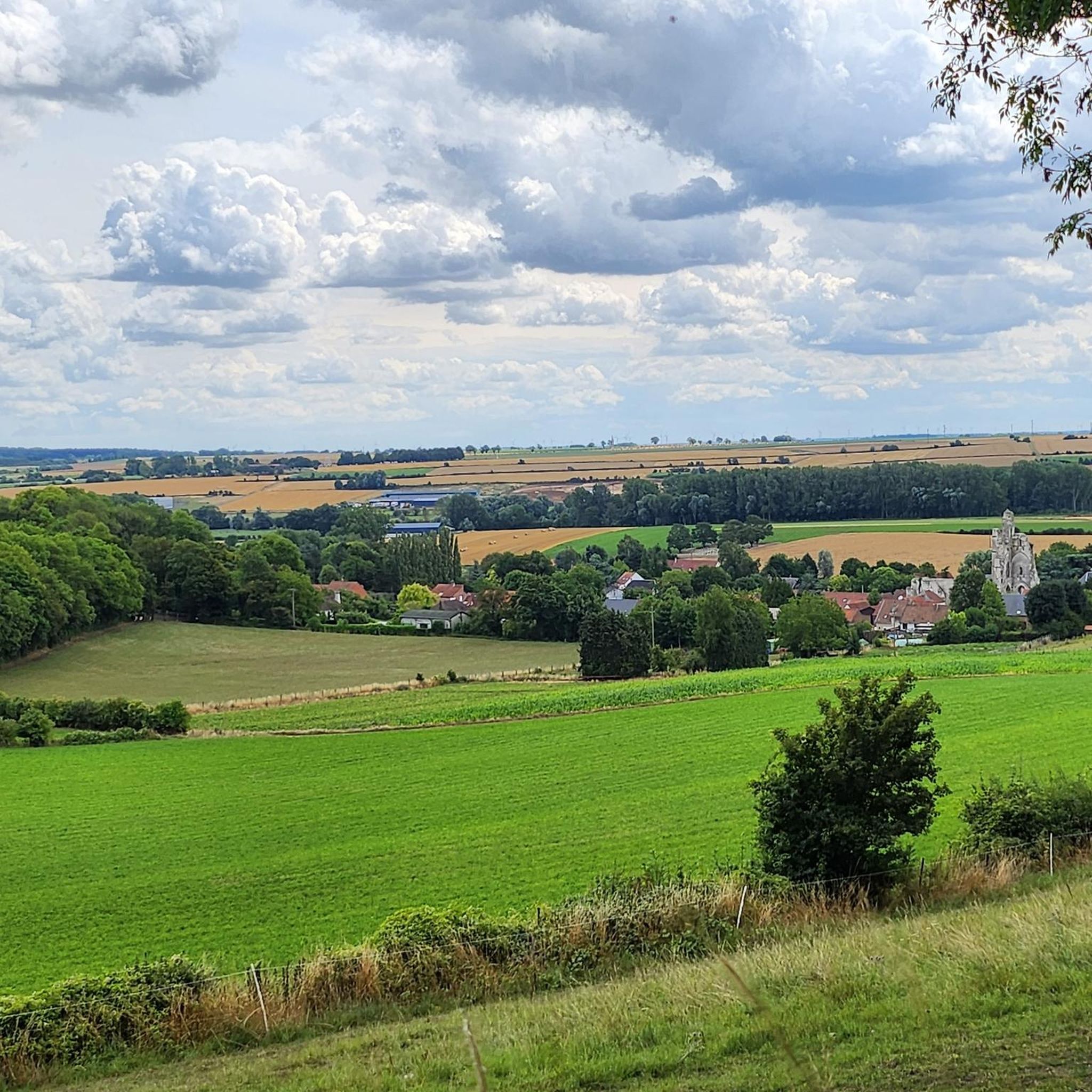
Best attractions and places to see around Monchy-Le-Preux include significant historical sites and natural features. Situated atop a conical hill, the village offers strategic views over the surrounding Scarpe and Sensée rivers plain. The area is primarily known for its pivotal role in World War I, featuring numerous memorials and cemeteries. Visitors can explore a landscape of generally flat terrain with gentle hills, offering opportunities for hiking.
Best attractions and places to see around Monchy-Le-Preux
- The most popular attractions is…
Last updated: October 10, 2026
Arras Citadel
Highlight • Castle
Translated by Google •
Tip by

Scarpe riverbanks
Highlight • Other
Translated by Google •
Tip by

Sign up now to discover places like this
Get recommendations on the best single tracks, peaks, & plenty of other exciting outdoor places.
Arras Town Hall and Belfry
Highlight • Monument
Translated by Google •
Tip by
Les Bonnettes
Highlight • Other
Translated by Google •
Tip by

Wall of the Executed at the Citadel of Arras
Highlight • Monument
Translated by Google •
Tip by
Sign up for free to discover even more attractions around Monchy-Le-Preux.
Already have an account?
Start today with a free account
Your next adventure awaits.





Tips from the Community

a very pleasant treetop adventure course is taking shape on this route inside the citadel
2
0

The Seven Bonnettes are a fascinating megalithic site, surrounded by legends and mysteries. Located in a picturesque valley, this 75 meter high mound is crowned with standing stones forming a crown. According to legend, these stones represent six young girls and a musician, transformed into statues by Heaven for having danced instead of attending vespers.
1
0

Small mythical location. The stone pillars on top have already made many passers-by think. They are part of the unknown treasures of Arras and the Pays d'Artois. The various megalithic sites are good for a beautiful walk, among mysteries and legends, history and extraordinary landscapes. Set sail for the Scarpe valley and the Sensée valley, in the wake of the megaliths of the Pays d'Artois.
1
0
A unique architectural whole The citadel of Arras was never besieged, hence its nickname “the belle inutile”, and is a well-preserved witness of the military buildings of the 17th century.
2
0
Once past the Porte Royale you will immediately see the Timescope on the side of the Saint-Louis chapel. This takes you back to 1678, 10 years after the start of the construction of this citadel on behalf of King Louis XIV of Vauban.
3
0

You can visit the citadel of Arras, a remarkable place in France. Vauban built it in the 1600s and it has preserved a rich legacy from its 300 years of military use. It became a UNESCO World Heritage Site in 2008 after they demilitarized it. You can enjoy historic buildings, green trails and fun activities in this “small city within a city”.
4
0

A huge citadel with a small exhibition in the entrance area. Unfortunately, large parts of the building fabric are falling into disrepair.
1
0

The Scarpe Canal Towpath is a peaceful and leafy greenway created by the Arras Urban Community as part of the Arras Green and Blue Network. This Greenway along the Scarpe Canal towpath aims to ensure continuity of wooded areas between rural and urban areas. The route is interesting and pleasant, as it allows you to safely leave the city, along the water's edge, crossing several natural parks along the towpath. The Greenway starts in Arras, right in the city center, on Rue Louis Blanc or on Boulevard R. Schuman. The end is on Rue de l'Ecluse in Fampoux. This Greenway has a stabilized dolomite surface, suitable for all types of bicycles but not rollerblades.
3
1
Frequently Asked Questions
What historical sites related to World War I can I visit in Monchy-Le-Preux?
Monchy-Le-Preux is deeply connected to World War I. You can visit the Monchy-le-Preux Newfoundland Memorial, featuring a bronze caribou statue, which commemorates the Royal Newfoundland Regiment's actions during the Battle of Arras. Nearby, the 37th Division Memorial honors the British Infantry Division that captured the village. Additionally, the Monchy British Cemetery and Windmill British Cemetery serve as solemn resting places for Commonwealth servicemen.
Are there any significant historical landmarks beyond World War I sites?
Yes, beyond the World War I memorials, you can explore the impressive Arras Citadel. Built by Vauban in the 17th century, it's a UNESCO World Heritage site with a rich military history, now offering historic buildings and green walking paths. Another notable landmark is the Arras Town Hall and Belfry, a magnificent man-made monument with a 75m high belfry offering panoramic views of the city.
What natural features or scenic viewpoints are there around Monchy-Le-Preux?
Monchy-Le-Preux is situated atop a conical hill, providing strategic views over the surrounding Scarpe and Sensée rivers plain. While the terrain is generally flat, this elevation offers a natural viewpoint. For a more structured scenic experience, the Scarpe riverbanks offer a peaceful greenway along the Scarpe Canal towpath, allowing you to explore natural parks along the water's edge.
What outdoor activities can I do near these attractions?
The area around Monchy-Le-Preux is excellent for various outdoor activities. You can enjoy cycling on routes like 'The Scarpe by bike – Pelves loop' or 'Wancourt British Cemetery – Croisilles loop'. For running, consider trails such as 'Biache-Saint-Vaast marshes loop'. Gravel biking is also popular, with routes like 'Scarpe riverbanks – Biache-Saint-Vaast marshes loop'. You can find more details and routes in the Cycling around Monchy-Le-Preux, Running Trails around Monchy-Le-Preux, and Gravel biking around Monchy-Le-Preux guides.
Are there family-friendly attractions in the area?
Yes, several attractions are suitable for families. The Arras Citadel, with its green walking paths and leisure activities within a historic setting, is a great option. The Arras Town Hall and Belfry is also considered family-friendly, offering an engaging historical experience and views. Additionally, the peaceful Scarpe riverbanks provide safe and pleasant paths for family walks or bike rides.
What is the significance of the Wall of the Executed at the Citadel of Arras?
The Wall of the Executed at the Citadel of Arras is a poignant memorial located in the moats of the Citadel. It commemorates 218 patriots of various nationalities who were executed by German troops during World War II between 1941 and 1944. The site is preserved simply, with 218 plaques along the walls, serving as a powerful reminder of this dark period in history.
What do visitors enjoy most about the attractions around Monchy-Le-Preux?
Visitors particularly appreciate the rich historical significance, especially the World War I memorials and the well-preserved Arras Citadel. The scenic beauty of the Scarpe riverbanks for walking and cycling is also highly rated. The combination of profound historical sites and opportunities for outdoor exploration makes the area appealing, with attractions receiving over 95 upvotes and 40 photos shared by the komoot community.
Are there any unique or lesser-known points of interest in the region?
Yes, for those seeking something unique, consider visiting Les Bonnettes. This site features stone pillars surrounded by local legends, offering a glimpse into the region's folklore and a chance to explore megalithic sites in the Pays d'Artois. Additionally, within the Bois de Monchy (Monchy Wood), you can discover a charming neo-Gothic chapel, inspired by Viollet-le-Duc.
What kind of terrain can I expect for hiking or walking around Monchy-Le-Preux?
The area around Monchy-Le-Preux generally features flat terrain with gentle hills. The village itself is on a conical hill, offering some elevation. This landscape is predominantly used for farming, making for relatively easy and accessible walking paths. The Scarpe riverbanks, for instance, offer a stabilized dolomite surface suitable for walking and cycling.
Can I find any cultural sites that reflect the local identity?
The various war memorials and cemeteries, such as the Monchy-le-Preux Newfoundland Memorial and the Monchy British Cemetery, serve as profound cultural sites. They attract visitors on memorial pilgrimages, particularly from Canada and Britain, highlighting the village's deep connection to World War I events and its enduring identity as a place of remembrance and heritage.
Is there public transport available to reach the attractions?
While specific public transport routes directly to all individual attractions in Monchy-Le-Preux are not detailed, the main town of Arras, where attractions like the Arras Citadel and Arras Town Hall and Belfry are located, is well-connected. From Arras, local bus services or taxis would likely be available to reach Monchy-Le-Preux and its surrounding sites.
What is the best time of year to visit Monchy-Le-Preux for outdoor activities?
The region's generally flat terrain and gentle hills make it suitable for outdoor activities for much of the year. Spring and autumn typically offer pleasant temperatures for hiking, cycling, and exploring the memorials without the extremes of summer heat or winter cold. However, the historical sites are accessible year-round, and the greenways along the Scarpe riverbanks provide enjoyable walks in most seasons.
Most popular routes around Monchy-Le-Preux

Get inspired with the komoot mobile app


Explore more
Still not found the Highlight you’re looking for? See guides of the top attractions in other regions:
