The best road cycling routes around Mory
4.4
(40)
370
riders
143
rides
Road cycling routes around Mory traverse a landscape characterized by rolling terrain, agricultural fields, and historical sites. The region features well-maintained roads that wind through verdant countryside and charming villages. Cyclists can expect varied elevation profiles, from relatively flat sections along canals to more undulating routes with moderate climbs. This area offers a blend of scenic beauty and accessible cycling for various skill levels.
Best road cycling routes around Mory
- The most popular road cycling route is The Marshes -…
Last updated: July 2, 2026
13
riders
95.5km
05:02
790m
790m
Hard road ride. Very good fitness required. Mostly well-paved surfaces and easy to ride.
6
riders
175km
10:08
1,100m
1,100m
Hard road ride. Very good fitness required. Some segments of this route may be unpaved and difficult to ride.

Sign up for free
4.0
(1)
8
riders
66.2km
02:41
350m
350m
Moderate road ride. Good fitness required. Some segments of this route may be unpaved and difficult to ride.
6
riders
Moderate road ride. Good fitness required. Some segments of this route may be unpaved and difficult to ride.
7
riders
178km
07:44
1,300m
1,300m
Hard road ride. Very good fitness required. Some segments of this route may be unpaved and difficult to ride.
Get access to more routes and recommendations from other explorers.
Sign up for free
Already have an account?
Our route recommendations are based on thousands of hikes, rides, and runs completed by other people on komoot.
Start today with a free account
Your next adventure awaits.
Login or Signup



Tips from the Community

The castle served for centuries as a meeting place for the regional nobility and thinkers.
9
0

Also a bicycle repair and electric bike charging point
0
0

The Tour d'Ulster, also known as the Helen Tower or Tour de Belfast, is a British war memorial. It was built in 1921 to commemorate the soldiers of the 36th Ulster Division who died during the Battle of the Somme in World War I. The tower is a replica of a neo-Gothic tower in Clandeboye Park, near Belfast, where the 36th Division trained. An interesting anecdote is that the 36th Ulster Division was the first to attack during the Battle of the Somme on 1 July 1916, but suffered heavy losses from both German and British artillery fire. The division lost over 5,500 men in just a few hours. The Tour d'Ulster has a cafeteria where you can enjoy a cup of tea, scones or Tayto chips, a specialty from Northern Ireland. It is a nice place to relax.
6
0
Tour d'Ulster has a cafeteria where you can enjoy a cup of tea, scones or Tayto chips, a specialty from Northern Ireland. It is a nice place to relax for a while.
1
0
The Tour d'Ulster, also known as the Helen Tower or Tour de Belfast, is a British war memorial. It was built in 1921 to commemorate the soldiers of the 36th Ulster Division who died during the Battle of the Somme in World War I. The tower is a replica of a neo-Gothic tower in Clandeboye Park, near Belfast, where the 36th Division trained. An interesting anecdote is that the 36th Ulster Division was the first to attack during the Battle of the Somme on 1 July 1916, but suffered heavy casualties from both German and British artillery fire. The division lost over 5,500 men in just a few hours.
1
0

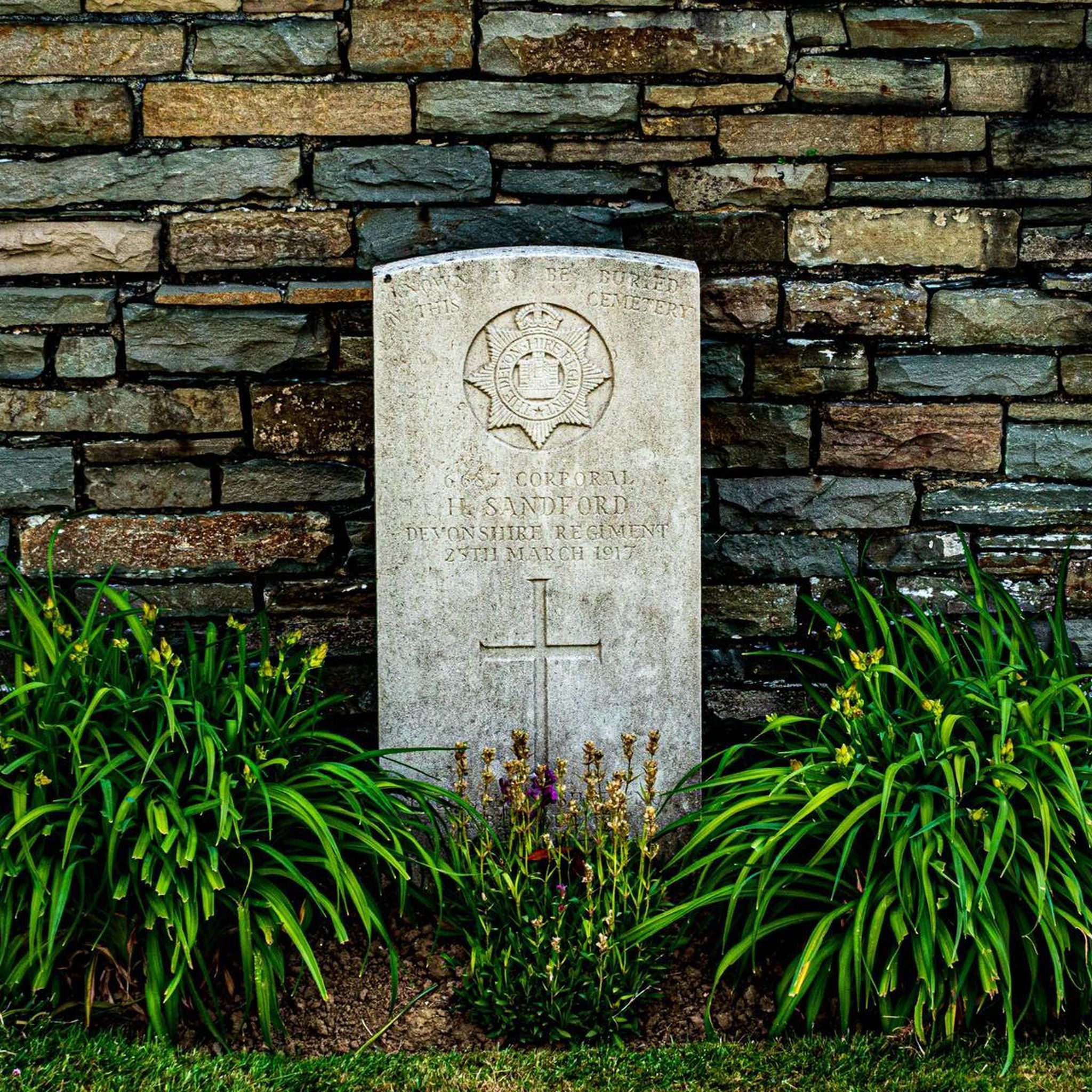
The cemetery's name, "Adanac," was formed by reversing the letters of "Canada" to honor the 1,078 Canadians buried there. There are now 3,187 Commonwealth and First World War commemorative graves in this cemetery, of which 1,709 are unidentified: 1,989 British, 1,074 Canadian, 70 New Zealand, 56 Australian, and 1 German. The village of Miraumont was occupied by British troops on February 24 and 25, 1917, following the German withdrawal to the Hindenburg Line. The village, recaptured by the Germans on March 25, 1918, was finally captured by the 42nd (East Lancashire) Division on August 24.
0
0


The museum covers the period of the First World War in all its aspects: military, social, cultural.
0
0
Frequently Asked Questions
How many road cycling routes are available around Mory?
There are over 140 road cycling routes available around Mory, catering to various skill levels. You'll find a wide selection, from easy rides to more challenging long-distance tours.
What kind of terrain can I expect on road cycling routes in Mory?
Road cycling routes in Mory feature a landscape of rolling terrain, agricultural fields, and historical sites. The roads are generally well-maintained, winding through verdant countryside and charming villages. You can expect varied elevation profiles, including relatively flat sections along canals and more undulating routes with moderate climbs.
Are there road cycling routes suitable for beginners in Mory?
Yes, Mory offers numerous options for beginners. Approximately 47 of the routes are classified as easy, providing a gentle introduction to road cycling in the region. These routes often feature less elevation gain and smoother paths.
What are some challenging road cycling routes in Mory for experienced cyclists?
For experienced cyclists seeking a challenge, Mory has several demanding routes. One such route is the Ulster Tower – Suzanne Castle loop from Courcelles-le-Comte, which is 59.4 miles (95.6 km) long with significant elevation gain. Another is the Corbie Tours – Memory Cycle Route loop from Courcelles-le-Comte, a substantial 108.3 miles (174.2 km) trail leading through historical battlefields and rural landscapes.
Can I find circular road cycling routes around Mory?
Yes, many of the road cycling routes around Mory are designed as loops, allowing you to start and finish at the same point. For example, The Marshes - Lécluse Pond – Between the lakes loop from Croisilles is a popular circular route that offers a tranquil ride through open fields and past water features.
What historical sites or landmarks can I see along road cycling routes in Mory?
The Mory area is rich in history, particularly related to World War I. Cyclists can pass by significant sites such as 1917 — Écoust-Saint-Mein, Hibers Trench Cemetery, and Wancourt British Cemetery. Other notable landmarks include Bapaume Town Hall and the Monument to Abel Guidet.
What do other cyclists say about road cycling in Mory?
The road cycling routes in Mory are highly rated by the komoot community, with an average score of 4.0 stars from over 40 reviews. Cyclists often praise the blend of scenic beauty, well-maintained roads, and the opportunity to explore historical sites and charming villages.
Are there family-friendly road cycling options in Mory?
While specific 'family-friendly' designations aren't always explicit for road cycling, the region's 47 easy routes, often featuring flatter sections along canals and through quiet countryside, can be suitable for families with older children or those looking for a relaxed pace. Always check route details for distance and elevation to ensure it matches your family's ability.
What is the best season for road biking in Mory?
Given the region's characteristics of rolling agricultural landscapes and historical sites, spring and autumn are generally ideal for road cycling in Mory. These seasons offer pleasant temperatures, vibrant scenery, and avoid the potential heat of summer or the colder, wetter conditions of winter.
Are there road cycling routes in Mory that offer scenic viewpoints?
Many routes in Mory traverse picturesque landscapes, offering scenic views of agricultural fields, verdant countryside, and charming villages. Routes that pass along canals or through slightly elevated areas will provide broader vistas of the surrounding region.
Is public transport accessible for reaching road cycling routes in Mory?
While the guide focuses on the routes themselves, the region around Mory (such as Mitry-Mory in France) often has local train or bus services that can connect to towns near cycling routes. It's advisable to check local public transport schedules and bicycle carriage policies for specific starting points.
Where can I find parking for road cycling routes in Mory?
Many road cycling routes in Mory start from villages or towns like Croisilles and Courcelles-le-Comte. These locations typically offer public parking facilities, often near town centers or trailheads. It's recommended to check the specific starting point of your chosen route for detailed parking information.
Are there cafes or places to stop for refreshments along the routes?
As routes often pass through charming villages and small towns, you will likely find opportunities for refreshments. Many French villages, for example, have local bakeries, cafes, or small shops where you can stop for a break and refuel during your ride.
Are there any hidden gem road cycling routes in Mory that are less known?
While the guide highlights popular routes, with over 140 routes available, there are many less-traveled paths waiting to be discovered. Exploring some of the moderate difficulty routes, such as the 1917 — Écoust-Saint-Mein – Havrincourt Castle loop from Écoust-Saint-Mein, can lead you to quieter roads and unique local experiences away from the most frequented trails.
Most popular attractions around Mory

Get inspired with the komoot mobile app


Explore more
Browse the best Road cycling routes in other regions.
