Attractions and Places To See around Noyelles-Sous-Lens - Top 20
Best attractions and places to see around Noyelles-Sous-Lens include significant historical sites and memorials. The region is notable for its World War I history, particularly the Battle of Vimy Ridge, and offers views of the mining area and the Artois hills. Visitors can explore sites commemorating historical events and sacrifices.
Best attractions and places to see around Noyelles-Sous-Lens
- The most popular attractions is Canadian National Vimy Memorial, a man-made monument commemorating Canadian soldiers who died in France during the…
Last updated: July 2, 2026
Canadian National Vimy Memorial
Highlight (Segment) • Monument
Translated by Google •
Tip by

Towards the Canadian trenches of Vimy
Highlight • Monument
Translated by Google •
Tip by

Sign up now to discover places like this
Get recommendations on the best single tracks, peaks, & plenty of other exciting outdoor places.
Sign up for free
Canadian Memorial
Highlight • Other
Translated by Google •
Tip by

Canadian Memorial
Highlight • Other
Translated by Google •
Tip by
Givenchy-en-Gohelle Canadian Cemetery
Highlight • Historical Site
Showing Translation
Tip by
Sign up for free to discover even more attractions around Noyelles-Sous-Lens.
Sign up for free
Already have an account?
Start today with a free account
Your next adventure awaits.
Login or Signup

Tips from the Community

A remarkable story about the Canadian trenches concerns the preparations for the attack on Vimy Ridge in April 1917. The Canadian divisions used an underground quarry and created additional corridors towards the front. These tunnels and trenches played a crucial role in the success of the attack, with the Canadians managing to retake the strategically important ridge in just three days.
7
0
A remarkable event occurred on April 9, 1917, when Canadian troops launched their famous assault on Vimy Ridge, a pivotal battle that resulted in the capture of strategically important heights. The cemetery commemorates the sacrifices of these and other soldiers who fought in the region.
7
0
The Givenchy-en-Gohelle Canadian Cemetery is a military cemetery managed by the Commonwealth War Graves Commission (CWGC). This cemetery was established in March 1917 by the Canadian Corps and contains the graves of soldiers who died during World War I. Givenchy-en-Gohelle was captured by the 2nd Canadian Division on April 13, 1917, and remained in British hands for the rest of the war.
8
0

Within the 107 hectares of the Vimy Ridge National Historic Site of Canada, near the grandiose memorial erected in honor of the 66,000 Canadian soldiers who died in the Great War, a more modest building is dedicated "to the memory (...) of the officers, non-commissioned officers, and soldiers of the Moroccan Division who fell gloriously here on May 9, 10, and 11, 1915." Before the Canadians captured Vimy Ridge from the Germans in April 1917, other soldiers had already set foot there but were unable to hold their ground due to a lack of reinforcements and sufficient artillery support. These "forerunners" were the Moroccan Zouaves and riflemen, wearing red chechias and baggy trousers, accompanied in the Moroccan Division by Foreign Legion volunteers from 52 countries. To the men of the Moroccan Division who set out to assault Vimy Ridge On the morning of May 9, 1915, they broke through the German lines, crossed Folie Wood, and approached Vimy Ridge. To monitor their advance and adjust artillery fire, squares of white cloth were sewn to their backs, making them prime targets for the Germans on their flank. Furthermore, the artillery was running low on ammunition, and reinforcements were not forthcoming: the order to withdraw came with the evening. The Moroccan soldiers were forced to abandon the conquered ground at the cost of heavy losses. The riflemen of the Moroccan Division were among the approximately 820,000 men mobilized in the French colonies or protectorates during the First World War, including 636,000 sent to France as soldiers or laborers. Among the 449,000 engaged in the fighting, the majority came from Algeria (150,000) and the others from sub-Saharan Africa (135,000), Indochina (43,000), Tunisia (39,000), Morocco (34,000). 70,000 of them died on French soil.
0
0
The Vimy Memorial is the most prestigious Canadian monument in Europe. It is located on the very site of the 1917 fighting near Vimy in the Pas-de-Calais region of France. Erected on the highest point of the hill, Hill 145, the objective of the operations that began on April 9, 1917, it overlooks the Douai Plain. In 1921, architect and sculptor Walter S. Allward (1875-1955) won the competition from the Canadian Battlefield Memorials Commission. The significance of the battles at the site and the favorable location at the top of the hill allowed Vimy to receive the most prestigious work.
1
0

I went there late one evening, a calm that does you good, a great panorama night and day
0
0

Such places are still very important today as memorials to the countless war dead. "Now, Lord, you let your servant depart in peace, as you have said..." says the so-called "Hymn of Simeon" (Luke's Gospel, Chapter 2, Verse 29). However, the many people buried here did not depart in peace, but became victims of war and an inhuman tyranny. The most important and at the same time everlasting function of the military or honorary cemeteries or war graves is therefore to keep the memory of this suffering alive and - every generation anew (!) - to remind them of the need to maintain peace in the long term.
0
0

The Givenchy-en-Gohelle Canadian Cemetery is a place of respect and remembrance, dedicated to the Canadian soldiers who fell during the First World War. Located on the heights, this peaceful site offers a serene view of the surrounding fields and Vimy Ridge. The rows of headstones, carefully aligned, recall the sacrifice of these men who came from far away to fight.
4
0
Frequently Asked Questions
What historical sites can I visit around Noyelles-Sous-Lens?
The region is rich in World War I history. Key sites include the Canadian National Vimy Memorial, which commemorates Canadian soldiers who died in France, and the historical site Towards the Canadian trenches of Vimy, where you can explore underground tunnels and trenches. You can also visit the Givenchy-en-Gohelle Canadian Cemetery, a place of remembrance for fallen soldiers.
Are there family-friendly attractions in the Noyelles-Sous-Lens area?
Yes, several historical sites are suitable for families. Both the Canadian National Vimy Memorial and the trenches at Towards the Canadian trenches of Vimy are categorized as family-friendly. These sites offer educational experiences about the region's significant history.
What outdoor activities are available near Noyelles-Sous-Lens?
The area around Noyelles-Sous-Lens offers various cycling opportunities. You can find numerous road cycling routes, MTB trails, and gravel biking routes, ranging from easy to difficult, allowing you to explore the mining area and Artois hills.
Can I find walking or hiking trails around Noyelles-Sous-Lens?
While specific hiking trails are not detailed in the attractions data, the historical sites like the Canadian Memorial often involve walking paths to explore the grounds. The Vimy Ridge area itself offers opportunities for walking and reflection, with paths leading to various monuments and viewpoints.
What are the best viewpoints or natural landscapes to see?
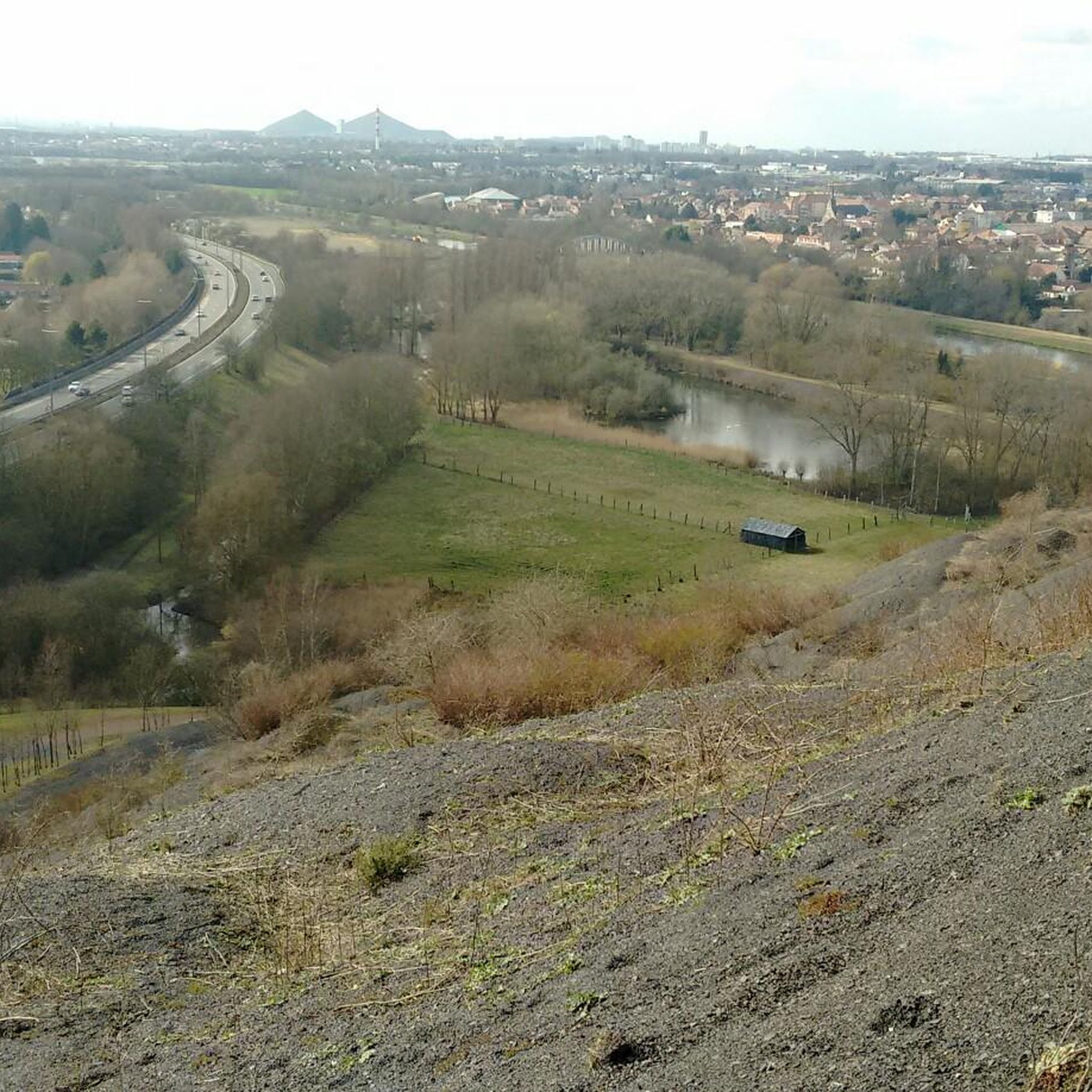
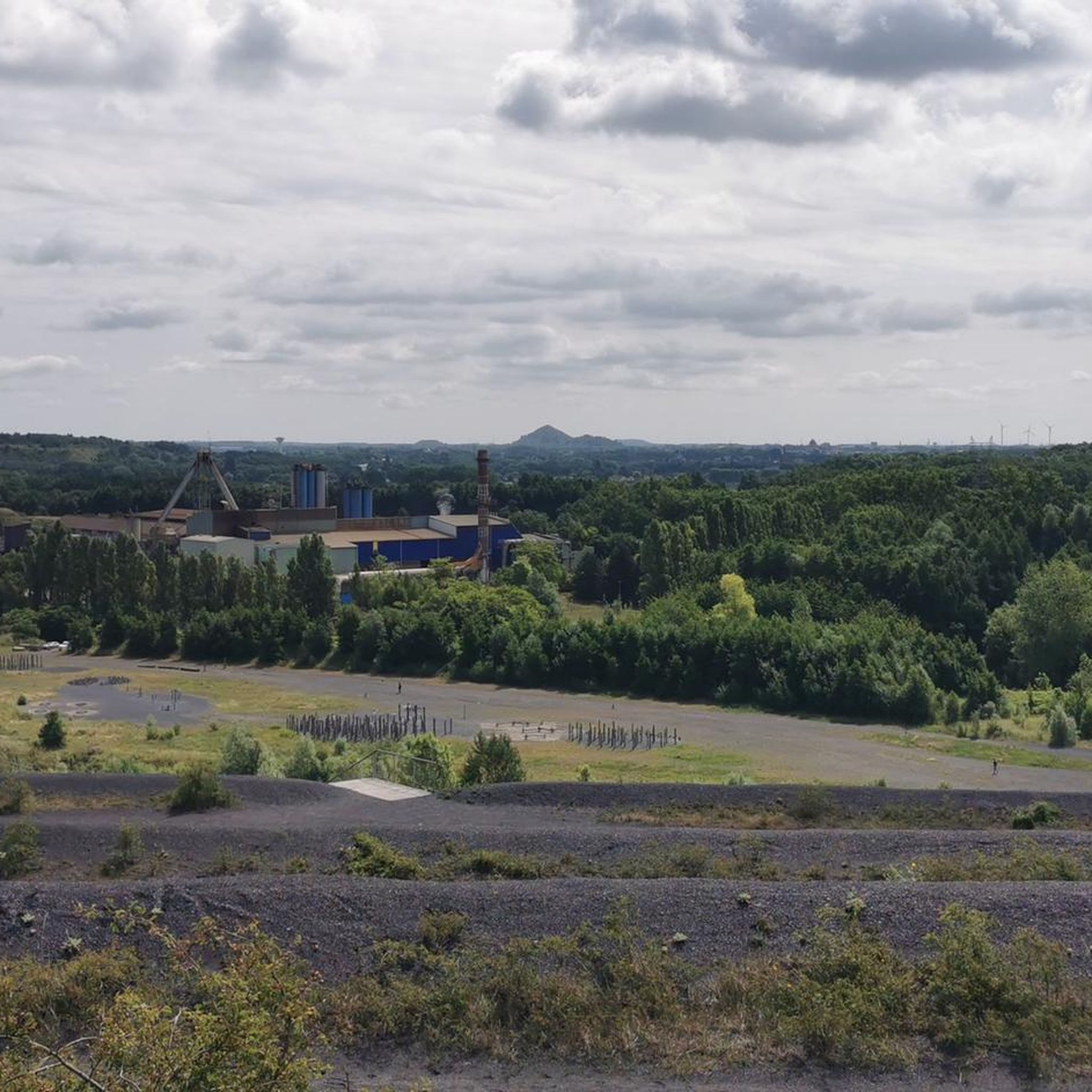
The Vimy Ridge area, particularly from the Canadian Memorial, offers a magnificent panorama of the mining area and the hills of the Artois region. The Givenchy-en-Gohelle Canadian Cemetery also provides a peaceful site with serene views of the surrounding fields and Vimy Ridge.
Is public transport available to reach the attractions?
Information on specific public transport routes to each attraction is not provided in the guide data. It is recommended to check local transport options or consider driving, as many historical sites in the region are best accessed by car.
Are there any accessible attractions for visitors with mobility challenges?
While specific accessibility details for wheelchair users are not explicitly mentioned for all sites, the Canadian National Vimy Memorial is generally designed with wide paths and facilities to accommodate visitors. It's advisable to check the official websites of individual memorials for the most up-to-date accessibility information.
What do visitors enjoy most about the attractions around Noyelles-Sous-Lens?
Visitors frequently appreciate the profound historical significance and the well-maintained nature of the memorials. The sites invite reflection on the past, with many noting the emotional impact of seeing the trenches and monuments. The panoramic views from Vimy Ridge are also highly regarded.
Are dogs allowed at the historical sites?
While some outdoor areas may permit dogs, it's important to note that certain sites, such as parts of the Canadian Memorial grounds, explicitly state that dogs are not allowed. It is best to verify specific pet policies for each attraction before your visit.
When is the best time to visit Noyelles-Sous-Lens attractions?
The attractions are generally accessible year-round. However, visiting during spring or autumn offers pleasant weather for exploring the outdoor memorials and trenches. Summer can also be a good time, though it might be busier. Always check opening hours, as some sites may have seasonal variations.
Are there any hidden gems or less-known outdoor spots?
Beyond the main memorials, exploring the broader landscape of the Artois hills and the former mining area can reveal quieter spots. The various cycling routes, including MTB trails and gravel biking routes, often pass through scenic and less-trafficked areas, offering a different perspective of the region's outdoor beauty.
Can I find cafes or restaurants near the main attractions?
While specific cafes are not listed within the attraction data, major historical sites like the Canadian National Vimy Memorial often have visitor centers or facilities nearby that may include refreshment options. For a wider selection, you would typically find cafes and restaurants in the nearby towns and villages.
Most popular routes around Noyelles-Sous-Lens
Most popular attractions around Noyelles-Sous-Lens

Get inspired with the komoot mobile app


Explore more
Still not found the Highlight you’re looking for? See guides of the top attractions in other regions:
