Attractions and Places To See around Robecq - Top 20
Best attractions and places to see around Robecq, a commune in the Pas-de-Calais department of northern France, offer a blend of local history and regional points of interest. The area provides access to historical sites, architectural landmarks, and remnants of its industrial past. Robecq itself holds historical significance, including its oldest surviving building dating back to 1701 and its role in World War I. The surrounding region features diverse attractions, from former slag heaps to collegiate churches.
Best attractions and places to see around Robecq
- The most popular attractions is Terril Number 5 of Lapugnoy, a viewpoint that offers panoramic views of the surrounding countryside and the Bois de Lapugnoy. It provides insight into the region's industrial heritage and ecological reclamation.
- Another must-see spot is The Thiennes Bridge, a road bridge connecting Thiennes and Aire-sur-la-Lys over the Lys River. It is 200 meters long and features a lifting system for boat passage.
- Visitors also love Saint-Pierre Collegiate Church of Aire-sur-la-Lys, an impressive religious building showcasing Flamboyant and Renaissance architecture. Built between 1492 and 1634, it is classified as a historic monument.
- Robecq is known for historical sites, industrial heritage, and architectural landmarks. Visitors can explore historical buildings, significant architectural works, and sites reflecting the region's past.
- The attractions around Robecq are appreciated by the komoot community, with more than 50 upvotes and 15 photos shared.
Last updated: July 2, 2026
Terril Number 5 of Lapugnoy
Highlight • Viewpoint
Tip by

Saint-Pierre Collegiate Church of Aire-sur-la-Lys
Highlight • Religious Site
Translated by Google •
Tip by

Sign up now to discover places like this
Get recommendations on the best single tracks, peaks, & plenty of other exciting outdoor places.
Sign up for free
View from the Thiennes bridge
Highlight • Bridge
Showing Translation
Tip by
The facades of the main square
Highlight • Historical Site
Town Hall
Rebuilt many times, the current Town Hall was designed by architect J. Alleman. Built between 1924 and 1929, the building stands out from the other buildings with its massive form. Its façade embodies the city's titles and glories: the Croix de Guerre and the Legion of Honor, as well as the city's coat of arms. The Town Hall has been listed as a Historic Monument since April 2002. Some of the square's façades, representative of the Art Deco style, are also listed as Historic Monuments.
The Cellars of the Grand'Place
Vast cellars, boves, and countermine galleries: the underground of Béthune bears witness to the city's intense activity. During the First World War, the cellars served as refuges for the inhabitants of Béthune. Some cellars of private homes are now open to the public. (Notably at No. 42 Grand'Place)
(c) bethune.fr/bethune-brille/patrimoine-historique/la-grand-place-558.html
Translated by Google •
Tip by

Saint-Venant Town Hall (Rathaus)
Highlight • Other
During the First World War, Saint-Venant was located 12 km from the front and Saint-Venant became a logistical centre for the Allies. From 1915 to 1915, a health centre for British and Indian soldiers was established here. In 1917 and 1918, a Portuguese army corps arrived here, which took part in the Fourth Battle of Ypres and later in the liberation of Lille.
In 1940, an attempt was made here to stop the German troops in order to support the evacuation from Dunkirk.
Translated by Google •
Tip by
Sign up for free to discover even more attractions around Robecq.
Sign up for free
Already have an account?
Start today with a free account
Your next adventure awaits.
Login or Signup

Tips from the Community

view of Béthune from the Fouquereuil spoil heap
0
0

The Grand'Place de Béthune is the focal point of the city of Buridan. Destroyed in 1918, it was rebuilt and stands as an architectural example. A group of architects led by L.M. Cordonnier gave it its present-day appearance: eclecticism, Art Deco, and neo-regionalism combine to create a diverse ensemble. Town Hall Rebuilt many times, the current Town Hall was designed by architect J. Alleman. Built between 1924 and 1929, the building stands out from the other buildings with its massive form. Its façade embodies the city's titles and glories: the Croix de Guerre and the Legion of Honor, as well as the city's coat of arms. The Town Hall has been listed as a Historic Monument since April 2002. Some of the square's façades, representative of the Art Deco style, are also listed as Historic Monuments. The Cellars of the Grand'Place Vast cellars, boves, and countermine galleries: the underground of Béthune bears witness to the city's intense activity. During the First World War, the cellars served as refuges for the inhabitants of Béthune. Some cellars of private homes are now open to the public. (Notably at No. 42 Grand'Place) (c) https://www.bethune.fr/bethune-brille/patrimoine-historique/la-grand-place-558.html
0
0

Terril nice is not too fat, especially at the moment :)
0
0

The Pont de Thiennes is a traffic bridge located on the Leie, connecting the municipalities of Thiennes and Aire-sur-la-Lys. The bridge was inaugurated in 2014. It is built of Soignies granite and was financed by the state (33.9%) for war damage, by the department of Pas-de-Calais (33.05%) and by the department of Nord (33.05%). The bridge is equipped with a lifting system to allow the passage of boats.
7
0

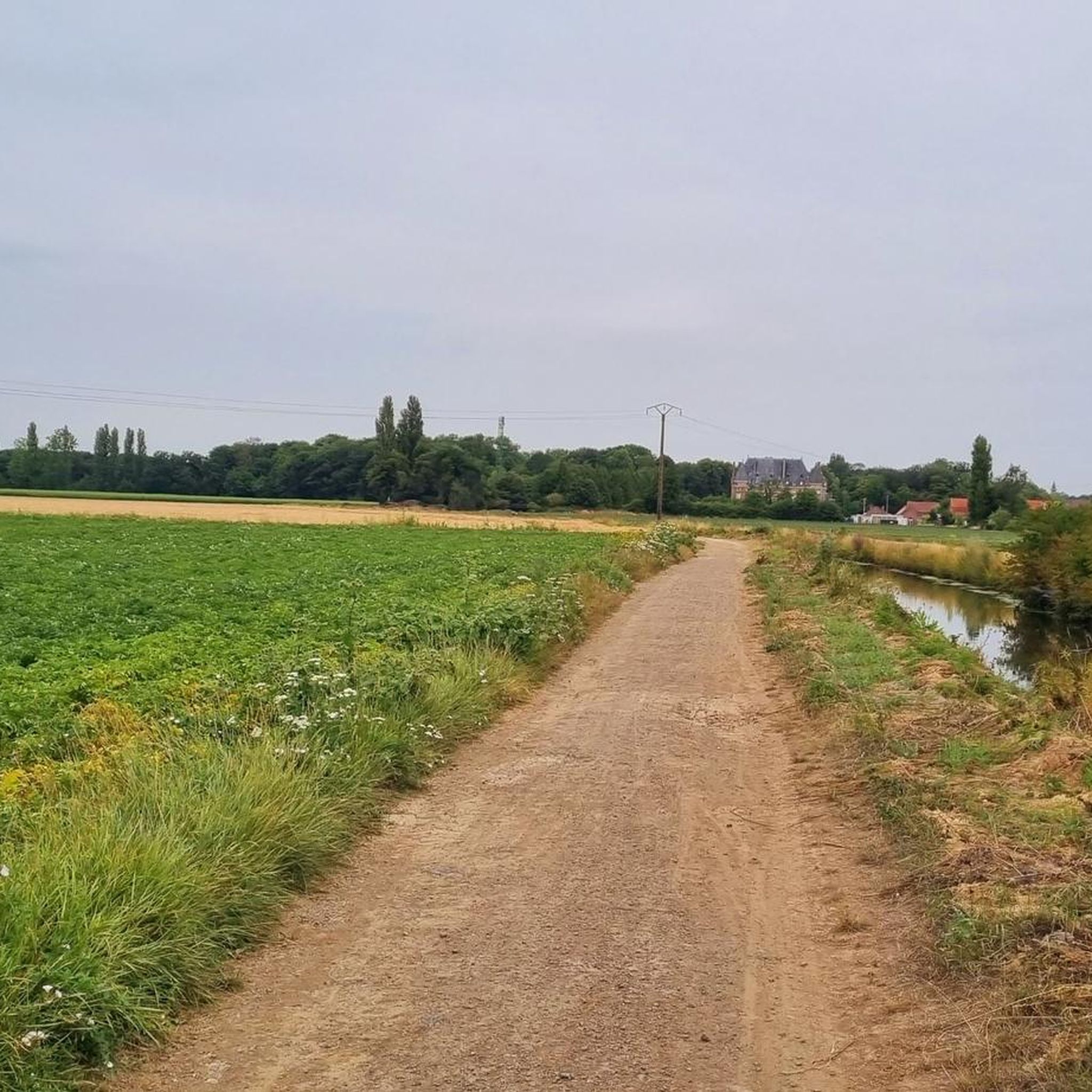
Slag heap number 5 in Lapugnoy, a vestige of the mining era in northern France, today offers a unique view of the surrounding landscapes. Covered with vegetation, this slag heap, once a symbol of industrial labour, has become a popular walking spot for hikers and nature lovers. Climbing its slopes, you will discover a striking panorama of the surrounding plains and forests.
0
0

absolutely stunning
0
1

View of the slag heaps of the Carreau Valley of Marles and Auchel from the Lapugnoy slag heap, but also of the town of the commune with its bell tower and its fields.
0
0
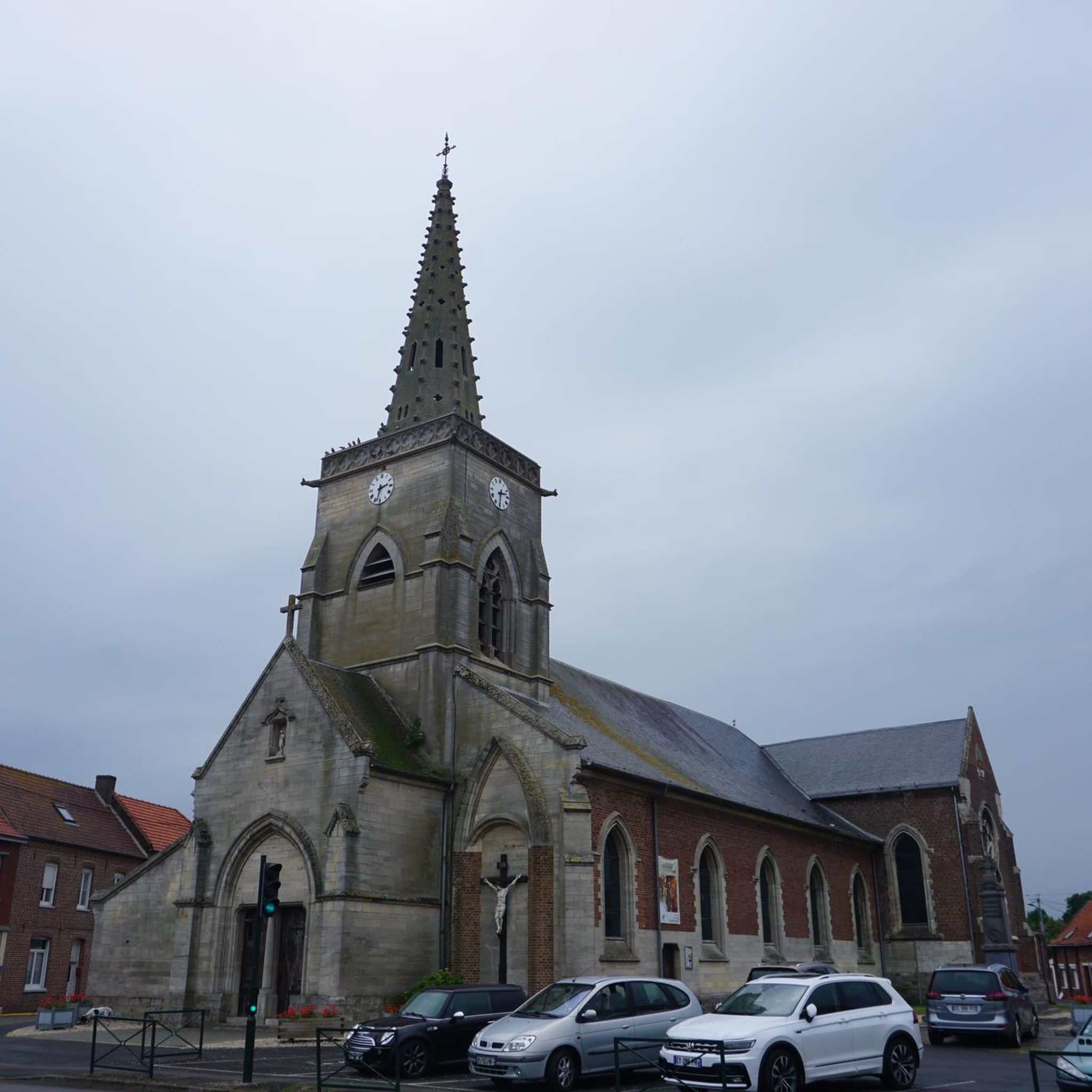
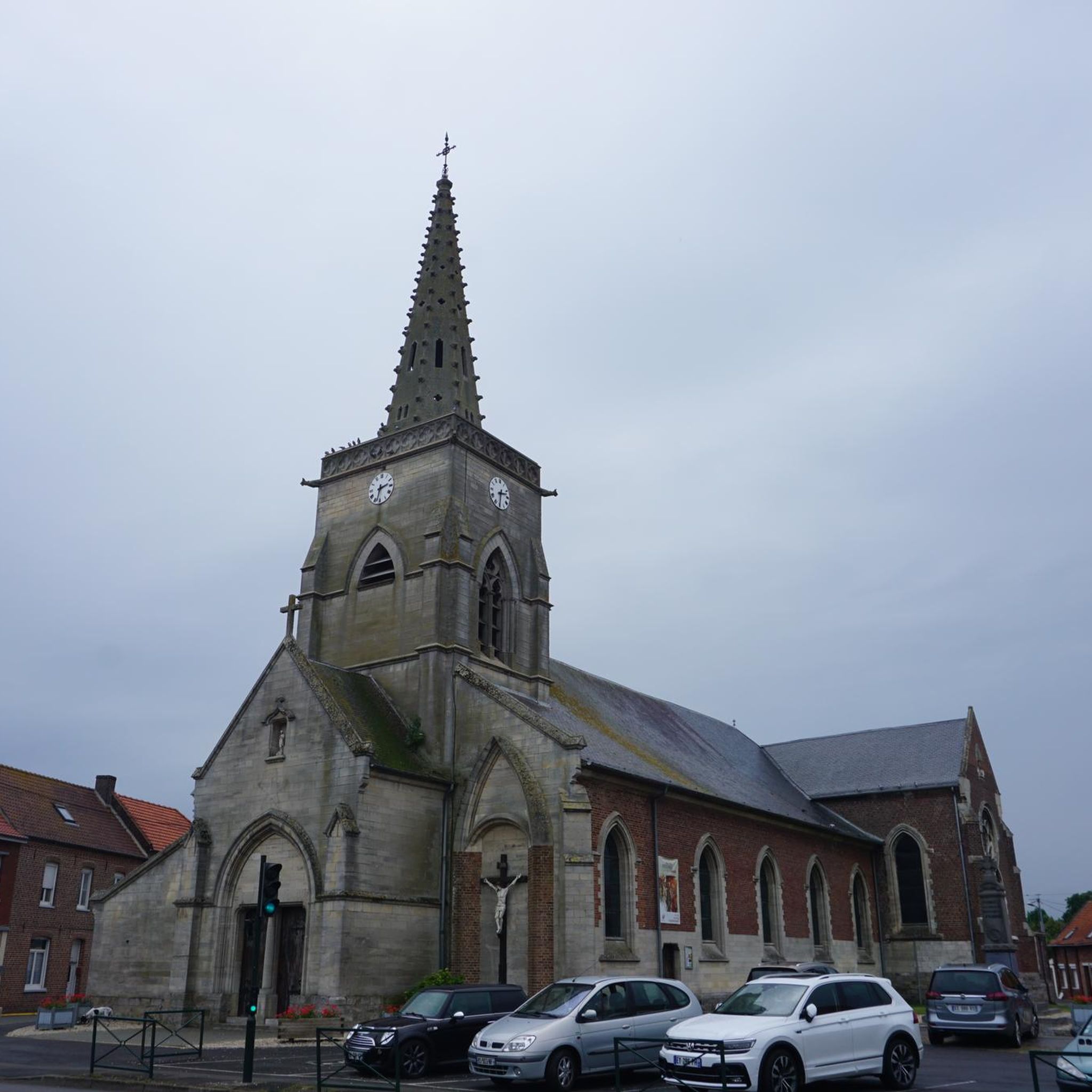
This is one of the finest examples of the Flamboyant Gothic and Renaissance in French Flanders. The imposing tower (62m) resembles that of Notre-Dame in Saint-Omer. Inside, the pattern of the ribs of the vaults has been transferred to the floor. The choir is closed by a beautiful rood screen; on the left is the gilded statue of Notre-Dame Panetière. The oak organ case comes from the abbey church of Clamarais. Choir and apse suffered from a bombardment in 1944. In the back you can see a beautiful Virgin and Child (15th century)
9
0
Frequently Asked Questions
What historical sites can I explore in Robecq itself?
In Robecq, you can visit what is believed to be the oldest surviving building, located on Rue de l'Eclème. This edifice dates back to 1701 and features two distinctive gable walls. The village also has historical significance from World War I, having been awarded the Croix de Guerre.
Are there significant historical monuments near Robecq?
Yes, the region boasts several historical monuments. You can visit the impressive Saint-Pierre Collegiate Church of Aire-sur-la-Lys, an important example of Flamboyant and Renaissance architecture. Additionally, the Grand'Place in Béthune features a notable Town Hall and facades rebuilt after 1918, showcasing eclectic and Art Deco styles.
Where can I find panoramic views of the countryside near Robecq?
For panoramic views, head to Terril Number 5 of Lapugnoy. This former slag heap offers expansive views of the surrounding countryside and the Bois de Lapugnoy, providing insight into the region's industrial past and its ecological reclamation.
What kind of outdoor activities are available around Robecq?
The area around Robecq offers various outdoor activities. You can explore numerous hiking trails, go gravel biking, or enjoy running routes. For detailed routes and guides, you can check out the hiking guide or the gravel biking guide for the Robecq area.
Are there hiking trails suitable for different skill levels near Robecq?
Yes, there are hiking trails for various skill levels. For example, the 'Vieille Lys de Saint-Venant – Haverskerque loop' is an easy 5.8 km route, while the 'Memories of the First World War' loop offers a moderate 9.3 km experience. You can find more options in the hiking guide around Robecq.
Can I go cycling or gravel biking in the Robecq area?
Absolutely. The region provides several routes for gravel biking, such as the 'Canal d'Aire Greenway – Terril 46 of Verquigneul loop' which is a moderate 56 km ride. You can discover more routes and details in the gravel biking guide around Robecq.
Are there any family-friendly attractions around Robecq?
The Thiennes Bridge is considered family-friendly and offers an interesting sight with its lifting system for boats. It connects Thiennes and Aire-sur-la-Lys over the Lys River.
Which attractions are wheelchair accessible?
The Thiennes Bridge is wheelchair accessible. Additionally, the facades of the main square in Béthune are also noted for their accessibility.
What role did Robecq play in World War I?
Robecq held historical importance during World War I. It is part of a historical circuit dedicated to the Battle of the Lys (April-June 1918). Historical accounts mention the use of a Lewis gun along the Calonne/Robecq road during a German advance, highlighting the area's involvement in the conflict.
What is special about the Grand'Place in Béthune?
The Grand'Place in Béthune was rebuilt after 1918 and showcases a blend of eclectic, Art Deco, and neo-regionalist architectural styles. Its Town Hall, built between 1924 and 1929, stands out with its massive form and facade adorned with symbols of the city's history, including the Croix de Guerre and the Legion of Honor.
Can I learn about the region's industrial heritage?
Yes, you can learn about the region's industrial heritage by visiting Terril Number 5 of Lapugnoy. This former slag heap from the Marles coal mines now offers a unique perspective on the area's past and its ecological transformation.

Get inspired with the komoot mobile app


Explore more
Still not found the Highlight you’re looking for? See guides of the top attractions in other regions:
