The best road cycling routes around Vaudricourt
4.3
(223)
9,316
riders
650
rides
Road cycling routes around Vaudricourt traverse the varied landscapes of the Pas-de-Calais department in France's Hauts-de-France region. The area features rolling terrain, including the Hills of Artois, with elevations typically under 200 meters. Cyclists will encounter a mix of agricultural lands, bocage, and forested sections like Bois de Noulette, alongside routes following tranquil canals. The region offers mostly paved surfaces suitable for road cycling.
Best road cycling routes around Vaudricourt
- The most popular road cycling route is Béthume and the…
Last updated: July 10, 2026
3.0
(3)
17
riders
48.3km
01:58
180m
180m
Easy road ride. Great for any fitness level. Mostly well-paved surfaces and easy to ride.
6
riders
125km
05:22
710m
710m
Hard road ride. Very good fitness required. Mostly well-paved surfaces and easy to ride.

Sign up for free
3.8
(6)
171
riders
78.2km
03:30
210m
210m
Moderate road ride. Good fitness required. Mostly well-paved surfaces and easy to ride.
3.2
(5)
99
riders
48.3km
02:17
520m
520m
Moderate road ride. Good fitness required. Some segments of this route may be unpaved and difficult to ride.
112
riders
111km
04:56
710m
710m
Moderate road ride. Good fitness required. Mostly well-paved surfaces and easy to ride.
Get access to more routes and recommendations from other explorers.
Sign up for free
Already have an account?
Our route recommendations are based on thousands of hikes, rides, and runs completed by other people on komoot.
Start today with a free account
Your next adventure awaits.
Login or Signup


Tips from the Community

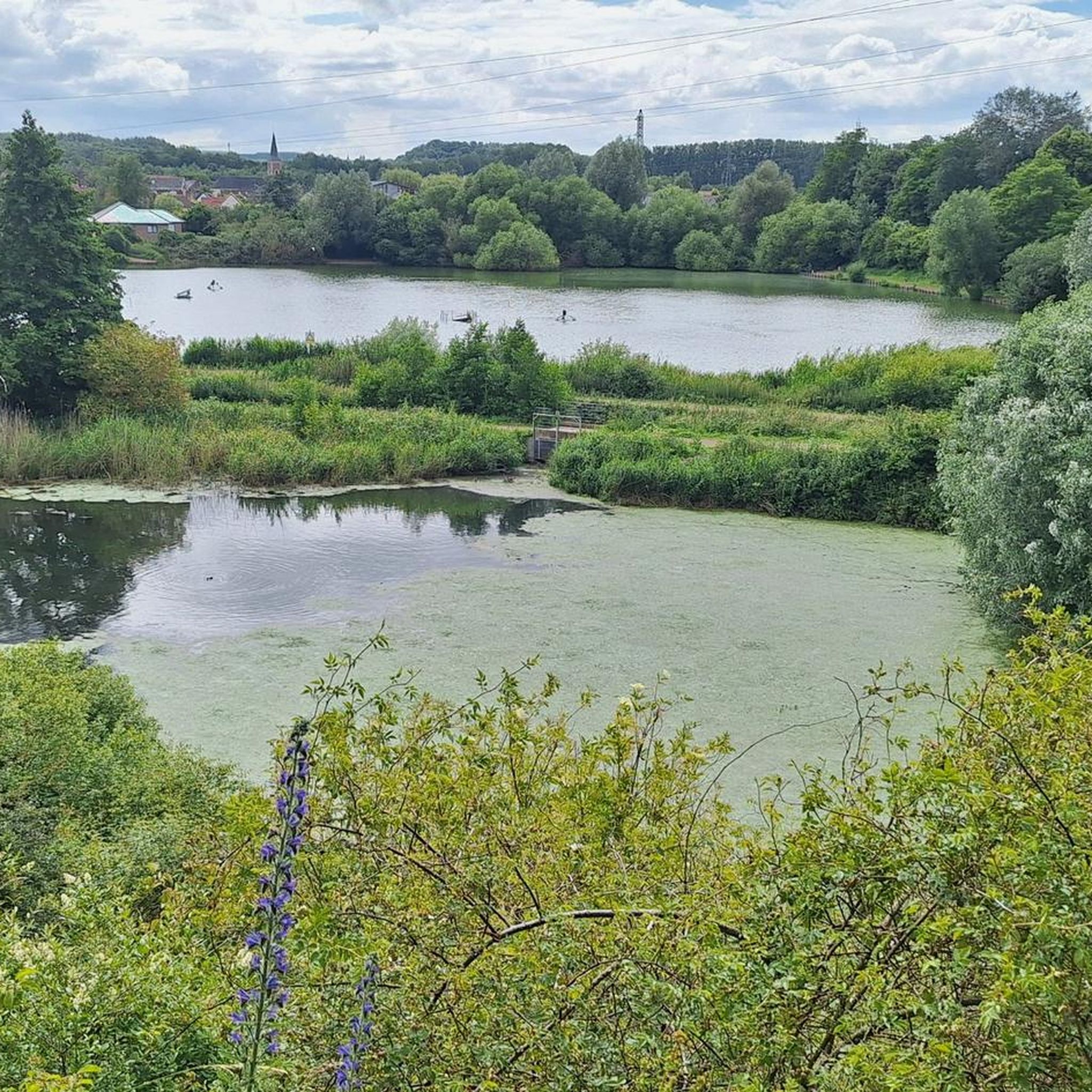
The source of the Leie (French: la source de la Lys) is located in the small French village of Lisbourg, situated in the Pas-de-Calais department in the Hauts-de-France region. The river originates here at an altitude of approximately 115 meters and flows via Aire-sur-la-Lys towards Belgium, eventually flowing into the Scheldt in Ghent after approximately 202 kilometers.
0
0

The battle of Fromelles on 19 July 1916 was a bloody initiation for Australian soldiers to warfare on the Western Front. Soldiers of the newly arrived 5th Australian Division, together with the British 61st Division, were ordered to attack strongly fortified German front line positions near the Aubers Ridge in French Flanders. The attack was intended as a feint to hold German reserves from moving south to the Somme where a large Allied offensive had begun on 1 July. The feint was a disastrous failure. Australian and British soldiers assaulted over open ground in broad daylight and under direct observation and heavy fire from the German lines. Over 5,500 Australians became casualties. Almost 2,000 of them were killed in action or died of wounds and some 400 were captured. This is believed to be the greatest loss by a single division in 24 hours during the entire First World War. Some consider Fromelles the most tragic event in Australia’s history. https://www.awm.gov.au/articles/encyclopedia/fromelles
0
0


Near the front line in 1916, a fierce battle was fought between the British (Australians) and the Germans. To commemorate 'la bataille' and the wounded who were brought back from the battlefield, a monument/statue was erected here.
1
0

Anecdote: During the battle, Sergeant Simon Fraser heard a wounded soldier cry out, "Don't forget me, cobber!" Despite the danger, Fraser returned to the battlefield to save the man, an act of bravery that was later immortalized in the statue. This event emphasizes the sacrifice and strong bond between soldiers during the horrors of war.
7
0
The Cobbers Australian Memorial is located in the Australian Memorial Park near Fromelles. This memorial commemorates the Australian soldiers who died during the Battle of Fromelles on 19-20 July 1916. The statue, designed by Peter Corlett, shows Sergeant Simon Fraser carrying a wounded comrade out of no man's land. The name "Cobbers" comes from a letter Fraser wrote, describing the bravery and camaraderie of the soldiers.
7
0

The church dedicated to the Mother of God under the title "Notre-Dame de Lorette" rises in brilliant white and is visible from far away. But the brilliant impression is deceptive, at the latest when the visitor to the site realizes that they are in a huge military cemetery. Around 20,000 individual graves and a further 23,000 victims of war and tyranny buried in ossuaries are deeply disturbing.
0
0
The Bornes Vauthier are a series of sculptures created in the 1920s by the artist Paul Moreau-Vauthier to mark the front line of the First World War. They are located in Belgium and France and are one of the routes set up to keep the memory of the war alive. The Bornes Vauthier consist of a series of granite monoliths marking the front line as it was in July 1918, during one of the last Allied offensives. A total of 240 Bornes Vauthier are planned, from the North Sea to the Swiss border, between Nieuwpoort in Belgium and Mooslargue near Altkirch/Belfort on the Franco-Swiss border.
7
0
Frequently Asked Questions
How many road cycling routes are available around Vaudricourt?
There are over 660 road cycling routes around Vaudricourt, offering a wide range of options for different skill levels and preferences.
What kind of terrain will I encounter on road cycling routes near Vaudricourt?
You can expect a diverse landscape, including the rolling Hills of Artois with moderate climbs, tranquil routes along canals like the Canal de d'Aire, and picturesque rides through agricultural lands and bocage. Many routes also pass through forested areas such as Bois de Noulette.
Are there road cycling routes suitable for beginners or those looking for an easy ride?
Yes, Vaudricourt offers a good selection of easy road cycling routes. Approximately 150 routes are classified as easy, often featuring minimal elevation gain and mostly paved surfaces, perfect for a relaxed ride. An example is the Béthume and the monuments of the world wars — loop towards Lens, which is 48.3 km long and explores historical sites.
What are some challenging road cycling routes around Vaudricourt?
For experienced cyclists seeking a challenge, there are over 40 difficult routes. These often involve significant elevation gain through the Hills of Artois. A notable challenging route is the Hills of Artois and Memorials Loop, which spans 124.8 km with substantial climbing.
What historical landmarks or scenic viewpoints can I see along the road cycling routes?
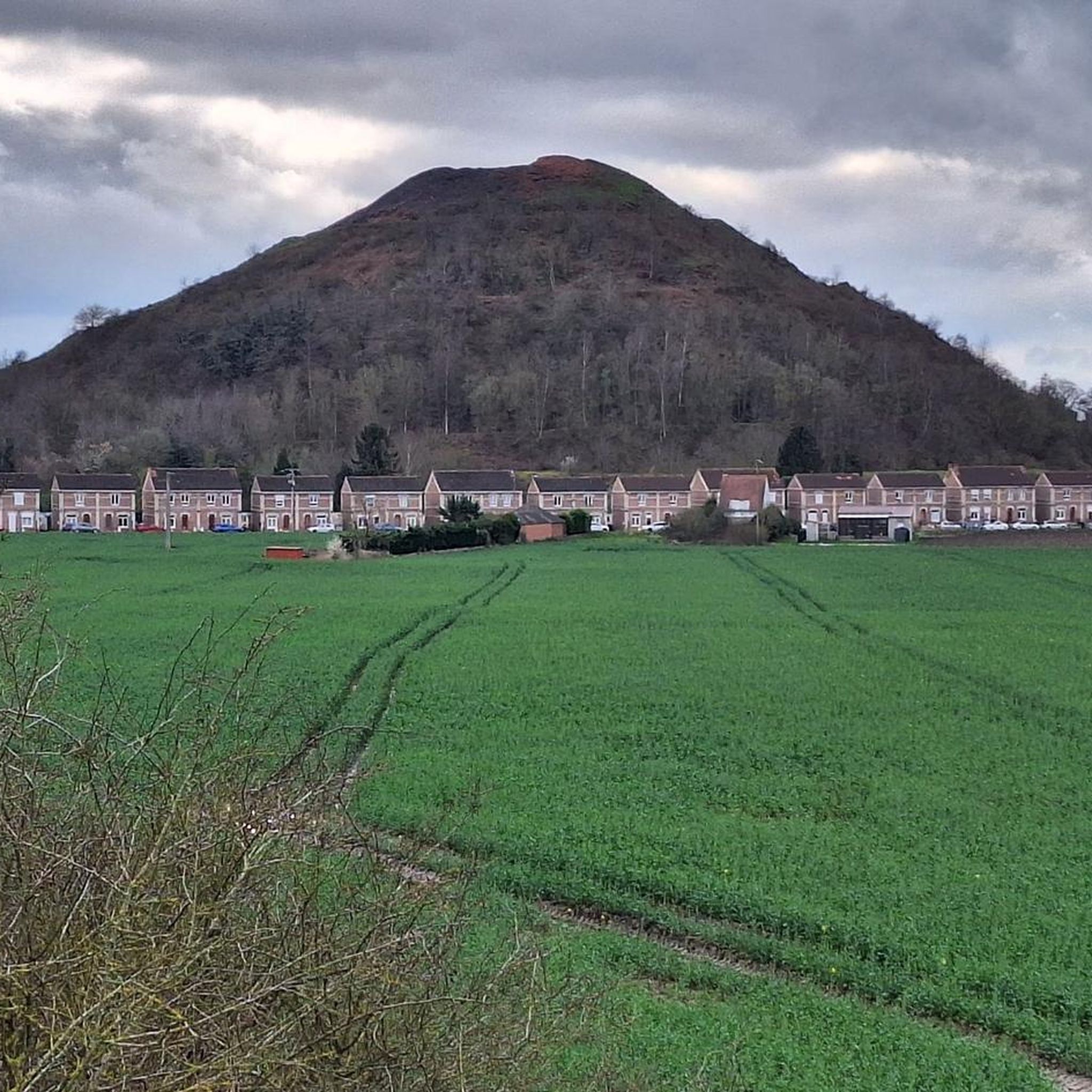
Many routes pass by significant historical and scenic points. You might encounter UNESCO-listed Belfries in nearby towns like Béthune, World War I memorials such as the Notre-Dame-de-Lorette National Cemetery, or the 'Bornes Vauthier'. Scenic viewpoints include The belvedere at Olhain Park and Terril Number 5 of Lapugnoy, offering panoramic views.
Are there any circular road cycling routes available?
Yes, many of the road cycling routes around Vaudricourt are designed as loops, allowing you to start and finish at the same point. For instance, the Fresnicourt coast – Movable bridge loop from Béthune is a 97.3 km circular route.
What is the best time of year for road cycling in Vaudricourt?
The Hauts-de-France region generally offers pleasant cycling conditions from spring through autumn. Spring brings blooming landscapes, while autumn provides cooler temperatures and beautiful foliage. Summer is also suitable, though it can be warmer. Always check local weather forecasts before heading out.
What do other road cyclists enjoy most about road cycling in Vaudricourt?
The area is highly rated by the komoot community, with an average score of 4.3 stars from over 200 reviews. Cyclists often praise the varied terrain, from the engaging climbs in the Hills of Artois to the peaceful canal paths, and the opportunity to combine physical activity with exploring the region's rich history and charming villages.
Are there family-friendly road cycling options in Vaudricourt?
Yes, the region's network includes many easy routes with minimal elevation, making them suitable for families. The flat sections along canals and through rural countryside offer safe and enjoyable rides for all ages. Look for routes classified as 'easy' for the most family-friendly experiences.
Where can I find parking for road cycling routes in Vaudricourt?
Vaudricourt and nearby towns like Béthune (just 3.2 km away) offer various parking options. Many routes are accessible from these urban centers, where public parking is typically available. Specific trailhead parking information can often be found within individual route descriptions on komoot.
Can I reach Vaudricourt by public transport for cycling trips?
Vaudricourt's proximity to Béthune, a larger town, means it is generally accessible by public transport. Béthune has a train station, and local bus services connect to surrounding communes. Cyclists can often use these services to reach starting points for routes, though checking specific schedules and bike carriage policies is advisable.
Are there any castles or historical sites to visit directly on the routes?
Yes, several routes pass by or near historical sites. For example, the Fresnicourt coast – Olhain Castle loop from Fouquereuil takes you past Olhain Castle. Other routes may lead you to charming villages with local heritage or close to significant World War memorials.
Most popular routes around Vaudricourt
Most popular attractions around Vaudricourt

Get inspired with the komoot mobile app


Explore more
Browse the best Road cycling routes in other regions.
