The best road cycling routes around Sainte-Catherine
4.3
(390)
5,556
riders
541
rides
Road cycling routes around Sainte-Catherine offer diverse landscapes across two distinct areas in Quebec. Near Quebec City, the region features rolling countryside, forests, and wetlands, with access to the scenic Vallée de la Jacques-Cartier. On the South Shore of Montreal, Sainte-Catherine provides paved paths along the St. Lawrence River, offering views of the Lachine Rapids and the St. Lawrence Seaway. The terrain varies from mostly flat, historic paths to routes with moderate elevation changes.
Best road cycling routes around Sainte-Catherine
…Last updated: August 26, 2026
19
riders
Moderate road ride. Good fitness required. Mostly well-paved surfaces and easy to ride.
23
riders
Easy road ride. Great for any fitness level. Mostly well-paved surfaces and easy to ride.

Sign up for free
14
riders
25.5km
01:04
160m
160m
Easy road ride. Great for any fitness level. Mostly well-paved surfaces and easy to ride.
12
riders
22.3km
00:59
180m
180m
Easy road ride. Great for any fitness level. Mostly well-paved surfaces and easy to ride.
11
riders
Easy road ride. Great for any fitness level. Mostly well-paved surfaces and easy to ride.
Get access to more routes and recommendations from other explorers.
Sign up for free
Already have an account?
Our route recommendations are based on thousands of hikes, rides, and runs completed by other people on komoot.
Start today with a free account
Your next adventure awaits.
Login or Signup

Tips from the Community

Super memorial of Arras. It's worth the detour.
0
0
One of the two splendid memorials of Arras.
0
0
A memorial that should not be missed
0
0

The ruins of the old church of Ablain-Saint-Nazaire are an impressive and symbolic remnant of the First World War. This church, built in the 16th century in flamboyant Gothic style by Jacques Le Caron, was heavily damaged during the fighting in 1915. The ruins have been preserved as a monument to commemorate the horrors of war.
7
0

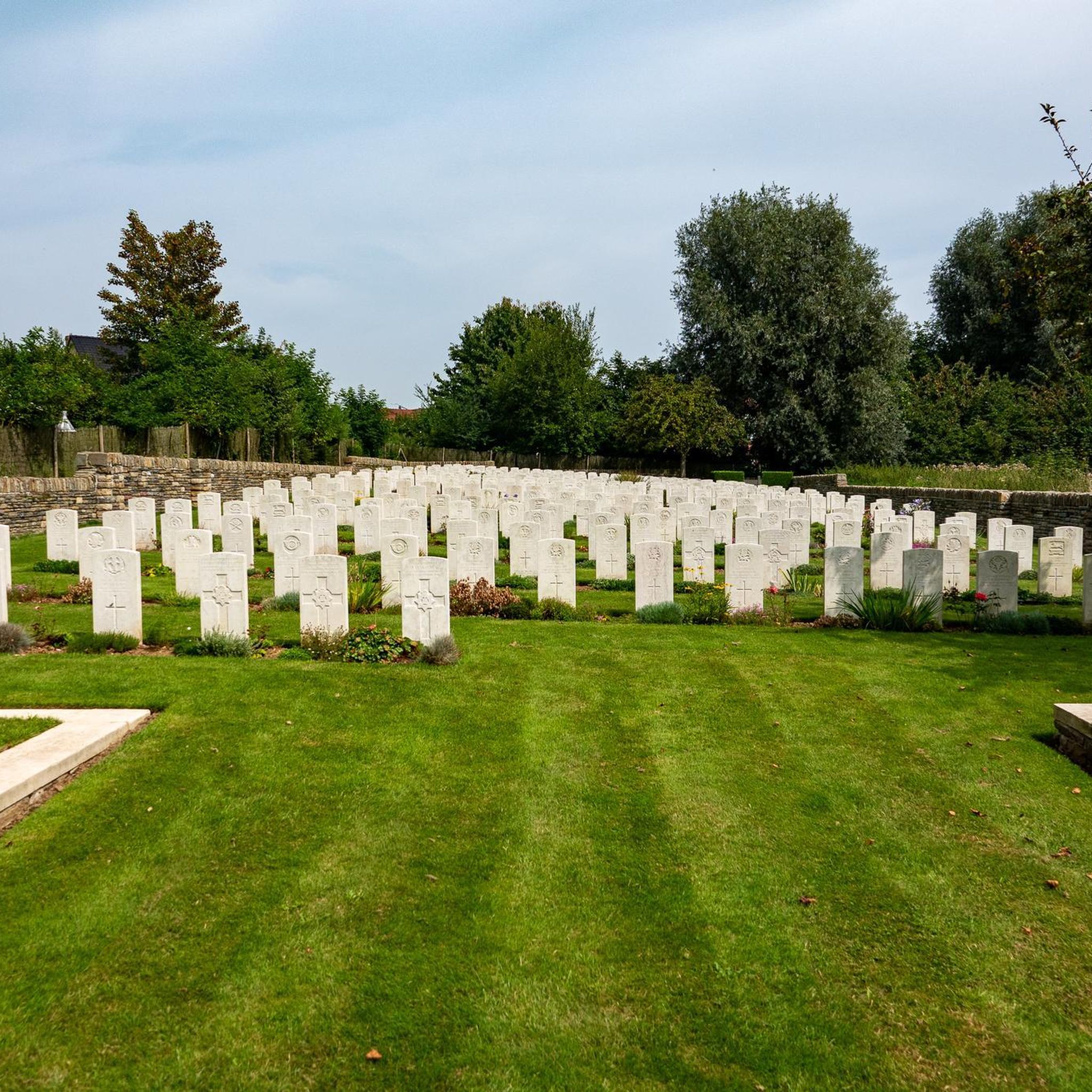
During the Great War, the Ecoivres cemetery was first used by the French (nearly 1,000 French graves) and then by Canadian and British units between 1916 and 1918. There were 1,825 soldiers on the site, including 828 Canadians.
0
0
A special story about the monument concerns the two colonels, Pein and Cros, who were both killed during the division's actions in May 1915. Their names are inscribed on the monument, along with an inscription commemorating the courage and determination of the soldiers: "Aux morts de la division marocaine, sans peur, sans pitié". This tribute emphasises the heavy losses and heroic efforts of the Moroccan Division during the battle.
7
0
Frequently Asked Questions
How many road cycling routes are available in Sainte-Catherine?
There are over 500 road cycling routes available around Sainte-Catherine, catering to various skill levels. You'll find a wide selection, from easy, paved paths to more challenging routes with significant elevation changes.
What kind of terrain can I expect when road cycling in Sainte-Catherine?
The terrain varies significantly depending on the location. Near Quebec City, in Sainte-Catherine-de-la-Jacques-Cartier, you'll encounter rolling countryside, forests, and wetlands, with access to the scenic Vallée de la Jacques-Cartier. On the South Shore of Montreal, Sainte-Catherine offers paved paths along the St. Lawrence River, providing views of the Lachine Rapids and the St. Lawrence Seaway.
What do other cyclists say about road cycling in Sainte-Catherine?
The road cycling routes in Sainte-Catherine are highly rated by the komoot community, with an average score of 4.3 stars from nearly 300 reviews. Over 4000 road cyclists have used komoot to explore the varied terrain, often praising the diverse landscapes and well-maintained paths.
Are there routes suitable for beginners or those looking for an easier ride?
Yes, Sainte-Catherine offers over 120 easy road cycling routes. For instance, the RécréoParc in Sainte-Catherine (near Montreal) features over 9 km of paved paths ideal for smooth riding with views of the St. Lawrence River, perfect for a relaxed experience.
What natural features or landmarks can I see while road cycling in Sainte-Catherine?
When cycling near Sainte-Catherine-de-la-Jacques-Cartier, you can experience the majestic Vallée de la Jacques-Cartier and the boreal forest. Near Montreal, routes along the St. Lawrence River offer views of the spectacular Lachine Rapids and the St. Lawrence Seaway. You might also spot the Marais de Maroeuil, a natural wetland area.
Are there any historical sites or monuments accessible by road bike?
Yes, the region offers several historical points of interest. You can cycle past the Canadian National Vimy Memorial, explore the area around The ruined church of Ablain-Saint-Nazaire, or visit the Notre-Dame-de-Lorette National Cemetery. The historic Chemin du Roy, part of the first road built in New France, also offers a scenic and historical ride.
Are there options for longer, more challenging road cycling routes?
Absolutely. For those seeking a greater challenge, there are nearly 20 difficult road cycling routes available. An example is the Ruins of Mont-Saint-Eloi Abbey – Abbey of Mont-Saint-Éloi loop from Arras, which covers over 110 km with significant elevation gain.
Is parking available for road cyclists in Sainte-Catherine?
Yes, parking is generally available at popular starting points for cycling routes in both Sainte-Catherine locations. For instance, the RécréoParc in Sainte-Catherine (near Montreal) provides facilities for visitors, including parking, to access its paved cycling paths.
Can I reach road cycling routes in Sainte-Catherine using public transport?
In Sainte-Catherine-de-la-Jacques-Cartier, the 60-kilometer Jacques-Cartier/Portneuf bike path is accessible and can even lead into downtown Québec City, suggesting connectivity options. In Sainte-Catherine (near Montreal), the RécréoParc is part of the larger South Shore cycling network, which often has public transport access points, though specific bike-friendly transport options should be verified locally.
Are there family-friendly road cycling options in Sainte-Catherine?
Yes, the paved paths within the RécréoParc in Sainte-Catherine (near Montreal) are ideal for families, offering a safe and smooth riding surface with scenic river views. Similarly, the Chemin du Roy near Sainte-Catherine-de-la-Jacques-Cartier is noted for its very little elevation gain, making it suitable for family outings.
What is the best time of year to go road cycling in Sainte-Catherine?
The best time for road cycling in Sainte-Catherine is typically from spring to autumn. During these seasons, the weather is generally pleasant, allowing for comfortable rides. Spring and autumn also offer unique natural beauty, such as birdwatching opportunities at the Ile aux Hérons Migratory Bird Sanctuary near Montreal, or the vibrant fall foliage near Quebec City.
Where can I find amenities like cafes or places to stay near the cycling routes?
Both Sainte-Catherine locations offer amenities for cyclists. Sainte-Catherine (near Montreal) provides urban conveniences and services near its riverside paths. Sainte-Catherine-de-la-Jacques-Cartier, being closer to Quebec City, also has various cafes, pubs, and accommodation options in the surrounding region to support cyclists.
Are there any routes that offer views of the St. Lawrence River or Lachine Rapids?
Yes, the road cycling paths within the RécréoParc in Sainte-Catherine, on the South Shore of Montreal, are specifically designed to offer scenic views of the St. Lawrence River and the spectacular Lachine Rapids. You can also watch ships navigate the St. Lawrence Seaway from these routes.
Most popular routes around Sainte-Catherine
Most popular attractions around Sainte-Catherine

Get inspired with the komoot mobile app


Explore more
Browse the best Road cycling routes in other regions.
