Attractions and Places To See around Plougar - Top 20
Best attractions and places to see around Plougar include a variety of historical, cultural, and natural sites. Plougar serves as a base for exploring the Finistère region of Brittany, France, known for its distinctive architecture and diverse landscapes. The area offers a mix of medieval castles, religious buildings, and natural features, providing opportunities for exploration.
Best attractions and places to see around Plougar
- The most popular attractions is Château de La Roche-Maurice, a castle that offers an immersive experience…
Last updated: June 24, 2026
Covered Market of Plouescat
Highlight • Historical Site
Translated by Google •
Tip by

Château de La Roche-Maurice
Highlight • Castle
Translated by Google •
Tip by

Sign up now to discover places like this
Get recommendations on the best single tracks, peaks, & plenty of other exciting outdoor places.
Sign up for free
Saint-Yves Church of La Roche-Maurice
Highlight • Religious Site
Translated by Google •
Tip by

Église Saint-Pierre Plouescat
Highlight • Historical Site
Translated by Google •
Tip by
Chapel of Our Lady of Kerzean
Highlight • Other
Translated by Google •
Tip by
Sign up for free to discover even more attractions around Plougar.
Sign up for free
Already have an account?
Start today with a free account
Your next adventure awaits.
Login or Signup
Tips from the Community

very pretty chapel with sometimes beautiful exhibitions.
0
0

The Château de La Roche-Maurice, a historic Breton jewel from the 13th century, dazzles with its medieval architecture. Nestled in lush greenery, it offers an immersive experience in the feudal past.
0
0
The Saint-Pierre de Plouescat Church, built in the 16th century, reveals remarkable architecture. Its colorful stained glass windows and sculptural details create a sacred atmosphere, inviting contemplation and spirituality.
0
0

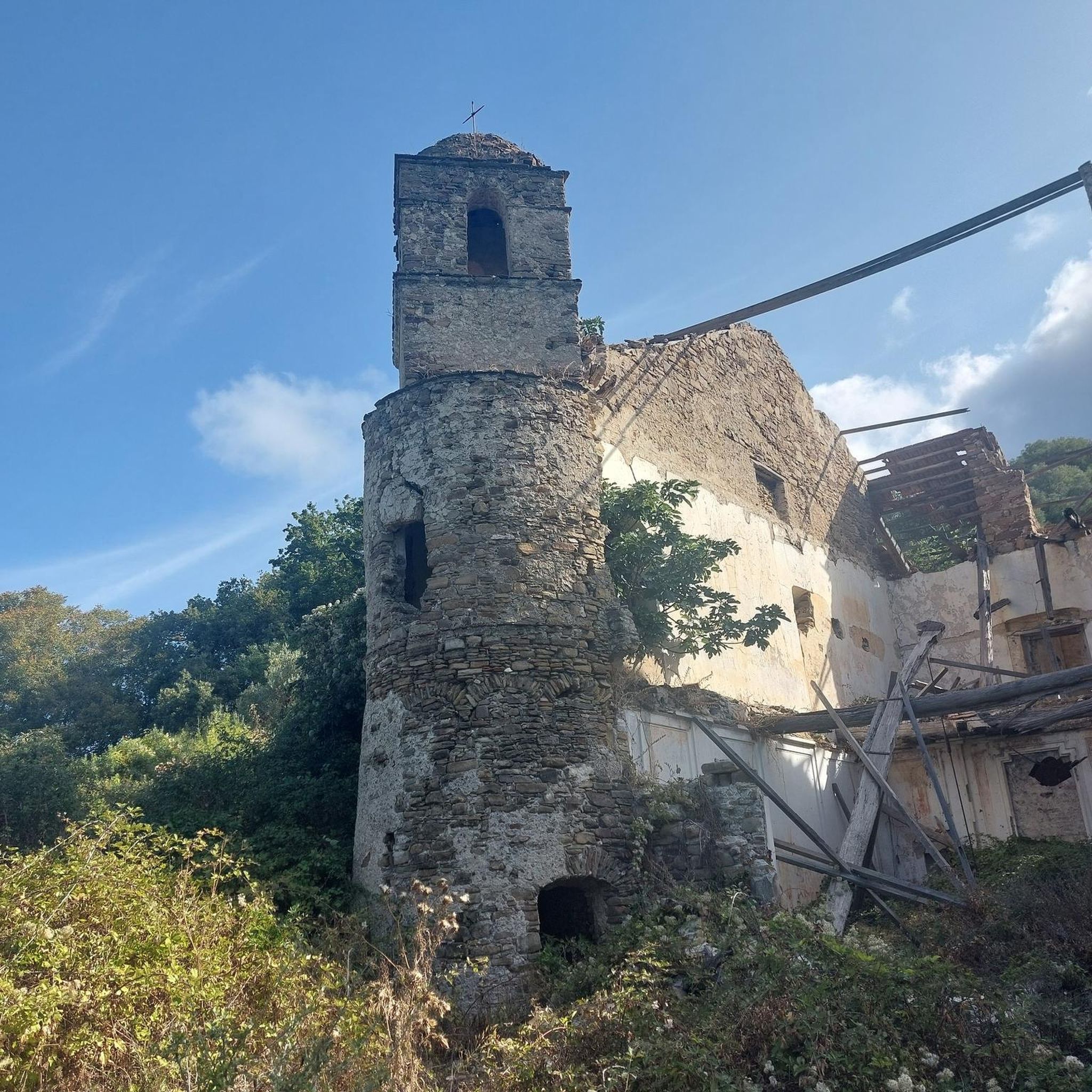
The 16th century chapel has preserved its finely molded Gothic door and its small two-bay wall bell tower from this period. Located in a wooded valley in the south-east of the town, this stone sanctuary is located near the Calvary altar of Kergoal.
1
0
The current parish church is a large neo-Gothic style building. Built in 1864, it was dedicated the following year. The new church replaced a century-old building, dating back to 1763.
1
0

Nice to see when you drive past it in the valley. It's impressive how the dilapidated castle 🏰 sits at the top of the hill. La Roche Maurice, residence of the Viscounts of Léon The castle was first mentioned in 1263, but it is undoubtedly older. With those of MORLAIX, BREST and LESNEVEN, it was one of the most important fortresses of the Viscounts of Léon. These lords wielded considerable power: in addition to their land income, they possessed the right to control ships that ran aground on the shores of Léon, the monopoly of salt production and the catching of large fish, the right to high, middle and low justice, the law , to mint money and build fortresses without requiring the Duke's permission. As a result, this prince could hardly control the actions of these powerful feudal lords, which explains why Henry II Plantagenet, King of England, wanted to get his hands on the duchy in the third quarter of the 12th century, they were among his most ardent opponents. Source: https://larochemaurice.fr/chateau/
0
1
The current parish church has replaced a 14th-century medieval chapel dedicated to Saint-Yves (Testament of Hervé de Léon, dated 1363). It was built in the 16th century. It was at first the Trevial Church of Ploudiry until 1791. The Rohans ceded the land free of charge and paid numerous subsidies to support the building's reconstruction, which took almost half a century to complete. In fact, the stained glass window in the apse dates from 1589; the south portal dates from 1550, the 60 meter high bell tower from 1589. With its double gallery and double bell chamber, it is characteristic of the Leonardo Renaissance. The south portal consists of two double doors framed by an extravagant Renaissance arcade in which the twelve apostles nestle. Source: https://larochemaurice.fr/leglise-saint-yves-et-lenclos-paroissial
0
0
The current parish church has replaced a 14th-century medieval chapel dedicated to Saint-Yves (Testament of Hervé de Léon, of 1363). It was built in the 16th century. It was at first the Trevial Church of Ploudiry until 1791. The Rohans ceded the land free of charge and paid numerous subsidies to support the building's reconstruction, which took almost half a century to complete. In fact, the stained glass window in the apse dates from 1589; the south portal dates from 1550, the 60 meter high bell tower from 1589. With its double gallery and double bell chamber, it is characteristic of the Leonardo Renaissance. The south portal consists of two double doors framed by an extravagant Renaissance arcade in which the twelve apostles nestle. Source: https://larochemaurice.fr/leglise-saint-yves-et-lenclos-paroissial/
0
0
Frequently Asked Questions
What historical landmarks can I visit near Plougar?
The region around Plougar is rich in history. You can explore the medieval architecture of Château de La Roche-Maurice, a 13th-century Breton castle. Another significant site is the Covered Market of Plouescat, a historical building from 1864. Additionally, the impressive Castle de Kerjean in Saint-Vougay is located very close to Plougar.
Are there any unique religious or cultural sites to see?
Yes, the area features distinctive Breton religious art and architecture. The Parish Enclosure of Lampaul-Guimiliau is a remarkable example, known for its intricate statues, sculptures, and a unique ossuary. You can also visit the 16th-century Église Saint-Pierre Plouescat with its colorful stained glass, and the Saint-Yves Church of La Roche-Maurice, featuring a 60-meter high bell tower characteristic of the Leonardo Renaissance.
What natural features or parks can I explore near Plougar?
For nature lovers, the Armorique Regional Park is about 29 km away, offering diverse landscapes including the Monts d'Arrée and the Crozon peninsula. Other notable natural sites include Mont Saint-Michel de Brasparts and Menez-Hom. You can also enjoy the pleasant outdoor experiences at Jardin exotique and Jardin Delasselle, both within a short drive.
What outdoor activities and routes are available near Plougar?
Plougar is a great base for outdoor activities. You can find various routes for different sports. For road cycling, explore routes like the 'Élorn Valley Road' or 'Baie du Kernic – Kerjean Castle loop' from Bodilis. Hikers can enjoy trails such as the 'Élorn Valley Road loop from Saint-Servais' or the 'Bodilis parish enclosure loop'. There are also running trails like the 'Kerjean Castle loop from Saint-Vougay'. You can find more details on these routes in the respective guides for Road Cycling, Hiking, and Running around Plougar.
Are there easy walking trails suitable for everyone near Plougar?
Yes, there are several easy walking trails available. For instance, the 'Saint-Derrien loop from Saint-Derrien' is an easy 6.5 km hike, and the 'Kerjean Castle – Saint-Thégonnec Parish Close loop from Saint-Vougay' is an easy 2.9 km walk. These are great options for a relaxed outdoor experience.
Are there family-friendly attractions around Plougar?
Many of the historical and religious sites are suitable for families. The Covered Market of Plouescat, Église Saint-Pierre Plouescat, and the Parish Enclosure of Lampaul-Guimiliau are all categorized as family-friendly. Exploring the unique architecture and stories behind these sites can be engaging for all ages.
When is the best time to visit the attractions around Plougar?
The best time to visit the attractions around Plougar, especially for outdoor activities and enjoying the natural parks, is typically during the spring (April to June) and autumn (September to October) when the weather is mild and the landscapes are beautiful. Summer (July and August) is also popular, offering warmer temperatures, though it can be busier. Winter can be quiet, but some indoor attractions remain open.
Is parking available at the main attractions?
While specific parking details for each attraction are not always listed, most historical sites and natural parks in the region typically offer designated parking areas or nearby street parking. It is generally advisable to check local signage upon arrival, especially in smaller villages or during peak season.
How can I reach attractions around Plougar using public transport?
Plougar itself is a quiet commune, and while some larger towns in Finistère have public transport options, reaching many of the specific attractions and natural sites around Plougar often requires a car for convenience and flexibility. Public transport links between smaller villages and remote sites may be limited, so planning your route in advance is recommended if relying on buses or trains.
What do visitors enjoy most about the attractions near Plougar?
Visitors particularly appreciate the immersive historical experience offered by sites like Château de La Roche-Maurice, noting its impressive medieval architecture. The intricate details and rich cultural significance of the Parish Enclosure of Lampaul-Guimiliau are also highly praised, often described as a 'real architectural and religious treasure'.
Are there any gardens or botanical sites to visit?
Yes, for those interested in botanical beauty, the Jardin exotique and Jardin Delasselle are both within approximately 22-23 km of Plougar. These remarkable gardens offer pleasant outdoor experiences and a chance to see diverse plant collections.
Most popular routes around Plougar

Get inspired with the komoot mobile app


Explore more
Still not found the Highlight you’re looking for? See guides of the top attractions in other regions:
