Attractions and Places To See around Thésée - Top 14
Best attractions and places to see around Thésée include historical sites, natural areas, and cultural experiences within the Cher Valley. This wine-producing village features a rich Gallo-Roman heritage, offering insights into ancient history and local traditions. Visitors can explore a variety of landscapes, from river valleys to landscaped parks. Thésée also serves as a convenient starting point for discovering broader regional attractions.
Best attractions and places to see around Thésée
- The most popular attractions is Gué-Péan Castle, a castle…
Last updated: July 2, 2026
Saint-Aignan Church
Highlight • Historical Site
val-de-loire-41.com/visite/collegiale-et-crypte-avec-fresques-pcu41aasor100182
Translated by Google •
Tip by

Montrichard Fortress
Highlight • Castle
During this loop through Montrichard Val de Cher, you'll climb to the ruins of the Château de Montrichard. With views over …
Translated by Google •
Tip by

Sign up now to discover places like this
Get recommendations on the best single tracks, peaks, & plenty of other exciting outdoor places.
Sign up for free
Gué-Péan Castle
Highlight • Castle
Castle architecture as you imagine it as a child!
Translated by Google •
Tip by

Troglodyte houses in Bourré
Highlight • Other
Translated by Google •
Tip by

Pontlevoy Abbey
Highlight • Historical Site
Translated by Google •
Tip by

Sign up for free to discover even more attractions around Thésée.
Sign up for free
Already have an account?
Start today with a free account
Your next adventure awaits.
Login or Signup

Tips from the Community

A tower that was deliberately sawn off. Yes, really. During this loop through Montrichard Val de Cher, you'll climb to the ruins of the Château de Montrichard. With views over the Cher, it's as if you were ruling the region yourself. Only... that keep didn't collapse. It was deliberately lowered by Henry IV. Impressive. A magnificent view.
3
0

The Collegiate Church of Saint-Aignan is a French church located in the center of the city of Orléans, on the north bank of the Loire River, in the Loiret department in the Centre-Val de Loire region. It is dedicated to Saint Aignan, Bishop of Orléans. This beautiful church was originally built for the cult of Saint Aignan, whose relics were kept in the crypt. The current basilica, begun by Charles VII in 1438 but completed in 1509 by Louis XII, is not the first construction, as traces of buildings dating from the 6th, 9th, 11th, 14th, and 15th centuries have been found. They were all destroyed by fire, floods, or human hands. The people of Orléans, and in particular the canons, have always been keen to rebuild this building because Saint Aignan is an important figure in the history of Orléans, due to the role he played against the barbarians in the 5th century. While bishop of the city, he is said to have miraculously defended it against the Hun invasion in 451. https://www.tourismeloiret.com/fr/diffusio/visites/collegiale-saint-aignan-orleans_TFOPCUCEN045V501HHG
3
0
Saint Aignan, who died in 453 after defending the people of Orleans against the Huns, was buried in a first tomb. As veneration of his relics grew, a basilica was built. A community of monks settled there, and canons replaced them in the 9th century. Following the damage caused by Norman attacks and the fire of 999, Charles the Bald began reconstruction, and Robert the Pious completed the Romanesque church with its crypt housing the relics of Saint Aignan. This church was consecrated on June 14, 1029. We will soon celebrate its millennium. https://collegiale-saintaignan-dorleans.fr/la-crypte/
4
0
Collegiate Church of Saint-Aignan https://fr.wikipedia.org/wiki/Coll%C3%A9giale_Saint-Aignan_de_Saint-Aignan
3
0
Collegiate church and crypt with frescoes https://www.val-de-loire-41.com/visite/collegiale-et-crypte-avec-fresques-pcu41aasor100182/
4
0

Benedictine abbey of the Congregation of Saint Maur, founded in the 11th century. The abbey church was built from 1040. It was destroyed by fire around 1262. At the end of the 13th century, a new church was built and the monastery enlarged. The abbey was ruined before 1391 by the English. In 1468, a church larger than the previous one was built. In 1837 the riding school was built on the site of the abbey house. For more information: https://www.abbayedepontlevoy.fr/
0
0

The Château du Gué-Péan is a 16th and 17th century castle still inhabited and furnished. You can discover the wooded valley where the castle is located and admire its architectural elements such as the "double-decker tower".
2
0
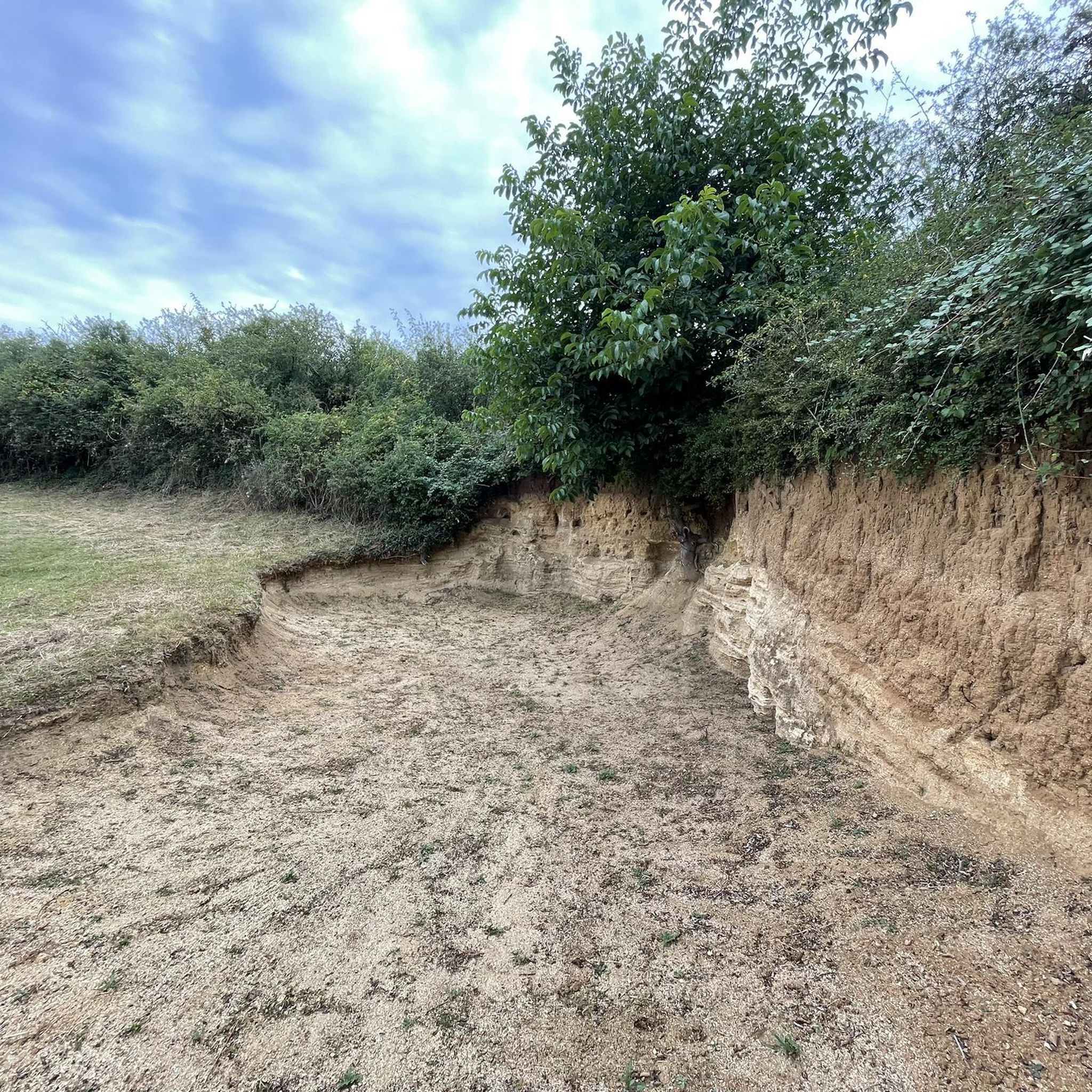
The Troglodyte Houses of Bourré are troglodyte dwellings and galleries dug into the limestone rock. There you can discover the history and culture of the troglodytes, the people who live in these underground houses, and learn their art of living close to nature. You can also discover the secrets of silk production, as this site was once a silkworm farm in the 17th century. The guided tour lasts 90 minutes and is led by one of the locals, who will share their stories and thoughts with you.
3
0
Frequently Asked Questions
What historical and archaeological sites can I explore in Thésée?
Thésée is rich in Gallo-Roman heritage. You can visit the impressive Gallo-Roman Remains of Les Maselles, which are classified as a Historic Monument. To delve deeper into the region's past, the Archaeological Museum of Thésée showcases artifacts unearthed from local excavations, providing insights into the ancient town of Tasciaca. Combined visits to the museum and the archaeological site are available during the summer.
Are there any castles or abbeys to visit near Thésée?
Yes, the area around Thésée features several notable historical structures. You can visit the magnificent Gué-Péan Castle, a 16th and 17th-century Renaissance construction that is still inhabited and furnished. Another significant site is Pontlevoy Abbey, a Benedictine abbey founded in the 11th century with a rich history of reconstruction. Additionally, the Montrichard Fortress offers panoramic views over the Cher valley from its 12th-century ruins.
What natural areas are available for relaxation and recreation in Thésée?
For nature lovers, the Parc du Vaulx Saint-Georges is a 7-hectare landscaped park featuring a health course and majestic trees like redwoods and a cedar of Lebanon. It also serves as a starting point for hiking trails. Another natural spot is the Area of Gué Bertin, situated between the Renne and Cher rivers, offering marked hiking trails for exploring the natural surroundings.
Where can I experience the local wine culture in Thésée?
Thésée is a renowned wine-producing village within the Cher Valley. Visitors can explore local producers and wine cellars, particularly those producing wines under the AOC Touraine appellation. This offers a great opportunity to taste and learn about the region's viticultural traditions.
Are there unique historical dwellings to see near Thésée?
Absolutely. A unique attraction nearby is the Troglodyte houses in Bourré. These are dwellings and galleries dug into limestone rock, where you can discover the history and culture of people who lived in these underground homes. The site also has a past as a 17th-century silkworm farm.
What kind of outdoor activities can I do around Thésée?
Thésée and its surroundings offer various outdoor activities. You can enjoy gravel biking on routes like the 'Château de Chenonceau – View of the Château de Chenonceau loop' or 'Chenonceau Castle – The Banks of the Cher loop'. For more options, explore the Gravel biking around Thésée guide. Road cycling is also popular, with routes such as 'Château de Chenonceau – Chaumont-sur-Loire loop'. Find more details in the Road Cycling Routes around Thésée guide.
Are there hiking trails near Thésée's attractions?
Yes, Thésée is a great base for hiking. The Parc du Vaulx Saint-Georges is a starting point for three hiking trails. You can also find marked trails in the Area of Gué Bertin. For specific routes, consider the 'Choussy Forest Loop' or the 'Gué-Péan Castle loop from Monthou-sur-Cher'. More hiking options are available in the Hiking around Thésée guide.
What religious heritage sites are there to visit?
The Saint-Aignan Church is a significant religious site. It is a collegiate church with a crypt featuring frescoes, and its history dates back to the 9th century, with the current Romanesque church consecrated in 1029. The Pontlevoy Abbey, a Benedictine foundation from the 11th century, also represents a rich part of the region's religious heritage.
What do visitors particularly enjoy about the attractions around Thésée?
Visitors appreciate the blend of historical depth and natural beauty. The Gué-Péan Castle is often praised for its magnificent Renaissance architecture. The Troglodyte houses in Bourré offer a unique cultural experience, allowing visitors to learn about a distinct way of life. The panoramic views from the Montrichard Fortress are also a highlight for many.
Are there family-friendly attractions in the Thésée area?
While specific 'family_friendly' tags are limited, several attractions can be enjoyed by families. The Archaeological Museum of Thésée and the Gallo-Roman Remains offer an educational experience. The Parc du Vaulx Saint-Georges provides open space for recreation. Additionally, the Pontlevoy Abbey is tagged as family-friendly. For a broader regional outing, the famous ZooParc de Beauval is also within reach.
What is the best time of year to visit Thésée's attractions?
Thésée's attractions can be enjoyed throughout the year, but the summer months are particularly vibrant. During summer, combined visits to the Archaeological Museum and the Gallo-Roman archaeological site are available. The landscaped parks and hiking trails are also ideal for exploration in warmer weather. The wine cellars are generally open year-round for tastings.
Most popular attractions around Thésée

Get inspired with the komoot mobile app


Explore more
Still not found the Highlight you’re looking for? See guides of the top attractions in other regions:
