The best walks and hikes around Tully
4.5
(1311)
7,483
hikers
149
hikes
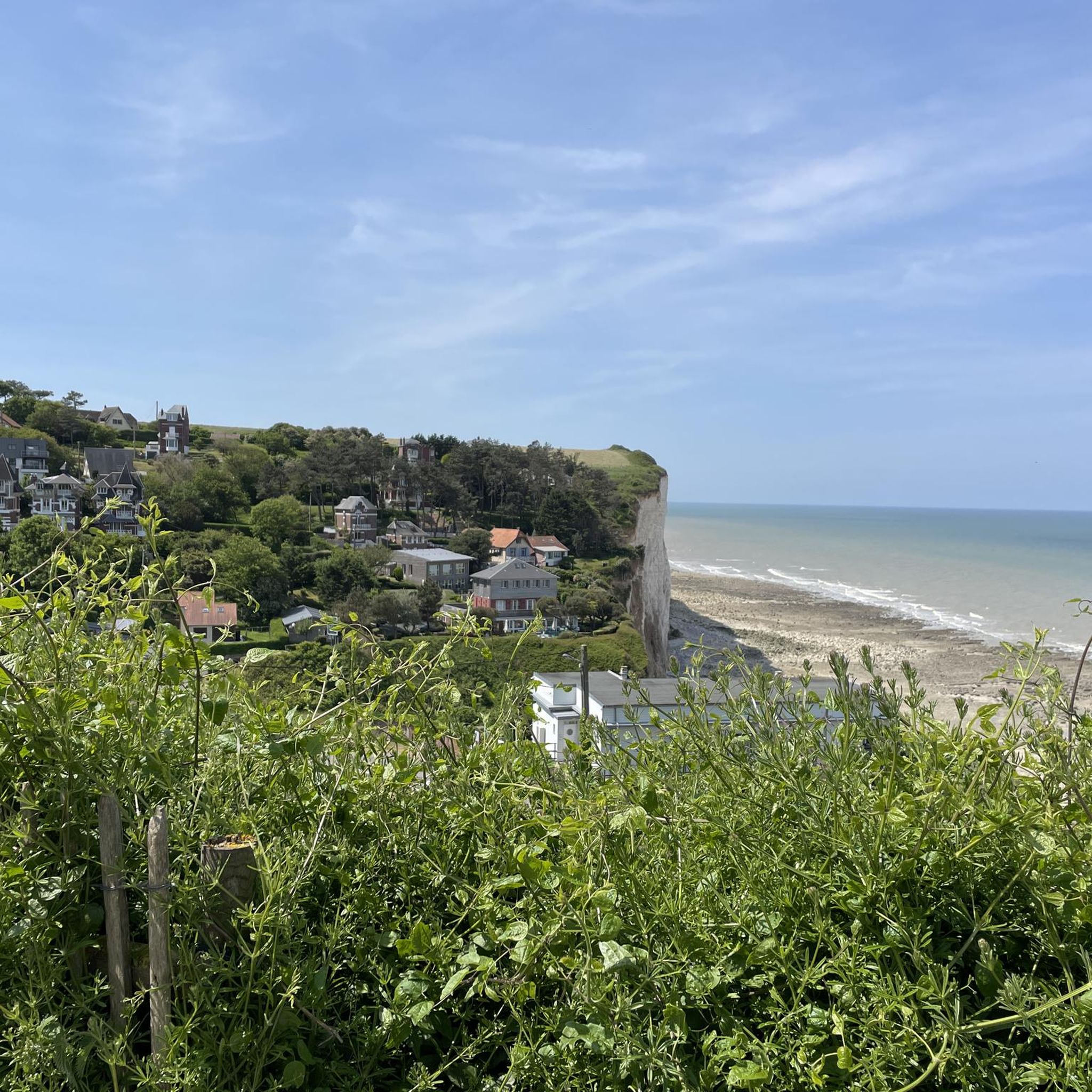
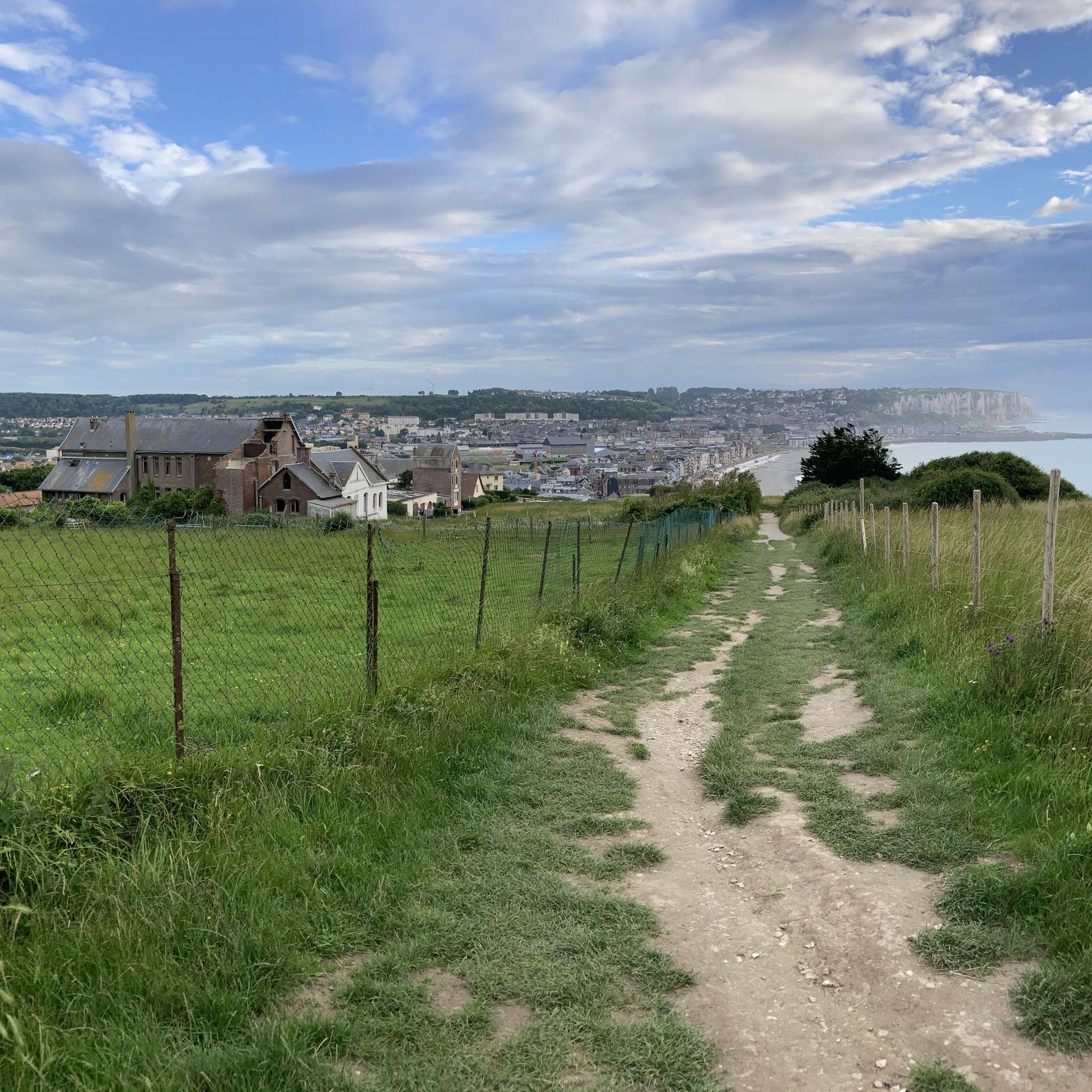
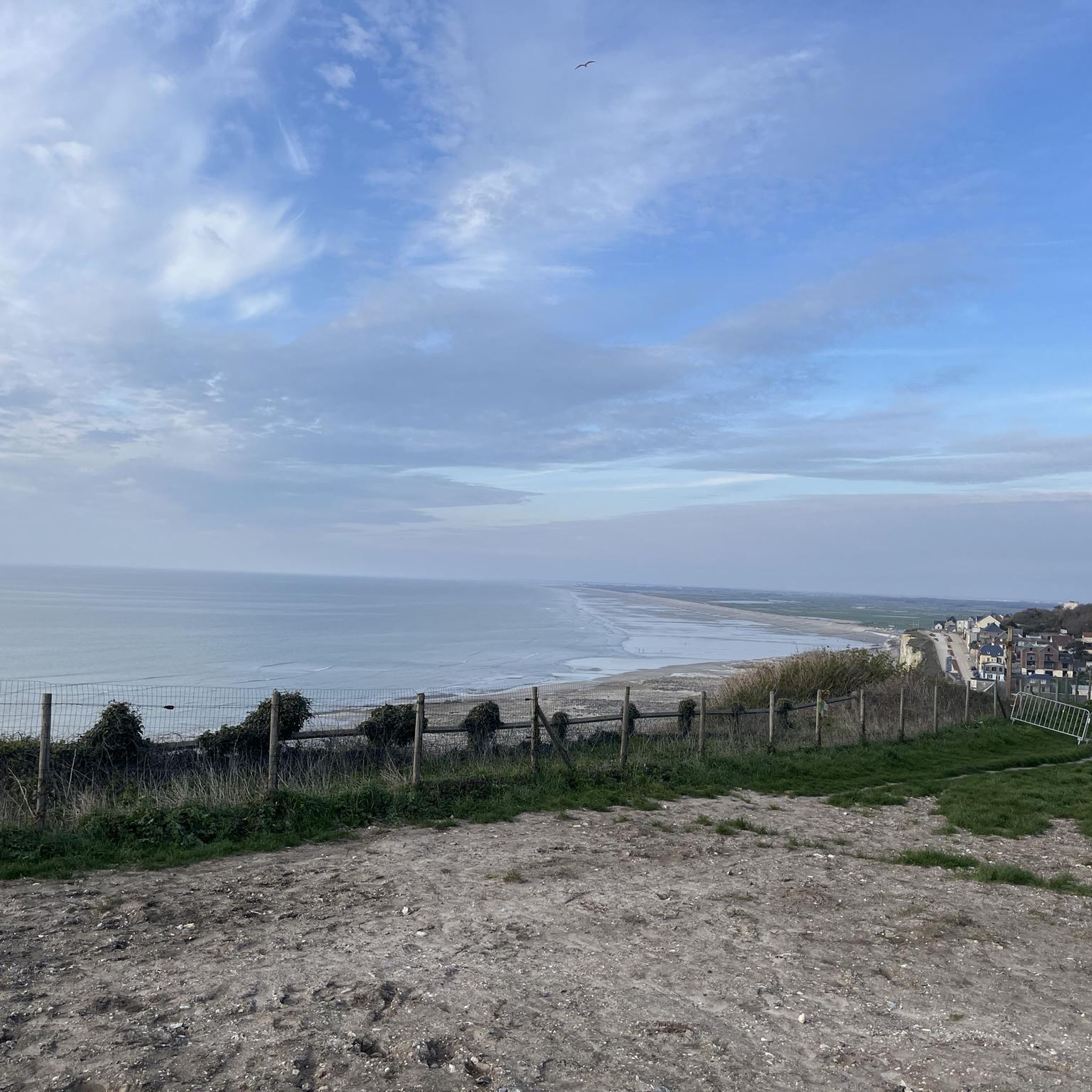
Hiking around Tully offers routes along coastal cliffs and through marshlands, providing diverse views of the shoreline and inland ecosystems. The region is characterized by its chalk cliffs, sandy beaches, and wetland areas, which create varied terrain for outdoor exploration. Hikers can expect paths that traverse both elevated coastal sections and flatter marsh trails.
Best hiking trails around Tully
- The most popular hiking route is Panoramic view – Cliffs of Ault loop from Woignarue, a 8.5 miles (13.7 km)…
Last updated: June 26, 2026
4.7
(22)
105
hikers
13.7km
03:34
100m
90m
Moderate hike. Good fitness required. Easily-accessible paths. Suitable for all skill levels.
4.0
(3)
51
hikers
5.30km
01:27
80m
80m
Easy hike. Great for any fitness level. Easily-accessible paths. Suitable for all skill levels.

Sign up for free
4.7
(3)
23
hikers
12.1km
03:14
130m
130m
Moderate hike. Good fitness required. Easily-accessible paths. Suitable for all skill levels.
5.0
(3)
18
hikers
6.93km
01:52
80m
80m
Easy hike. Great for any fitness level. Easily-accessible paths. Suitable for all skill levels.
4.5
(2)
5
hikers
8.56km
02:14
60m
60m
Moderate hike. Good fitness required. Easily-accessible paths. Suitable for all skill levels.
Get access to more routes and recommendations from other explorers.
Sign up for free
Already have an account?
Our route recommendations are based on thousands of hikes, rides, and runs completed by other people on komoot.
Start today with a free account
Your next adventure awaits.
Login or Signup

Tips from the Community

Step through the gate, then climb about 120 steps and enjoy the view.
1
0
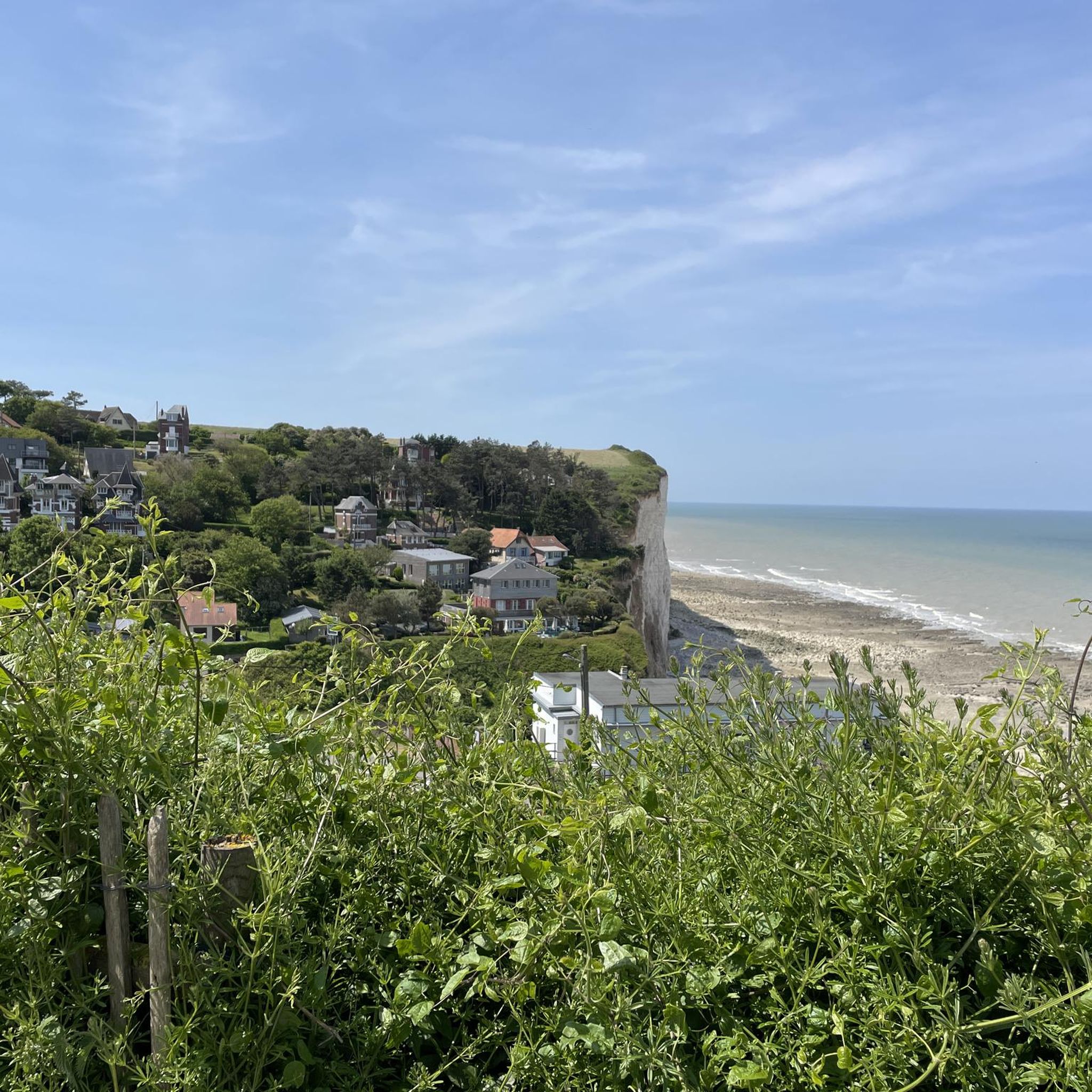
The cliffs are made of chalk and are impressive to look at.
3
0
Here in Ault begin the chalk cliffs, which stretch all the way to Normandy and repeatedly appear as enormous cliffs.
4
0

The cliffs around the beach of Ault are composed of chalk from the Upper Cretaceous, more precisely from the Turonian and Coniacian (around 83 million years ago to 90 million years ago). They are strewn with flint nodules which highlight the subhorizontal stratification planes (the formation of flint has already been discussed in Discovery of the geology of the cliffs of Étretat, presentation of an excursion from the beach of Tilleul (Antifer) to the Porte d'Amont (Étretat Nord)). The relative proportion of chalk and flint is around 90-95% chalk to 5-10% flint. Flint horizons are stratigraphic markers. On the cliffs of Ault, the regular flint band called Seven Sisters is recognizable and characterizes the boundary between the Middle Coniacian and the Upper Coniacian (around 87 million years ago). The boundary between the lower and middle Coniacian is marked by the Shoreham 2 marl level, which is more difficult to identify. These lithostratigraphic markings allow in particular the correlation of distant deposits, such as between the Normandy and Picardy coasts, or between the French and English coasts.
3
0
The cliffs surrounding Ault beach are made of Upper Cretaceous chalk, more precisely from the terminal Turonian and Coniacian (approximately 83 Ma to 90 Ma). They are dotted with flint nodules that highlight the sub-horizontal stratification planes (the formation of flint has already been discussed in À la découverte géologique des falaises d'Étretat, presentation of an excursion going from Tilleul beach (Antifer) to Porte d'Amont (Étretat Nord)). The relative proportion between chalk and flint is approximately 90-95% chalk for 5-10% flint. The flint horizons are stratigraphic markers. On the cliffs around Ault, the regular band of flint called Seven Sisters is recognizable and characterizes the limit between the Middle Coniacian and the Upper Coniacian (approximately 87 Ma). The boundary between the Lower and Middle Coniacian is marked by the Shoreham 2 marl level, which is more difficult to identify. These lithostratigraphic markers allow in particular the correlation of distant deposits, such as for example between the Normandy and Picardy coasts, or between the French and English coasts.
3
0
The cliffs around the beach of Ault are composed of chalk from the Upper Cretaceous, more precisely from the Turonian and Coniacian (around 83 million years ago to 90 million years ago). They are strewn with flint nodules which highlight the subhorizontal stratification planes (the formation of flint has already been discussed in Discovery of the geology of the cliffs of Étretat, presentation of an excursion from the beach of Tilleul (Antifer) to the Porte d'Amont (Étretat Nord)). The relative proportion of chalk and flint is around 90-95% chalk to 5-10% flint. Flint horizons are stratigraphic markers. On the cliffs of Ault, the regular flint band called Seven Sisters is recognizable and characterizes the boundary between the Middle Coniacian and the Upper Coniacian (around 87 million years ago). The boundary between the lower and middle Coniacian is marked by the Shoreham 2 marl level, which is more difficult to identify. These lithostratigraphic markings allow in particular the correlation of distant deposits, such as between the Normandy and Picardy coasts, or between the French and English coasts.
2
0

The former gravel pits of Incheville and Bouvaincourt (Les Ballastières de Incheville et Bouvaincourt) in the valley of the Bresle river are now ponds and lakes, recreational and fishing waters. Since 2015, they have also been part of the network of protected areas within the European Union Natura2000. The Vallée de la Bresle long-distance hiking trail runs through part of the area.
0
0
Frequently Asked Questions
What kind of hiking trails can I expect around Tully?
Hiking around Tully offers a diverse landscape, primarily characterized by coastal paths, chalk cliffs, and marshlands. You'll find routes that traverse both elevated coastal sections, providing extensive views of the shoreline, and flatter marsh trails, allowing for varied outdoor exploration.
How many hiking routes are available in the Tully area?
There are over 140 hiking routes available around Tully, catering to various preferences and skill levels. The komoot community has explored more than 7,900 of these routes.
Are there easy hiking trails suitable for beginners or families in Tully?
Yes, Tully offers a good selection of easy hiking trails. There are 56 easy routes, such as The Cliffs of Ault – Ault Chalk Cliffs loop from Ault, which is a 3.3-mile path providing close-up views of the distinctive chalk cliffs.
What are some popular landmarks or natural features to see while hiking in Tully?
The region is known for its striking natural features. You can explore the impressive Ault Chalk Cliffs, visit La Cise Cliff, or wander through the serene Bois de Cise. The area also features interesting historical sites like the Belle Époque houses of Mers-les-Bains.
Are there any routes that offer panoramic views?
Absolutely. The Panoramic view – Cliffs of Ault loop from Woignarue is a popular moderate route, spanning 8.5 miles, specifically designed to offer extensive views from the coastal cliffs.
What is the average duration for hikes in Tully?
Hike durations vary widely depending on the route's length and difficulty. For example, an easy trail like The Cliffs of Ault – Ault Chalk Cliffs loop from Ault takes around 1 hour 26 minutes, while a moderate route such as Hiking loop from Dargnies typically takes about 3 hours 8 minutes.
What do other hikers say about the trails in Tully?
The routes in Tully are highly rated by the komoot community, with an average score of 4.5 stars from more than 1,300 reviews. Hikers often praise the diverse scenery, from coastal cliffs to tranquil marshlands, and the well-maintained paths.
Are there any marshland trails in Tully?
Yes, the region is known for its wetland areas. A great option is the Superb marsh trail – Parking lot loop from Woignarue, an 8.5-mile moderate hike that leads through these unique ecosystems.
What are the difficulty levels of hiking trails in Tully?
Tully offers a range of difficulty levels. You'll find 56 easy routes, 83 moderate routes, and 7 difficult routes, ensuring options for all experience levels, from leisurely strolls to more challenging excursions.
Are there any circular hiking routes in Tully?
Many of the trails in Tully are designed as loops, offering convenient circular routes. Examples include the View of the cliffs – Ault Beach and Cliffs loop from Ault, which is an easy 4.3-mile loop, and the Hiking loop from Dargnies, a moderate 7.3-mile trail.
Can I find trails that combine coastal views with other natural environments?
Yes, the trails in Tully often combine different environments. For instance, you can experience both coastal cliffs and marshlands on routes that traverse the varied terrain, offering dynamic and changing scenery throughout your hike.
Most popular attractions around Tully

Get inspired with the komoot mobile app


Explore more
Browse the best Hikes in other regions.
