The best walks and hikes around Brutelles
4.4
(1554)
9,726
hikers
174
hikes
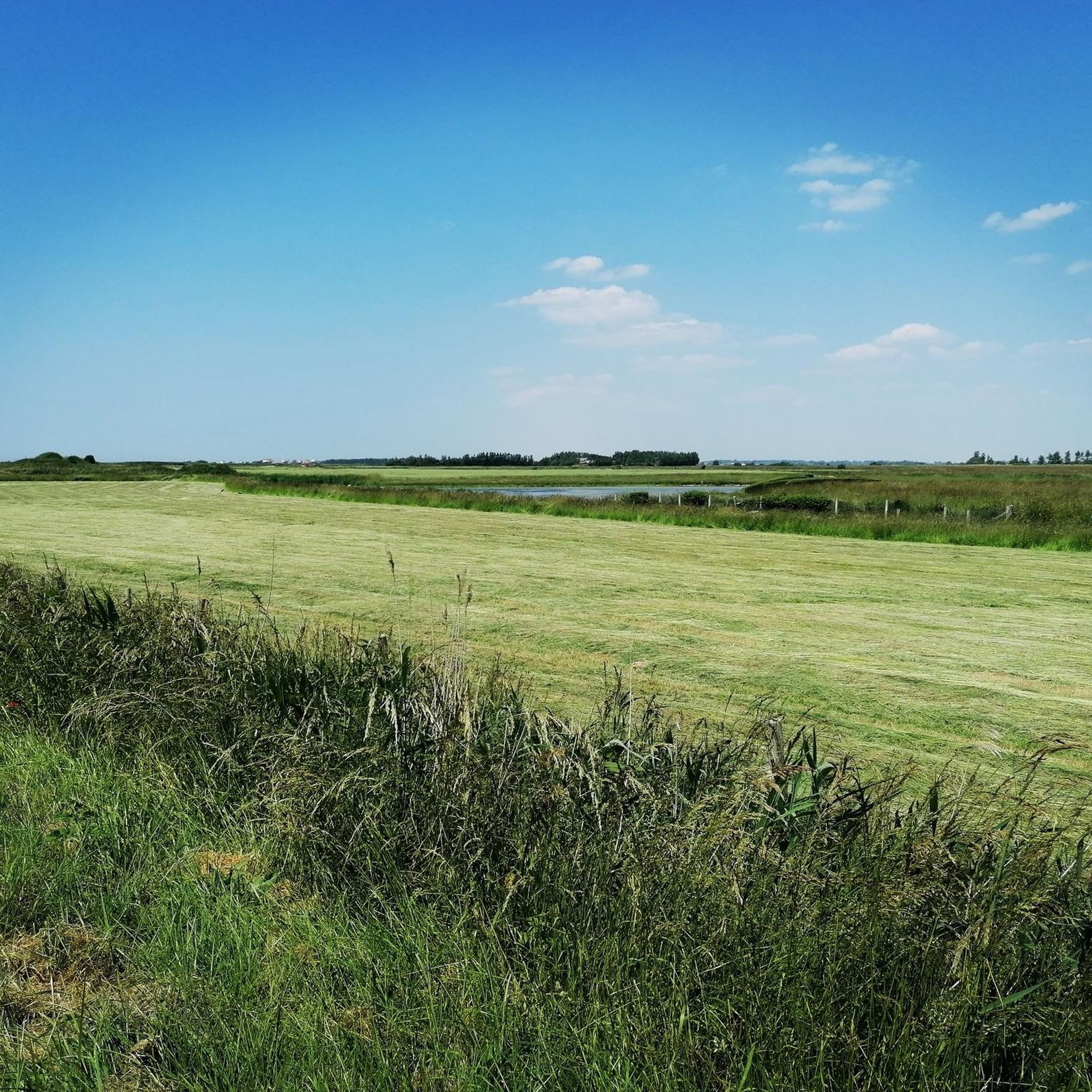
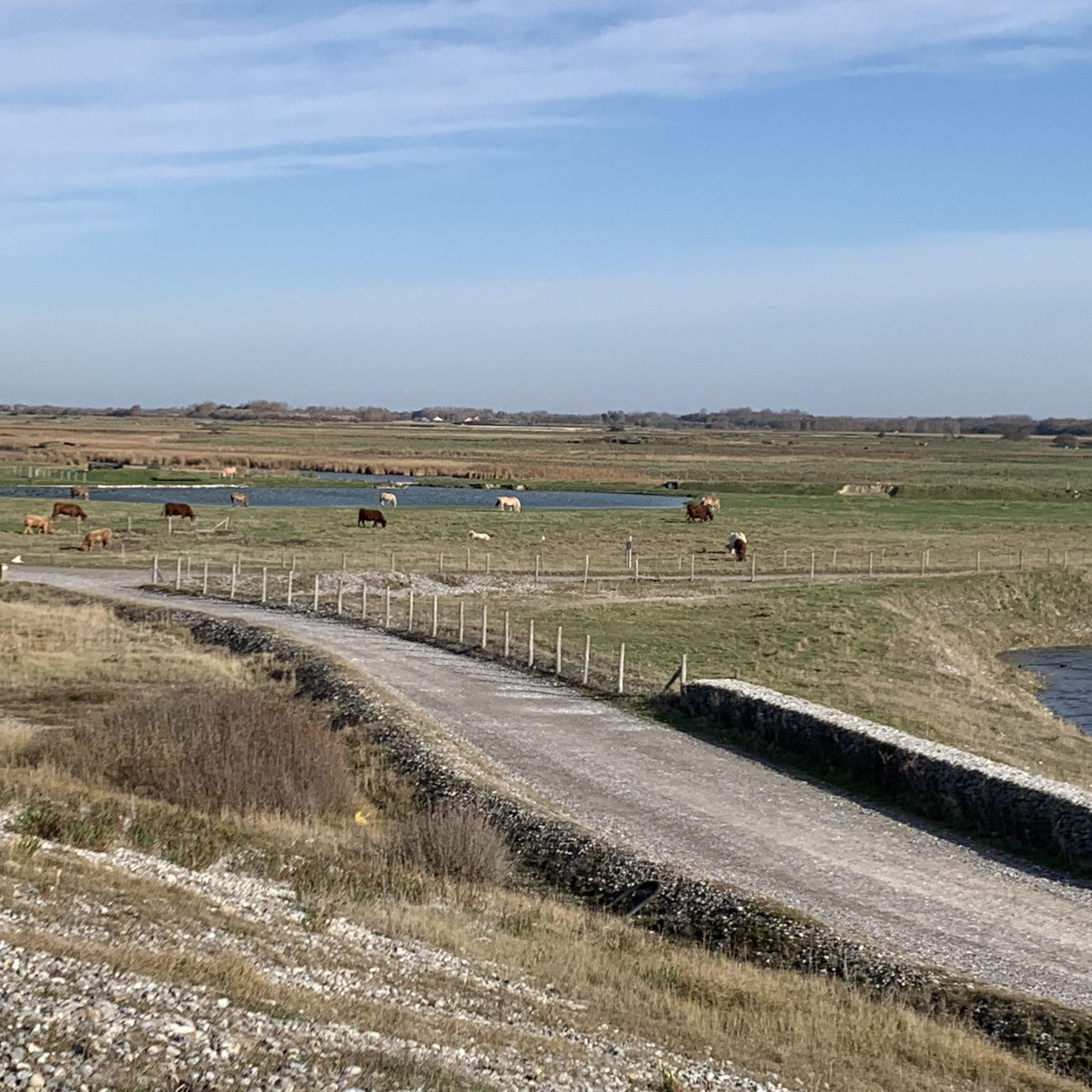
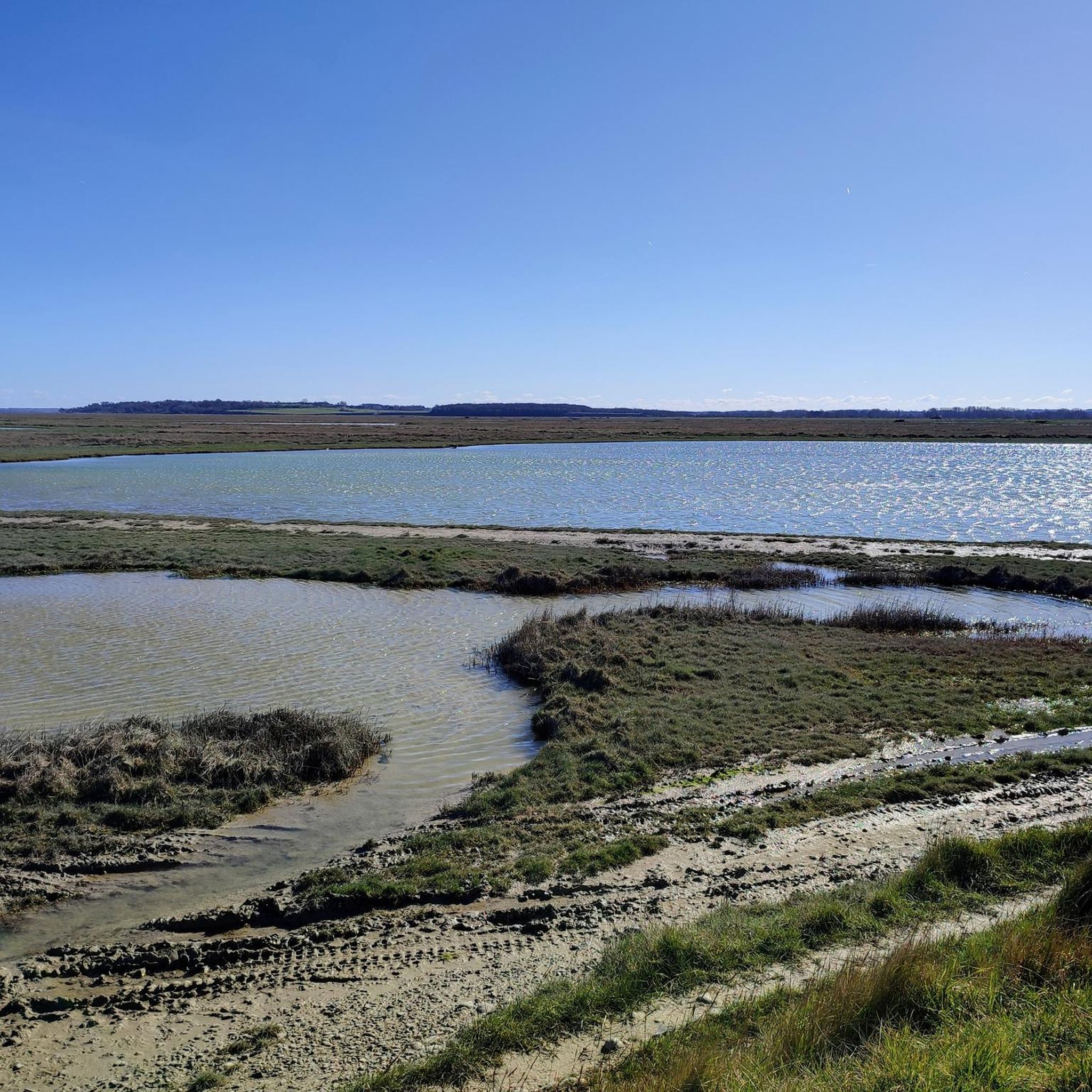
Hiking around Brutelles offers diverse landscapes, from coastal paths to low-field Cayeux, a prominent natural feature near the Bay of Somme. The region is characterized by the impressive Ault Chalk Cliffs, which mark the edge of the Normandy Alabaster Coast, and varied terrain with elevations ranging from 3 to 59 meters. This area provides opportunities for exploring rich flora and fauna, including coastal species and birdlife.
Best hiking trails around Brutelles
- The most popular hiking route is Panoramic view –…
Last updated: June 26, 2026
4.7
(82)
491
hikers
8.45km
02:32
150m
150m
Moderate hike. Good fitness required. Mostly accessible paths. Sure-footedness required.
4.7
(22)
105
hikers
13.7km
03:34
100m
90m
Moderate hike. Good fitness required. Easily-accessible paths. Suitable for all skill levels.

Sign up for free
4.3
(3)
35
hikers
4.55km
01:16
80m
80m
Moderate hike. Great for any fitness level. Mostly accessible paths. Sure-footedness required.
4.5
(15)
94
hikers
Easy hike. Great for any fitness level. Easily-accessible paths. Suitable for all skill levels.
4.1
(8)
39
hikers
Moderate hike. Good fitness required. Easily-accessible paths. Suitable for all skill levels.
Get access to more routes and recommendations from other explorers.
Sign up for free
Already have an account?
Our route recommendations are based on thousands of hikes, rides, and runs completed by other people on komoot.
Start today with a free account
Your next adventure awaits.
Login or Signup

Tips from the Community


Step through the gate, then climb about 120 steps and enjoy the view.
1
0
The cliffs are made of chalk and are impressive to look at.
3
0
Here in Ault begin the chalk cliffs, which stretch all the way to Normandy and repeatedly appear as enormous cliffs.
4
0


The cliffs around the beach of Ault are composed of chalk from the Upper Cretaceous, more precisely from the Turonian and Coniacian (around 83 million years ago to 90 million years ago). They are strewn with flint nodules which highlight the subhorizontal stratification planes (the formation of flint has already been discussed in Discovery of the geology of the cliffs of Étretat, presentation of an excursion from the beach of Tilleul (Antifer) to the Porte d'Amont (Étretat Nord)). The relative proportion of chalk and flint is around 90-95% chalk to 5-10% flint. Flint horizons are stratigraphic markers. On the cliffs of Ault, the regular flint band called Seven Sisters is recognizable and characterizes the boundary between the Middle Coniacian and the Upper Coniacian (around 87 million years ago). The boundary between the lower and middle Coniacian is marked by the Shoreham 2 marl level, which is more difficult to identify. These lithostratigraphic markings allow in particular the correlation of distant deposits, such as between the Normandy and Picardy coasts, or between the French and English coasts.
3
0
The cliffs surrounding Ault beach are made of Upper Cretaceous chalk, more precisely from the terminal Turonian and Coniacian (approximately 83 Ma to 90 Ma). They are dotted with flint nodules that highlight the sub-horizontal stratification planes (the formation of flint has already been discussed in À la découverte géologique des falaises d'Étretat, presentation of an excursion going from Tilleul beach (Antifer) to Porte d'Amont (Étretat Nord)). The relative proportion between chalk and flint is approximately 90-95% chalk for 5-10% flint. The flint horizons are stratigraphic markers. On the cliffs around Ault, the regular band of flint called Seven Sisters is recognizable and characterizes the limit between the Middle Coniacian and the Upper Coniacian (approximately 87 Ma). The boundary between the Lower and Middle Coniacian is marked by the Shoreham 2 marl level, which is more difficult to identify. These lithostratigraphic markers allow in particular the correlation of distant deposits, such as for example between the Normandy and Picardy coasts, or between the French and English coasts.
3
0
A green setting in the heart of the cliffs, classified as a picturesque area since 1959. The Bois de Cise is an exceptional natural area, a small natural forest, originally wild and abandoned, which became a famous seaside resort during the Belle Époque under the leadership of a visionary who stopped at nothing. This coastal forest was originally a wild forest and a hunting ground in the Middle Ages. At the end of the 19th century, the Bois de Cise was sold off in lots on the initiative of a property developer and became a famous seaside resort of the Belle Époque. Today, it is a charming holiday and walking area that is best explored on foot via the narrow paths and wooden steps that crisscross the area. Very beautiful villas bear witness to the prosperous years before the First World War. Don't forget to go to the panorama, like Victor Hugo in his time, a fantastic viewpoint from which you can see the mouth of the Bay of Somme.
0
0
Frequently Asked Questions
How many hiking trails are available around Brutelles?
There are over 170 hiking trails around Brutelles, offering a wide range of options for all skill levels. This includes 80 easy routes, 83 moderate routes, and a few more challenging excursions.
What kind of terrain can I expect on hikes near Brutelles?
The terrain around Brutelles is quite diverse. You can expect coastal paths, dramatic chalk cliffs, and the unique landscapes of the low-field Cayeux near the Bay of Somme. Elevations vary from 3 to 59 meters, providing a mix of flat stretches and gentle ascents.
What is the best time of year to go hiking in Brutelles?
The mild weather from spring through early autumn typically makes outdoor activities, including hiking, most enjoyable in Brutelles. During these seasons, you can best appreciate the coastal areas and natural features.
Are there easy hiking trails suitable for beginners in Brutelles?
Yes, Brutelles offers many easy hiking trails perfect for beginners or those seeking a relaxed stroll. An example is the Hable d'Ault Observatory – Observatory 4 loop from Cayeux-sur-Mer, an easy 3.9-mile (6.3 km) path known for its wildlife observation opportunities.
Are there circular hiking routes in Brutelles?
Many of the trails around Brutelles are circular, allowing you to start and end at the same point. For instance, the Ault Chalk Cliffs – Panoramic view loop from Hautebut is a 4.2-mile (6.8 km) loop that offers stunning coastal views.
What natural features or landmarks can I see along the hiking trails?
Hikers can discover several notable natural features and landmarks. The impressive Ault Chalk Cliffs are a prominent sight, marking the edge of the Normandy Alabaster Coast. You can also explore the rich biodiversity of the Bay of Somme, including its unique flora and potential seal sightings. The White Route of the Bay of Somme is also nearby, offering scenic views.
Can I bring my dog on hikes in Brutelles?
Generally, dogs are welcome on many hiking trails in the Brutelles region, especially on coastal paths and in natural areas. However, it's always recommended to keep them on a leash, particularly in nature reserves or areas with wildlife, and to check specific trail regulations beforehand.
Are there opportunities for wildlife spotting while hiking?
Absolutely. The proximity to the Bay of Somme makes Brutelles an excellent location for wildlife observation. You might spot various bird species along the Picardy coast and even encounter a seal colony in the bay. The Hâble d'Ault area, in particular, is known for its rich wildlife.
What do other hikers enjoy most about hiking in Brutelles?
The hiking routes in Brutelles are highly rated by the komoot community, with an average score of 4.5 stars from over 1,500 reviews. Hikers frequently praise the dramatic chalk cliffs, the expansive Bay of Somme, and the diverse coastal paths, highlighting the area's unique natural beauty and varied terrain.
Are there any historical sites to visit near the hiking routes?
Yes, Brutelles itself features historical landmarks that can be integrated into your hiking excursions. These include a 14th-century Gothic church and the 16th-century Farm Hamel with its original timber facades and dovecote. The nearby village of Brutelles offers a glimpse into the region's past.
Are there any routes that offer panoramic views?
Yes, several routes provide stunning panoramic views, especially along the coast. The Panoramic view – Cliffs of Ault loop from Woignarue is a popular moderate trail that offers expansive vistas of the Ault Chalk Cliffs and the surrounding coastline.
Most popular routes around Brutelles
Most popular attractions around Brutelles

Get inspired with the komoot mobile app


Explore more
Browse the best Hikes in other regions.
