Attractions and Places To See around Cellettes - Top 18
Attractions and places to see around Cellettes offer a range of historical and cultural sites. The region features significant architectural landmarks, including ancient abbeys and medieval keeps. Visitors can explore structures that showcase Romanesque art and historical fortifications. The area provides opportunities to discover sites with rich heritage and unique architectural details.
Best attractions and places to see around Cellettes
- The most popular attractions is Saint-Amant-de-Boixe Abbey, an imposing Romanesque abbey. It is a significant example of Charente Romanesque…
Last updated: July 2, 2026
Saint-Amant-de-Boixe Abbey
Highlight • Other
Possibility of …
Translated by Google •
Tip by

Mansle
Highlight • Settlement
Translated by Google •
Tip by

Sign up now to discover places like this
Get recommendations on the best single tracks, peaks, & plenty of other exciting outdoor places.
Sign up for free
Saint-Denis Church, Vars
Highlight • Other
Translated by Google •
Tip by

Saint-Denis Church
Highlight • Other
Translated by Google •
Tip by

Keep of Montignac-Charente
Highlight • Castle
It is built on a terrace overlooking the Charente.
Of the enclosure, there …
Translated by Google •
Tip by
Sign up for free to discover even more attractions around Cellettes.
Sign up for free
Already have an account?
Start today with a free account
Your next adventure awaits.
Login or Signup
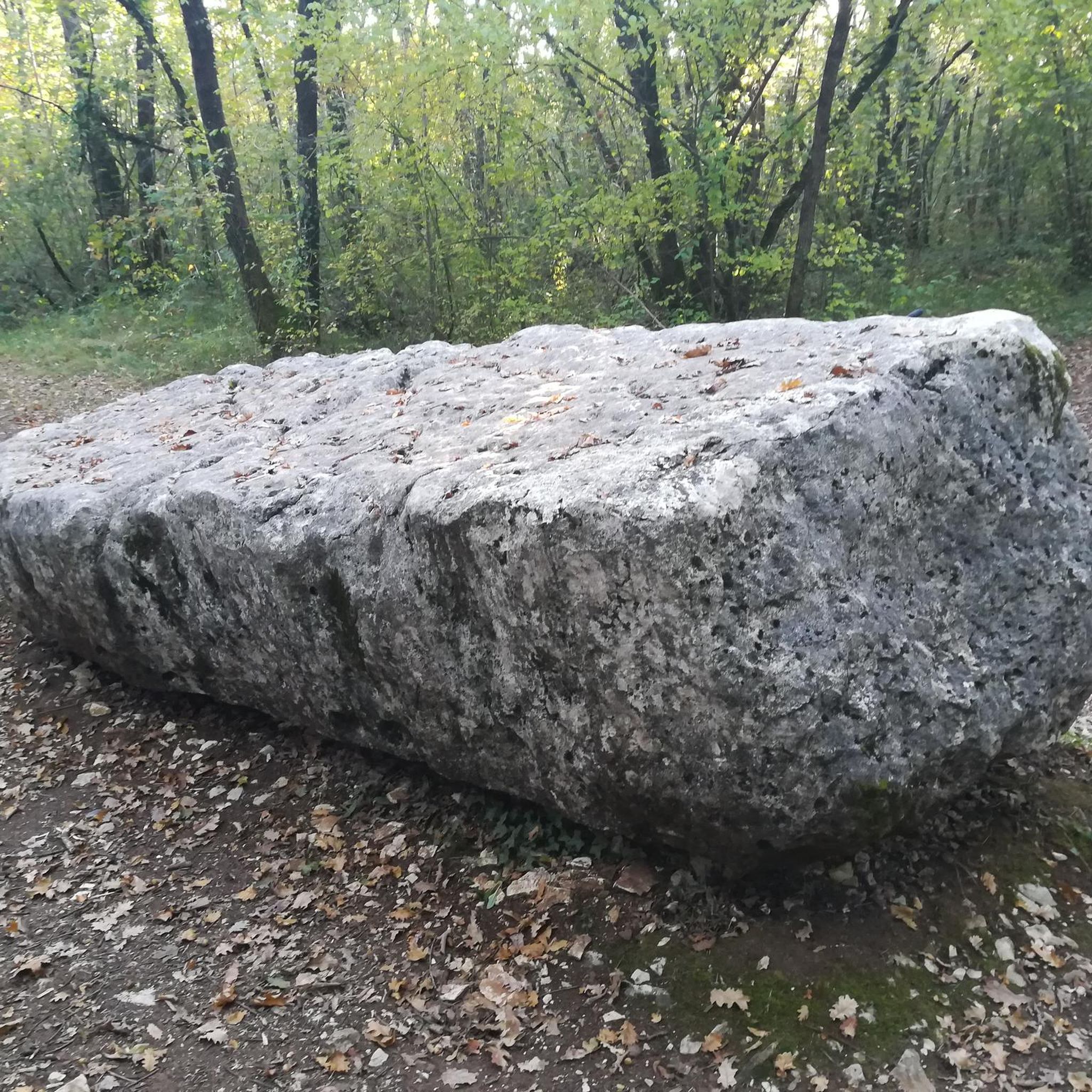
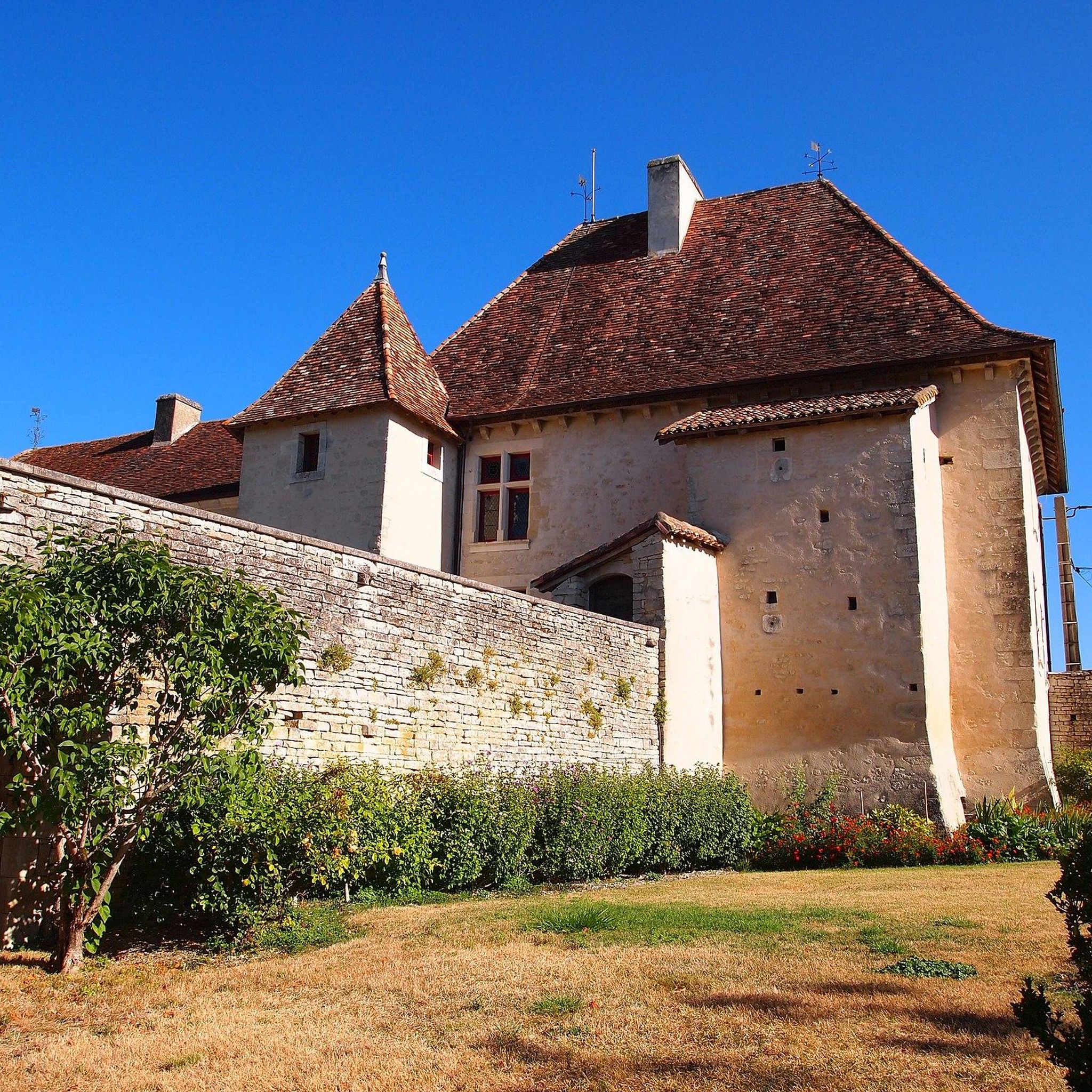
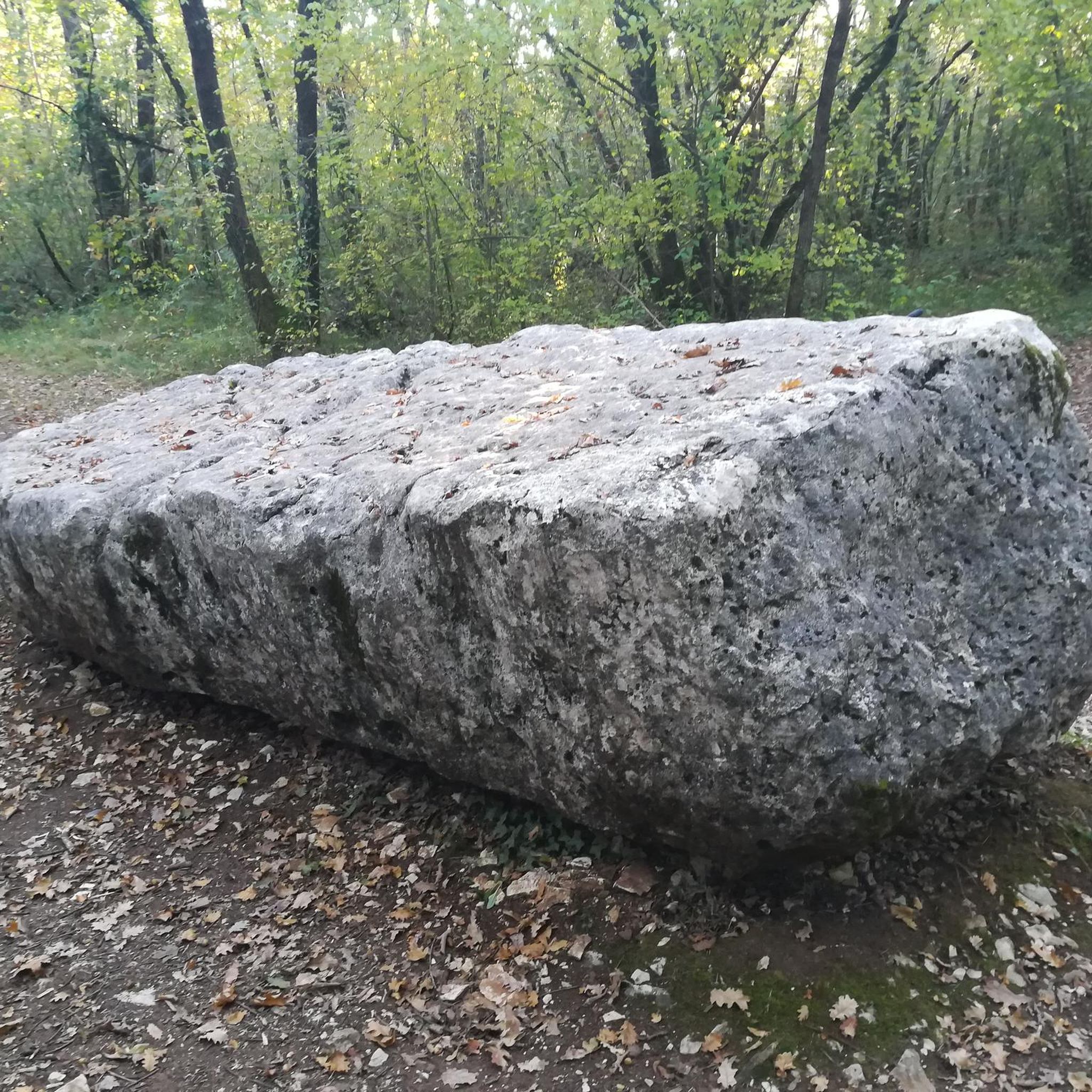



Tips from the Community


This isolated church was built in the 8th century and is a good example of Romanesque architecture. After partially collapsing in the 18th century, it was restored in 1907 after being listed as a historical monument in 1903.
2
0
This isolated church was built in the 8th century and is a good example of Romanesque architecture. After partly collapsing in the 18th century, it was restored in 1907 after being classified as a historical monument in 1903.
3
0

The early 12th century church has all but disappeared, itself and the reconstructions have suffered from the military conflicts that have punctuated the centuries. You enter through an open portal in a facade which very well announces the architectural juxtapositions. These last give a particular charm to the building by their inconsistencies. They arouse curiosity and ultimately offer the visitor a certain degree of privacy. An organ with the original story has been installed. It is the ultimate work of Ivan Peychès (1906-1978), a genius scientific researcher but also a visual artist, musician and composer. Brilliant innovator in the field of applied sciences, he will build this instrument in his living room in ten years during his retirement.
1
0
Nestled between the Charente river and the Boixe forest, the former abbey has watched over the north of Angoumois for over a thousand years. Mentioned in 888, the abbey church was rebuilt in the 11th and 12th centuries, thanks to the generosity of the Counts of Angoulême. This building constitutes an inescapable testimony of the Charente Romanesque art. In the 13th century, a large fire destroyed the site, forcing the reconstruction of the choir of the church, which was not completed until the 16th century. Listed as a historical monument in 1840 on the initiative of Mérimée, this vast monument has always impressed with its mass and its refinement: artists such as Eugène Delacroix and Maurice Utrillo are not mistaken. Each year, more than 13,000 visitors come to discover and appreciate this building with such a rich history. The abbey site has also given rise to several archaeological excavations, enriching the historical and cultural interest of this high heritage site.
0
0
Of the castle of Montignac, located in the town of Montignac-Charente, in Charente, only the keep remains. It is built on a terrace overlooking the Charente. Of the enclosure, there remains the gate with portcullis with two round towers at the top of an escarpment, the western part of the enclosure and a round tower.
0
1
The church of Saint-Denis in Vars, with the castle to the north, formed an episcopal complex of which the bishop was the lord. Although the church is not mentioned until 1110, the possession of this seigneury by the bishop is attested as early as the 1030s. Probably in connection with the building of the castle to the north, the very sober facade of the church has been altered: one can still distinguish traces of the old bell tower with two arches, in the upper part. The bell tower built on the south arm of the transept is therefore posterior. The apse has the particularity of having been raised in order to fortify it and to fit various defensive elements (heated room, bay windows with cushions, access to gateways, etc.)
2
1

Frequently Asked Questions
What are the most significant historical attractions around Cellettes?
The region around Cellettes is rich in historical sites. A prominent example is the Saint-Amant-de-Boixe Abbey, an imposing Romanesque abbey and a significant example of Charente Romanesque art. Another must-see is the Keep of Montignac-Charente, which features the remaining keep of a former castle overlooking the Charente river. Additionally, the Saint-Denis Church, Vars, offers a glimpse into an old episcopal complex with unique defensive architectural elements.
Are there any Romanesque architectural sites to visit near Cellettes?
Yes, the area is known for its Romanesque architecture. The Saint-Amant-de-Boixe Abbey is a prime example, rebuilt in the 11th and 12th centuries and listed as a historical monument. Another notable Romanesque site is the isolated Saint-Denis Church, which dates back to the 8th century and was restored in 1907.
What kind of outdoor activities can I do near these attractions?
The area around Cellettes offers various outdoor activities. You can explore numerous running trails, such as the moderate 'Puissanganou Trail' or the 'Mansle loop from Fontclaireau'. For cycling enthusiasts, there are routes like the 'Loop in the Bonnieure valley' or longer, more challenging rides like the 'Saint-Amant-de-Boixe Abbey – Vindelle Dam loop'. Gravel biking is also popular, with routes like the 'Tusson – Medieval Monastic Garden loop'. You can find more details on these activities in the dedicated guides for running, gravel biking, and cycling around Cellettes.
Are there any good hiking or walking routes around Cellettes?
While specific hiking trails are not detailed for these attractions, the nearby running guides offer routes suitable for walking. For instance, the 'Puissanganou Trail' (12.3 km) and various 'Mansle loop' routes (around 9-12 km) provide opportunities for moderate walks through the local landscape. These routes are detailed in the running guide.
What do visitors appreciate most about the attractions in this region?
Visitors frequently appreciate the historical depth and architectural beauty of the sites. For instance, the Saint-Amant-de-Boixe Abbey is admired for its imposing Romanesque style and rich history, attracting over 13,000 visitors annually. The unique architectural juxtapositions and historical significance of places like Mansle also charm visitors, offering a sense of discovery and privacy.
Can I find places to eat or refuel near the attractions?
Yes, some locations offer amenities. Near Saint-Amant-de-Boixe Abbey, there are a few shops where you can eat. The village of Mansle also provides opportunities to refuel, with shops, bakeries, restaurants, and general food stores offering local products.
Are there any castles or keeps to explore in the area?
Absolutely. The most prominent is the Keep of Montignac-Charente, which is the remaining part of a former castle. It stands on a terrace overlooking the Charente river, offering a glimpse into medieval fortifications with its gate, portcullis, and round towers.
What is the best way to explore the Charente river valley near Cellettes?
The Charente river valley can be explored through various activities. For cyclists, routes like the 'Mansle – The Quai de Montignac loop' offer scenic views along the river. In Mansle, you can find a canoe kayak base on the banks of the Vienne, which is a tributary of the Charente, providing opportunities for water-based exploration.
Are there any unique historical features in the churches around Cellettes?
Yes, several churches boast unique historical features. The Saint-Denis Church, Vars, for example, has an apse that was raised and fortified for defensive purposes, and traces of an old bell tower. The church in Mansle features architectural juxtapositions from various periods and houses an organ with a unique history, built by the brilliant innovator Ivan Peychès.
What is the difficulty level of the outdoor routes near Cellettes?
The outdoor routes around Cellettes vary in difficulty. For running, you'll find mostly 'moderate' trails like the 'Puissanganou Trail' (12.3 km). Cycling routes range from 'moderate' such as the 'Loop in the Bonnieure valley' (41.1 km) to 'difficult' options like the 'Saint-Amant-de-Boixe Abbey – Vindelle Dam loop' (77.2 km). Gravel biking also offers both 'moderate' and 'difficult' routes, catering to different fitness levels.
Can I find any viewpoints or scenic spots among the attractions?
The Keep of Montignac-Charente is built on a terrace overlooking the Charente river, offering scenic views of the surrounding landscape. While not explicitly listed as viewpoints, exploring the areas around the historical sites and along the river often provides picturesque settings.
Most popular routes around Cellettes

Get inspired with the komoot mobile app


Explore more
Still not found the Highlight you’re looking for? See guides of the top attractions in other regions:
