Attractions and Places To See around Loupiac - Top 15
Attractions and places to see around Loupiac, located in the Garonne Valley, are characterized by their rich historical sites and renowned vineyards. This region, situated on the right bank of the Garonne River, is known for its sweet white wines and ancient landmarks. Visitors can explore a landscape shaped by viticulture, historical architecture, and unique geological features.
Best attractions and places to see around Loupiac
- The most popular attractions is Budos Castle, a castle that features incredible ruins of…
Last updated: July 2, 2026
Budos Castle
Highlight • Castle
Translated by Google •
Tip by

Château de la Benauge.
Highlight • Castle
Translated by Google •
Tip by

Sign up now to discover places like this
Get recommendations on the best single tracks, peaks, & plenty of other exciting outdoor places.
Sign up for free
Sainte-Croix-du-Mont
Highlight • Historical Site
Translated by Google •
Tip by
Verdelais
Highlight • Other
Translated by Google •
Tip by
Scandiberique, section through the forest
Highlight (Segment) • Cycleway
Translated by Google •
Tip by

Sign up for free to discover even more attractions around Loupiac.
Sign up for free
Already have an account?
Start today with a free account
Your next adventure awaits.
Login or Signup
Tips from the Community

Budos Castle is the work of Raymond Guilhem de Budos, nephew of Pope Clement V. Largely supported by his uncle, he rebuilt the old family castle in 1306, adopting the architectural features of the neighboring Château de Villandraut, as evidenced by the following document from King Edward I, written from Wynten on March 9, 1306, to the Seneschal of Gascony[4]: "The Knight of Budos, nephew of Clement V, Sovereign Pontiff, has begged us to allow him to crenellate his house in Budos, to surround it with walls, towers, moats, and finally to fortify it. Out of respect for the Sovereign Pontiff, and because a fortress of this nature will protect not only our possessions in this part of Guienne, but also the subjects of the Pope's nephew, we grant the aforementioned Raymond permission to fortify his castle and we grant it to him, his heirs, and successors in perpetuity, and we undertake not to disturb him in any way in this possession." In 1422-23, the King of England took possession of the castle and placed Pons, Lord of Castillon, in charge. Around 1433, Henry VI granted the lands and the castle to the Duke of Gloucester. In 1446-47, Budos was given to Gaston IV of Foix-Béarn, Count of Foix, following the death of the Earl of Gloucester. After the conquest of Guyenne, the Budos family, which had supported the cause of France, regained possession of its lordships in Guyenne. Purchased from the Budos family by Raymond de La Roque in 1571, Budos Castle suffered a severe assault in 1652 during the Fronde Wars. Lasserre ransacked, pillaged, and burned its archives. The Budos lordship remained in the La Roque family until the Revolution, which nearly destroyed it. It was sold as national property and used as a quarry to build dikes on the Ciron. In 1841, the Gironde Historical Monuments Commission was informed of this by Léo Drouyn. In 1860, it became the property of Léon de Brivazac, son of Delphine Catherine de La Roque de Budos (born at the castle in 1789). Five descendants (including Savary de Beauregard) entrusted it to the Adichats association, which brings together young people to enhance and preserve what can be preserved. The castle was registered as a historic monument in 1988
0
0

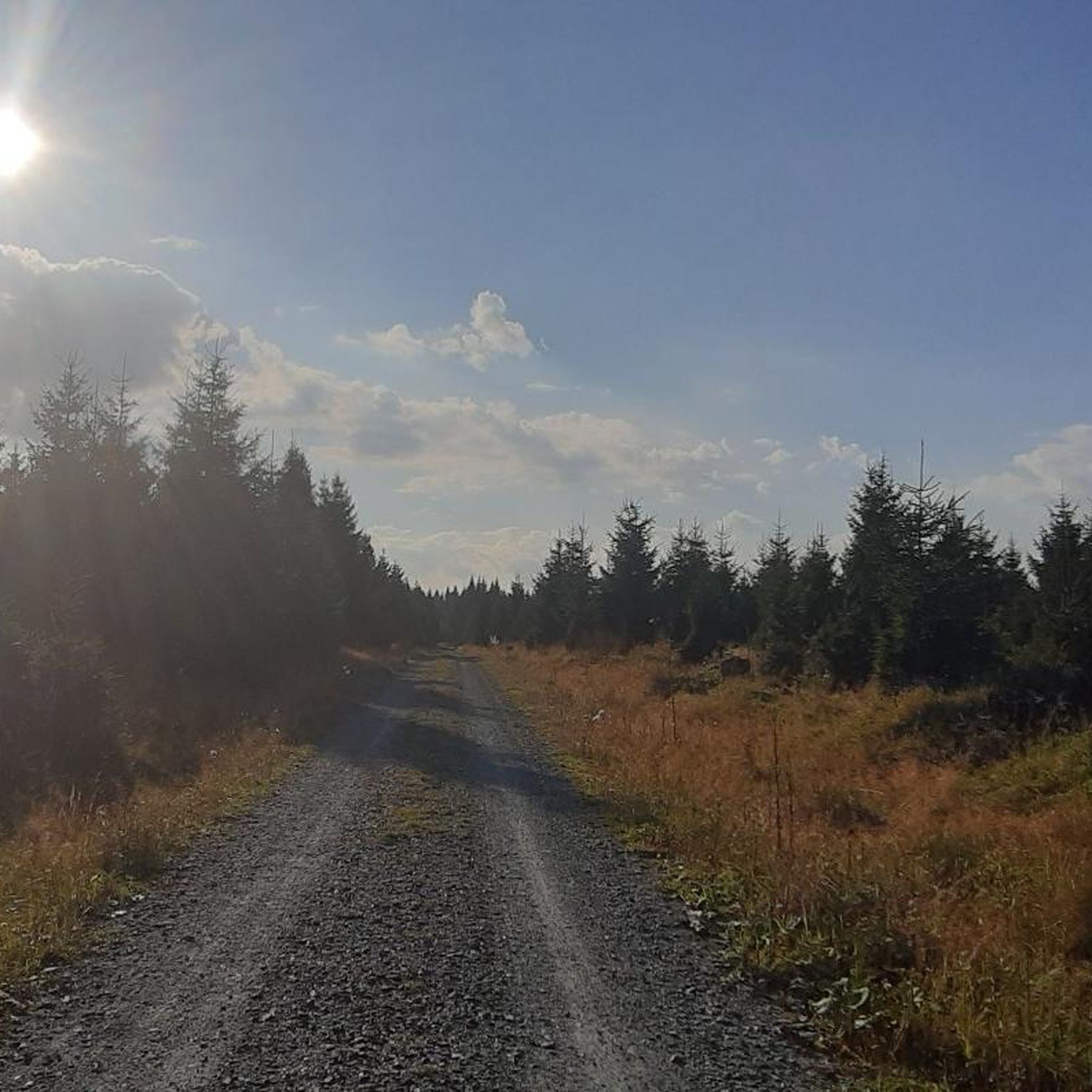
The cycle path along the old railway line is beautiful and comfortable to ride, and it's a truly relaxing experience.
2
0

Very nice section of the railway cycle path, in Langon itself it's okay, at least the cycle path on the main road.
4
0

A pretty (private) chateau surrounded by its hillsides of vines.
2
0

Beautiful ruins of the castle of Budos, accessible by road but also by paths along the river. Much nicer!
1
0

Incredible ruins of the 14th century Budos castle, in the middle of the vineyards. Under restoration by Adichats association for about thirty years.
2
1
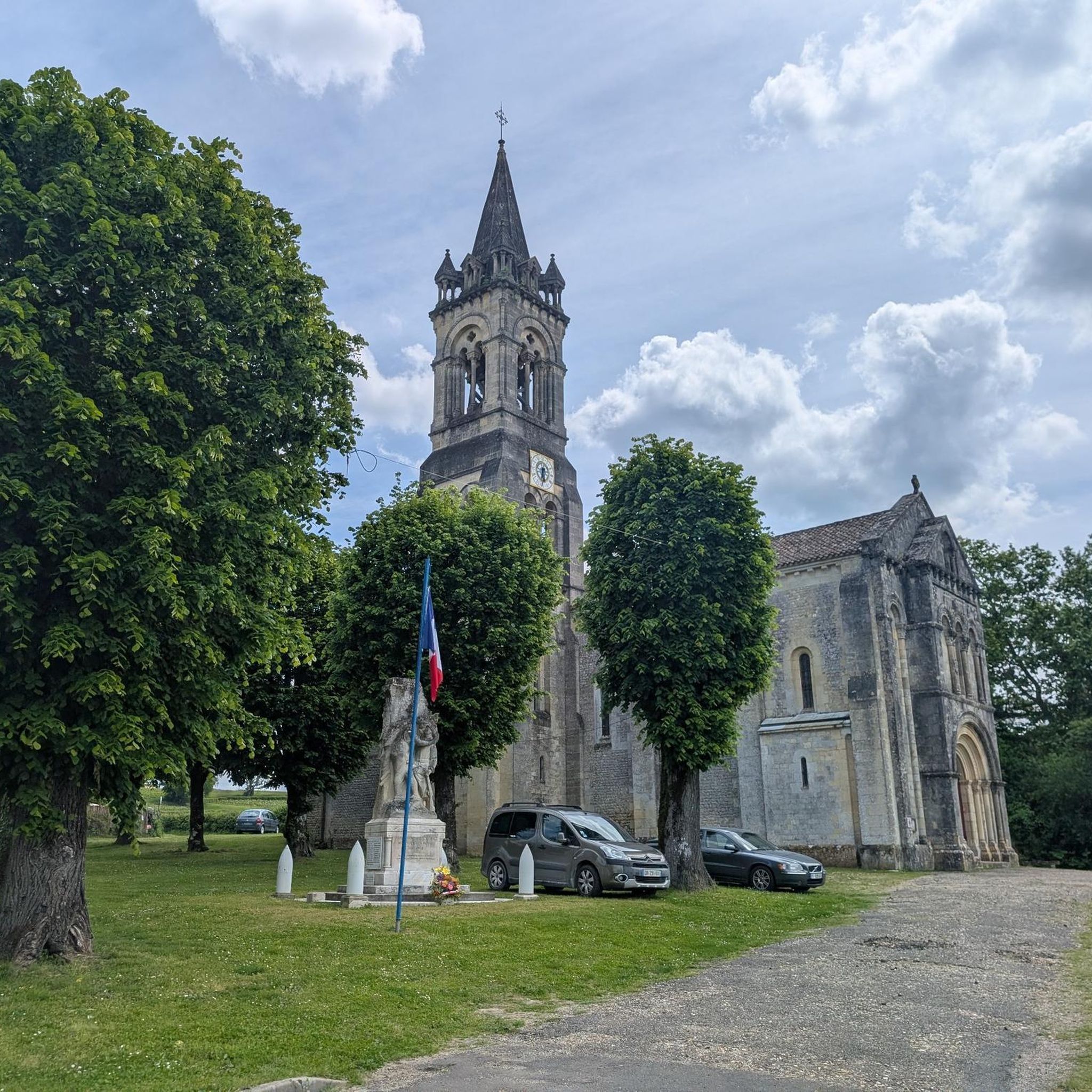
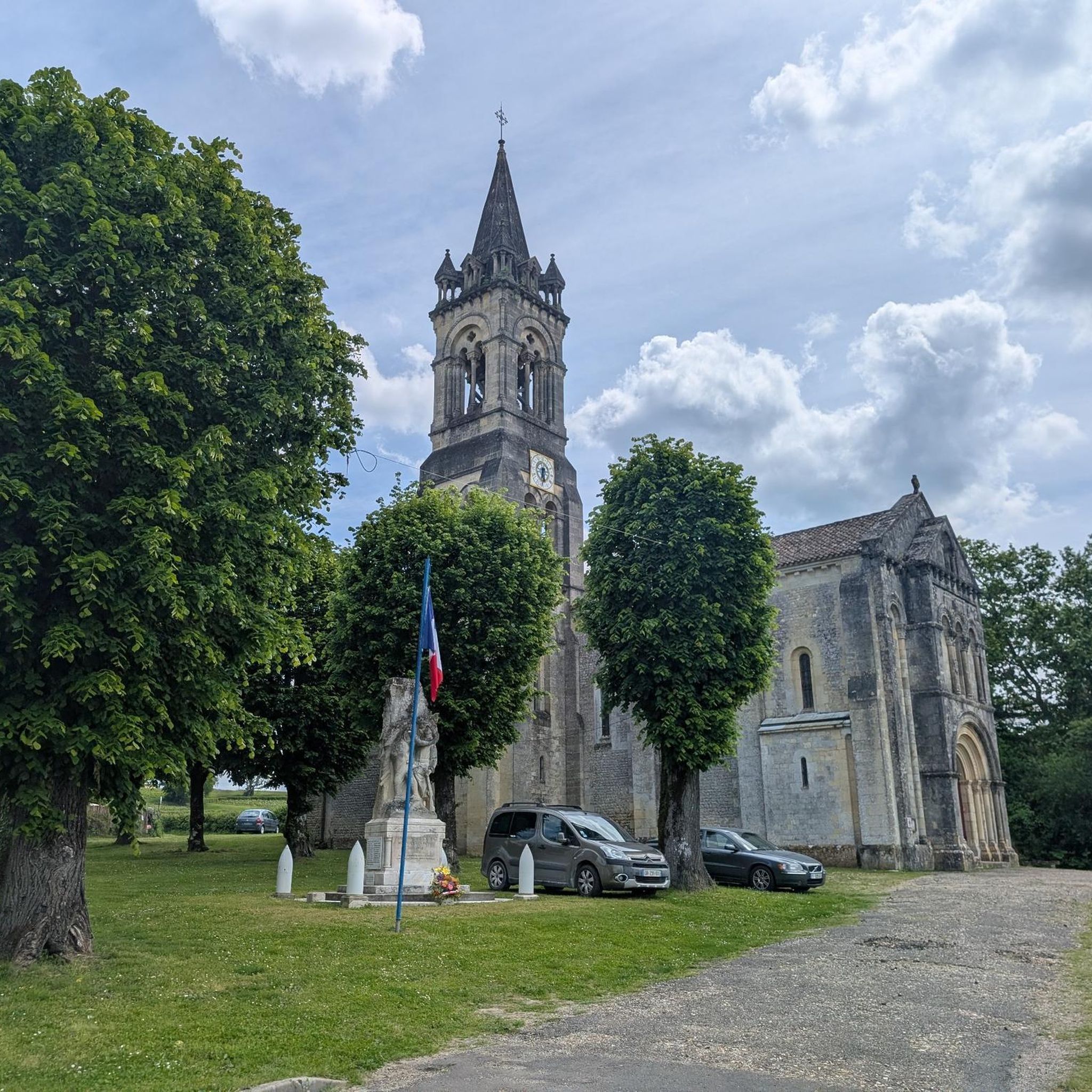
On the way to Santiago de Compostela, Verdelais has a large basilica, an impressive Calvary (in the cemetery where Toulouse-Lautrec is buried), as well as a mill still in operation: the mill of Cussol. The central alley of the village, lined with plane trees is ideal for taking a break in the shade!
2
0
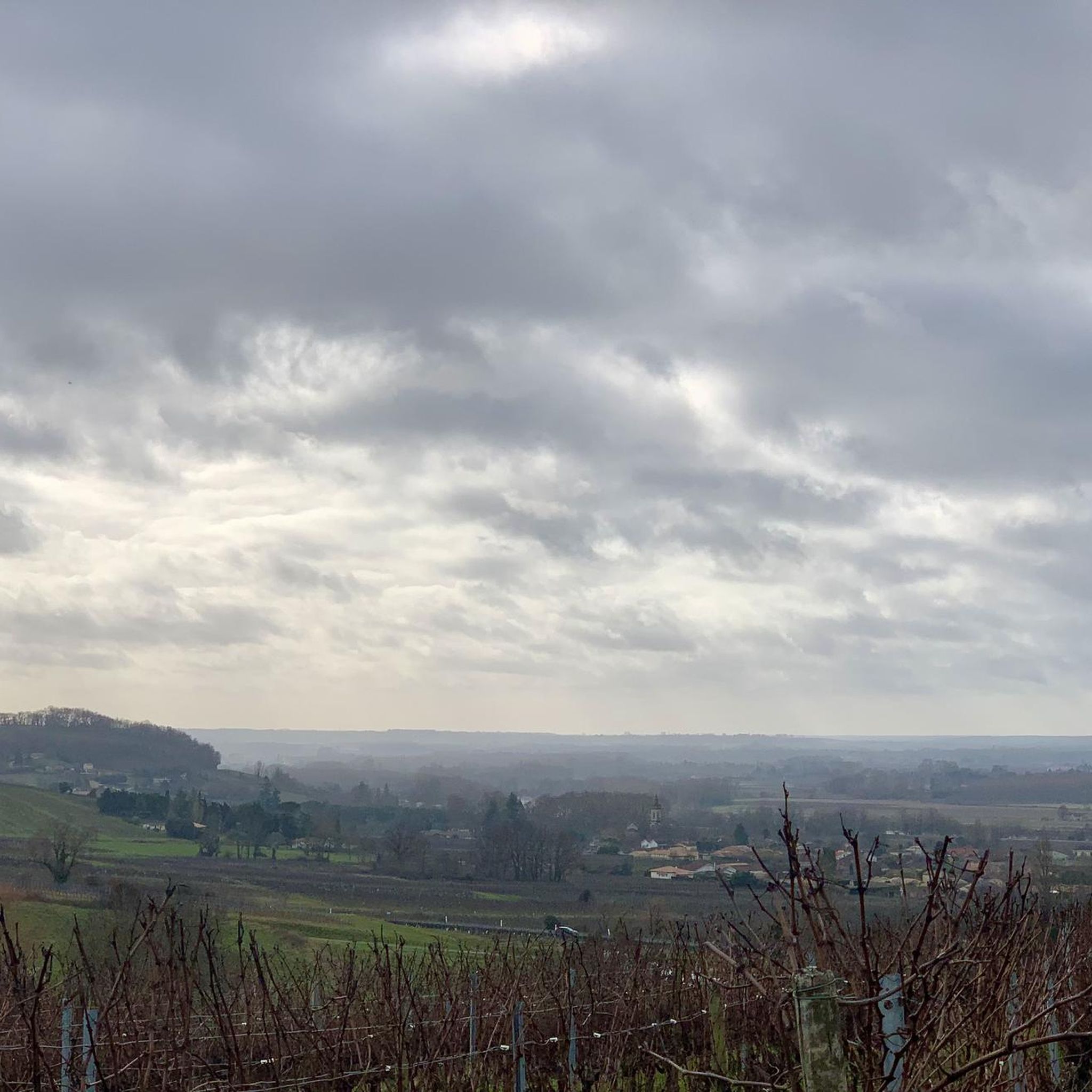
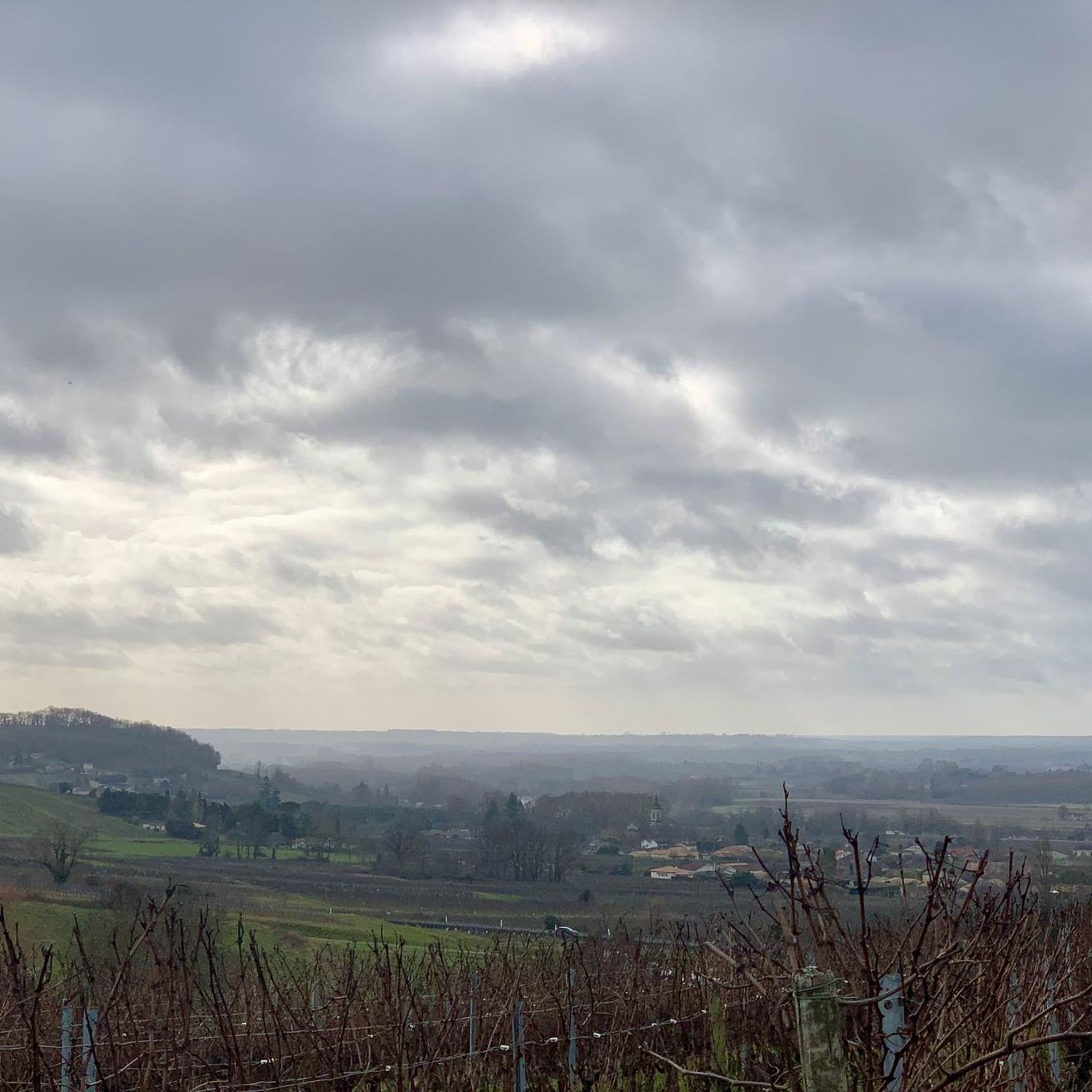
Sainte-Croix-du-Mont is built on a rocky outcrop overlooking the Garonne valley and the Sauternes vineyards. At the foot of the imposing castle of Tastes, there is an interpretive trail and a belvedere from which you can see the Pyrenees on a clear day. The town also has a unique geological site in France: a cave made up of oyster fossils dating back 22 million years. Have !
2
0
Frequently Asked Questions
What historical sites can I explore around Loupiac?
Loupiac and its surroundings are rich in history. You can visit the impressive ruins of Budos Castle, a 14th-century fortress amidst vineyards. Another notable site is Château de la Benauge., a private castle offering views of the Entre-Deux-Mers landscapes. Don't miss the ancient Gallo-Roman Villa de Loupiac, known for its thermal baths and polychrome mosaics, or the 12th-century Eglise Paroissiale Saint-Pierre. Nearby, the UNESCO World Heritage site of Château Ducal de Cadillac and the ruins of the Abbey of La Sauve-Majeure also offer deep dives into the region's past.
Are there any unique natural attractions near Loupiac?
Yes, Sainte-Croix-du-Mont is a must-see, built on a rocky outcrop overlooking the Garonne valley and Sauternes vineyards. It features a unique geological site: a cave made up of oyster fossils dating back 22 million years. The region's landscape is also shaped by the Garonne Valley and the famous Sauternes vineyards, where morning mists contribute to the production of sweet wines.
What kind of outdoor activities are available around Loupiac?
The area around Loupiac is perfect for outdoor enthusiasts. You can enjoy cycling along comfortable paths, including a section of the Scandiberique cycle route through the forest. For more options, explore various routes for hiking, cycling, and gravel biking, ranging from easy to difficult, that take you through vineyards, along rivers, and past historical sites.
Can I visit vineyards and taste wine in Loupiac?
Absolutely. Loupiac is renowned for its sweet white wines, and the region is part of the wider Bordeaux wine area. You'll find numerous vineyards and châteaux, such as Château du Cros, offering wine tastings and tours. The area is situated opposite the famous Sauternes and Barsac appellations, making it an ideal destination for wine tourism. For more information on the appellation, you can visit winetourism.com.
Are there family-friendly attractions or activities in the Loupiac area?
Many of the historical sites and natural areas around Loupiac can be enjoyed by families. Exploring castles like Budos Castle or the unique oyster fossil cave at Sainte-Croix-du-Mont can be engaging for children. Additionally, the comfortable cycling paths, such as the one along the old railway line, offer a pleasant way for families to explore the scenic countryside together.
What is the best time of year to visit Loupiac for outdoor activities?
The region generally enjoys a mild climate. Spring and autumn are often ideal for outdoor activities like hiking and cycling, with pleasant temperatures and beautiful scenery as the vineyards change colors. Summer can be warm, but still suitable for early morning or late afternoon excursions. Always check the local weather forecast before planning your activities.
Where can I find local markets near Loupiac?
Nearby towns such as Cadillac, Langon, and Créon host local markets on various days of the week. These markets are excellent places to discover regional produce, local crafts, and experience the authentic atmosphere of the Gironde countryside.
Are there any gardens to visit in the vicinity of Loupiac?
Yes, several remarkable gardens are located within a short drive. These include the Jardins du château de Malle (7km), Jardins du château de Mongenan (13km), and Parc du château de Grenade (15km). These offer beautiful landscapes and a peaceful escape.
What is Verdelais known for?
Verdelais, located near Loupiac, is a significant stop on the way to Santiago de Compostela. It features a large basilica, an impressive Calvary in the cemetery (where Toulouse-Lautrec is buried), and the still-operational mill of Cussol. Its central alley, lined with plane trees, is a pleasant spot for a break.
Can I find easy walking trails around Loupiac?
Yes, there are several easy walking options. For instance, the 'Cascade de Laroque – Cadillac Castle loop from Cadillac-sur-Garonne' is an easy hiking route. Many of the paths through the vineyards and along the Garonne River offer gentle terrain suitable for leisurely strolls. You can find more details on hiking routes around Loupiac.
What are some lesser-known attractions or 'hidden gems' in the area?
Beyond the main highlights, exploring the smaller villages and their local churches, like the Eglise Paroissiale Saint-Pierre in Loupiac, can reveal charming architectural details. The various 'remarkable gardens' mentioned earlier also offer serene and less crowded experiences. Additionally, simply driving or cycling through the smaller vineyard roads can lead to unexpected scenic views and quiet spots.
Is public transportation available to reach attractions around Loupiac?
While some larger towns in the Gironde region have public transport connections, many of the specific attractions and smaller villages around Loupiac are best accessed by car or bicycle. It's advisable to check local bus schedules if you plan to rely on public transport, but for flexibility, a personal vehicle or bike is often recommended.
Most popular routes around Loupiac
Most popular attractions around Loupiac

Get inspired with the komoot mobile app


Explore more
Still not found the Highlight you’re looking for? See guides of the top attractions in other regions:
