Attractions and Places To See around Pomerol - Top 20
Best attractions and places to see around Pomerol center on its renowned wine appellation in Bordeaux, France, celebrated for exceptional Merlot-dominant wines and prestigious châteaux. The region features an intimate wine-making landscape characterized by unique terroir, including blue clay and iron-rich subsoil, ideal for viticulture. While primarily focused on wine production, Pomerol's subtle natural beauty is found in its rolling vineyards. Many visitors combine their trip with exploring the nearby UNESCO World Heritage site of Saint-Émilion.
Best attractions and places…
Last updated: October 10, 2026
Saint-Émilion Village
Highlight • Settlement
Translated by Google •
Tip by

Cordeliers' Cloister
Highlight • Religious Site
Translated by Google •
Tip by

Sign up now to discover places like this
Get recommendations on the best single tracks, peaks, & plenty of other exciting outdoor places.
Château Angélus
Highlight • Historical Site
Translated by Google •
Tip by

Saint-Christophe Church
Highlight • Religious Site
Translated by Google •
Tip by

Church of Branne
Highlight • Religious Site
Showing Translation
Tip by

Sign up for free to discover even more attractions around Pomerol.
Already have an account?
Start today with a free account
Your next adventure awaits.
Tips from the Community

The TV series – available only in German – »Schätze der Welt – Erbe der Menschheit« documents in short episodes, each lasting a quarter of an hour, important places that have been honored as World Heritage Sites by UNESCO. The accompanying text states: "Saint- Emilion is one of the most romantic wine towns in the world. The small town lies on a limestone plateau, framed by vineyards where the grapes for the famous 'grands crus' grow. With this important wine-growing region in southwestern France, UNESCO has also declared wine a World Heritage Site. Rightly so, because Saint- Emilion represents the perfection of wine." Follow this link to the film =>> https://www.ardmediathek.de/video/schaetze-der-welt/saint-emilion-frankreich-folge-226/swr/Y3JpZDovL3N3ci5kZS83Nzg1MTUw
0
0

The Saint-Étienne church of Branne is a true haven of peace in the heart of the village, offering a setting conducive to recollection and prayer. The architecture, both sober and majestic, bears witness to the deep faith that has inhabited these places through the centuries. The beauty of the sanctuary naturally invites the elevation of the soul and contemplation of the divine mysteries. One feels an atmosphere of serenity that helps each faithful to find themselves before the Lord in silence and dignity. It is a living place of worship where the presence of Christ is felt, recalling the importance of our Christian roots in the Gironde landscape. A spiritual stopover highly recommended for all those who seek to nourish their faith within a beautifully maintained church.
0
0
The name of Saint-Christophe, to whom this church in the village, which also bears his name, is dedicated, translates as "Christ-bearer." According to the saint's legend, he was a giant man who carried people across a river. One day, a small child called to him, and he carried it on his shoulders to the other bank. Amazingly, the child became heavier and heavier, and he said he felt as if the weight of the entire world were resting on his shoulders. Then the child revealed himself to him as Jesus Christ, Savior and Redeemer of the world.
1
0

Superb property of great classified growths.
1
1

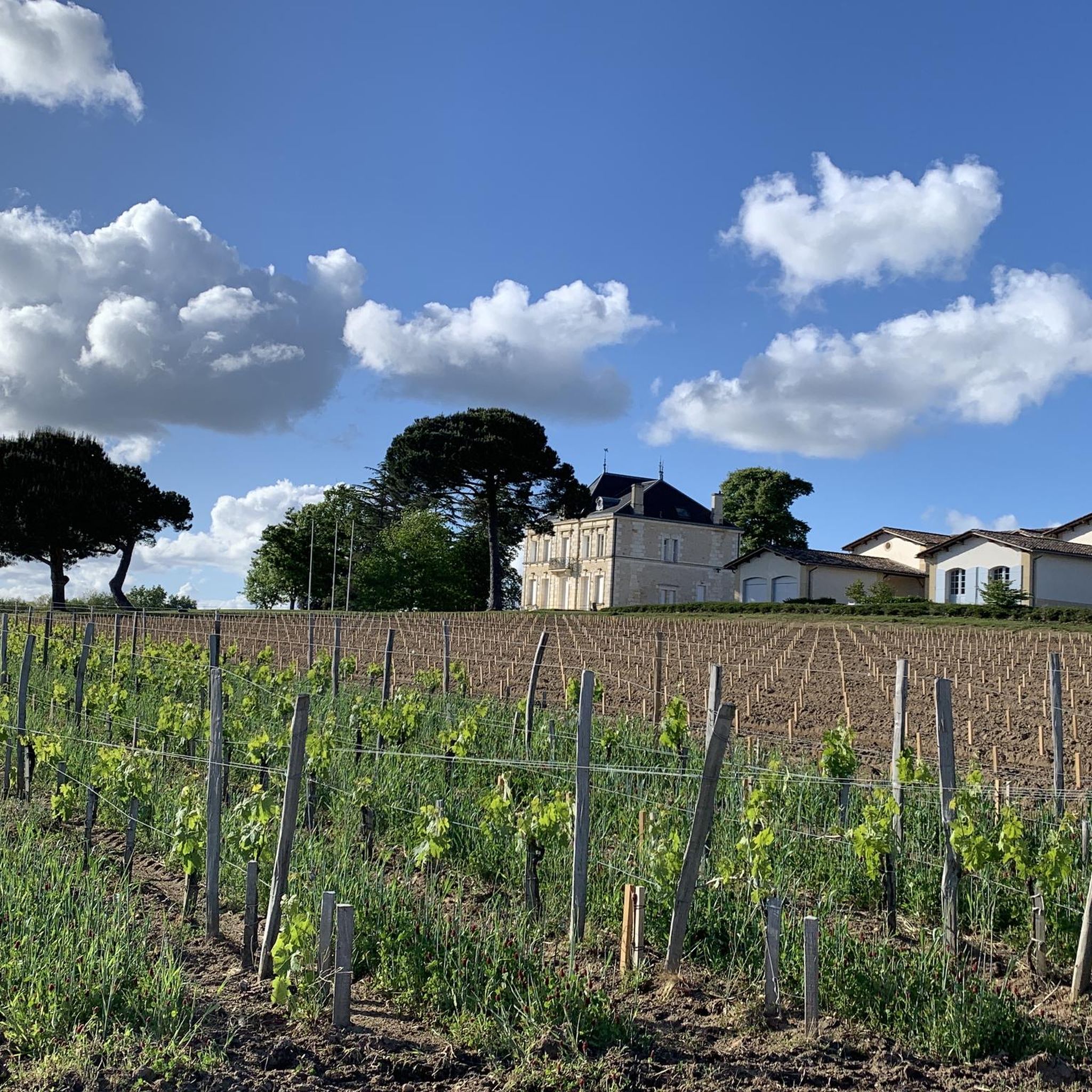
Château Angélus, located in the heart of the prestigious Saint-Émilion vineyard, is a renowned wine estate that combines tradition and modernity. Surrounded by perfectly maintained vines, this iconic château offers a sumptuous setting where you can discover the art of winemaking for its Grands Crus Classés. The view of the vineyard from the château is simply magnificent, with its rows of vines stretching as far as the eye can see. Wine lovers will appreciate the guided tours and tastings.
2
0
Château Angélus, located in the heart of the prestigious Saint-Émilion vineyard, is one of the most famous Grands Crus Classés of Bordeaux. Nestled in the middle of perfectly maintained vines, a visit to the château allows you to discover the wine history of the region, its impressive cellars and its ultra-modern winery. Wine lovers will appreciate tastings of the refined vintages.
1
0

Former monastery. Today a department store for everything related to wine. Nice restaurant in the old cross-gate and monastery garden. Various paid tours can be booked.
0
0

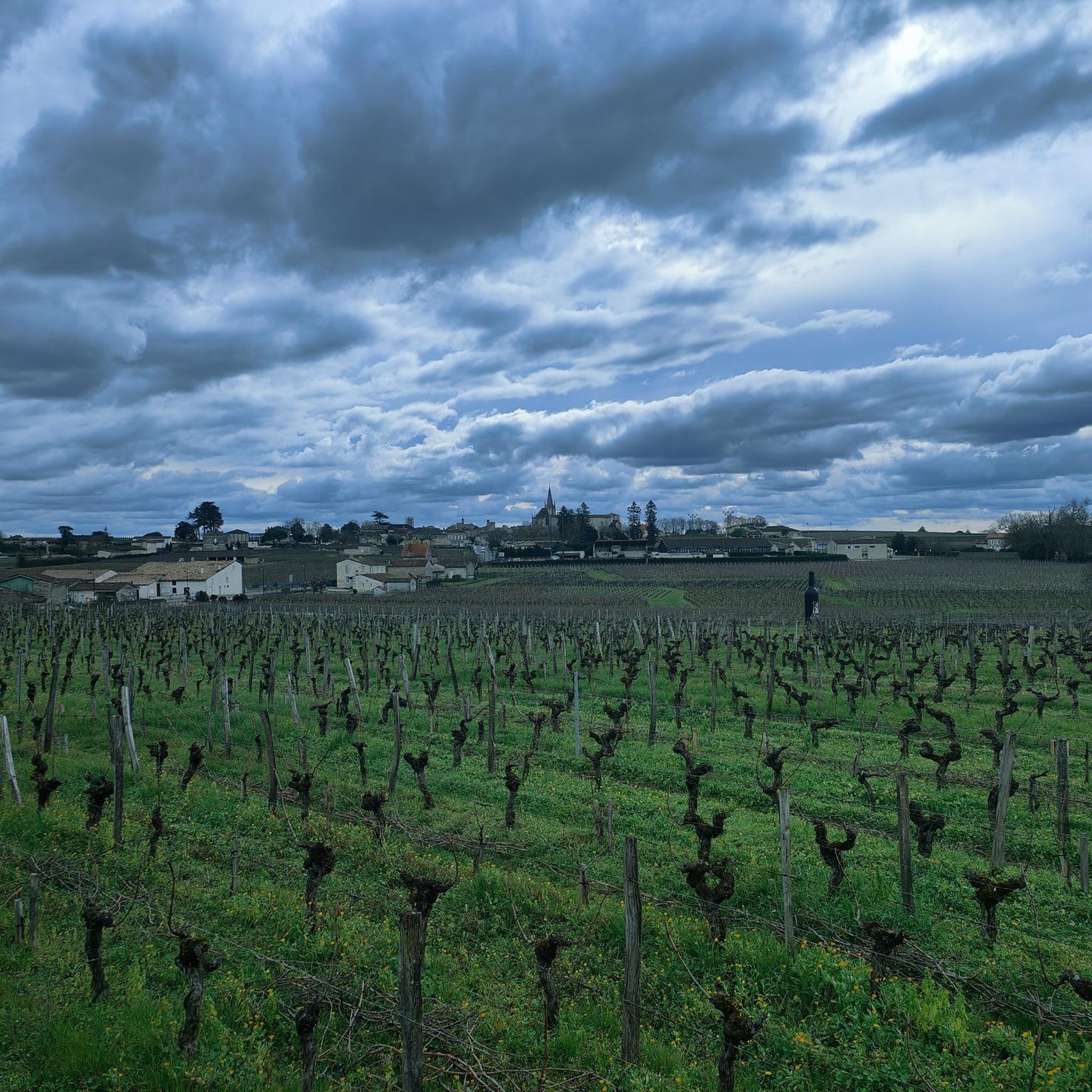
Perched on a rocky promontory and surrounded by the famous vineyard of the same name, Saint-Émilion is a magnificent village. Very popular with tourists and wine lovers, it is crowded in summer and I recommend that you come and discover it out of season. The medieval city is a UNESCO World Heritage Site and many cycling events take place there, in the small, steep, cobbled streets.
2
0
Frequently Asked Questions
What are some notable historical and cultural sites near Pomerol?
Just 5 km southeast of Pomerol, you'll find Saint-Émilion Village, a UNESCO World Heritage site renowned for its medieval charm and viticultural history. Within Saint-Émilion, you can explore the impressive Monolithic Church, carved directly into the rock, and the historical Cordeliers' Cloister. Another significant religious building is Saint-Christophe Church, known for its distinctive sandstone appearance.
What kind of natural features define the Pomerol region?
Pomerol is characterized by its unique terroir, a blend of clay, gravel, sand, and iron-rich subsoil known as "crasse-de-fer." The presence of blue clay, particularly in areas like Château Pétrus, is crucial to the quality of its Merlot-dominant wines. The region's natural beauty is subtle, found in its rolling vineyards and the specific soil compositions that create an ideal microclimate for viticulture.
Are there any unique vineyard experiences or tours available in Pomerol?
Pomerol is home to approximately 150 châteaux, many of which are small family affairs. While some prestigious estates like Château Pétrus are typically reserved for wine professionals, others like Château Bonalgue offer biodynamic vineyard tours. Château Bellegrave, a third-generation viniculture, also offers tours and tastings. Many châteaux provide wine tasting and guided tours by appointment, offering an in-depth look at the winemaking process.
What outdoor activities can I do near Pomerol, especially cycling?
The area around Pomerol is excellent for cycling. You can explore various routes, including those focused on the vineyards. For road cycling, consider routes like the 'Loop of Saint-Emilion and its castles' or the 'Cordeliers' Cloister – Saint-Émilion Village loop from Libourne'. If you prefer touring, there's the 'Saint-Émilion Village – Cordeliers' Cloister loop from Truquet St Emilion'. You can find more cycling options on the Road Cycling Routes around Pomerol and Cycling around Pomerol guide pages.
Are there easy walking or hiking trails suitable for beginners around Pomerol?
While Pomerol is primarily focused on wine, you can find pleasant walks through the vineyards. For more structured trails, nearby areas offer options. For example, some MTB routes are rated easy, such as 'Path Along the Isle River – Path by the Barbane loop from Gare de Libourne' or 'Lac des Dagueys – Path by the Barbane loop from Temple de Libourne', which can often be enjoyed on foot as well. Always check the specific trail conditions for suitability.
Can I find mountain biking trails near Pomerol?
Yes, there are mountain biking trails available near Pomerol. For instance, you can find routes like 'Boucle dans le Libournais' which is rated easy, or the 'Magnificent viewing spot – Villegouge Singletrack loop from Gare de Libourne' which is moderate. The MTB Trails around Pomerol guide page offers more details on these and other routes.
What is the best time of year to visit Pomerol for outdoor activities and sightseeing?
The best time to visit Pomerol for outdoor activities and sightseeing is generally outside of the peak summer months. Spring (April-May) and autumn (September-October) offer pleasant weather for exploring vineyards and nearby towns like Saint-Émilion, with fewer crowds. Autumn is particularly appealing during the harvest season, though some châteaux may be busier.
Are there family-friendly attractions or activities in the Pomerol area?
While Pomerol itself is very wine-centric, the nearby Cordeliers' Cloister in Saint-Émilion is listed as family-friendly. The medieval town of Saint-Émilion Village offers an engaging historical setting for families to explore, with its unique underground church and charming streets. Many of the cycling routes around the region are also suitable for families, especially the easier ones.
What do visitors enjoy most about the attractions around Pomerol?
Visitors particularly appreciate the unique blend of wine culture and historical charm. The medieval village of Saint-Émilion Village is highly praised for its beauty and atmosphere, especially outside of peak season. The historical sites like the Cordeliers' Cloister are enjoyed for their rich history and pleasant ambiance. The overall experience of touring vineyards and tasting world-renowned wines is a major draw.
Is public transport available to reach tourist spots near Pomerol?
Pomerol itself is a small appellation, and while nearby Libourne has a train station, direct public transport to individual châteaux or specific tourist spots within Pomerol can be limited. Many visitors opt for guided tours from larger cities like Bordeaux or use personal vehicles to explore the region. Saint-Émilion is easily accessible from Libourne by local transport or a short drive.
Are there any less crowded outdoor activities or hidden gems around Pomerol?
To experience a less crowded side of the region, consider exploring the smaller, family-run châteaux in Pomerol that might not be as widely advertised as the most famous ones. Additionally, venturing into the less-trafficked parts of the vineyard landscape for a walk or bike ride can offer a peaceful experience. The Abbey of La Sauve-Majeure, about 20 km southwest, offers impressive ruins and is part of pilgrim routes, providing a historical outdoor experience away from the main wine tourism hubs.
What is the largest vineyard in Pomerol?
The largest vineyard in Pomerol is Château de Sales. It has been owned by the same family for over 500 years and is known for its distinctive tall trees and a lighter style of Pomerol wine.
Most popular routes around Pomerol

Get inspired with the komoot mobile app


Explore more
Still not found the Highlight you’re looking for? See guides of the top attractions in other regions:
