Attractions and Places To See around Louvigny - Top 20
Best attractions and places to see around Louvigny are primarily found along the Moselle river, situated between the historic cities of Metz and Nancy. This region is characterized by its rich cultural heritage, including significant religious and historical sites. The natural landscape features the Moselle river, offering opportunities for outdoor activities. Visitors can explore a variety of attractions, from ancient abbeys to charming town centers.
Best attractions and places to see around Louvigny
- The most popular attractions is Along the…
Last updated: June 23, 2026
Pont-à-Mousson Town Centre
Highlight • Settlement
Located on the Moselle, between Metz and Nancy, Pont-à-Mousson is a city with deep roots. It was founded around a medieval …
Translated by Google •
Tip by

Along the Moselle
Highlight • Other
Translated by Google •
Tip by

Sign up now to discover places like this
Get recommendations on the best single tracks, peaks, & plenty of other exciting outdoor places.
Sign up for free
Premonstratensian Abbey
Highlight • Religious Site
Translated by Google •
Tip by

St. Martin's Church
Highlight • Religious Site
Translated by Google •
Tip by
Chapel of Light
Highlight • Other
Translated by Google •
Tip by

Sign up for free to discover even more attractions around Louvigny.
Sign up for free
Already have an account?
Start today with a free account
Your next adventure awaits.
Login or Signup


Tips from the Community

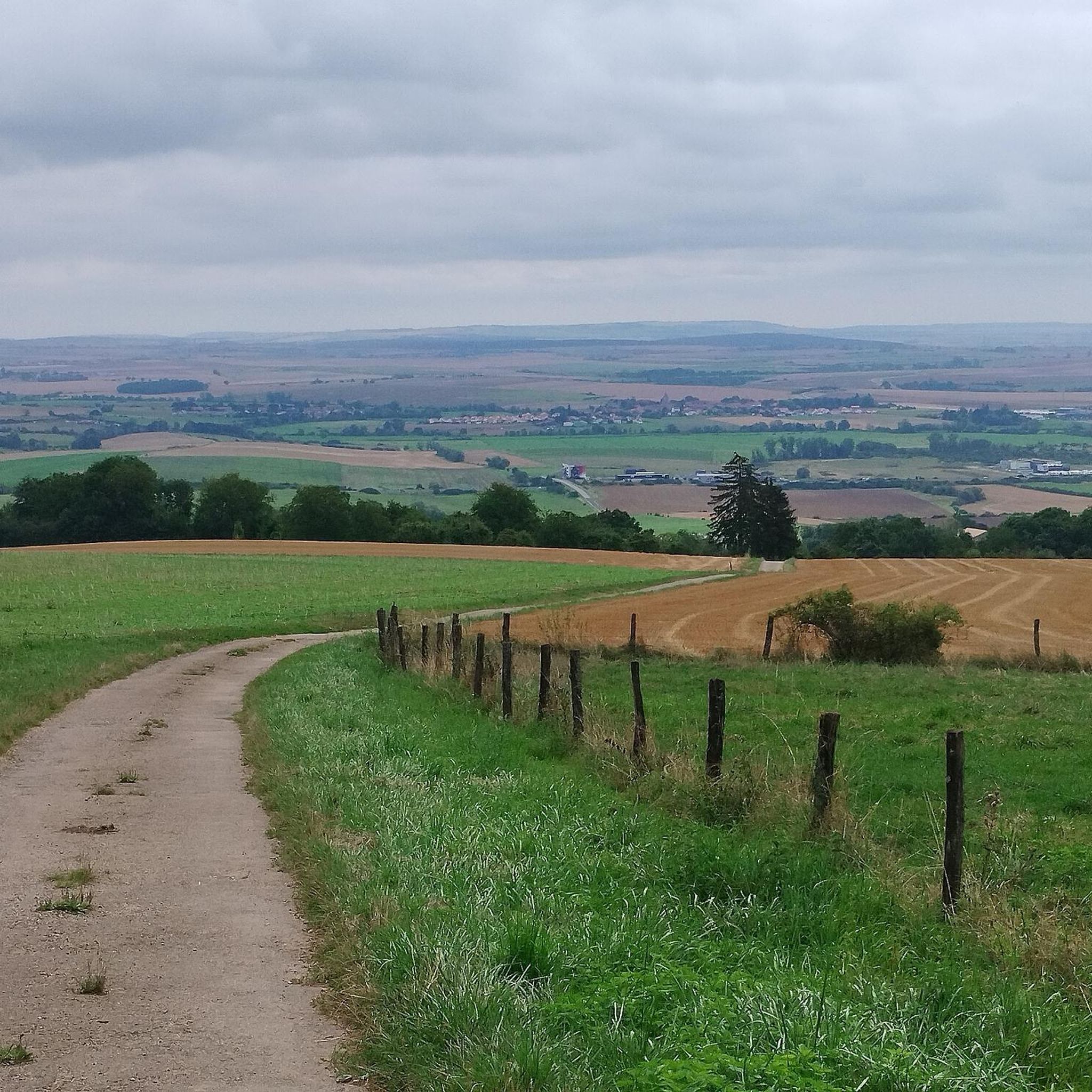
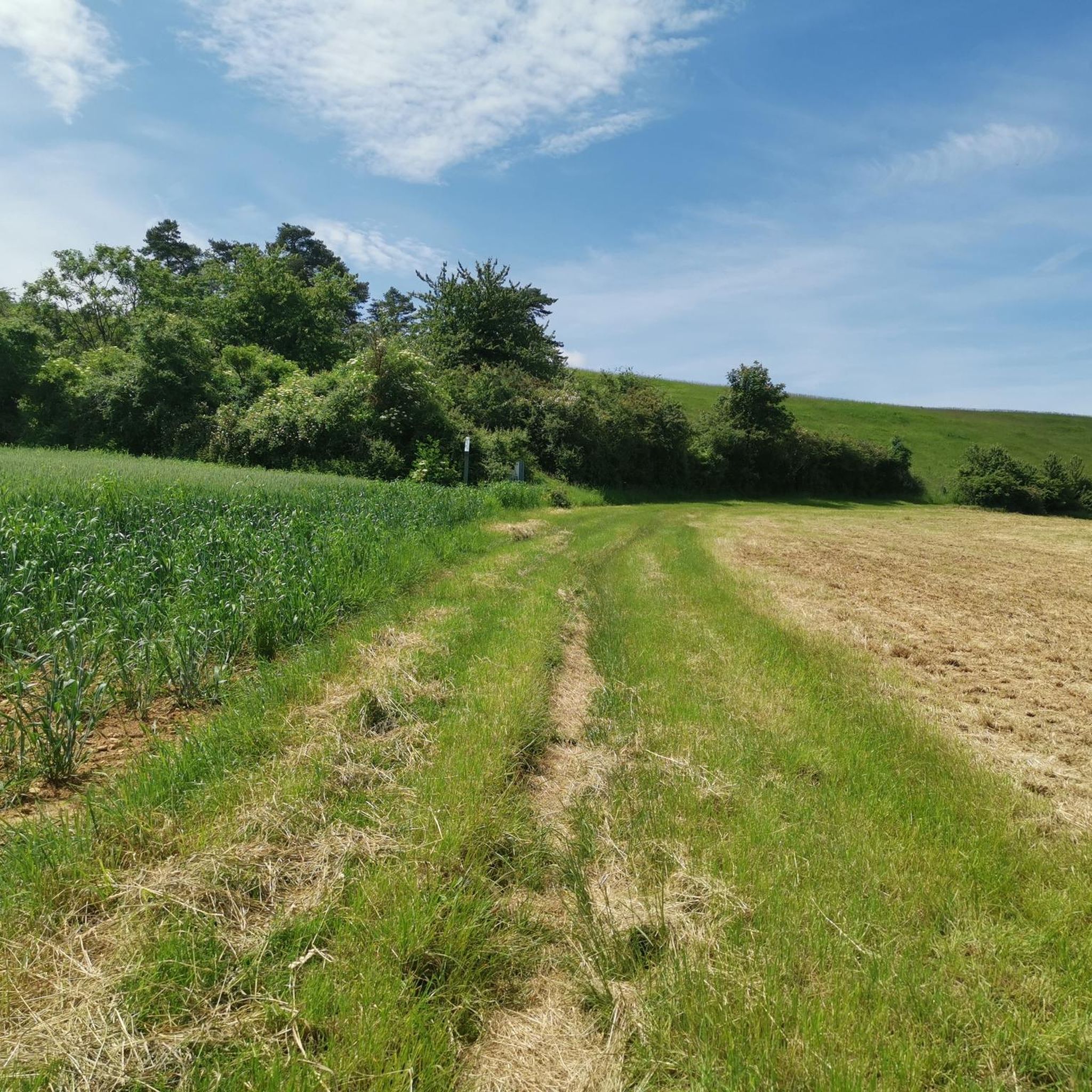
The nature is exceptional, it is dotted with ponds with their small chalets
0
0

The abbey is well worth a visit. I would recommend spending the night in this unique setting.
3
0
An overnight stay at the abbey is worthwhile, as you sleep in a truly unique setting. We chose the location because it's ideally located for cycling tours along the Moselle to Metz and Nancy.
3
0

At the top of the Butte de Mousson, where the castle of the Counts of Bar once stood, the Chapelle de Lumière has stood since 1961 – a modern chapel made of glass, metal and concrete, designed by architect Robert Parisot. It was built on the site of the old castral chapel, which was destroyed by American bombing in 1944. The chapel is conceived as a "lanterne des morts" – a beacon visible from afar at night, like a lighthouse of memory. The structure is pentagonal, with an open front overlooking the valley. Inside, an expressive statue of Christ in hammered copper, made by sculptor Bernard Mougin, dominates, attached to a cross of metal beams. The floor is laid in Euville stone, and the altar and ambon are carved from Comblanchien stone. The chapel has been recognised as "Architecture contemporaine remarquable" since 2015.
6
0
This imposing 18th-century abbey is one of the finest examples of baroque monastic architecture in Lorraine. Once the headquarters of the Order of the Premonstratensians, the building now houses a cultural centre and a hotel. Situated on the banks of the Moselle, between Metz and Nancy, the abbey offers a unique mix of heritage, art and tranquillity. The gardens, monumental staircase and cloisters are open to the public and are an impressive stop on any bike tour.
8
0
🏰 Pont-à-Mousson – City of bridges, books and baroque Located on the Moselle, between Metz and Nancy, Pont-à-Mousson is a city with deep roots. It was founded around a medieval bridge and became an intellectual centre thanks to the creation of the University of Lorraine in the 16th century. The city has been hit by wars several times, but has always risen again. Today, you can admire the baroque abbey of the Prémontrés, the lively Place Duroc with its Renaissance houses, and Gothic churches such as Saint-Martin and Saint-Laurent. Pont-à-Mousson is also known for its industrial heritage – it is the world centre for cast iron pipes – and for its cultural festivals such as the Mousson d’Été.
8
1
Gothic with a story. Behind the austere façade of this church lies a rich history. Built from the 13th century onwards by the Antonists, an order dedicated to caring for the sick, it was originally the church of a hospital. The architecture is a rare mix of Gothic Rayonnant and Flamboyant, with a unique façade designed by Jacquemin de Lenoncourt, who later also designed Toul Cathedral. In 1574, the church was handed over to the Jesuits, who transformed it into the university church of the newly founded Université de Pont-à-Mousson. In 1840, the church was one of the first buildings in France to be classified as a Monument Historique. Today, it remains a silent witness to religious, intellectual and architectural history – and a haven of peace in the heart of the city.
7
0

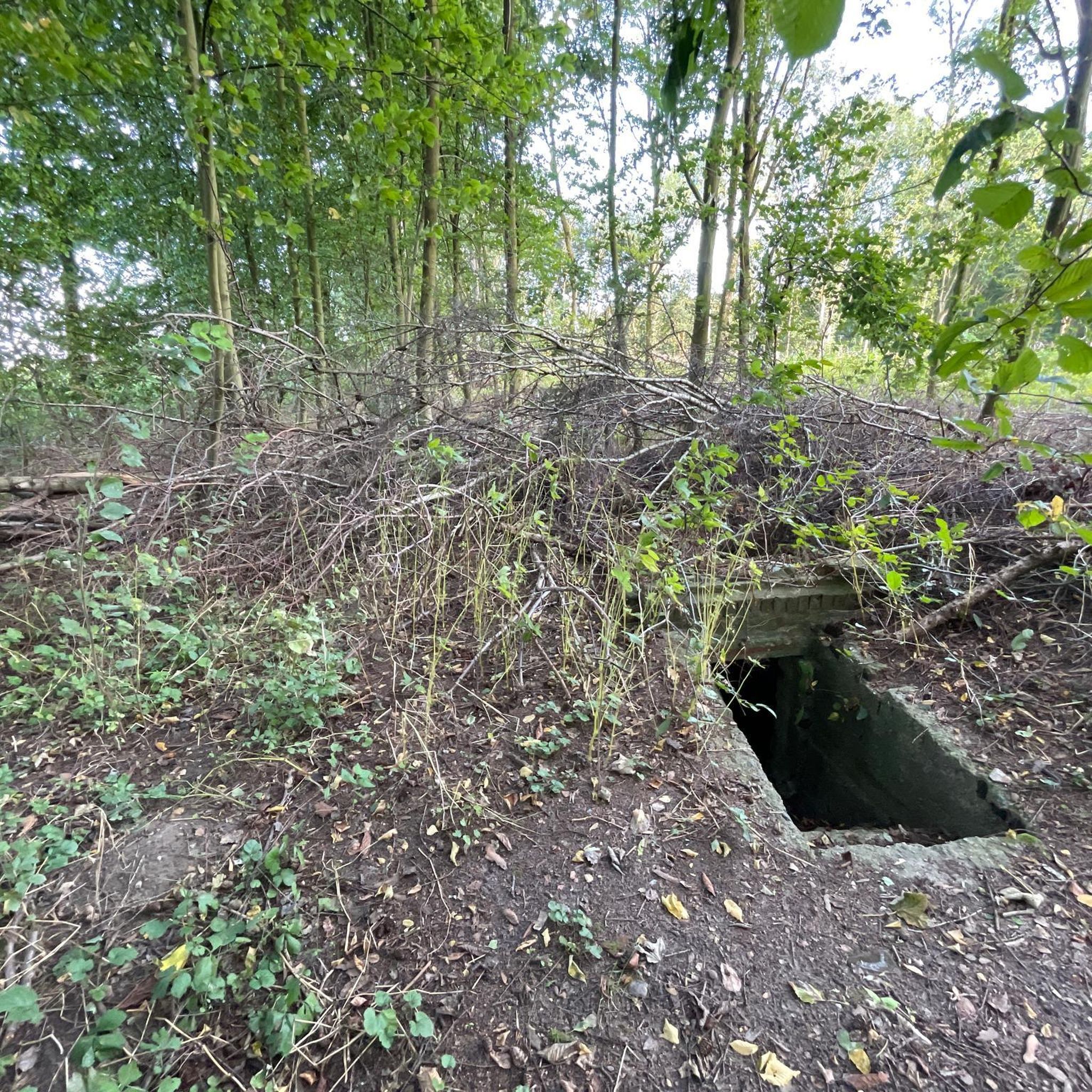
Amazing islands of nature in the middle of a very anthropized area.
1
0
Frequently Asked Questions
What historical sites can I explore around Louvigny?
The area around Louvigny, particularly near Pont-à-Mousson, is rich in history. You can visit the impressive Premonstratensian Abbey Pont-à-Mousson, a significant Baroque monastery complex in Lorraine. Another notable historical site is St. Martin's Church, known for its Gothic architecture and rich past, originally built by the Antonists.
Are there any family-friendly attractions near Louvigny?
Yes, several attractions are suitable for families. The Pont-à-Mousson Town Centre offers a pleasant environment to explore with its Renaissance houses and Gothic churches. The Premonstratensian Abbey Pont-à-Mousson and St. Martin's Church are also listed as family-friendly, providing cultural and historical insights for all ages.
What outdoor activities are available along the Moselle river near Louvigny?
The Moselle river offers excellent opportunities for outdoor activities. You can enjoy cycling along the scenic route known as Along the Moselle, which is praised for its tranquility and beautiful places. For more structured cycling, consider routes like the 'Along the Moselle – Moselle Riverside Path' or 'Along the Moselle – Canal Path (La Voie Bleue)' for road cycling, or various gravel and MTB routes available in the area. You can find more details on these routes in the Road Cycling Routes around Louvigny guide.
What is the best way to experience the natural beauty of the Moselle river?
The best way to experience the natural beauty of the Moselle river is by following the dedicated scenic route Along the Moselle. This path is ideal for cycling and offers continuous views of the river landscape. Many visitors highlight its tranquility and the picturesque spots along the way.
Are there any cycling routes suitable for different skill levels near Louvigny?
Yes, the area provides a variety of cycling routes. For road cycling, you can find routes ranging from 'easy' to 'difficult', such as the 'Gélot Bridge – Pont-à-Mousson Town Centre loop' which is an easy 31 km ride. Mountain biking and gravel biking options are also available with routes of varying difficulties. Explore guides like Gravel biking around Louvigny and MTB Trails around Louvigny for more options.
What makes Pont-à-Mousson Town Centre a significant place to visit?
Pont-à-Mousson Town Centre is a settlement with deep historical and cultural significance. It's known for its Baroque abbey, Renaissance houses, and Gothic churches like Saint-Martin and Saint-Laurent, all situated beautifully on the Moselle river. It was historically an intellectual center with the University of Lorraine and has a rich industrial heritage.
What do visitors particularly enjoy about the Premonstratensian Abbey Pont-à-Mousson?
Visitors are often impressed by the monumental architecture of the Premonstratensian Abbey Pont-à-Mousson. Its exterior is very striking, and the abbey is considered one of the most important monastery complexes in Lorraine. Many appreciate the elegant cloisters, the serene garden, and the impressive façade, noting it as a place where history becomes tangible. The unique round and oval staircase is also a highlight for some.
Is there public transport available to reach attractions around Louvigny?
While specific public transport details for each attraction are not provided, Louvigny (Moselle) is situated between the cities of Metz and Nancy. These larger cities typically offer public transport connections, and local services might connect to Pont-à-Mousson where many of the key attractions are located. It's advisable to check local transport schedules for the most up-to-date information.
What is the best season to visit the attractions around Louvigny?
The region's natural river landscapes and outdoor activities, such as cycling along the Moselle, are generally best enjoyed during the warmer months, from spring through early autumn (April to October). This allows for comfortable exploration of the town centers, historical sites, and scenic routes. However, historical buildings like the Premonstratensian Abbey can be visited year-round.
Are there any specific tips for cycling along the Moselle?
Yes, for cycling along the Moselle, especially on the Along the Moselle route, visitors recommend using the Charles le Téméraire bike route from Metz to Arnaville. The track next to the Moselle is new and well-maintained, making it very suitable for road bikes. It's known for its absolute tranquility and beautiful places.
Can I find any unique architectural features in the churches around Louvigny?
Absolutely. St. Martin's Church in Pont-à-Mousson is a prime example, showcasing a rare mix of Gothic Rayonnant and Flamboyant styles. It features an impressive façade designed by Jacquemin de Lenoncourt and is notable for its rich history as a hospital church and later a university church. The Premonstratensian Abbey is also a masterpiece of Lorraine Baroque architecture.
Most popular routes around Louvigny

Get inspired with the komoot mobile app


Explore more
Still not found the Highlight you’re looking for? See guides of the top attractions in other regions:
