Attractions and Places To See around Saint-Fiacre - Top 20
Best attractions and places to see around Saint-Fiacre are primarily found in the Seine-et-Marne department, near Paris. This region is characterized by its historical significance, including its association with Saint Fiacre himself, and proximity to notable cultural landmarks. Visitors can explore a mix of historical towns, religious architecture, and scenic waterways. The area offers opportunities to discover sites ranging from ancient cathedrals to tranquil towpaths.
Best attractions and places to see around Saint-Fiacre
- The most popular attractions is Meaux Cathedral…
Last updated: October 18, 2026
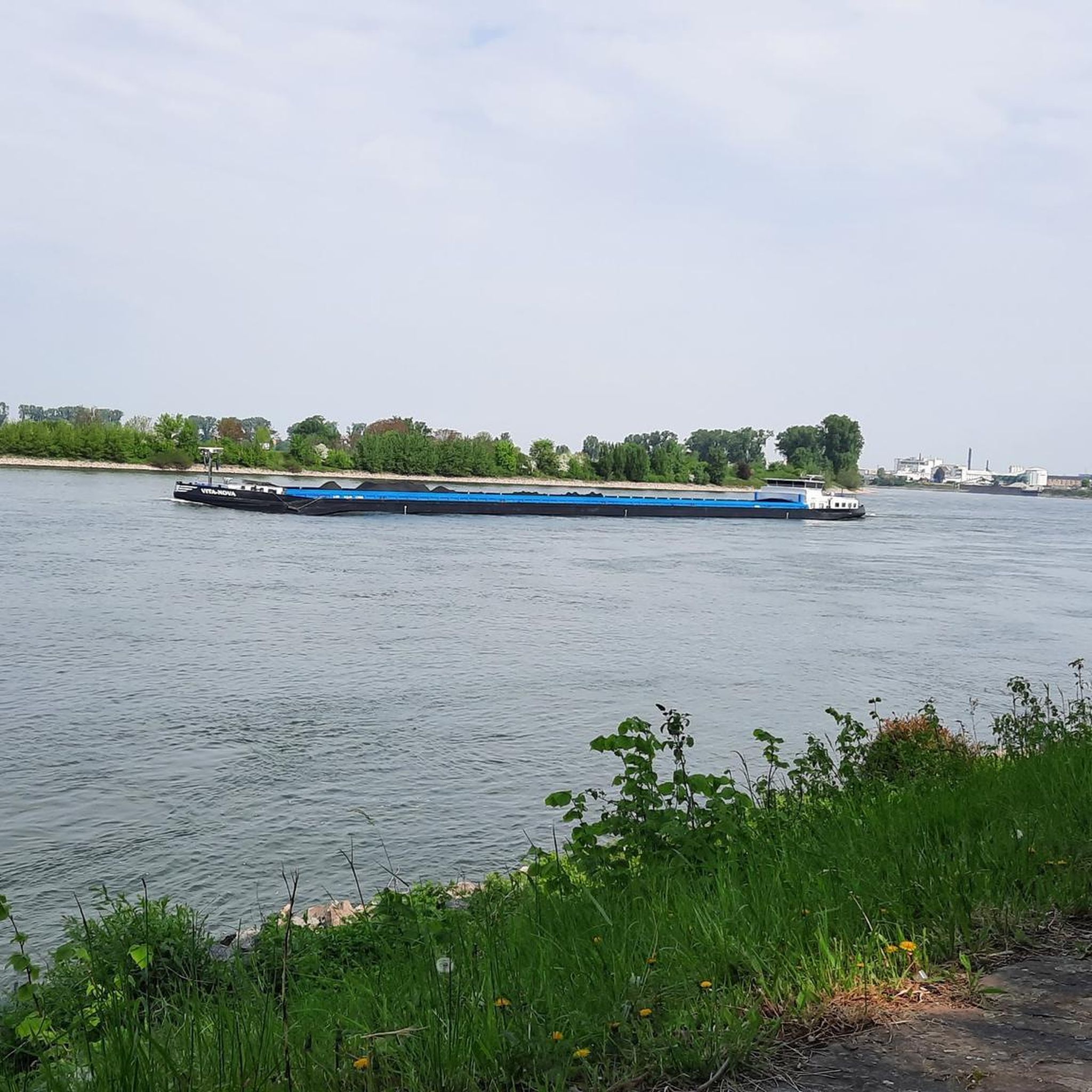
Ourcq Towpath
Highlight • Trail
Translated by Google •
Tip by

Meaux Cathedral
Highlight • Religious Site
Translated by Google •
Tip by

Sign up now to discover places like this
Get recommendations on the best single tracks, peaks, & plenty of other exciting outdoor places.
Ourcq Canal
Highlight (Segment) • Other
Translated by Google •
Tip by
Collégiale Notre-Dame de Crécy-la-Chapelle
Highlight • Religious Site
Translated by Google •
Tip by

Coulommes Oil Pump Jack
Highlight • Monument
Translated by Google •
Tip by

Sign up for free to discover even more attractions around Saint-Fiacre.
Already have an account?
Start today with a free account
Your next adventure awaits.

Tips from the Community

This is clearly a former towpath (also known as a "chemin de halage"), running alongside the canal bed, parallel to the man-made waterway. In earlier times, such paths were an indispensable part of the transportation infrastructure. Before ships could be propelled by motors, horses walked along the banks, pulling the vessels against the current. This was called "treideln," and that's how towpaths got their name, which has been passed down to this day. Where these paths, running close to the banks, have been preserved, they are popular with hikers, walkers, joggers, and cyclists.
0
0

Yes, bicycles are prohibited. This is completely ridiculous.
0
0

Roman Catholic cathedral built in the Gothic style between the 12th and 16th centuries AD. It has the title of a minor basilica and is dedicated to St. Stephen.
0
0

Regarding the ban on bicycles on the banks of the canal and the people (Sunday walkers) who are complaining: this is a warning from the City of Paris (and not from the police, who have no jurisdiction) in case an accident occurs, it is a "discharge of liability". You should know that the canal is maintained all year round (mowing, strengthening the banks, pruning) with many vehicles present (trucks, tractors, excavators). They have priority, they are working and are not likely to let you pass if they want, for service reasons. So at that moment, you will be told that yes, there are prohibition signs and that you are not supposed to be there for your leisure. That said, as usual, common sense, politeness and respect for others will resolve 95% of potential conflicts, no point in crying scandal without knowing...
2
0

Located a few steps from a bend in the Grand Morin, the Collegiate Church of Notre-Dame-de-l'Assomption, in the former hamlet of La Chapelle-sur-Crécy, is reputed to be the second most beautiful church in Brie. Just after the imposing Saint-Etienne Cathedral in Meaux Built in the 13th century, it has unique architectural elements such as an apse vault composed of 12 branches that gives a lot of lightness to the interior of the building. With a total height of 19m under the keystone, the walls of the building have three successive rows of windows and stained glass windows, giving the interior of the building an incomparable luminosity. Located on the edge of the old Nationale 34, the royal road, the Collegiate Church of Notre-Dame-de-l'Assomption still dominates the valley of the Grand Morin and the small washhouse of the Vaudessard stream. Rarely open to the public, even if its interior remains visible, it occasionally serves as a concert hall.
0
0

Magnificent Ourcq canal that starts from Paris and ends in Silly-La-Poterie in the Aisne department and crosses 5 departments. It takes about 110 kilometers to connect it from start to finish, but it is definitely worth doing.
0
0

Nice perspective of the emblem of the former oil activity with its church.
0
0
Superb cathedral not to be missed!
0
0
Frequently Asked Questions
What historical sites can I explore around Saint-Fiacre?
The region around Saint-Fiacre in Seine-et-Marne is rich in history. You can visit the impressive Meaux Cathedral, a Gothic architectural marvel comparable to Notre Dame. Another significant historical monument is the Collégiale Notre-Dame de Crécy-la-Chapelle, a 13th-century Gothic church known for its unique apse vault. Additionally, the village of Saint-Fiacre itself has historical ties to Saint Fiacre, who established a hermitage and hospice here in 628 AD.
Are there any family-friendly attractions in the Saint-Fiacre area?
Yes, several attractions are suitable for families. The Meaux Cathedral is a fascinating historical and architectural site that can engage older children. The charming settlement of Crécy-la-Chapelle – The Venice of Brie, with its canals and historical houses, offers pleasant strolls for all ages. For a unique historical insight, the Coulommes Oil Pump Jack commemorates the region's oil discovery and can be an interesting stop.
Where can I find natural settings for walks or outdoor activities?
For a peaceful outdoor experience, the Ourcq Towpath offers a scenic route along the canal, perfect for walks in a natural setting. While bicycles are prohibited in the Meaux section, it's an excellent spot for a leisurely stroll. The area also features several gardens and parks, such as the Domaine national de Champs-sur-Marne and the Parc Floral de Paris, which are within a reasonable distance.
What kind of outdoor activities can I do around Saint-Fiacre?
The region offers various outdoor activities. You can explore numerous hiking trails around Saint-Fiacre, including routes like the 'View of the Marne River loop from Trilport' or the 'Lavoir Saint-Fiacre loop from Boutigny'. For cyclists, there are cycling routes and even gravel biking opportunities, such as the 'Moulin de Voulangis – Nice quay for a break loop from Meaux'.
What is unique about Crécy-la-Chapelle?
Crécy-la-Chapelle is often called 'The Venice of Brie' because it is crossed by the Grand Morin river and features three canals, bridges, mills, and traditional Briard houses. Its picturesque, bucolic setting has historically attracted many artists, including famous painters like Corot, Toulouse Lautrec, and Van Gogh, making it a charming destination for art and history enthusiasts.
What is the significance of the Coulommes Oil Pump Jack?
The Coulommes Oil Pump Jack is a unique man-made monument that commemorates the first oil discovery in Seine-et-Marne on February 22, 1958. This site highlights a lesser-known aspect of French industrial history, as the Paris Basin was one of the areas where oil production took place, contributing to France's aim for oil self-sufficiency in the mid-20th century.
What do visitors particularly enjoy about the attractions around Saint-Fiacre?
Visitors frequently praise the architectural grandeur of sites like Meaux Cathedral, noting its impressive Gothic design and the serene atmosphere. The natural beauty and peacefulness of the Ourcq Towpath are also highly appreciated for walks. The historical charm and artistic heritage of Crécy-la-Chapelle also receive positive feedback from those who enjoy strolling through its unique setting.
Are there any notable châteaux or grand estates nearby?
Yes, within a reasonable distance from Saint-Fiacre, you can find several significant châteaux. The beautifully restored 18th-century Château de Champs-sur-Marne, with its extensive gardens, is about 27 km away. Further afield, but still accessible, is the historical royal residence of Château de Vincennes, located approximately 39 km from Saint-Fiacre.
What is the historical connection of Saint-Fiacre to the saint himself?
The region around Meaux, where this Saint-Fiacre is located, holds significant historical ties to Saint Fiacre. After fleeing Ireland, Saint Fiacre was granted land near Meaux by Bishop Saint Faro in 628 AD. Here, he established a hermitage, a garden for herbs, a chapel, and a hospice for travelers, which eventually led to the development of the village. His shrine near Meaux remains a pilgrimage site, and a chapel dedicated to him can be found in the apse of the Grand Cathedral of Meaux.
Can I visit other famous Parisian landmarks from Saint-Fiacre?
While Saint-Fiacre offers its own unique charm, many iconic Parisian landmarks are within a reasonable distance for a day trip. These include the Basilica of Saint-Denis (43km), Notre Dame Cathedral (45km), Sainte-Chapelle (45km), Conciergerie (45km), and the Pantheon (45km), offering a wide range of historical and cultural experiences.
What makes Meaux Cathedral a must-see attraction?
Meaux Cathedral is a prominent religious building renowned for its impressive Gothic architecture, featuring grand arches and statues that evoke a sense of awe, often compared to the Notre Dame Cathedral in Paris. Its interior is particularly noted for the height of its arches and the quality of light. Adjacent to the cathedral, you can also explore the beautiful Bossuet garden and the Bishop's Palace, which now houses the Bossuet Museum.
Is the Collégiale Notre-Dame de Crécy-la-Chapelle regularly open to the public?
The Collégiale Notre-Dame de Crécy-la-Chapelle is a historical monument and a Gothic jewel. While its interior remains visible, it is rarely open to the public for regular visits. However, it occasionally serves as a concert hall, offering a unique opportunity to experience its magnificent architecture and acoustics.
Most popular routes around Saint-Fiacre

Get inspired with the komoot mobile app


Explore more
Still not found the Highlight you’re looking for? See guides of the top attractions in other regions:
