The 8 Most Amazing Peaks around Clelles
Mountain peaks around Clelles are situated in the Isère department of France, offering a dramatic landscape within the Vercors Regional Natural Park. The region is characterized by its limestone massifs and diverse terrain, providing various outdoor opportunities. Clelles serves as a base for exploring prominent peaks and passes in the French Prealps. The area features a range of elevations and geological formations, including distinctive buttes and high plateaus.
Best mountain peaks around Clelles
- The most popular mountain peaks is Grand…
Last updated: June 17, 2026
Grand Veymont
Highlight • Summit
Translated by Google •
Tip by

Col de l'Allimas
Highlight • Mountain Pass
Translated by Google •
Tip by

Sign up now to discover places like this
Get recommendations on the best single tracks, peaks, & plenty of other exciting outdoor places.
Sign up for free
Bachassons Pass
Highlight • Summit
Translated by Google •
Tip by

Jocou Mountain
Highlight • Summit
Translated by Google •
Tip by

Mont Barral
Highlight • Summit
Translated by Google •
Tip by
Sign up for free to discover even more peaks around Clelles.
Sign up for free
Already have an account?
Start today with a free account
Your next adventure awaits.
Login or Signup
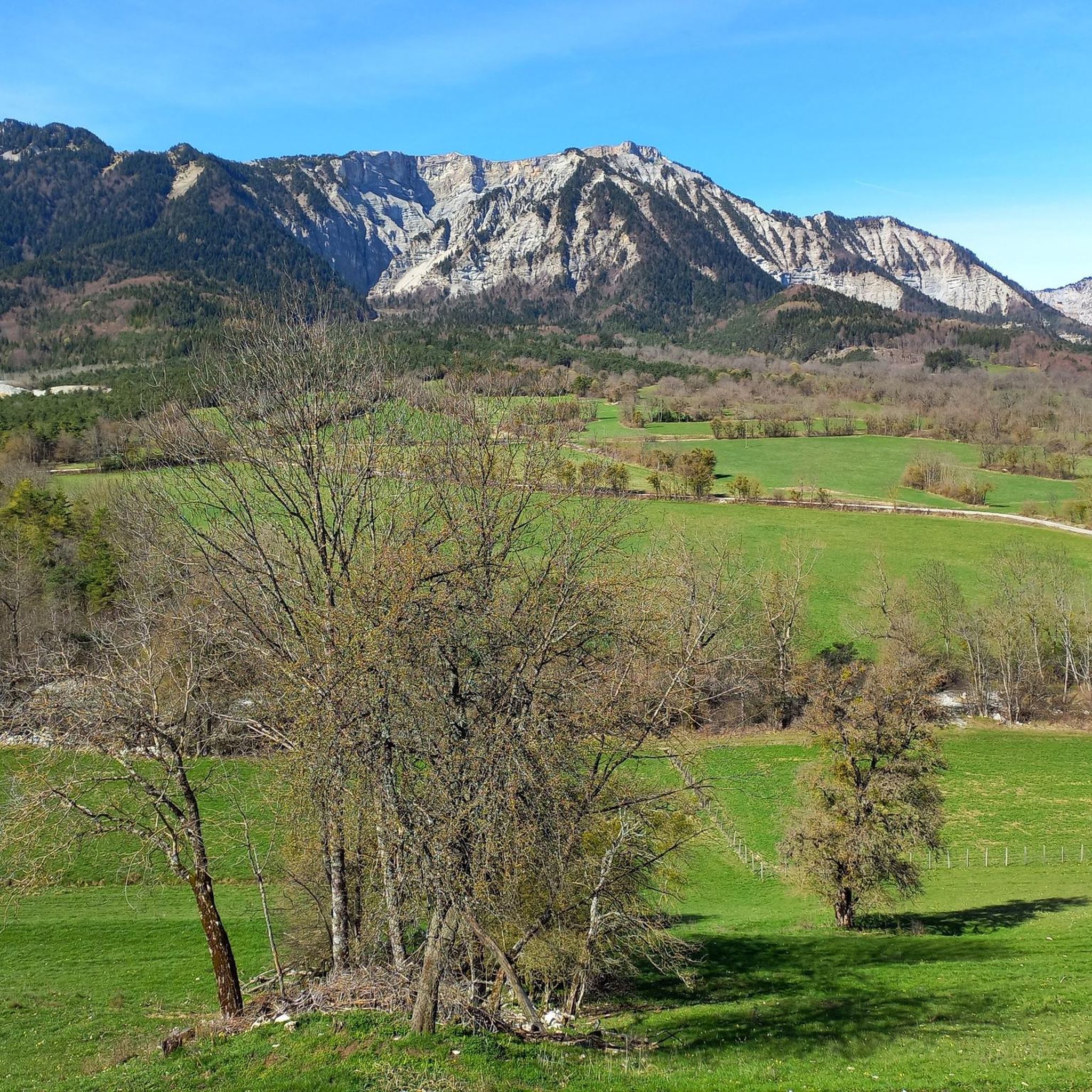
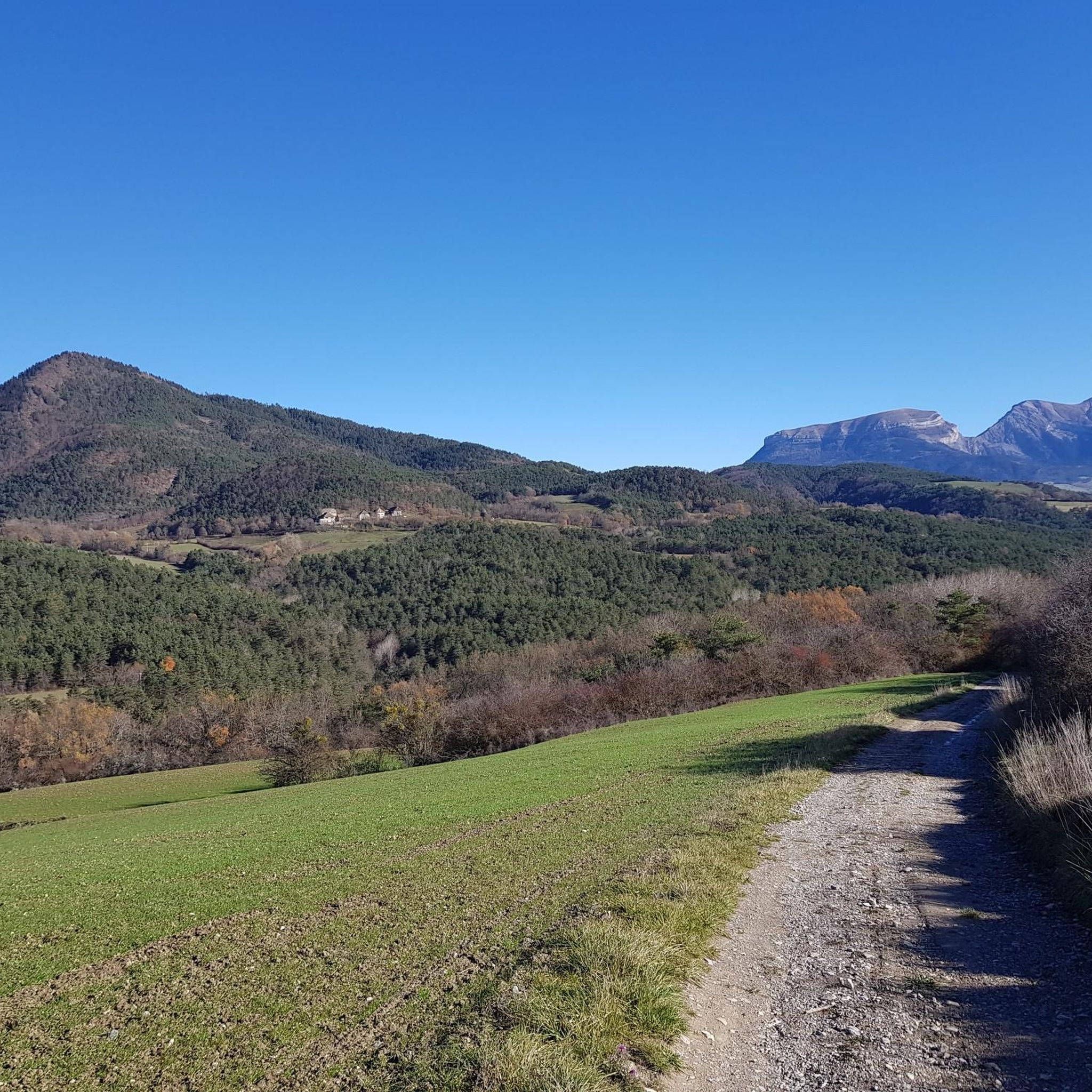
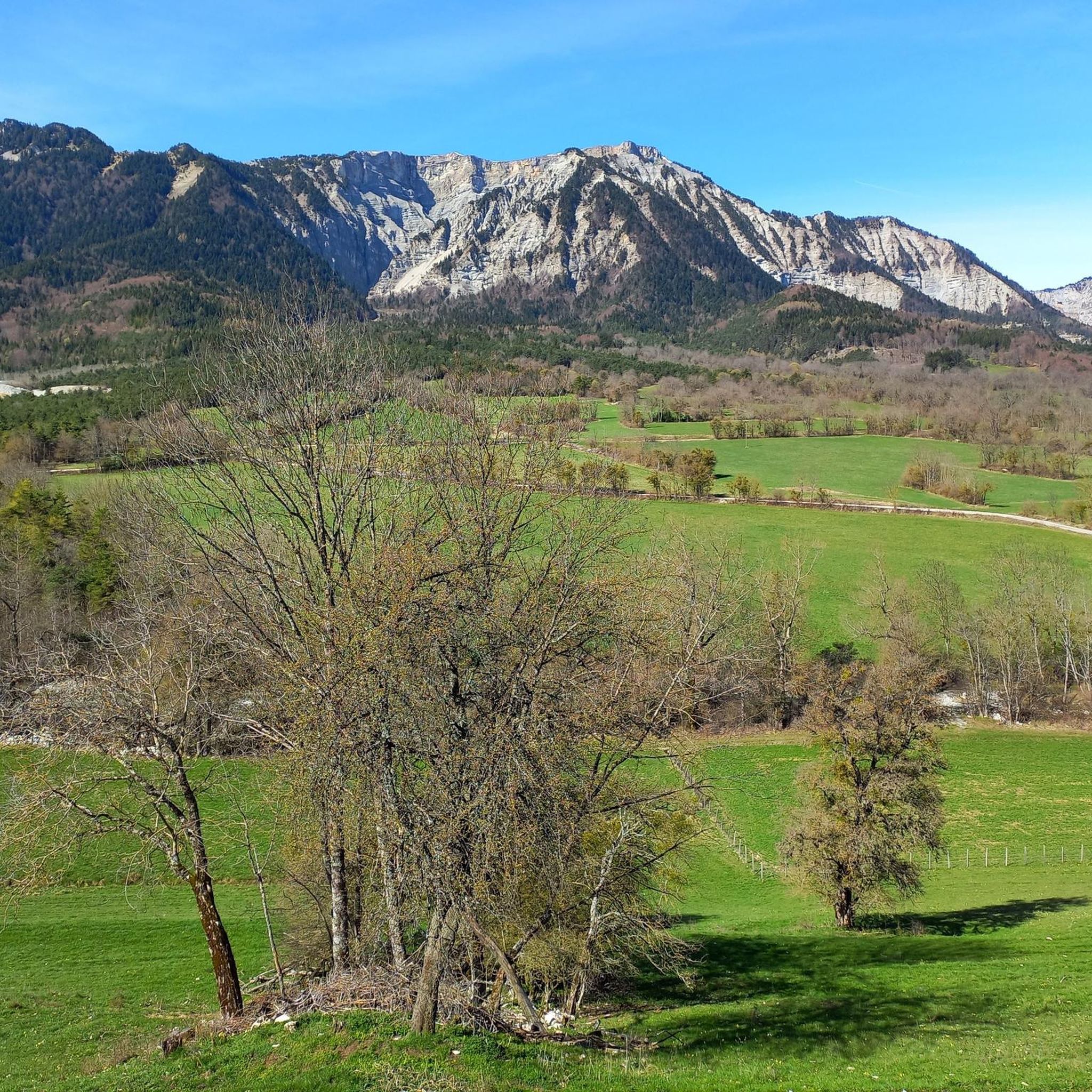
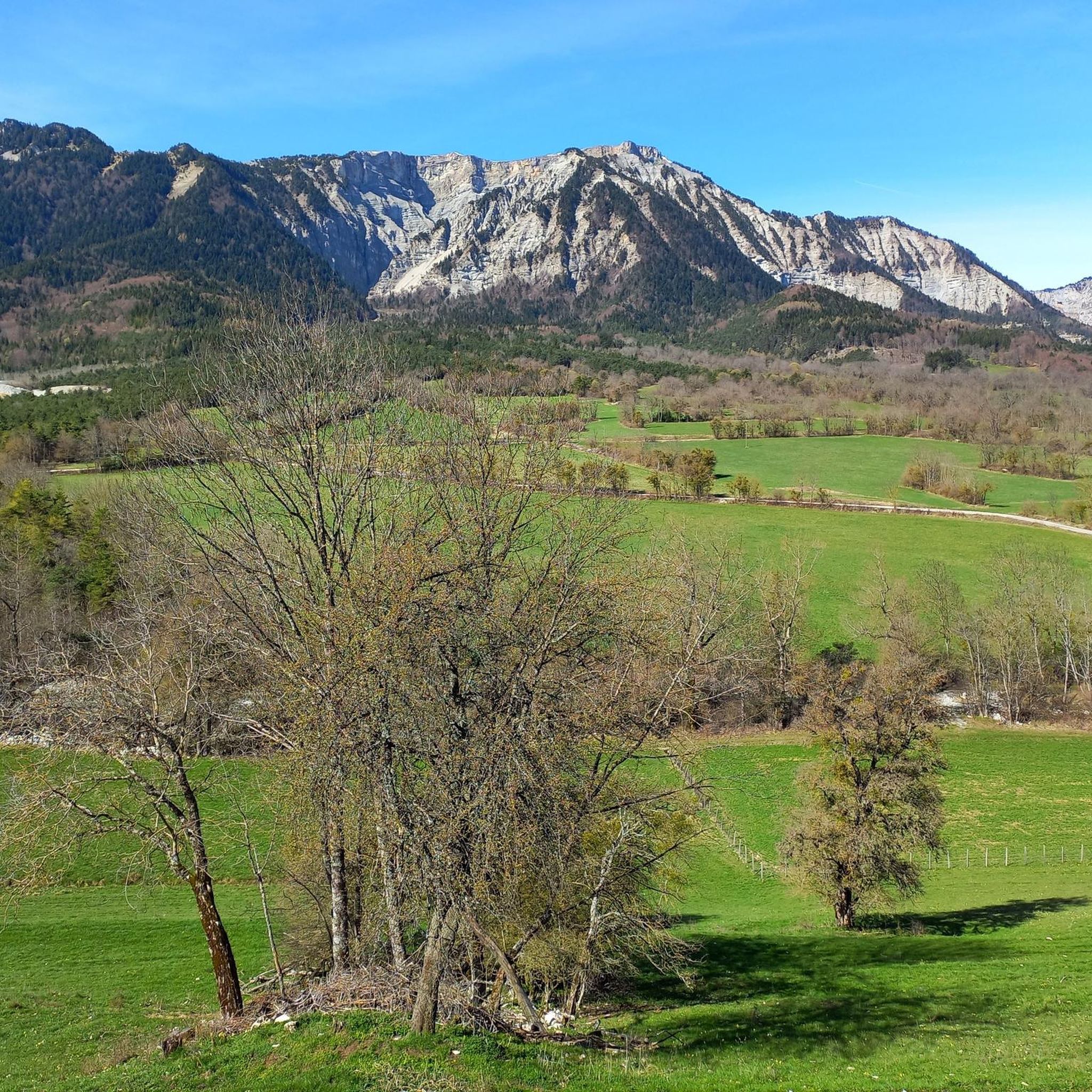
Tips from the Community

From Saint-Michel-les-Portes, it's about 7 km at an average gradient of 8%. The last few kilometers often reach double digits. A cruel climb if it's the last one of your day...
0
0

Beautiful view and nice place with a table
0
0

As pretty at the top as at the bottom, lots of ways to get to the top, accessible for all levels (not technical but lots of elevation gain depending on your starting point) but it's worth it!
1
0

Whether you're on gravel or mountain bike, this is a must-do for the many trails, paths, and roads that surround it. And the view of Mont-Aiguille 🤩
0
0

The Col de l’Allimas – 1352 m – is a pass located to the east of the Vercors Massif but it is an isolated pass because it does not allow you to reach the interior of the massif. On the other hand, it offers one of the most beautiful views of the massif with the remarkable peaks of the Grand Veymont and Mont Aiguille. Source: alpes4ever
0
0

We wanted to do this loop. But after the summit going towards the "Col de Seysse" we followed the Komoot route which directed us to the ridge. At one point the path got lost, and we would have had to go down very steep and very exposed ravines. We gave up and went back on our tracks. Another serpentine path, next to the ridge is closed because of the pasture. As a result this "Loop" is not recommended and should be removed from Komoot!
1
0

The Col de l'Allimas, located at 1,354 meters, offers two possible climbs. From Saint-Guillaume, you have to climb 13.6 kilometers at an average of 5.2 kilometers. From Saint-Michel-les-Portes, the gradient is 5.4% over 10 kilometers.
0
0

The fountain is located just below, one of the rare water points on the heights
1
0
Frequently Asked Questions
What are some of the most prominent mountain peaks to explore near Clelles?
Clelles is surrounded by several notable peaks. Grand Veymont is the highest point of the Vercors, offering extensive views and opportunities to spot ibexes. Another iconic peak is Mont Aiguille, known for its distinctive limestone mesa and historical significance in mountaineering. While the ascent of Mont Aiguille is technical, its majestic presence can be admired from various hiking trails around Clelles.
Are there challenging mountain hikes available near Clelles?
Yes, for experienced trekkers seeking a significant challenge, Tête Chevalière offers a demanding hike with considerable elevation gain, requiring very good fitness and sure-footedness. Similarly, Grand Veymont is considered a challenging summit, rewarding hikers with stunning 360-degree views.
What kind of panoramic views can I expect from the peaks around Clelles?
Many peaks and passes near Clelles offer breathtaking panoramic views. From Grand Veymont, you can enjoy extensive vistas of the Alps and the Vercors plateaus. Platary Summit provides a 360-degree view of the Vercors, Dévoluy, and Taillefer mountains. Even from Col de l'Allimas, you get beautiful views of the Vercors Massif, including Grand Veymont and Mont Aiguille.
Can I spot wildlife while hiking in the mountains near Clelles?
Yes, the Vercors region is known for its rich fauna. Visitors to Grand Veymont frequently report seeing ibexes and marmots. The Hauts-Plateaux du Vercors, accessible via passes like Bachassons Pass and Pas de la Ville Pass, are protected areas where calm is recommended to observe the diverse wildlife.
Are there any mountain passes near Clelles that offer great viewpoints?
Absolutely. Col de l'Allimas, located at 1,354 meters, provides one of the most beautiful views of the Vercors Massif, including Grand Veymont and Mont Aiguille. Pas de la Ville Pass, perched at 1,925 meters, serves as an entry to the Hauts-Plateaux du Vercors and offers views extending to the peaks of the Parc des Écrins.
What are some popular hiking routes near Clelles?
The region around Clelles offers a variety of hiking routes. For challenging options, consider the hike to Tête Chevalière or Platary Ridge. If you're looking for moderate trails, the Platary Summit – Chichilianne loop is a good choice. You can find more details and routes in the Hiking around Clelles guide.
Can I go mountain biking or gravel biking near the peaks of Clelles?
Yes, the area around Clelles is well-suited for cycling. There are numerous trails for mountain biking, such as the 'Chichilianne – View of Mont Aiguille loop'. For gravel biking, you might enjoy routes like the 'Col de l'Allimas – Fau Pass loop'. Explore more options in the MTB Trails around Clelles guide or the Gravel biking around Clelles guide.
What is special about Mont Aiguille near Clelles?
Mont Aiguille is a truly unique limestone mesa, often called the 'crown jewel' of the Vercors Regional Natural Park. Standing at 2,087 meters, its steep cliffs give it a striking, isolated appearance. It holds historical significance as the site of one of the earliest recorded mountaineering ascents in 1492. While the summit is a technical climb, its grandeur can be appreciated from many surrounding trails and viewpoints, such as those near the hamlet of Trézanne.
Are there any less strenuous options for enjoying the mountain scenery around Clelles?
Yes, while many peaks offer challenging climbs, you can still enjoy the stunning mountain scenery without extreme exertion. For example, the Mont Aiguille can be admired from various trails that circle its base, such as the 'Les facettes du Mont-Aiguille' itinerary. Additionally, some routes to Platary Summit are considered moderate, offering extensive panoramic views without requiring the highest fitness levels. Easy hiking routes like the 'Ebron Footbridge – Pont de Brion loop' are also available.
What makes Jocou Mountain a worthwhile visit?
Jocou Mountain offers magnificent views once you reach its summit pastures. From there, you can take in the landscapes of the Trièves, the Vercors massif, and the Dévoluy massif. On a clear day, it's even possible to see Mont Ventoux in the distance, making it a rewarding destination for those who enjoy expansive vistas.
What is the best time of year to visit the mountain peaks around Clelles?
The best time to visit the mountain peaks around Clelles for hiking and outdoor activities is generally from late spring to early autumn (May to October). During these months, the weather is typically milder, and trails are more accessible. Some higher passes and peaks may still have snow earlier in spring or later in autumn. Winter offers opportunities for snowshoeing or ski touring, but requires specific equipment and experience.
Most popular routes around Clelles
Most popular attractions around Clelles

Get inspired with the komoot mobile app


Explore more
See even more amazing summits around Clelles with these guides:
