Attractions and Places To See around Naours - Top 4
Best attractions and places to see around Naours include a unique blend of historical, cultural, and natural sites in Northern France. The village is primarily known for its extensive underground city, a significant historical refuge. Beyond this, visitors can explore other landmarks and natural features, offering diverse experiences.
Best attractions and places to see around Naours
- The most popular attractions is Naours Underground City, an immense network of underground galleries and chambers carved into limestone. Originally a chalk quarry,…
Last updated: July 1, 2026
Naours Underground City
Highlight • Other
Translated by Google •
Tip by

Château de Bertangles
Highlight • Castle
Translated by Google •
Tip by

Sign up now to discover places like this
Get recommendations on the best single tracks, peaks, & plenty of other exciting outdoor places.
Sign up for free
Along the Old Railway Line in the Woods
Highlight (Segment) • Trail
Translated by Google •
Tip by

Murals of the Church and School in Naours
Highlight • Monument
Translated by Google •
Tip by

Start today with a free account
Your next adventure awaits.
Login or Signup


Tips from the Community

Stunning trompe-l'œil murals offer a subtle tribute to the Polish airmen who fell in the area during World War II. Near the church, you'll find a collection of old photographs and information about Naours as it once was. Don't forget to look at the street signs, some of which also include the name in Picard dialect – a rare find!
0
0

Small frescoes on the bridge in front of the church as well as on the large wall next to the school. There are several nods to the city.
1
0

Really great even this spot 👌🏻
0
1

Top !!! I went there today, thanks for the spotting!
0
1

A path along an old railway line covered by vegetation. with a wooded section in the middle. Slightly uneven gravel with a wooded passage in the middle.
1
0

It was built from 1730 to 1734 for Count Louis-Joseph de Clermont-Tonnerre. It was designed by architect Germain Boffrand.
4
1

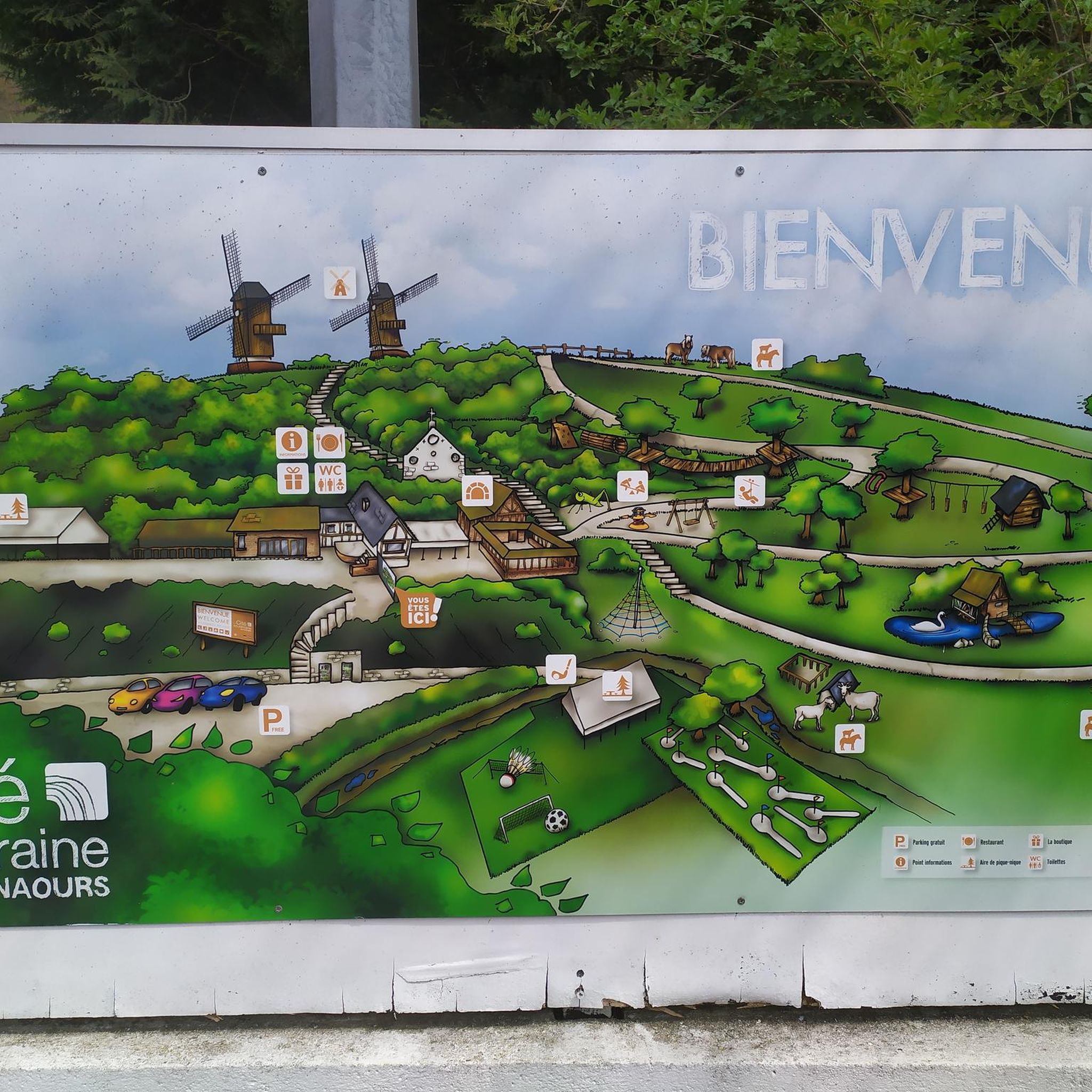
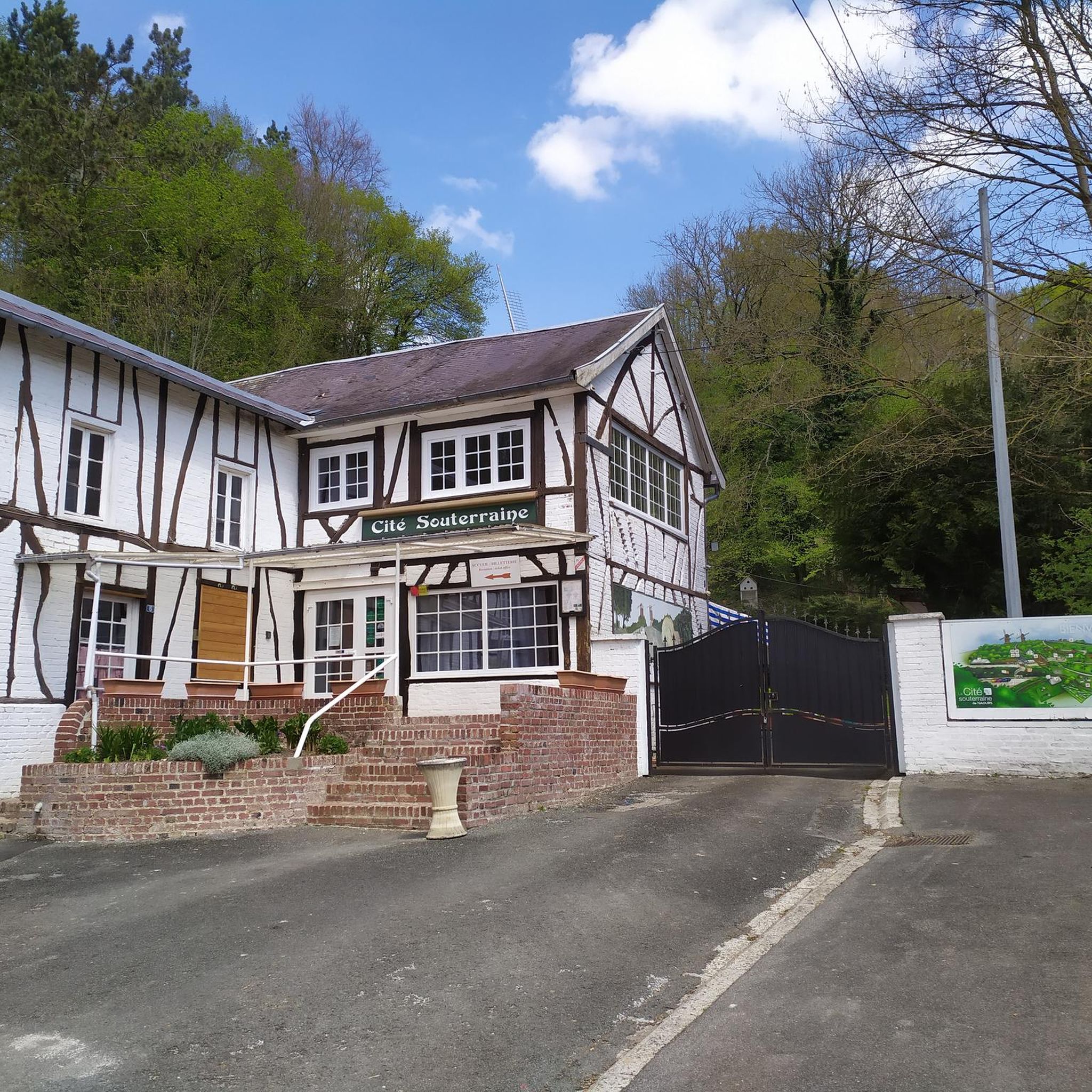
At its origin, the underground of Naours was a chalk quarry used mainly for the tidal range of fields. In the 16th century, it was transformed into a refuge, called "muches" (Picard hiding places), for the inhabitants of the village, their goods and their animals until the end of the 17th century. Fallen into oblivion in the 19th century, the underground city will be rediscovered in 1887, studied from an archaeological point of view and then opened to visitors. An important occupation during the Thirty Years' War has been attested by archeology1. This underground city could shelter nearly 2,000 people. Throughout the galleries are the rooms of the different families. Also noticeable are the stables with the troughs, the ventilation chimneys and the smoke chimneys which stood out in those of the houses. Almost everywhere on the walls there are inscriptions, religious symbols, etc. with dates ranging from the year 1340 to 1792. It was finally used by British soldiers during the Second World War. The visit is worth the detour! Sources: http://www.citesouterrainedenaours.fr/ https://fr.wikipedia.org/wiki/Cit%C3%A9_souterraine_de_Naours https://vimeo.com/169669941
1
0
Frequently Asked Questions
What is the main historical attraction in Naours?
The primary historical attraction is the Naours Underground City. This immense network of underground galleries and chambers was originally a chalk quarry, later expanded to serve as a refuge for up to 3,000 people during invasions, particularly during the Middle Ages and the Thirty Years' War. It also holds significant historical value from World War I.
What can I expect to see inside the Naours Underground City?
Inside the Naours Underground City, you can explore 300 rooms, 28 galleries, chapels, and even a bakery, all carved into the limestone. It could shelter up to 3,000 people and their livestock. A notable feature is the Graffiti Museum, showcasing thousands of inscriptions left by soldiers, particularly from WWI, making it the largest concentration of WWI graffiti on the Western Front. There's also a Museum of Old Crafts and Trades and a Great War Interpretation Center within the complex.
Are there other historical landmarks to explore in Naours?
Beyond the underground city, you can visit Château de Bertangles, a historic castle built between 1730 and 1734. Additionally, the village features the Murals of the Church and School in Naours, which offer unique artistic and historical insights into the town's identity and local history.
What outdoor activities are available around Naours?
Surrounding the Underground City is a 24-acre wooded park, perfect for strolls. Within this park, you'll find an adventure park (Accrobranche/Krobranch) with tree-top activities, two windmills, farm animals, a children's playground, and mini-golf. You can also explore Along the Old Railway Line in the Woods, a trail along a disused railway line now covered by vegetation.
Are there family-friendly attractions in Naours?
Yes, Naours offers several family-friendly options. The estate of the Naours Underground City includes an adventure park, farm animals, a children's playground, and mini-golf. The underground city itself is an engaging historical experience for all ages. The Murals of the Church and School in Naours also provide an interesting visual discovery for families.
Can I find walking or hiking trails near Naours?
Yes, you can enjoy walks such as Along the Old Railway Line in the Woods, which offers a pleasant path through a wooded section. For more extensive options, you can explore various routes in the region. For example, the guide for Gravel biking around Naours also lists routes that can be adapted for walking, such as the 'Rainneville woods – Les Puits Tournants loop from Villers-Bocage'.
What cycling routes are available around Naours?
Naours is a great starting point for cycling. You can find several routes, including easy options like the 'Naours Underground City loop from Naours' in the Cycling around Naours guide. For road cycling, consider the 'Naours Hill towards Flesselles loop from Naours' from the Road Cycling Routes around Naours guide. Gravel biking enthusiasts can explore routes like the 'Bois d'Amour loop from Vignacourt' detailed in the Gravel biking around Naours guide.
What is the best time to visit Naours?
The Naours Underground City maintains a constant temperature of about 9.5 degrees Celsius year-round, making it suitable for visits in any season. For enjoying the outdoor park, adventure activities, and cycling routes, spring, summer, and early autumn offer the most pleasant weather conditions.
Is parking available at the main attractions in Naours?
Yes, parking is generally available at the major attractions, particularly at the Naours Underground City complex, which is the village's main draw and includes a large wooded park and various facilities.
What kind of graffiti can be found in the Naours Underground City?
The Naours Underground City is home to approximately 3,000 examples of graffiti, predominantly left by soldiers during World War I. These inscriptions include names, dates, and symbols from Australian, British, Irish, Scottish, American, and French troops, offering a poignant historical record. An interactive digital display allows visitors to learn about the soldiers' biographies.
Are there any museums in Naours?
Yes, within or alongside the Naours Underground City complex, you can find a Graffiti Museum dedicated to the WWI inscriptions, a Museum of Old Crafts and Trades showcasing the region's history, and a Great War Interpretation Center for deeper historical understanding.
What makes the Naours Underground City historically significant?
The Naours Underground City is historically significant as one of the largest and best-preserved subterranean refuges in Northern France. It served as a hiding place for local inhabitants, their livestock, and harvests during centuries of invasions and wars. Its use by soldiers during WWI, evidenced by thousands of graffiti, adds another layer of profound historical importance.

Get inspired with the komoot mobile app


Explore more
Still not found the Highlight you’re looking for? See guides of the top attractions in other regions:
