Attractions and Places To See around Forest-L'Abbaye - Top 20
Best attractions and places to see around Forest-L'Abbaye include historical sites and natural landscapes within the Baie de Somme nature reserve. This region is situated between land and sea, in a bay recognized globally for its beauty. Visitors can explore areas along the Somme River and its canal, offering scenic viewpoints and opportunities for outdoor activities. The diverse environment provides a range of experiences from historical exploration to tranquil natural settings.
Best attractions and places to see around Forest-L'Abbaye
- The…
Last updated: July 2, 2026
Cycle path along the Canal Somme
Highlight • Other
Translated by Google •
Tip by

Noyelles Castle
Highlight • Monument
Translated by Google •
Tip by

Sign up now to discover places like this
Get recommendations on the best single tracks, peaks, & plenty of other exciting outdoor places.
Sign up for free
Caudron Brothers' Stele
Highlight • Monument
First flight in 1909 aboard an aircraft designed and built by them.
Translated by Google •
Tip by

Somme Bay Nature Reserve
Highlight • Other
Translated by Google •
Tip by

Kanal der Somme
Highlight • Other
If the sun is out, your end of the stage will be all the more beautiful.
Translated by Google •
Tip by

Sign up for free to discover even more attractions around Forest-L'Abbaye.
Sign up for free
Already have an account?
Start today with a free account
Your next adventure awaits.
Login or Signup
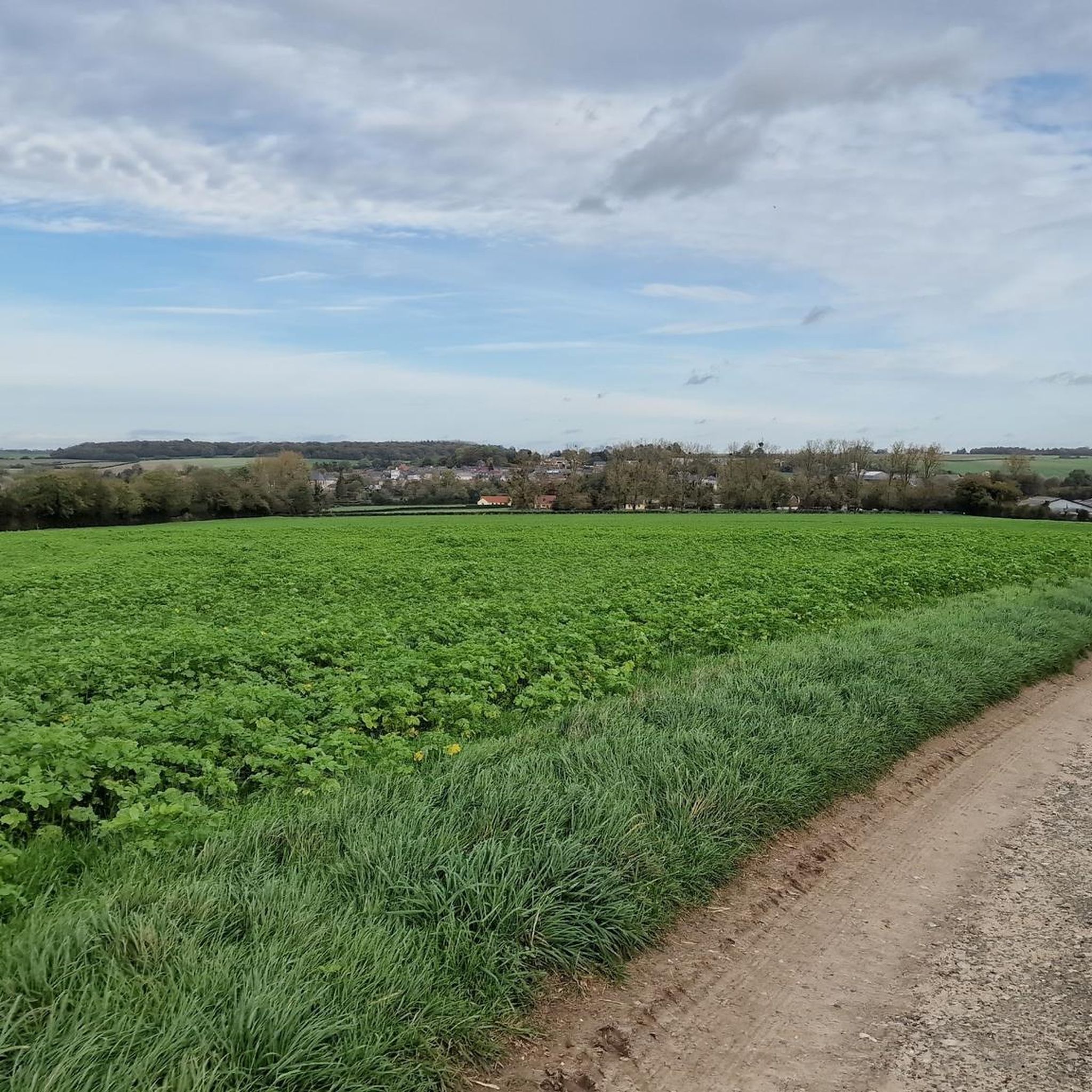
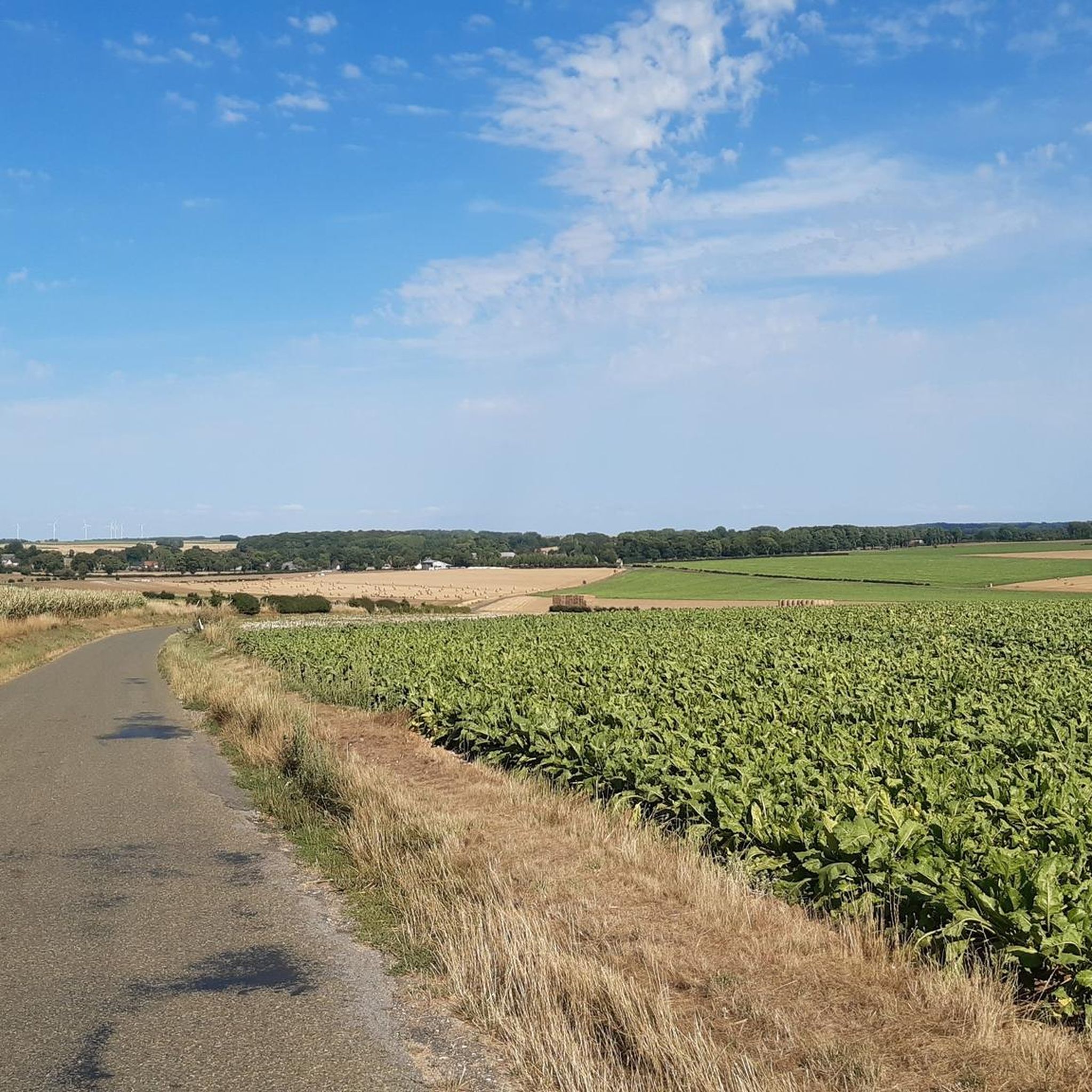
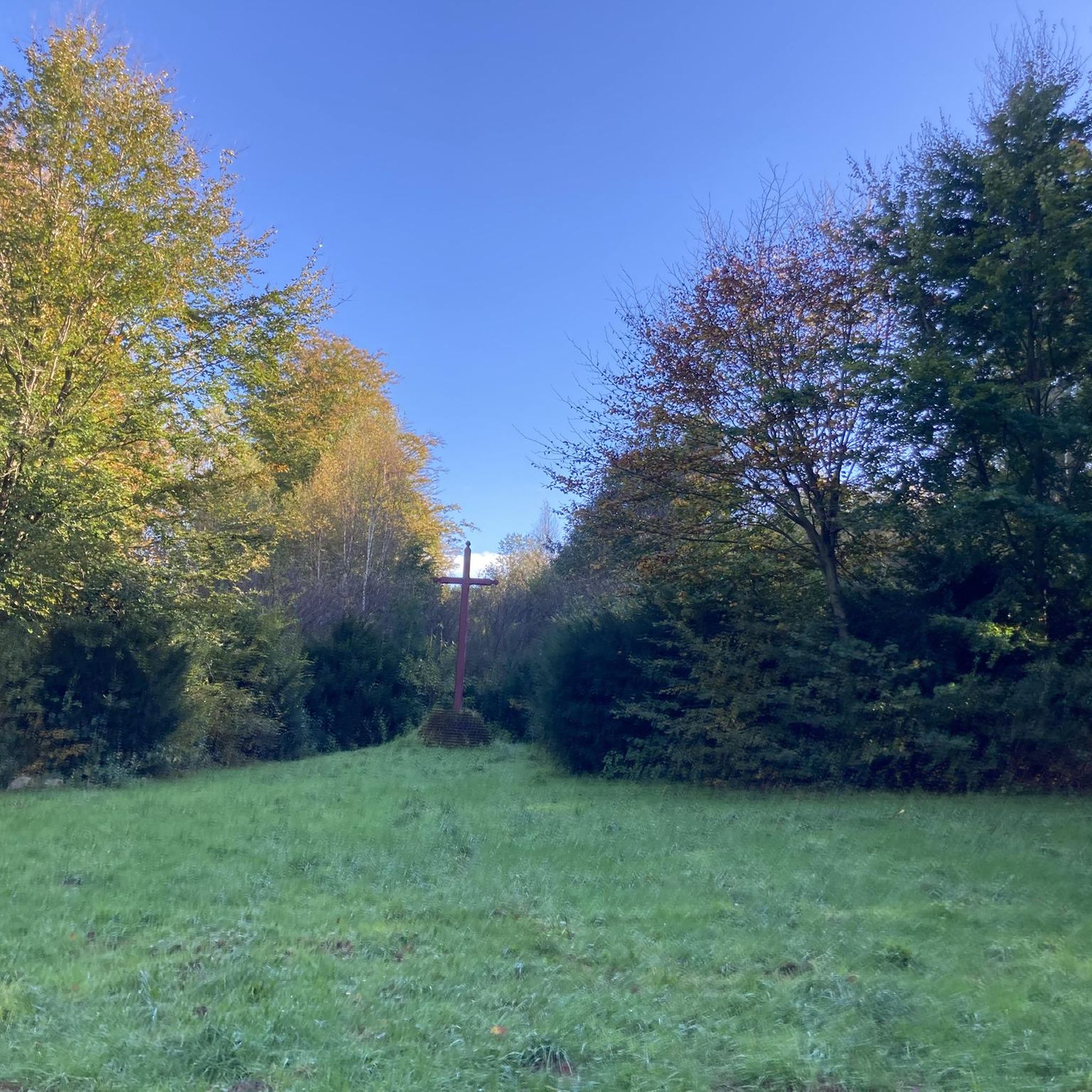


Tips from the Community

Beautiful nature away from the hustle and bustle of the coast.
1
0

Cross the Bay of the Somme from Crotoy, take the steam train back and then go to Le Hourdel to see the seals, that's all you need for a wonderful holiday. https://youtu.be/nenNw-_0ADE
2
0

Gaston Caudron (actually Alphonse) (Favières, January 18, 1882 - December 10, 1915) and René Caudron (Favières, July 1, 1884 - September 27, 1959) were French aviation pioneers. They founded the world's first flying school and built the world's first seaplane. The Caudron brothers were farmers with a passion for aviation, which was gaining popularity at the time. In the spring of 1908 they built a glider with which they made the first flights over the fields of a farm (Ferme de Romiotte) a few kilometers from Le Crotoy. The device was pulled up by a horse. In this way they completed six flights over a distance between 800 and 1200 m. René controlled the glider. They founded the Aéroplanes Caudron Frères company in 1909 and from 1910 the Société des avions Caudron, originally installed in Le Crotoy and later in Rue. They acquired a special place in aviation history. In 1910 they founded the world's first flying school, recruiting future pilots, and in August 1910 René obtained his pilot's license in Le Touquet. In March 1911, Gaston received his civil aviation license. In 1912, the brothers built the world's first seaplane. In 1913 they expanded the school with a military aviation department. In 1913, Gaston started the first pilot school in China, and he was the first pilot to fly over the Forbidden City, on the occasion of the delivery of twelve reconnaissance aircraft type Caudron G.3 (see photo), ordered by the Chinese. The Caudron brothers developed several reconnaissance aircraft for the French army. Under pressure from the invasion of the German troops in 1914, they moved their factories to Issy-les-Moulineaux and Lyon. Gaston Caudron died on December 10, 1915 on board a Caudron R-4 at Lyon-Bron airport. In 1920, the French pilot Adrienne Bolland was employed as a test pilot. She made world news when she flew over the Andes in a Caudron G.3 in 1921. In 1933, the Caudron factories, which had run into financial difficulties, were bought by the Renault company. From then on the company was called Société anonyme des avions Caudron. The designers now concentrated on building light aircraft. In 1933 there was a collaboration with Marcel Berthet, famous cyclist and professional from 1907-1923, in which an aerodynamic streamline was built around the racing bicycle. Materials were spruce wood, aluminum and cloth. Marcel drove this at 49.992 km/h. However, the record was not recognized by the International Cycling Union (UCI) because of the different bicycle model with which it was set. Hélène Boucher, who set several world records with Caudron aircraft, was also under contract with Renault to promote one of its car models, the Renault Viva Grand Sport. She crashed in a Caudron Rafale on November 30, 1934 in Guyancourt.
1
0

The Baie de Somme nature reserve covers 3,000 hectares of marine habitats: mudflats, salt marshes and sandbanks. You can enjoy stunning views of the bay, observe the wealth of wildlife and discover the rare plants that thrive in this salty environment. The reserve is home to the largest colony of harbor seals in France, as well as many species of birds, such as spoonbills, avocets and oystercatchers. You can also visit the Marquenterre ornithological park, which is part of the reserve. The reserve is a protected space, so you must respect the rules that ensure its conservation.
2
0
The Bay of Somme nature reserve covers 3,000 hectares of marine habitats, including mudflats, salt marshes and sandbanks. You can enjoy stunning views of the bay, observe the rich wildlife and discover the rare plants that thrive in this salty environment. The reserve is home to the largest colony of harbor seals in France, as well as many species of birds, such as spoonbills, avocets and oystercatchers. You can also visit the Marquenterre Ornithological Park, which is part of the reserve. The reserve is a protected area, so you must respect the rules and regulations that ensure its conservation.
5
0
Château de Noyelles is a 19th century castle nestled in a 4-hectare park in the heart of the Bay of Somme. You can admire the magnificent English garden, the orchards and the surrounding countryside.
4
0


The canal follows the course of the River Somme and is a combination of a side canal and a canalised river. Construction work had already begun in 1770, but was not completed until 1843. It was intended to connect St. Quentin with the English Channel for freight traffic. However, economic use has been in decline for many decades, but like many canals in France, tourist use by pleasure craft and houseboats is increasing. (Wikipedia) Like most canals in France, this one is also made accessible by accompanying cycle paths. A relaxed, sometimes also meditative cycling, because there is not so much variety. But also absolutely beautiful landscapes on the unregulated Somme lined with castles and mansions delight cyclists again and again
6
0
Frequently Asked Questions
What historical sites can I visit around Forest-L'Abbaye?
The region is rich in history. You can explore Noyelles Castle, a 19th-century castle set in a 4-hectare park within the Baie de Somme nature reserve. Another notable historical site is Regnière-Écluse Castle, which features an 800-hectare park and offers magnificent views. Don't miss the Caudron Brothers' Stele, commemorating French aviation pioneers.
Are there good cycling paths around Forest-L'Abbaye?
Yes, the area offers excellent cycling opportunities. The most popular is the Cycle path along the Canal Somme, which follows the Somme River through beautiful landscapes, often lined with castles and mansions. For more routes, you can explore various cycling tours in the region, including easy and moderate options, on the Cycling around Forest-L'Abbaye guide.
What kind of hiking trails can I find near Forest-L'Abbaye?
You'll find a variety of hiking trails suitable for different skill levels. There are easy loops like the 'Hiking loop from Forêt domaniale de Crécy-en-Ponthieu' (5 km) and 'The Beautiful Beech View loop from Forest-l'Abbaye' (3.8 km), as well as moderate trails such as 'The church of Crécy loop' (13.4 km). For a comprehensive list of routes, check the Hiking around Forest-L'Abbaye guide.
Are there family-friendly attractions in the Forest-L'Abbaye area?
Absolutely. Several attractions are noted as family-friendly. Both Noyelles Castle and Regnière-Écluse Castle offer parks and grounds that are great for families to explore. The Caudron Brothers' Stele also provides an interesting historical stop for all ages.
Where can I find scenic viewpoints around Forest-L'Abbaye?
The region offers several picturesque spots. Regnière-Écluse Castle provides magnificent views of the castle and its expansive 800-hectare park. The Kanal der Somme, especially its long straight section ending near Saint-Valéry-sur-Somme, is known for beautiful sunsets and scenic vistas.
What outdoor activities are popular near these attractions?
Beyond exploring the attractions themselves, popular outdoor activities include cycling along the Canal Somme, hiking through the local forests and countryside, and running on dedicated trails. The region's diverse environment, situated between land and sea, provides a range of experiences for outdoor enthusiasts.
Can I bring my dog on walks around Forest-L'Abbaye?
While specific dog-friendly policies for each attraction may vary, many natural areas and walking paths in the region are generally welcoming to dogs on a leash. The various hiking and running trails around Forest-L'Abbaye, such as those in the Forêt domaniale de Crécy-en-Ponthieu, are often suitable for walks with your canine companion. Always check local signage for specific restrictions.
What is the best time to visit Forest-L'Abbaye for outdoor activities?
The Baie de Somme region, including Forest-L'Abbaye, is beautiful throughout the warmer months, typically from spring to early autumn (April to October). During this period, the weather is generally pleasant for cycling, hiking, and exploring the castles and natural landscapes. The canal paths are particularly enjoyable when the sun is out.
Are there any easy walking trails suitable for beginners?
Yes, there are several easy walking trails. For example, the 'Hiking loop from Forêt domaniale de Crécy-en-Ponthieu' is an easy 5 km route, and 'The Beautiful Beech View loop from Forest-l'Abbaye' is an easy 3.8 km walk. These are great options for those looking for a relaxed stroll. You can find more easy routes in the Hiking around Forest-L'Abbaye guide.
What do visitors enjoy most about the attractions around Forest-L'Abbaye?
Visitors particularly appreciate the blend of historical exploration and tranquil natural settings. The relaxed cycling experience along the Canal Somme, the magnificent views from castles like Regnière-Écluse Castle, and the peaceful atmosphere of the Baie de Somme nature reserve are frequently highlighted. The region's charm lies in its ability to offer both cultural insights and opportunities for outdoor enjoyment.
Where can I learn about the region's aviation history?
To delve into the region's aviation history, visit the Caudron Brothers' Stele. This monument commemorates Gaston and René Caudron, French aviation pioneers who made significant contributions to flight, including founding the world's first flying school and building the first seaplane, with their early experiments taking place in this very area.
Most popular routes around Forest-L'Abbaye

Get inspired with the komoot mobile app


Explore more
Still not found the Highlight you’re looking for? See guides of the top attractions in other regions:
