Top 7 Castles around Presles-En-Brie
Castles near Presles-En-Brie provide insight into the historical architecture of the Seine-et-Marne department. While Presles-En-Brie itself no longer features prominent, publicly accessible castles, the surrounding region is home to several notable châteaux. These historical estates are often set within expansive parks and offer varied architectural styles. The terrain around Presles-En-Brie is characterized by a mix of agricultural land and forests, providing a scenic backdrop for exploring these historical sites.
Best castles around Presles-En-Brie
- The most popular castles is Château du…
Last updated: July 1, 2026
Château des Marmousets
Highlight • Castle
Translated by Google •
Tip by

Château du Vivier
Highlight • Castle
Translated by Google •
Tip by

Sign up now to discover places like this
Get recommendations on the best single tracks, peaks, & plenty of other exciting outdoor places.
Sign up for free
La Houssaye Castle
Highlight • Castle
Translated by Google •
Tip by
Château de Monceau
Highlight • Castle
Translated by Google •
Tip by

Monceau Castle and his bucks
Highlight • Castle
Translated by Google •
Tip by

Sign up for free to discover even more castles around Presles-En-Brie.
Sign up for free
Already have an account?
Start today with a free account
Your next adventure awaits.
Login or Signup




Tips from the Community

This former ruined 13th century castle was extensively renovated in the 20th century. Today it is a reception venue.
0
1

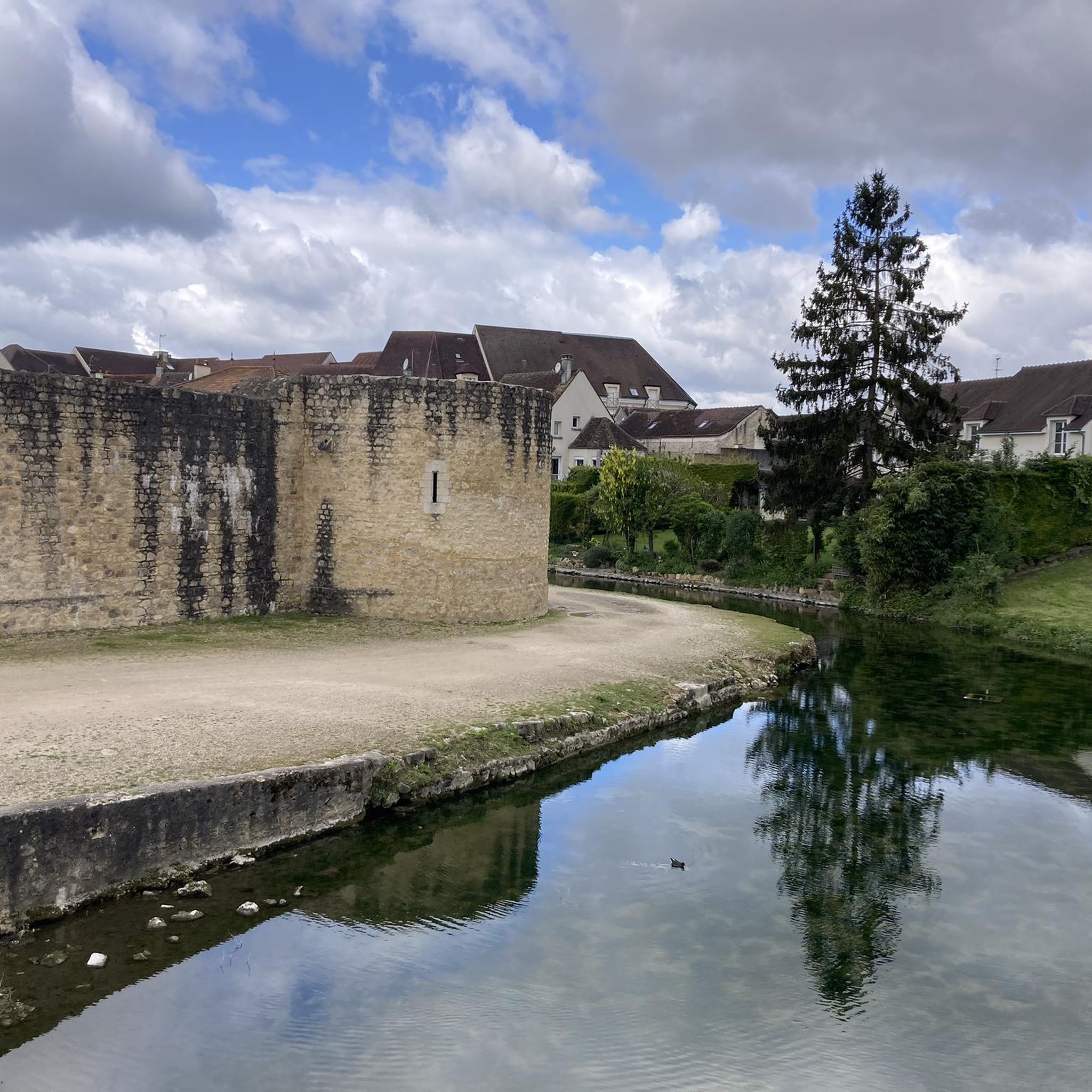
Château des Marmousets, located near La Queue-en-Brie, is an intriguing destination for cycle tourists. The castle, which dates back to the medieval period, is set in a large park filled with ancient trees and serene paths, making it a peaceful stopover. The surrounding countryside offers a pleasant cycle route, with gently rolling terrain and well-maintained paths. As you cycle towards the castle, you will be greeted by impressive views of the castle moat.
1
0

Nestled near La Queue-en-Brie, this Gothic castle, surrounded by centuries-old trees and vast lawns, offers an idyllic setting for a stroll or a contemplative break. Its towers and elegant architecture stand out magnificently in the landscape.
0
0

According to the archives of the castle library, the first seigniory of Le Monceau dates back to 1191. From this period, there are still ponds, bridges and vaulted cellars on the estate. Today, exceptional trees adorn the estate. In addition, the 150 ha of woods and 20 ha of pond are conducive to welcoming wildlife, and it is not uncommon to come across a deer, fallow deer or wild boar.
1
0

château of the lords of la houssaye dating from the Renaissance owned by the montmorency and the lecocqs. 60 hectare park. Marshal Augereau bought the castle in 1801. Napoleon slept there in 1804
0
0
The Château du Vivier is 45 km from Paris. In the middle of its 7-hectare park, the remains of this castle and the hundred-year-old trees offer a majestic and romantic landscape. In winter, the snow gives a new touch of magic to this site.
2
0
The castle of La Houssaye-en-Brie was built towards the end of the 13th century. However, only two towers remain from this period, while the keep dates from the 15th century. Abandoned for several centuries, the building was restored and the walls that separated the village from the castle were demolished. The gardens are therefore open to the public. La Houssaye-en-Brie also has a very beautiful church.
0
0

Very pretty site which shelters a damaged but maintained castle!
0
0
Frequently Asked Questions
Are there any castles directly in Presles-en-Brie that I can visit?
Presles-en-Brie itself no longer features prominent, publicly accessible castles. The main Château de Presles-en-Brie was demolished, and other historical structures like Château de Villepatour and Petit Château de Vignolles are not public tourist attractions. You'll find notable châteaux in the surrounding region.
Which castles are recommended to visit near Presles-en-Brie?
The region offers several notable castles. We recommend the Château du Vivier, known for its 14th-century remains and romantic 7-hectare park. Another excellent choice is the Château des Marmousets, a Gothic castle set in a large park with ancient trees. You might also enjoy Château de Monceau, which features ponds, bridges, and vaulted cellars within its extensive grounds.
Are there family-friendly castles to visit in the area?
Yes, both the Château du Vivier and Château de Monceau are considered family-friendly. The Château du Vivier offers expansive grounds for exploration, while Château de Monceau's park is known for its wildlife, including deer and wild boar, which can be exciting for children.
What kind of natural features can I expect to see around these castles?
Many castles in the region are set within beautiful natural surroundings. For example, the Château de Monceau features 150 hectares of woods and 20 hectares of ponds, providing a habitat for various wildlife. The Château du Vivier is nestled within a 7-hectare park with hundred-year-old trees, offering a majestic landscape.
Can I go hiking or cycling near the castles?
Absolutely. The region around Presles-en-Brie offers various outdoor activities. For hiking, you can explore routes like the 'Footbridge over the Marsange – Arche à Tournan-en-Brie loop' or the 'Presles-en-Brie Church loop'. Cyclists have options such as the 'Château de Monceau – The Chaumes en Brie viaduct loop' or the 'Brie Castles and Churches Loop' for road cycling. You can find more details on these routes in the Hiking around Presles-En-Brie and Cycling around Presles-En-Brie guides.
What historical periods do the castles in this region represent?
The castles around Presles-en-Brie showcase a range of historical periods. You can find remains of 14th-century structures at the Château du Vivier, while the Château des Marmousets is a Gothic castle dating back to the medieval period. La Houssaye Castle has elements from the late 13th century and a 15th-century keep, offering a glimpse into different architectural styles.
What do visitors particularly enjoy about the castles near Presles-en-Brie?
Visitors appreciate the blend of history and nature. Many enjoy the serene paths and ancient trees at Château des Marmousets, and the majestic, romantic landscape of Château du Vivier. The opportunity to spot wildlife like deer and wild boar at Château de Monceau is also a highlight for many.
Are there any castles with publicly accessible gardens?
Yes, the gardens of La Houssaye Castle are open to the public. This allows visitors to explore the grounds of this historical estate, which includes a 60-hectare park.
What is the terrain like for outdoor activities around these castles?
The terrain around Presles-en-Brie is generally characterized by gently rolling land, a mix of agricultural fields, and forests. This makes for pleasant cycling and hiking routes, with varying difficulty levels from easy to moderate, and some more challenging options like the 'Carrefour de la Ferrandière – Planchette Pond loop'.
Is there a castle known for its wildlife?
Yes, Château de Monceau is particularly known for its wildlife. Its 150 hectares of woods and 20 hectares of ponds are conducive to welcoming various animals, and it's not uncommon to encounter deer, fallow deer, or wild boar in semi-freedom within its park.
How far is Château du Vivier from Paris?
The Château du Vivier is located approximately 45 km from Paris, making it a feasible day trip from the capital.
Most popular routes around Presles-En-Brie
Most popular attractions around Presles-En-Brie

Get inspired with the komoot mobile app


Explore more
Looking for the best castles somewhere else? Discover other guides around Presles-En-Brie:
