The best road cycling routes around Conques-Sur-Orbiel
4.4
(207)
4,548
riders
15
rides
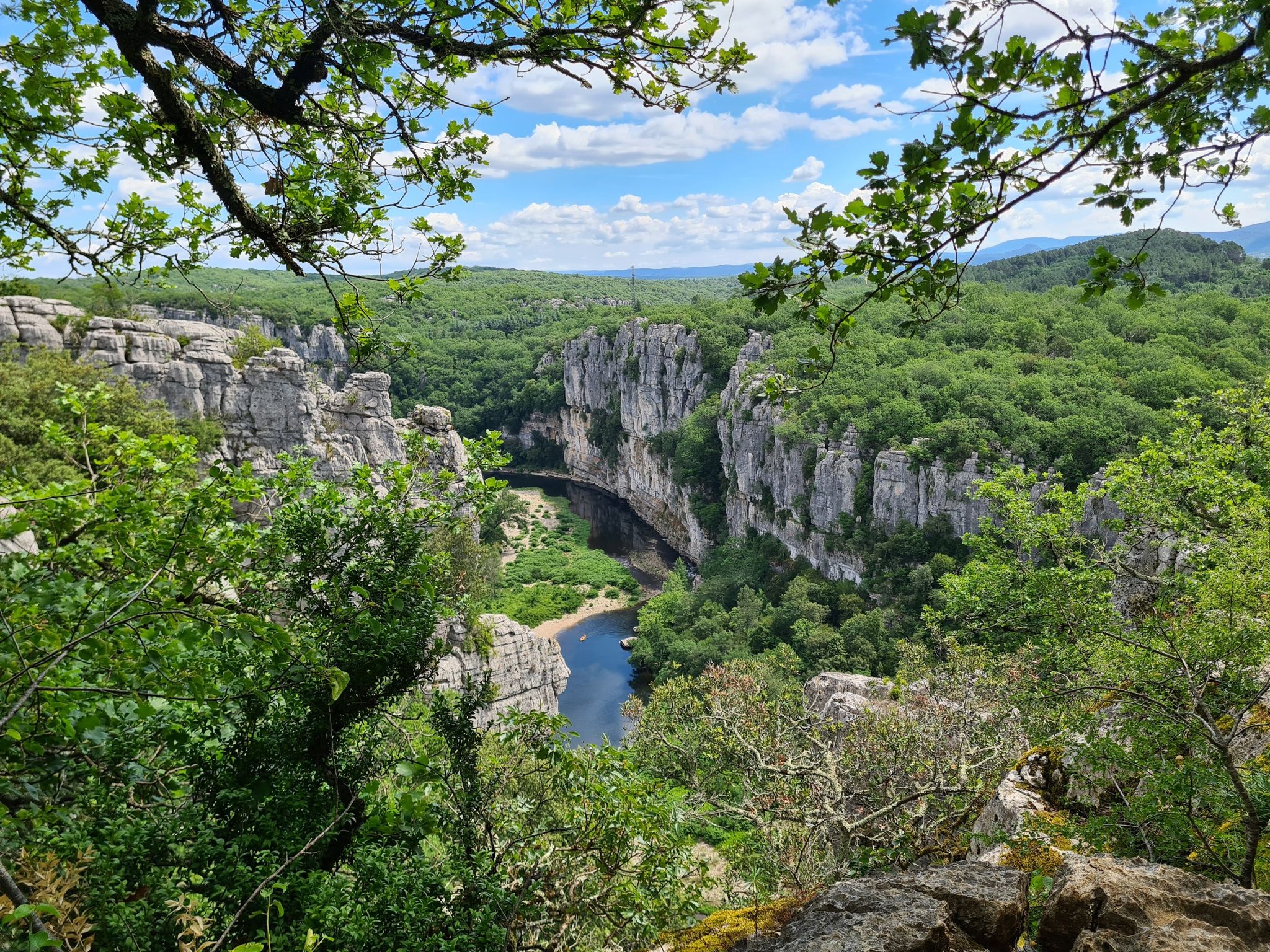
Road cycling routes around Conques-Sur-Orbiel traverse a diverse landscape characterized by gorges, scrubland, and forests. The region offers varied terrain, from challenging climbs with significant elevation gains to more moderate paths. Cyclists can experience views of the Montagne Noire and the distant Pyrenees, with routes often leading through historical areas. This area provides a suitable environment for road cycling across different skill levels.
Best road cycling routes around Conques-Sur-Orbiel
- The most popular road cycling route is Col de Salettes –…
Last updated: October 8, 2026
3.7
(6)
69
riders
80.1km
04:12
1,190m
1,190m
Hard road ride. Very good fitness required. Some segments of this route may be unpaved and difficult to ride.
5.0
(1)
20
riders
Easy road ride. Great for any fitness level. Mostly well-paved surfaces and easy to ride.

14
riders
Moderate road ride. Good fitness required. Mostly well-paved surfaces and easy to ride.
12
riders
53.7km
02:27
410m
410m
Moderate road ride. Good fitness required. Mostly well-paved surfaces and easy to ride.
11
riders
69.8km
03:03
560m
560m
Moderate road ride. Good fitness required. Some segments of this route may be unpaved and difficult to ride.
Get access to more routes and recommendations from other explorers.
Already have an account?
Our route recommendations are based on thousands of hikes, rides, and runs completed by other people on komoot.
Start today with a free account
Your next adventure awaits.



Other adventures around Conques-Sur-Orbiel

Tips from the Community

The l'Aiguille lock is a double lock on the Canal du Midi located in the commune of Puichéric.
0
0
L'Epanchoir de l'Argent Double, classified as a historic monument: started in 1677 and completed in 1694 according to Vauban's plans, it allows the canal to drain its excess water.
0
0
The ramparts of Carcassonne were built in several stages over more than a millennium by the Romans (3rd-4th centuries), the viscounts Trencavel (12th century), and then the kings of France (13th century). The ensemble was then extensively restored in the 19th century by the architect Eugène Viollet-le-Duc.
0
0
The ramparts of Carcassonne were built in several stages over more than a millennium by the Romans (3rd-4th centuries), the Trencavel viscounts (12th century), and then the kings of France (13th century). The complex was then largely restored in the 19th century by the architect Eugène Viollet-le-Duc.
0
0
The port of Trèbes is a large port with many moorings for boats.
0
0
The ramparts of Carcassonne were built in several stages over more than a millennium by the Romans (3rd-4th centuries), the viscounts Trencavel (12th century), and then the kings of France (13th century). The entire complex was then extensively restored in the 19th century by the architect Eugène Viollet-le-Duc.
0
0

In the heart of Félines-Minervois, the church of Notre-Dame de l'Assomption is a discreet witness to a history much older than its stones suggest. Built in 1694 in an ogival style and organized around three naves, it preserves a precious relic from the early Middle Ages: a Visigothic lintel, probably from an ancient place of worship that has since disappeared. This stone fragment recalls that a Christian community already existed here more than a thousand years ago. The church is part of a territory shaped by several millennia of history. The first traces of human occupation date back to prehistory, notably with the l'Abeurador cave, where evidence testifies to one of the oldest known agricultural practices in the south of France. Later, the Gallo-Roman period left its mark with installations related in particular to ceramic production, which could be the origin of the village's name, derived from the Latin figulinas, meaning “place where pottery is made”. In the Middle Ages, the heart of local power was not yet in Félines but around the castle of Ventajou, an important fortress mentioned as early as the 9th century. Situated on a promontory overlooking the valley, it controlled the passage routes between the Minervois and the foothills of the Black Mountain. Like many sites in the region, it was affected by the events of the crusade against the Albigensians at the beginning of the 13th century, before gradually losing its importance in favor of the current village.
2
0

wonderfully beautiful landscape here
0
0
Frequently Asked Questions
What kind of terrain can I expect on road cycling routes around Conques-Sur-Orbiel?
The region around Conques-Sur-Orbiel offers a diverse landscape for road cycling, characterized by gorges carved by rivers, scrubland (garrigue), and forests of beech, oak, and chestnut. You'll encounter varied terrain, from challenging climbs with significant elevation gains, some exceeding 500 meters, to more moderate paths. Cyclists can enjoy views of the Montagne Noire and the distant Pyrenees.
Are there road cycling routes suitable for beginners or those seeking an easier ride?
Yes, while the region is known for routes with significant elevation, there are options for various ability levels. Out of 19 routes, 2 are classified as easy. For example, you can find routes that offer a more gentle introduction to the area's cycling, often along flatter sections or with less demanding climbs.
What are some challenging road cycling routes for experienced riders in the area?
Experienced riders will find several challenging routes with substantial elevation gains. For instance, the Col de Salettes – Roc Suzadou Viewpoint loop from Conques-sur-Orbiel is a difficult 78.8 km route featuring over 1,100 meters of elevation gain. Another demanding option is the Carcassonne – Carcassonne City Center loop from Conques-sur-Orbiel, which covers 127.9 km with over 1,300 meters of ascent.
What historical landmarks or natural features can I see while road cycling near Conques-Sur-Orbiel?
The region is rich in historical and natural attractions. You can cycle past the historic Carcassonne Citadel, a UNESCO World Heritage Site, or catch glimpses of the four ruined Châteaux de Lastours. The picturesque Canal du Midi between Trèbes and Carcassonne is also a popular feature for cyclists. Routes may also lead to traditional dry-stone shelters known as 'capitelles'.
Are there any loop road cycling routes around Conques-Sur-Orbiel?
Yes, many of the road cycling routes around Conques-Sur-Orbiel are designed as loops, allowing you to start and finish in the same location. Examples include the Lastours > Lastours – La Tourette Cabardes loop from Conques-sur-Orbiel and the Moulin de Villeneuve Minervois – Villeneuve-Minervois loop from Conques-sur-Orbiel.
What do other road cyclists enjoy most about the routes in Conques-Sur-Orbiel?
The road cycling routes in Conques-Sur-Orbiel are highly rated by the komoot community, with an average score of 4.5 stars from over 90 reviews. Cyclists often praise the varied terrain, the panoramic views of the Montagne Noire and Pyrenees, and the opportunity to explore historical areas and natural features like the Canal du Midi.
Is it possible to combine road cycling with visits to nearby towns or attractions?
Absolutely. Conques-sur-Orbiel is just 8 km from Carcassonne, making it easy to integrate a visit to its medieval fortress into your cycling plans. Many routes pass through or near charming villages and offer views of historical sites, allowing for a rich cultural and active experience. The Villarlong Castle – Argent-Double Spillway loop from Conques-sur-Orbiel is one such route that offers scenic views and historical context.
What is the best time of year for road cycling in Conques-Sur-Orbiel?
The region generally offers good conditions for road cycling across many seasons. Spring and autumn provide pleasant temperatures and vibrant landscapes. Summer can be warm, but early morning rides are often enjoyable. Winter cycling is possible, though conditions may vary, and it's always advisable to check local weather forecasts.
Are there any specific parking options for cyclists in Conques-Sur-Orbiel?
While specific designated cyclist parking areas are not detailed, Conques-sur-Orbiel, as a village, typically offers public parking options where you can safely leave your vehicle before starting your ride. It's always recommended to check local signage upon arrival for the most current parking regulations.
Can I find cafes or restaurants along the road cycling routes for a break?
The routes often pass through or near villages and towns where you can find cafes, restaurants, and other amenities. Given the region's popularity for outdoor activities, many establishments cater to cyclists. Planning your route with komoot allows you to identify potential stops for refreshments or meals along the way.
Are there any road cycling routes that offer views of the Montagne Noire or the Pyrenees?
Yes, the diverse landscape around Conques-Sur-Orbiel means many road cycling routes offer stunning panoramic views. Cyclists can frequently enjoy vistas of the Montagne Noire, and on clear days, the distant Pyrenees are visible, adding a dramatic backdrop to your ride.
Most popular routes around Conques-Sur-Orbiel
Most popular attractions around Conques-Sur-Orbiel

Get inspired with the komoot mobile app


Explore more
Browse the best Road cycling routes in other regions.
