Top 5 Castles around Marles-En-Brie
Best castles around Marles-en-Brie offer a glimpse into the region's rich history and architectural heritage. While Marles-en-Brie itself features remnants of the historical Château du Buisson, the broader Brie region in Seine-et-Marne is home to several noteworthy castles. These sites often include extensive parks, historical structures, and natural landscapes. The area provides opportunities to explore historical monuments and enjoy the surrounding natural environment.
Best castles around Marles-en-Brie
- The most popular castles is Château du Vivier, a castle that features…
Last updated: July 1, 2026
Château du Vivier
Highlight • Castle
Translated by Google •
Tip by

La Houssaye Castle
Highlight • Castle
Translated by Google •
Tip by
Sign up now to discover places like this
Get recommendations on the best single tracks, peaks, & plenty of other exciting outdoor places.
Sign up for free
Château de Monceau
Highlight • Castle
Translated by Google •
Tip by

Monceau Castle and his bucks
Highlight • Castle
Translated by Google •
Tip by

Start today with a free account
Your next adventure awaits.
Login or Signup
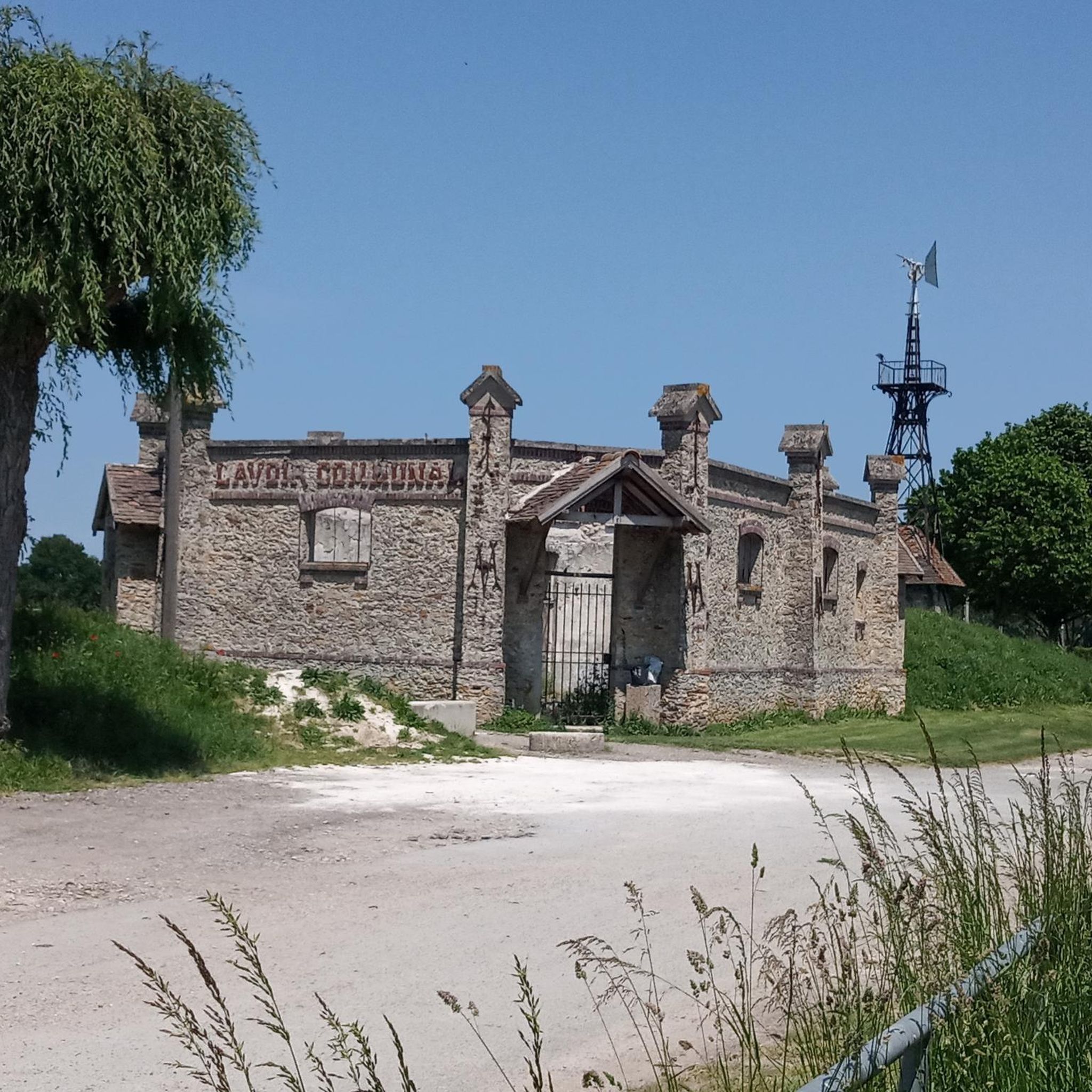
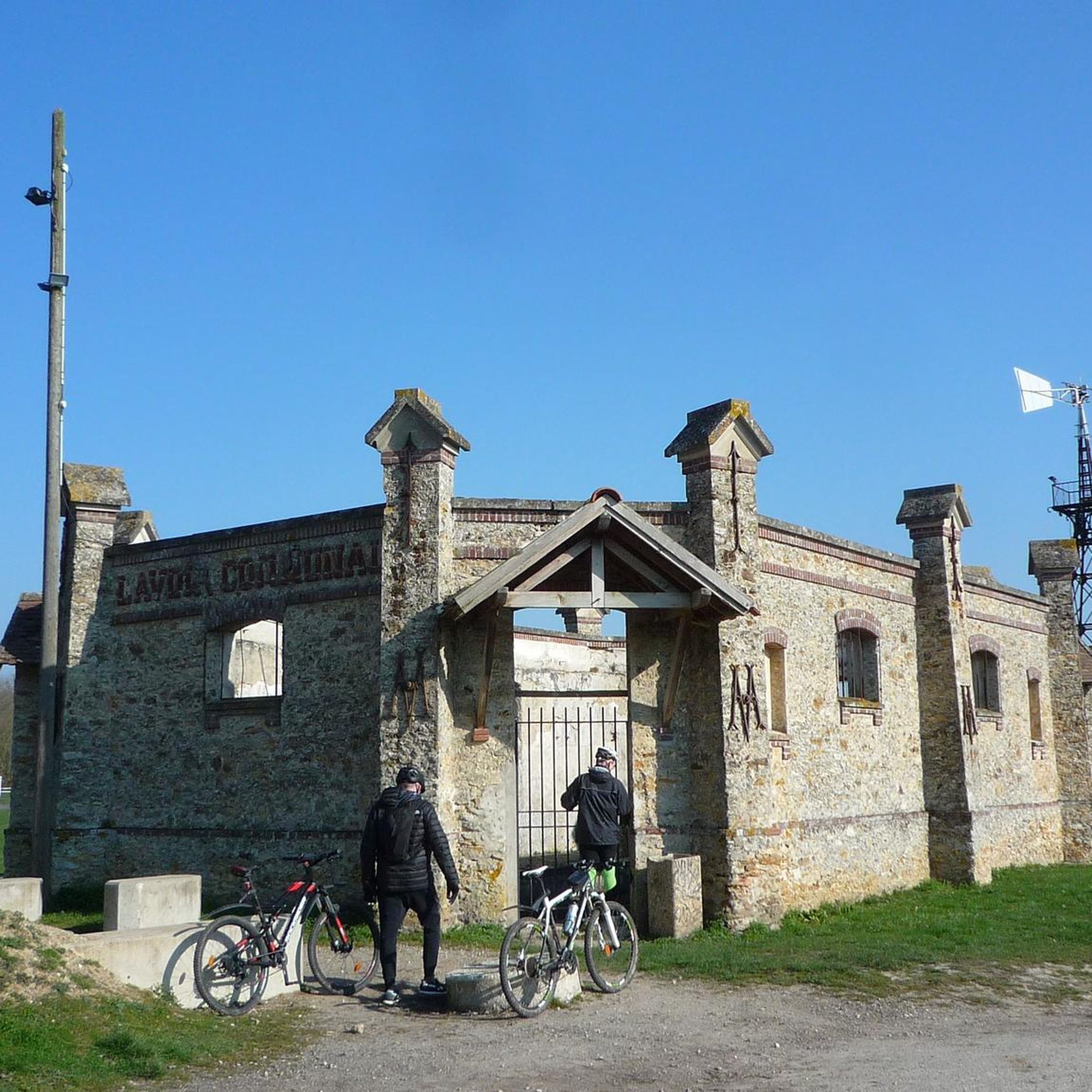

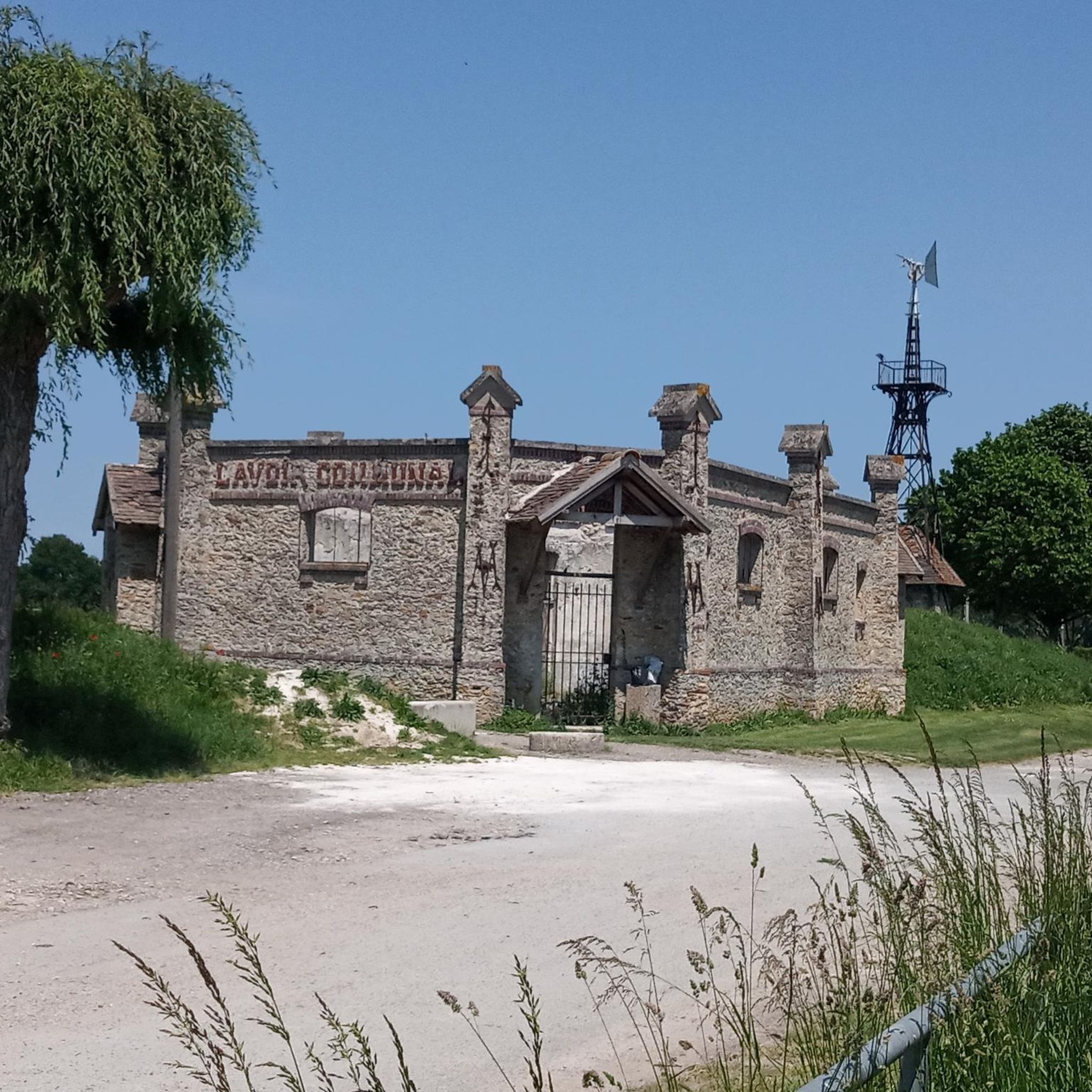
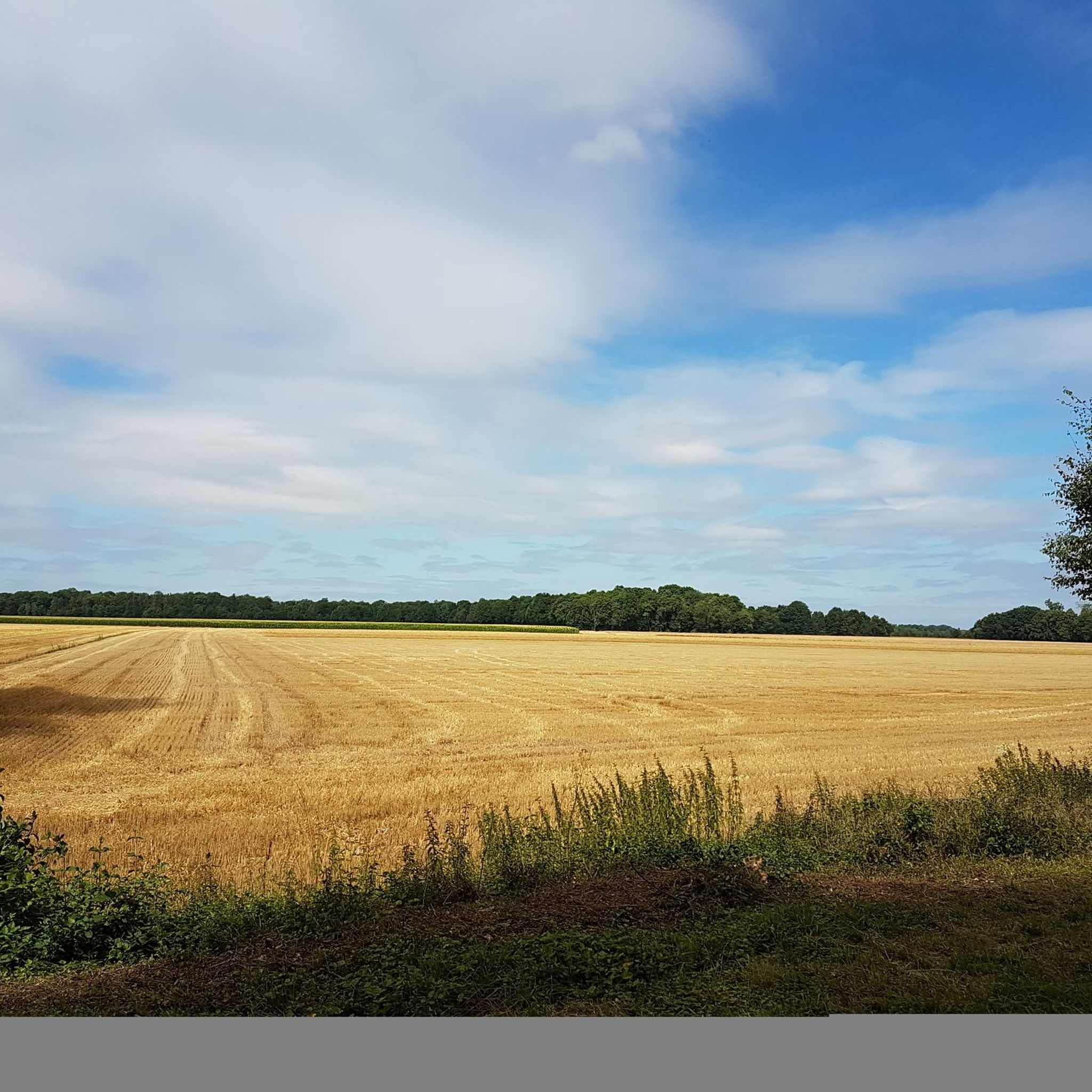
Tips from the Community

This former ruined 13th century castle was extensively renovated in the 20th century. Today it is a reception venue.
0
1

According to the archives of the castle library, the first seigniory of Le Monceau dates back to 1191. From this period, there are still ponds, bridges and vaulted cellars on the estate. Today, exceptional trees adorn the estate. In addition, the 150 ha of woods and 20 ha of pond are conducive to welcoming wildlife, and it is not uncommon to come across a deer, fallow deer or wild boar.
1
0

château of the lords of la houssaye dating from the Renaissance owned by the montmorency and the lecocqs. 60 hectare park. Marshal Augereau bought the castle in 1801. Napoleon slept there in 1804
0
0

The Château du Vivier is 45 km from Paris. In the middle of its 7-hectare park, the remains of this castle and the hundred-year-old trees offer a majestic and romantic landscape. In winter, the snow gives a new touch of magic to this site.
2
0
The castle of La Houssaye-en-Brie was built towards the end of the 13th century. However, only two towers remain from this period, while the keep dates from the 15th century. Abandoned for several centuries, the building was restored and the walls that separated the village from the castle were demolished. The gardens are therefore open to the public. La Houssaye-en-Brie also has a very beautiful church.
0
0

Very pretty site which shelters a damaged but maintained castle!
0
0
14th century castle that belonged to Charles de Valois
1
0

Magnificent place with its majestic ruins sublimated by the romanticism of its pond, a very pretty stream and many old trees that surround it.
0
0
Frequently Asked Questions
What historical castles can I visit near Marles-en-Brie?
While Marles-en-Brie itself features remnants of the historical Château du Buisson, the broader Brie region offers several noteworthy castles. You can explore the medieval La Houssaye Castle, with parts dating back to the 13th century, or the Château de Monceau, which has historical ponds and vaulted cellars from 1191.
Are there castles with extensive parks or natural features around Marles-en-Brie?
Yes, several castles in the area boast significant natural surroundings. The Château du Vivier is set within a 7-hectare park with hundred-year-old trees. The Château de Monceau features 150 hectares of woods and 20 hectares of pond, supporting local wildlife like deer and wild boar. Additionally, Monceau Castle and his bucks offers a park where game roams in semi-freedom.
What are some family-friendly castle options near Marles-en-Brie?
For families, the Château du Vivier is a great choice, offering a beautiful park to explore. The Château de Monceau also has family-friendly features with its extensive woods and ponds, where children might spot wildlife. Near Monceau Castle and his bucks, there's a small park suitable for a picnic.
Can I find hiking or cycling routes near the castles?
Absolutely. The region around Marles-en-Brie offers various outdoor activities. You can find numerous running trails, road cycling routes, and general cycling routes that often pass by or near these historical sites and their scenic parks.
What remains of the Château du Buisson in Marles-en-Brie?
While the majority of the original Château du Buisson was demolished in 1852, you can still see a beautifully crafted wrought-iron gate and two neoclassical entrance pavilions. These pavilions feature Ionic colonnades topped with triangular pediments and overlook an extensive private park, offering a glimpse into its past.
Are there any well-preserved medieval castles in the broader Brie region?
Yes, the broader Brie region is home to the medieval Château de Blandy-les-Tours. It is a well-preserved fortified castle featuring five crenellated towers, a massive keep, and impressive moats, located about an hour from Paris.
What kind of wildlife can be seen near the castles?
At Château de Monceau, the 150 hectares of woods and 20 hectares of pond are conducive to welcoming wildlife. It's not uncommon to come across deer, fallow deer, or wild boar. The park of Monceau Castle and his bucks also shelters a quantity of game in semi-freedom.
What do visitors appreciate most about the castles around Marles-en-Brie?
Visitors frequently appreciate the blend of history and nature. The majestic and romantic landscapes of sites like Château du Vivier with its hundred-year-old trees, and the opportunity to see wildlife in the parks of castles like Château de Monceau, are often highlighted.
Is there an 18th-century pleasure house castle nearby?
Yes, in the larger region, you can visit the Château de Champs-sur-Marne. This 18th-century pleasure house is renowned for its Rococo and chinoiserie decorations and houses an exceptional collection of furniture.
Are the gardens of La Houssaye Castle accessible to the public?
Yes, after restoration, the walls that separated the village from La Houssaye Castle were demolished, and its gardens are now open to the public.
What is the historical significance of Château du Vivier?
The Château du Vivier features the remains of a 14th-century castle that once belonged to Charles de Valois, offering a glimpse into its rich past.
Most popular routes around Marles-En-Brie
Most popular attractions around Marles-En-Brie

Get inspired with the komoot mobile app


Explore more
Looking for the best castles somewhere else? Discover other guides around Marles-En-Brie:
