Attractions and Places To See around Schorbach - Top 20
Best attractions and places to see around Schorbach, a commune in the Moselle department of France, offers a blend of historical significance and natural landscapes. Situated within the broader Regional Natural Park of Northern Vosges, the area features wooded valleys and streams like the Breidenbach. Visitors can explore ancient landmarks and unique geological formations. The region provides opportunities to discover both cultural heritage and natural features.
Best attractions and places to see around Schorbach
- The most popular attractions is Altschloss…
Last updated: June 22, 2026
Altschloss Rocks
Highlight • Natural Monument
Translated by Google •
Tip by

Altschlossfelsen rock formation
Highlight • Natural Monument
Translated by Google •
Tip by

Sign up now to discover places like this
Get recommendations on the best single tracks, peaks, & plenty of other exciting outdoor places.
Sign up for free
Altschlossfelsen sandstone rock formation
Highlight • Natural Monument
Translated by Google •
Tip by
Altschlossfelsen — Southern Section
Highlight • Natural Monument
An absolute natural spectacle and highlight.
Showing Translation
Tip by

Ascent to the Altschlossfelsen
Highlight • Trail
Translated by Google •
Tip by

Sign up for free to discover even more attractions around Schorbach.
Sign up for free
Already have an account?
Start today with a free account
Your next adventure awaits.
Login or Signup
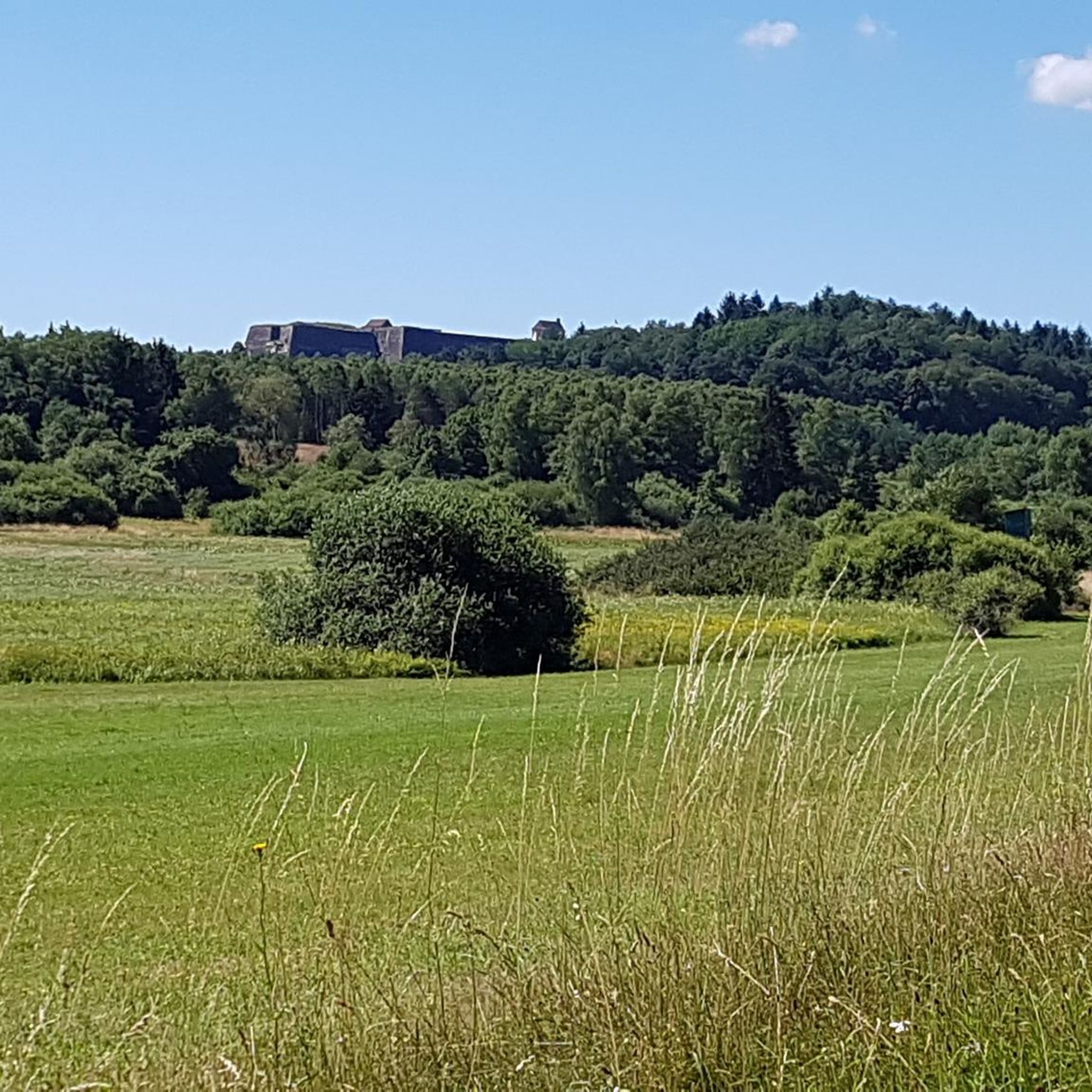
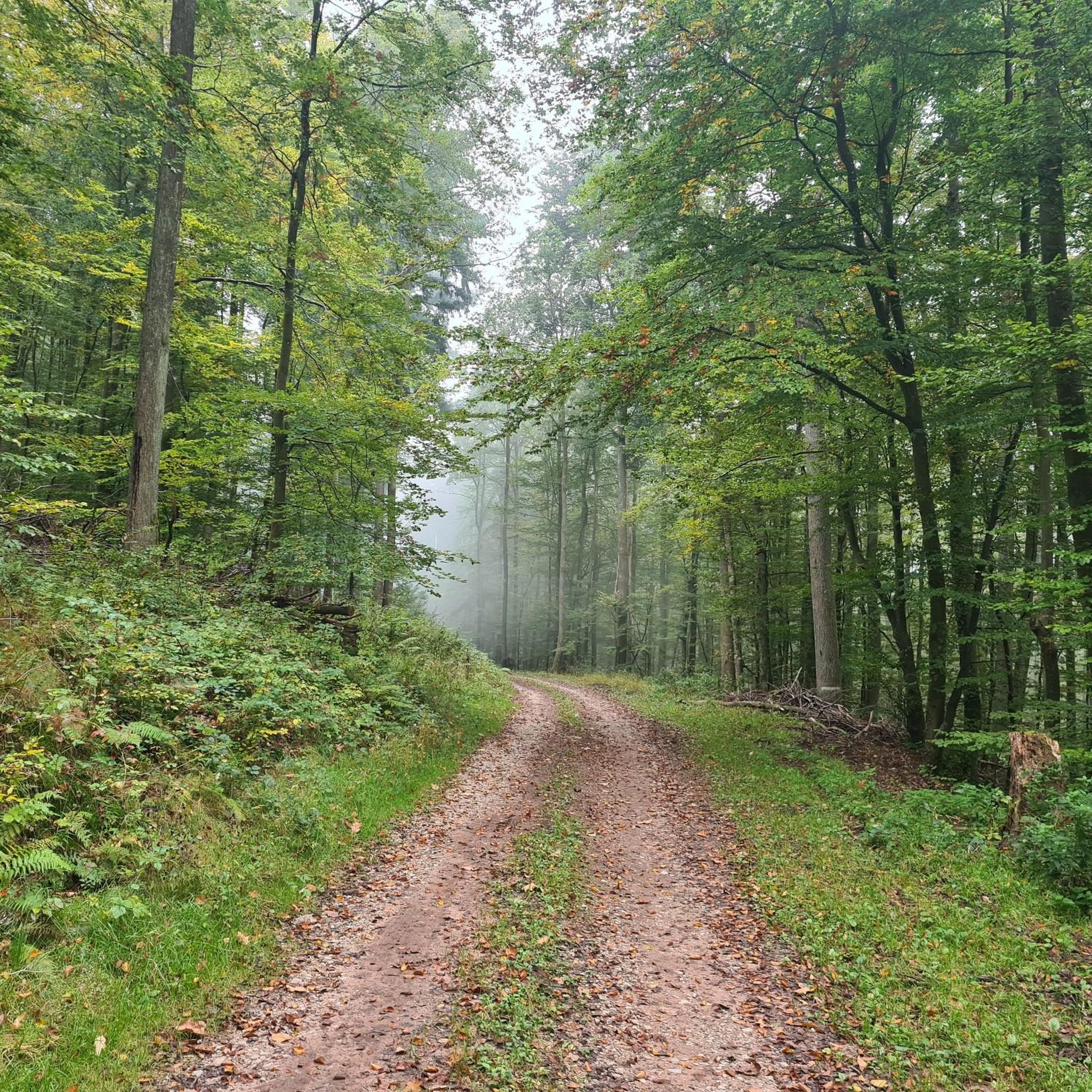
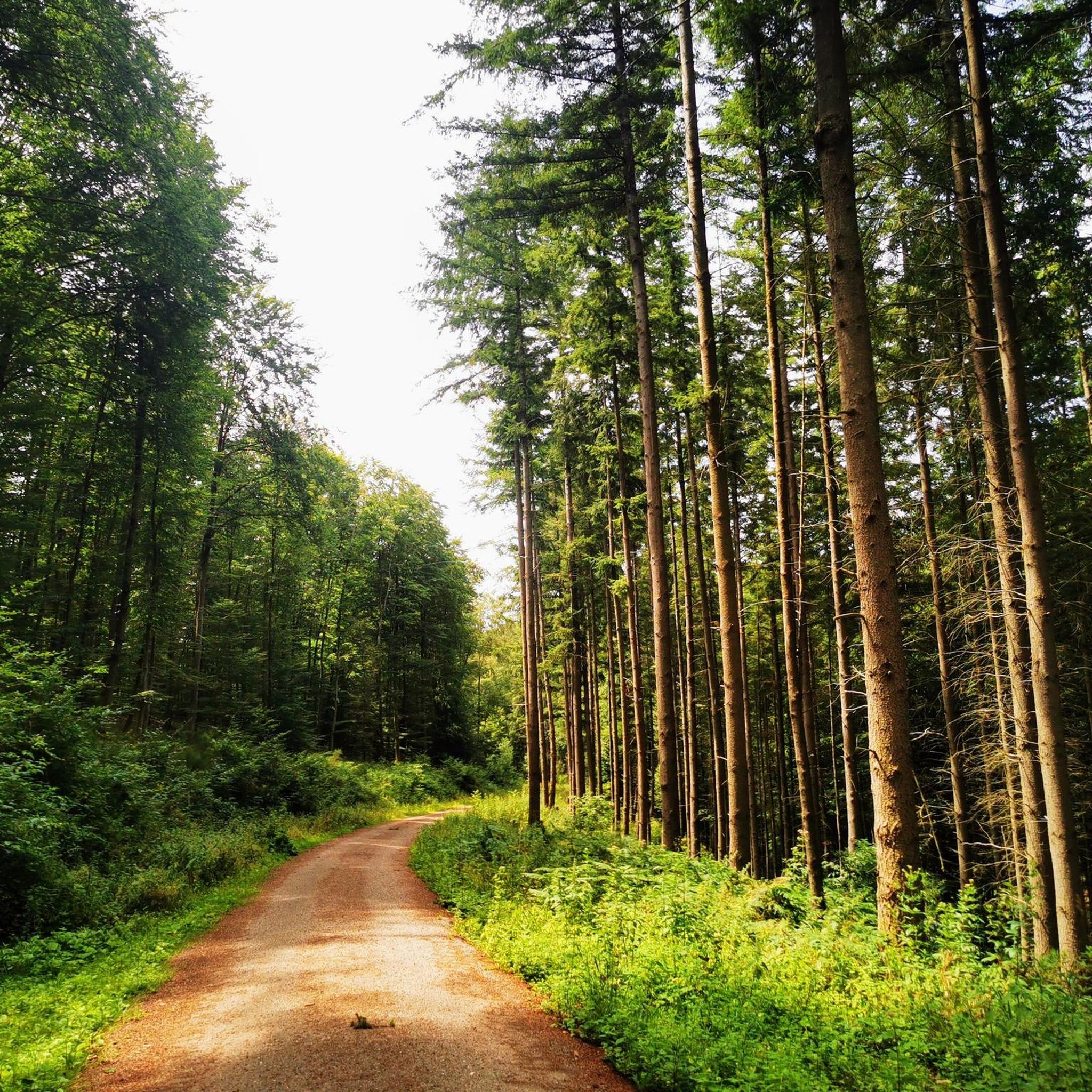
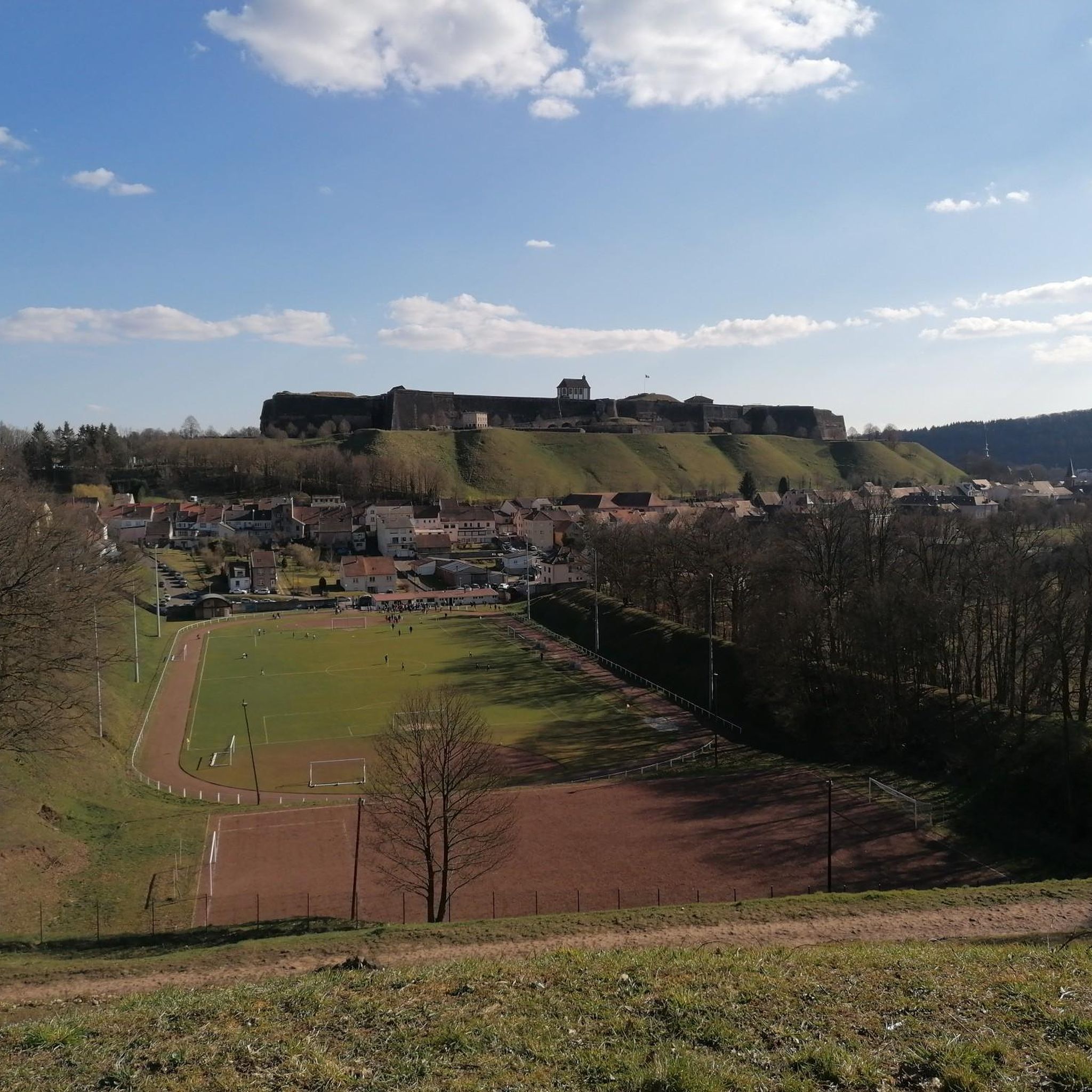
Tips from the Community

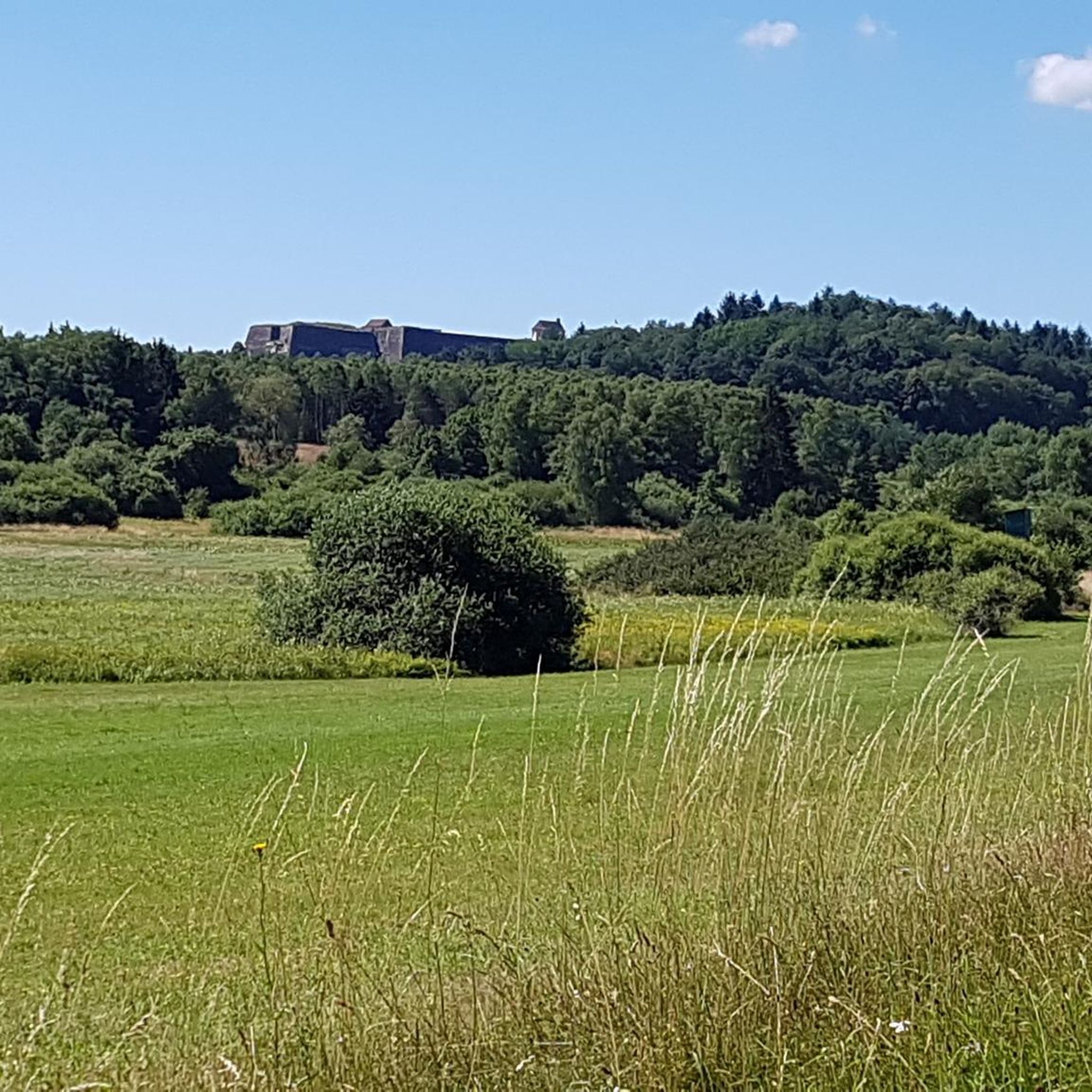
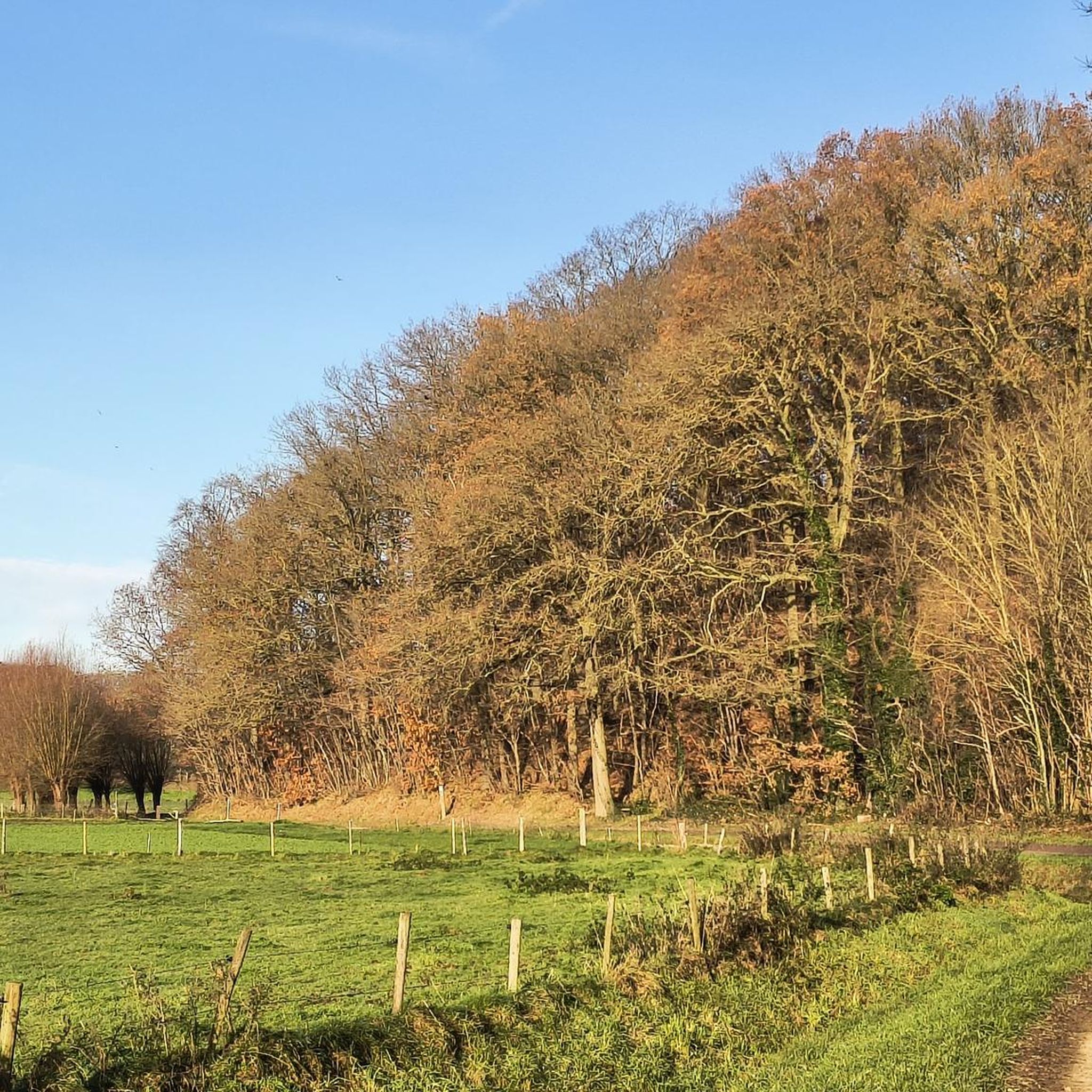
The rocks are only accessible on foot, e.g. from Eppenbrunn or nearby hiking parking lots. An absolute natural spectacle and highlight.
7
0

The Altschlossfelsen (also known as Eppenbrunn Castle) are a group of red sandstone rocks designated as a natural monument (ND) ND-7340-205 and a cultural monument (KD) in the municipality of Eppenbrunn in the Palatinate Forest on the border with France, and are the largest rock formation in the Palatinate. They are located on the eastern slope of the Brechenberg (406 m) near Eppenbrunn and Roppeviller at an elevation of approximately 365 m above sea level at the northeast end and 380 m above sea level at the southwest end of the rock band. The Altschlossfelsen are a group of red sandstone rocks approximately one and a half kilometers long and up to 30 meters high. The group consists of sandstone towers and walls. The Altschlossfelsen are crisscrossed by cracks and joints, some of which are wide enough to climb through. They are known primarily for their diverse weathering phenomena and rare lichens. The summit plateau can be reached from the north and south on narrow paths. There, you'll find a sparse forest and moss-covered rocks. A special lighting situation created by the sun, the "rock glow," is best seen around 7:00 p.m. in the first half of April, depending on weather conditions, vegetation, and the position of the sun. In the morning hours, the glow occurs around 8:45 a.m. Finds from the Hallstatt and Roman periods attest to earlier settlement of the rock group. In 1964, for example, shards from the La Tène period (c. 450–50 BC) were found. Traces of a medieval castle from the 11th or 12th century are found on the four main rocks. These include the remains of a stepped structure, post holes, remains of masonry, and notches for beams in the rock. A depression with a diameter of four meters is located on a rock, which may have served as a cistern. Additionally, on the southern and northern slopes around the rock formation, humped blocks, which may have originated from the structure of a former castle, as well as shards from the High Middle Ages were found in a wall groove. A more precise dating of the castle complex is difficult, as the castle was not mentioned before 1297 or later in the 1605 border description between Lorraine and the County of Hanau-Lichtenberg. Source: https://de.wikipedia.org/wiki/Altschlossfelsen
2
0
The Altschlossfelsen (also known as Eppenbrunn Castle) are a group of red sandstone rocks designated as a natural monument (ND) ND-7340-205 and a cultural monument (KD) in the municipality of Eppenbrunn in the Palatinate Forest on the border with France, and are the largest rock formation in the Palatinate. They are located on the eastern slope of the Brechenberg (406 m) near Eppenbrunn and Roppeviller at an elevation of approximately 365 m above sea level at the northeast end and 380 m above sea level at the southwest end of the rock band. The Altschlossfelsen are a group of red sandstone rocks approximately one and a half kilometers long and up to 30 meters high. The group consists of sandstone towers and walls. The Altschlossfelsen are crisscrossed by cracks and joints, some of which are wide enough to climb through. They are known primarily for their diverse weathering phenomena and rare lichens. The summit plateau can be reached from the north and south on narrow paths. There, you'll find a sparse forest and moss-covered rocks. A special lighting situation created by the sun, the "rock glow," is best seen around 7:00 p.m. in the first half of April, depending on weather conditions, vegetation, and the position of the sun. In the morning hours, the glow occurs around 8:45 a.m. Finds from the Hallstatt and Roman periods attest to earlier settlement of the rock group. In 1964, for example, shards from the La Tène period (c. 450–50 BC) were found. Traces of a medieval castle from the 11th or 12th century are found on the four main rocks. These include the remains of a stepped structure, post holes, remains of masonry, and notches for beams in the rock. A depression with a diameter of four meters is located on a rock, which may have served as a cistern. Additionally, on the southern and northern slopes around the rock formation, humped blocks, which may have originated from the structure of a former castle, as well as shards from the High Middle Ages were found in a wall groove. A more precise dating of the castle complex is difficult, as the castle was not mentioned before 1297 or later in the 1605 border description between Lorraine and the County of Hanau-Lichtenberg. Source: https://de.wikipedia.org/wiki/Altschlossfelsen
1
0

Over time, wind and weather have shaped the red sandstone massif, consisting of the Trippstadt and Karlstal layers, creating bizarre rock formations. Four towers standing close together and the actual main rock are clearly visible. Traces of a former fortification, probably built by the Counts of Zweibrücken-Bitche after 1279, can be found on the towers. By 1605, all traces of the castle had disappeared. In 1991, the rock massif was listed as a historical monument. A special lighting phenomenon created by the sun, the "rock glow," is best seen around 7 p.m. in the first half of April on the southeast side of the third rock from the east (from Eppenbrunn), depending on weather conditions, vegetation, and the position of the sun.
0
0

A beautiful hiking trail along the historic rock formations near the border
3
0

Very nice path section below the rock
0
0

The climb to the rocks is definitely worth it.
2
0

You'll start to sweat a bit here 😅. But it's all the more beautiful when you reach your destination. And the view ahead is worth every effort 🤩🤩. Hang in there!💪
2
0
Frequently Asked Questions
What unique natural rock formations can I explore around Schorbach?
The region around Schorbach is renowned for its spectacular natural rock formations. You can visit the Altschloss Rocks, which feature beautiful patterns carved into the sandstone by centuries of rainfall. Another must-see is the Devil's Table (Eppenbrunn), a very typical red sandstone formation reaching up to 13 meters high. Don't miss the Hollow Rock (Eppenbrunn), which offers a cave and a scenic viewpoint.
Are there historical or cultural sites to visit directly in Schorbach?
Yes, Schorbach itself offers significant historical sites. The ancient Saint-Rémi Church, consecrated in 1143, features a surviving square tower and a Gothic nave. Adjacent to it, the Schorbach Ossuary, dating back to the 12th or 15th century, is a unique medieval structure known for its Roman columns and containing numerous bones and skulls.
What kind of outdoor activities can I do near the attractions around Schorbach?
The area around Schorbach is excellent for outdoor enthusiasts. You can find numerous routes for mountain biking, gravel biking, and road cycling. For example, there are challenging gravel biking routes like the 'Choir Rocks – Ondines Waterfall loop' or various MTB trails that explore the surrounding forests and natural features. You can find more details on these activities in the dedicated guides for MTB Trails around Schorbach, Gravel biking around Schorbach, and Road Cycling Routes around Schorbach.
Are there family-friendly attractions suitable for children around Schorbach?
Yes, several attractions are suitable for families. The Spießweiher lake is an ideal starting point for easy walks and offers beautiful natural landscapes. The Hollow Rock (Eppenbrunn) also provides a fun exploration opportunity with its cave and a bench at the base, making it a pleasant stop for families.
What do visitors enjoy most about the attractions around Schorbach?
Visitors particularly appreciate the spectacular and unique natural rock formations, often highlighting the intense play of colors, especially during evening visits to places like the Altschloss Rocks. Many also enjoy the beautiful hiking trails that lead to these sites, such as the path along the historic rock formations near the border at Altschlossfelsen — Southern Section, noting that the climb to the rocks is definitely worth it for the views.
What are some notable historical sites or castles near Schorbach for a day trip?
For those interested in history, the region offers excellent day trip options. Just 3 km away, the town of Bitche boasts a highly interesting citadel. Further afield, approximately 27 km from Schorbach, you can visit the imposing ruined Château de Fleckenstein, another significant historical site.
Are there any lakes or bodies of water to visit near Schorbach?
Yes, the area features tranquil bodies of water. The Spießweiher is a notable lake that serves as an excellent starting point for walks and offers beautiful natural scenery. The commune itself is drained by the Breidenbach and Schorbach streams, which are part of the Rhine basin.
What is the best time to visit Schorbach and its attractions?
The Regional Natural Park of Northern Vosges, where Schorbach is located, is beautiful throughout the year. Spring and autumn offer pleasant temperatures for hiking and exploring the natural rock formations and historical sites, with vibrant foliage in autumn. Summer is also popular for outdoor activities, while winter can offer a different, serene experience, especially in the wooded valleys.
Are there opportunities for hiking or walking trails around the natural monuments?
Absolutely. Many of the natural monuments are integrated into hiking trails. For instance, the Altschlossfelsen — Southern Section is located along a beautiful hiking trail near the border. The Spießweiher lake is also an ideal starting point for a round trip of approximately 6 km on good paths, exploring beautiful lakes and natural landscapes.
What are some lesser-known natural features or 'hidden gems' in the Schorbach area?
Beyond the prominent rock formations, the region's charm lies in its natural setting within the Regional Natural Park of Northern Vosges. You can explore the wooded valleys and discover smaller religious edifices like the Felsenkapelle (Rock Chapel) and the Chapel of Saints Roch and Wendelin, which offer peaceful and less-traveled spots amidst nature.
What kind of landscape can I expect when visiting Schorbach?
Schorbach is nestled in a rural commune characterized by its natural features, primarily consisting of wooded valleys and streams like the Breidenbach and Schorbach. It is situated within the broader context of the Regional Natural Park of Northern Vosges, known for its lush forests and unique geological formations, including the impressive red sandstone rocks.
How popular are the attractions around Schorbach with other visitors?
The attractions around Schorbach are highly appreciated by the komoot community. They have collectively received more than 2400 upvotes and over 3700 photos have been shared, indicating a strong level of engagement and satisfaction from visitors exploring the area's natural monuments, historical sites, and lakes.
Most popular routes around Schorbach

Get inspired with the komoot mobile app


Explore more
Still not found the Highlight you’re looking for? See guides of the top attractions in other regions:
