The best road cycling routes around Zillingen
4.4
(101)
1,988
riders
113
rides
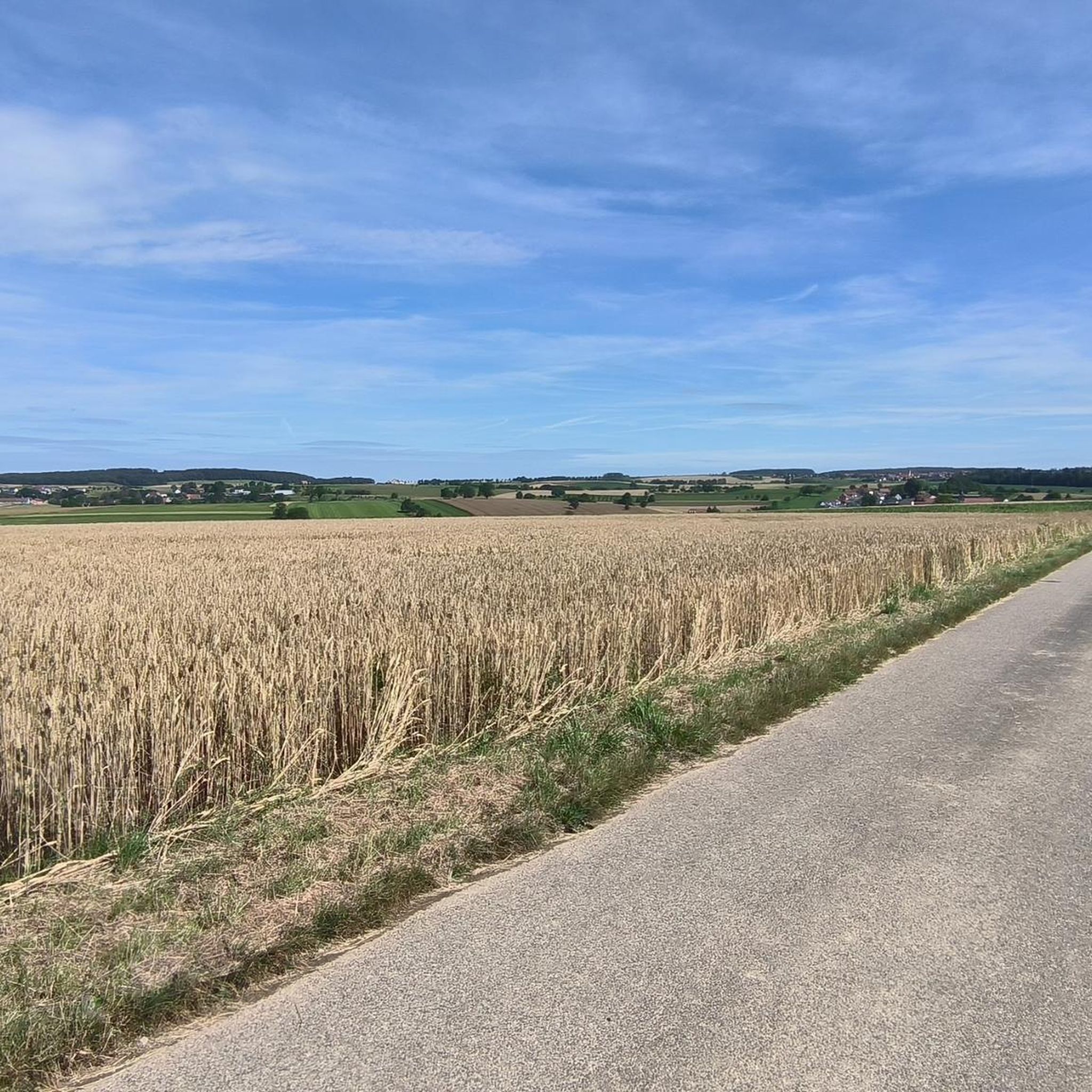
Road cycling around Zillingen features a landscape characterized by rolling hills and river valleys, offering varied terrain for cyclists. The region includes areas with historical sites and charming villages, providing a mix of natural and cultural scenery. Elevations are moderate, with routes often traversing forested sections and open countryside. This combination creates diverse road cycling experiences suitable for various skill levels.
Best road cycling routes around Zillingen
- The most popular road cycling route is Port of Lutzelbourg – St. Louis…
Last updated: July 6, 2026
5.0
(1)
19
riders
46.1km
01:59
370m
370m
Moderate road ride. Good fitness required. Mostly well-paved surfaces and easy to ride.
17
riders
30.6km
01:24
290m
290m
Easy road ride. Great for any fitness level. Mostly well-paved surfaces and easy to ride.

Sign up for free
25
riders
59.1km
02:49
660m
660m
Moderate road ride. Good fitness required. Mostly well-paved surfaces and easy to ride.
9
riders
37.2km
01:48
490m
490m
Moderate road ride. Good fitness required. Mostly well-paved surfaces and easy to ride.
12
riders
56.1km
02:35
590m
590m
Moderate road ride. Good fitness required. Some segments of this route may be unpaved and difficult to ride.
Get access to more routes and recommendations from other explorers.
Sign up for free
Already have an account?
Our route recommendations are based on thousands of hikes, rides, and runs completed by other people on komoot.
Start today with a free account
Your next adventure awaits.
Login or Signup

Tips from the Community

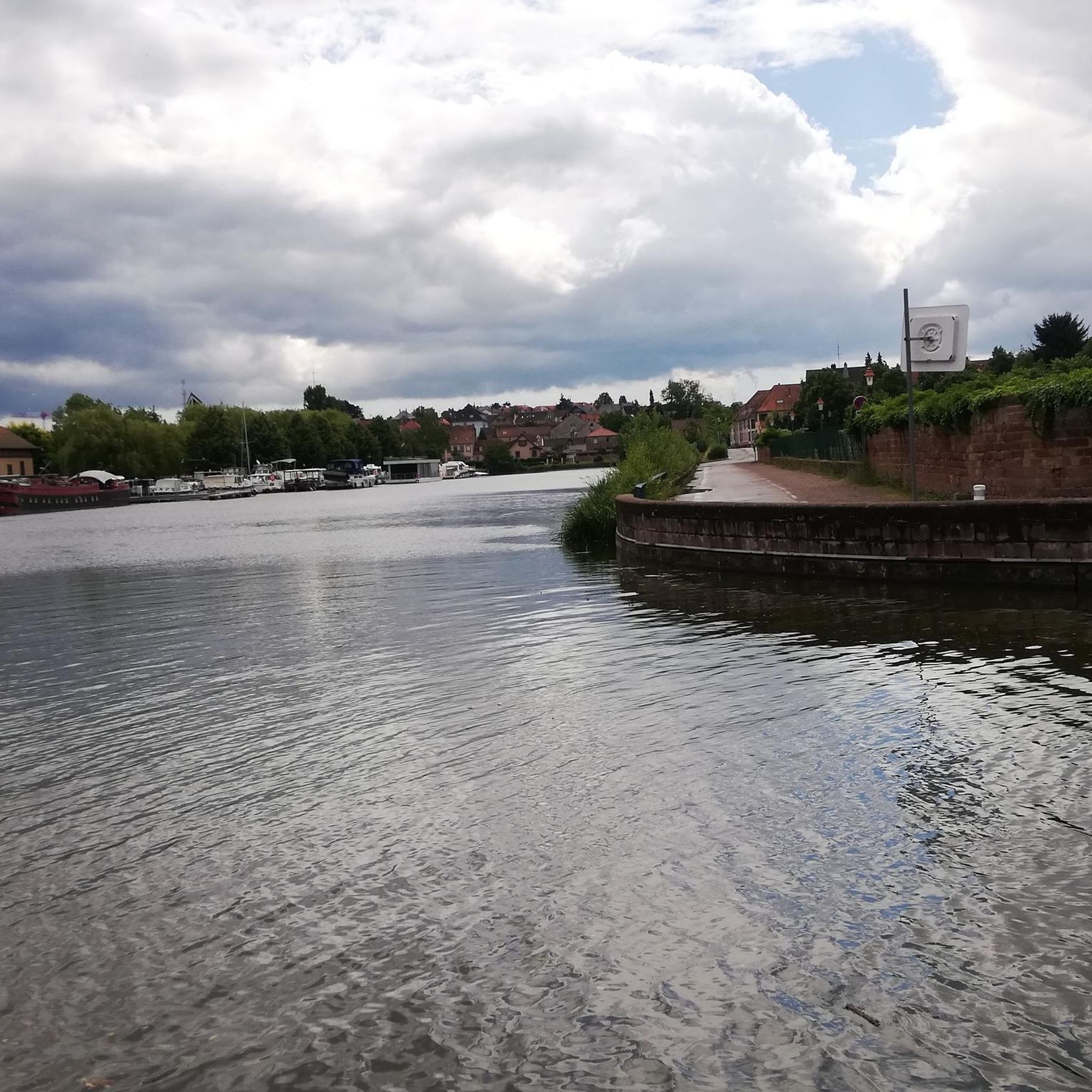
Peaceful along the canal
0
0

An Alsatian resting bench is a type of public bench built in Alsace during the 19th century. On market or fair days, farmers, and especially peasant women, would travel to the towns or large villages where a market was held. Heavily laden, they brought their farm produce. The peasant women carried a basket on their heads, protected by a cushion (der Wisch), filled with bran and wheat chaff. The peasant men, for their part, carried their produce in a basket slung over their backs by two leather straps. During stops, the peasant women could place their loads on the lintel and then rest on the bench on the lower slab, usually in the shade of four linden trees. On either side stood two posts where men could place their baskets or where riders could remount their horses. In Alsace, there are two types of resting benches: those of the King of Rome (also known as Marie-Louise benches[1]) dating from 1811; those of Empress Eugénie dating from 1854.
0
0

A very large selection of cakes. A true French patisserie. The staff speaks excellent German. Sandwiches are also available for purchase. Seating is available inside and outside for dining! Highly recommended!
0
0

The Château des Rohan, formerly called "The Little Alsatian Versailles," is located in the city center of Saverne on the Rhine-Marne Canal. This former bishop's castle, built in the 13th century and restored in the 19th century on the initiative of Napoleon III, now houses a museum, a cultural center, a youth hostel, and a school. The neoclassical façade (park side), made of pink sandstone, is 140 meters long, which is the same horizontal height as Strasbourg Cathedral. The Château des Rohan Museum presents extensive Gallo-Roman and medieval archaeological collections. It consists of three departments: Art and History, Louise Weiss, and Archaeology. The Art and History department encompasses many areas: paintings, prints, and 15th- and 16th-century polychrome wood carvings from the churches of Saverne and the region, as well as a room dedicated to the history of the castle. Louise Weiss Department To honor her Alsatian ties (her family originally came from Petite-Pierre near Saverne), journalist Louise Weiss (1893-1983) donated her collections (ethnographic objects, paintings, drawings, 19th- and 20th-century decorative arts, and personal archives) to the Saverne Museum in 1981 and 1983. Archaeological Department In the vaulted cellars of the castle, the museum houses a rich archaeological collection, including numerous Gallo-Roman funerary and votive steles. Tours of the museum and access to the castle roof are available (upon request). Admission (museum + roof access): €5 (adults) and €4 (students)
0
0


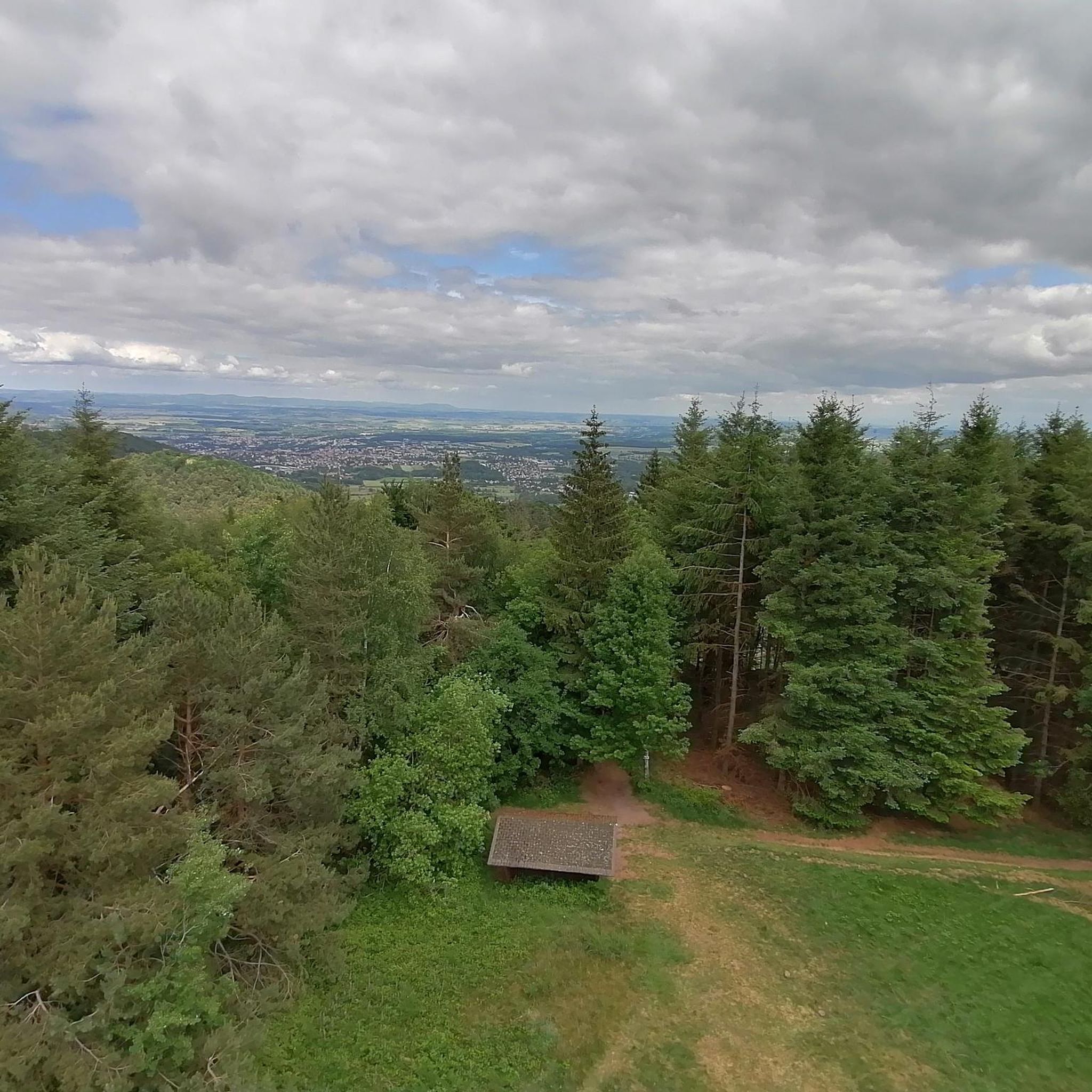
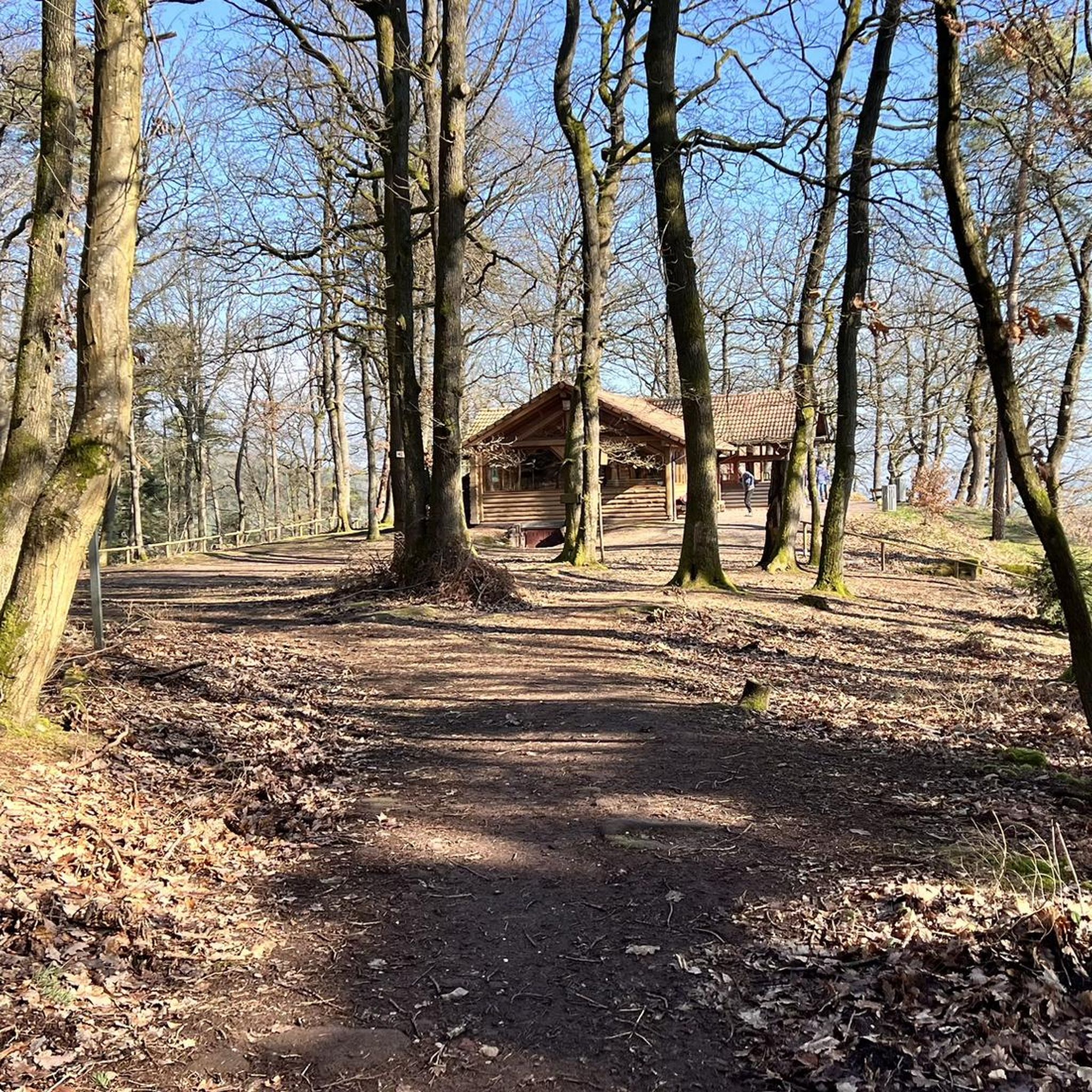
Shelter and picnic area at La Petite Pierre; orientation point
0
0

This lock is precision work. Shortly afterward, it's best to cross to the opposite side of the canal to safely backtrack a bit and view the boat lift from below. This way, you can avoid the road.
0
0

A large neoclassical palace from the late 18th century, especially in relation to the relatively small town. Located at the lower end of the old town, it has a large park at the rear, facing the Rhine-Marne Canal. The palace now belongs to the city and houses two museums, a primary school, a youth hostel, and several theaters and event venues. The varied history of its use is interesting; details can be found online: https://de.m.wikipedia.org/wiki/Rohan-Schloss
5
0
Frequently Asked Questions
What kind of terrain can I expect on road cycling routes around Zillingen?
Road cycling around Zillingen is characterized by rolling hills and river valleys, offering varied terrain. You'll find routes traversing forested sections and open countryside, with moderate elevations. This mix provides diverse experiences suitable for various skill levels.
Are there easy or beginner-friendly road cycling routes in Zillingen?
Yes, Zillingen offers a good selection of routes suitable for beginners. Out of over 100 road cycling routes, 10 are classified as easy, providing a gentle introduction to the region's scenic landscapes.
What are the typical distances for road cycling routes around Zillingen?
The road cycling routes in Zillingen vary in length. For example, the Graufthal Troglodyte Houses – Graufthal loop from Metting is about 18 miles (29 km), while the La Petite Pierre – Bust Church loop from Metting extends to 34.3 miles (55.2 km). You'll find options ranging from shorter loops to longer, more challenging rides.
What interesting sights can I see along the road cycling routes in Zillingen?
Many routes pass by notable attractions. You can explore historical sites like the Graufthal Troglodyte Houses, or marvel at engineering feats such as the Saint-Louis-Arzviller Inclined Plane. Natural viewpoints like the View from Rocher du Petit Moulin also offer stunning panoramas.
Are there any advanced or challenging road cycling routes in Zillingen?
Yes, for more experienced cyclists, Zillingen offers 22 difficult road cycling routes. These often feature greater elevation gains and longer distances, providing a good challenge while still showcasing the region's beauty. An example is the La Petite-Pierre – Graufthal Troglodyte Caves loop from Hangviller, which includes significant climbing.
What do other road cyclists say about the routes in Zillingen?
The road cycling routes in Zillingen are highly rated by the komoot community, with an average score of 4.3 stars from nearly 100 reviews. Over 2,000 road cyclists have explored the area, often praising the varied terrain and the mix of natural and cultural scenery.
Are there circular road cycling routes available in Zillingen?
Yes, many of the road cycling routes around Zillingen are designed as loops, making them convenient for starting and ending at the same point. Examples include the popular Port of Lutzelbourg – St. Louis boat lift loop from Vescheim and the Ernolsheim-lès-Saverne – Ernolheim-lès-Saverne loop from Vescheim.
What is the best time of year for road cycling in Zillingen?
The rolling hills and forested sections of Zillingen are generally pleasant for road cycling from spring through autumn. The moderate elevations make it enjoyable during warmer months, and the changing foliage in autumn adds to the scenic appeal. Winter cycling might be possible, but conditions can vary.
Are there scenic viewpoints along the road cycling routes in Zillingen?
Absolutely. The region's varied landscape, with its rolling hills and river valleys, offers numerous opportunities for scenic views. Keep an eye out for designated viewpoints like the View from Rocher du Petit Moulin, which provide stunning panoramas of the surrounding countryside.
Can I find cafes or places to stop for refreshments near the road cycling routes?
While specific cafe locations aren't detailed for every route, the presence of charming villages and historical sites along many routes suggests opportunities for refreshments. Planning your route to pass through settlements like Graufthal can provide options for breaks and local amenities.
How many road cycling routes are available in the Zillingen area?
There are over 100 road cycling routes available around Zillingen, catering to various skill levels and preferences. This extensive network ensures plenty of options for exploring the region's diverse landscapes.
Most popular attractions around Zillingen

Get inspired with the komoot mobile app


Explore more
Browse the best Road cycling routes in other regions.
