Top 8 Castles around Mittelbronn
Best castles around Mittelbronn are found in the broader region, particularly in the nearby historical and cultural area of Alsace. Mittelbronn is a commune in the Moselle department of Grand Est, France, situated near Phalsbourg. The surrounding landscape features the Vosges mountains and the Rhine Plain, offering diverse terrain for exploration. This area is known for its rich medieval history, with numerous castles and ruins dotting the landscape.
Best castles around Mittelbronn
- The most popular castles is Haut-Barr Castle,…
Last updated: June 23, 2026
Haut-Barr Castle
Highlight • Castle
Translated by Google •
Tip by

Château du Grand Géroldseck
Highlight • Castle
Translated by Google •
Tip by
Sign up now to discover places like this
Get recommendations on the best single tracks, peaks, & plenty of other exciting outdoor places.
Sign up for free
Petit Geroldseck Castle
Highlight • Castle
Translated by Google •
Tip by

Rohan Castle
Highlight • Castle
Translated by Google •
Tip by

Lutzelbourg Castle
Highlight • Castle
Translated by Google •
Tip by

Sign up for free to discover even more castles around Mittelbronn.
Sign up for free
Already have an account?
Start today with a free account
Your next adventure awaits.
Login or Signup
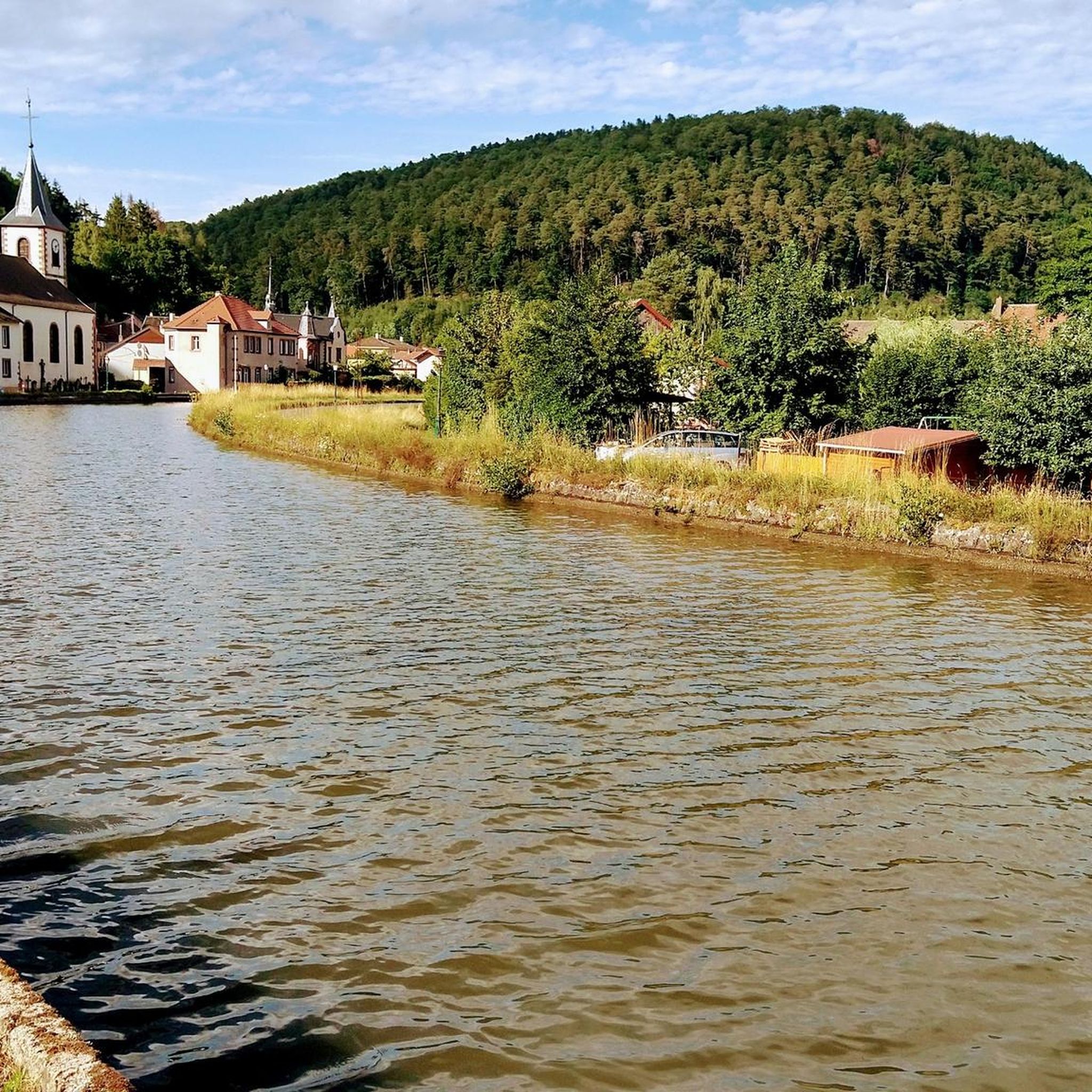
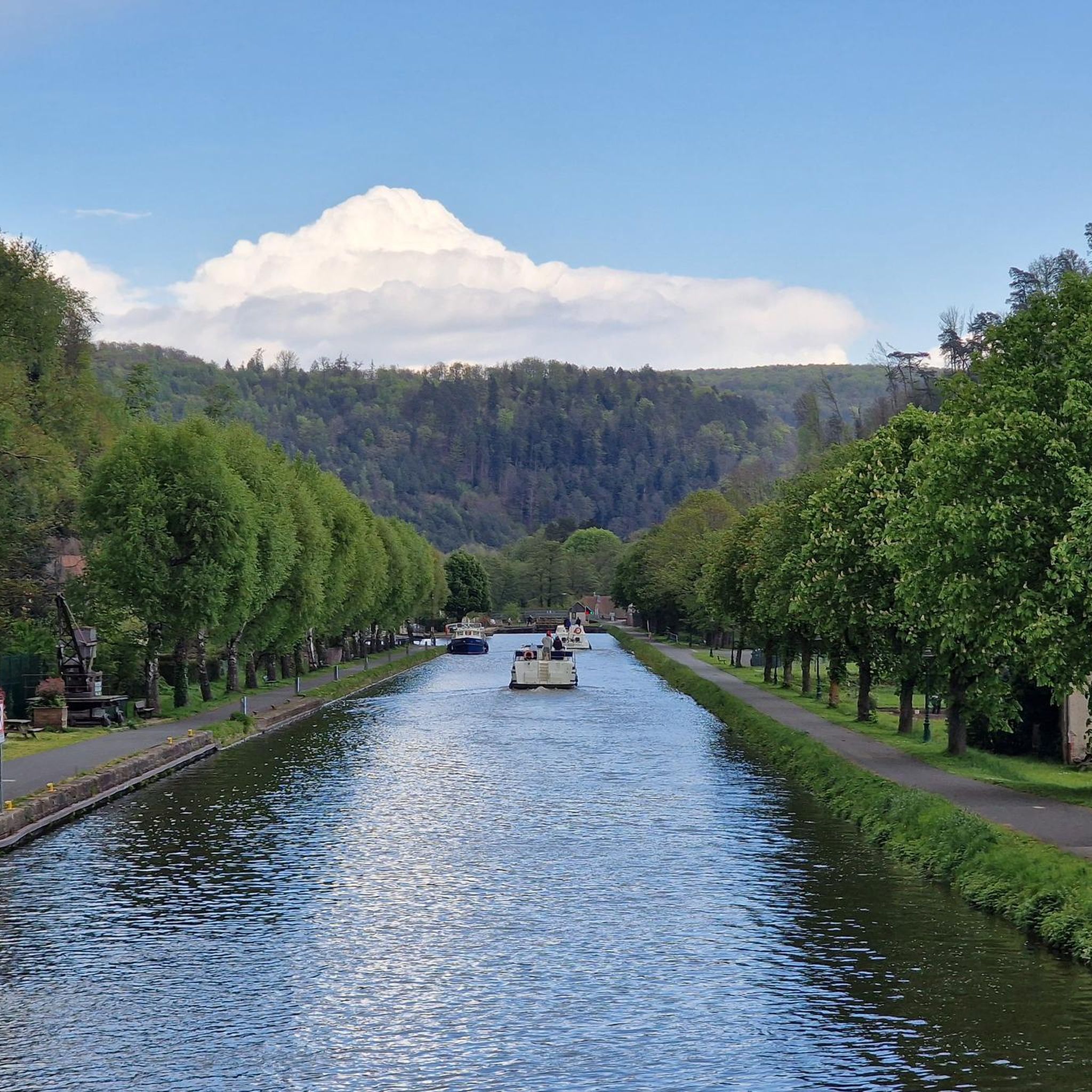
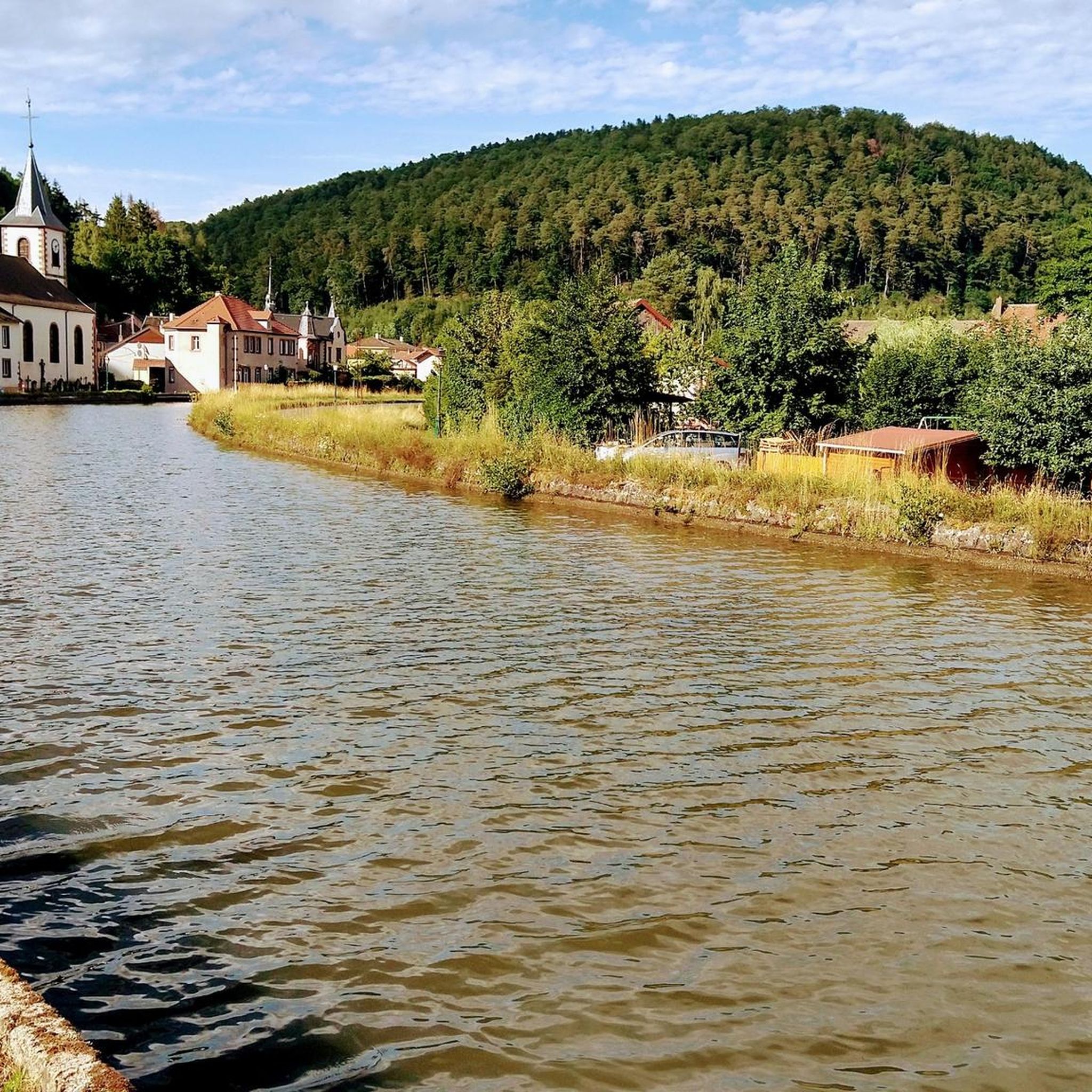
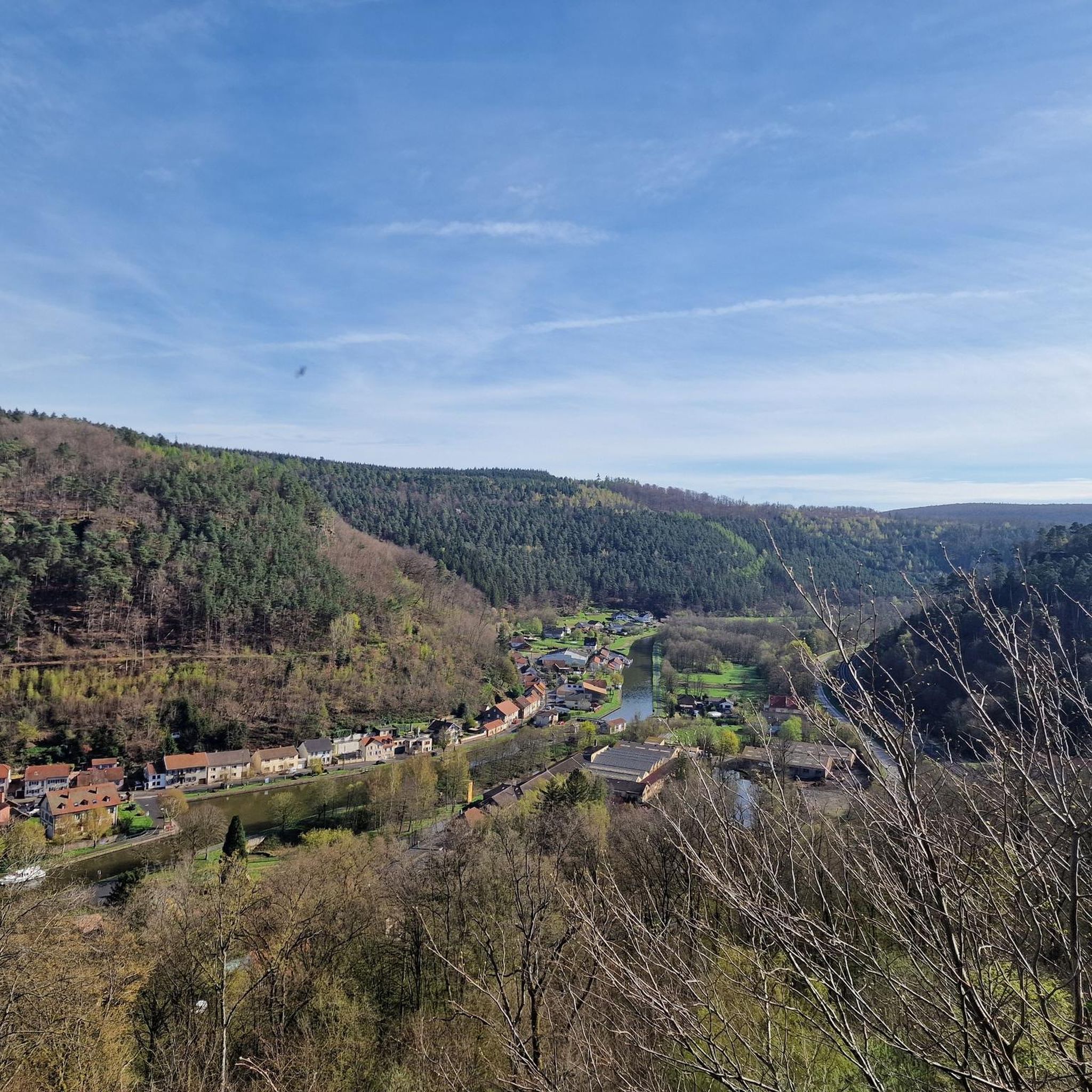

Tips from the Community

This small castle is nowhere near as impressive as its two neighboring castles. But the climb is still worth it.
0
0

The Château des Rohan, formerly called "The Little Alsatian Versailles," is located in the city center of Saverne on the Rhine-Marne Canal. This former bishop's castle, built in the 13th century and restored in the 19th century on the initiative of Napoleon III, now houses a museum, a cultural center, a youth hostel, and a school. The neoclassical façade (park side), made of pink sandstone, is 140 meters long, which is the same horizontal height as Strasbourg Cathedral. The Château des Rohan Museum presents extensive Gallo-Roman and medieval archaeological collections. It consists of three departments: Art and History, Louise Weiss, and Archaeology. The Art and History department encompasses many areas: paintings, prints, and 15th- and 16th-century polychrome wood carvings from the churches of Saverne and the region, as well as a room dedicated to the history of the castle. Louise Weiss Department To honor her Alsatian ties (her family originally came from Petite-Pierre near Saverne), journalist Louise Weiss (1893-1983) donated her collections (ethnographic objects, paintings, drawings, 19th- and 20th-century decorative arts, and personal archives) to the Saverne Museum in 1981 and 1983. Archaeological Department In the vaulted cellars of the castle, the museum houses a rich archaeological collection, including numerous Gallo-Roman funerary and votive steles. Tours of the museum and access to the castle roof are available (upon request). Admission (museum + roof access): €5 (adults) and €4 (students)
0
0

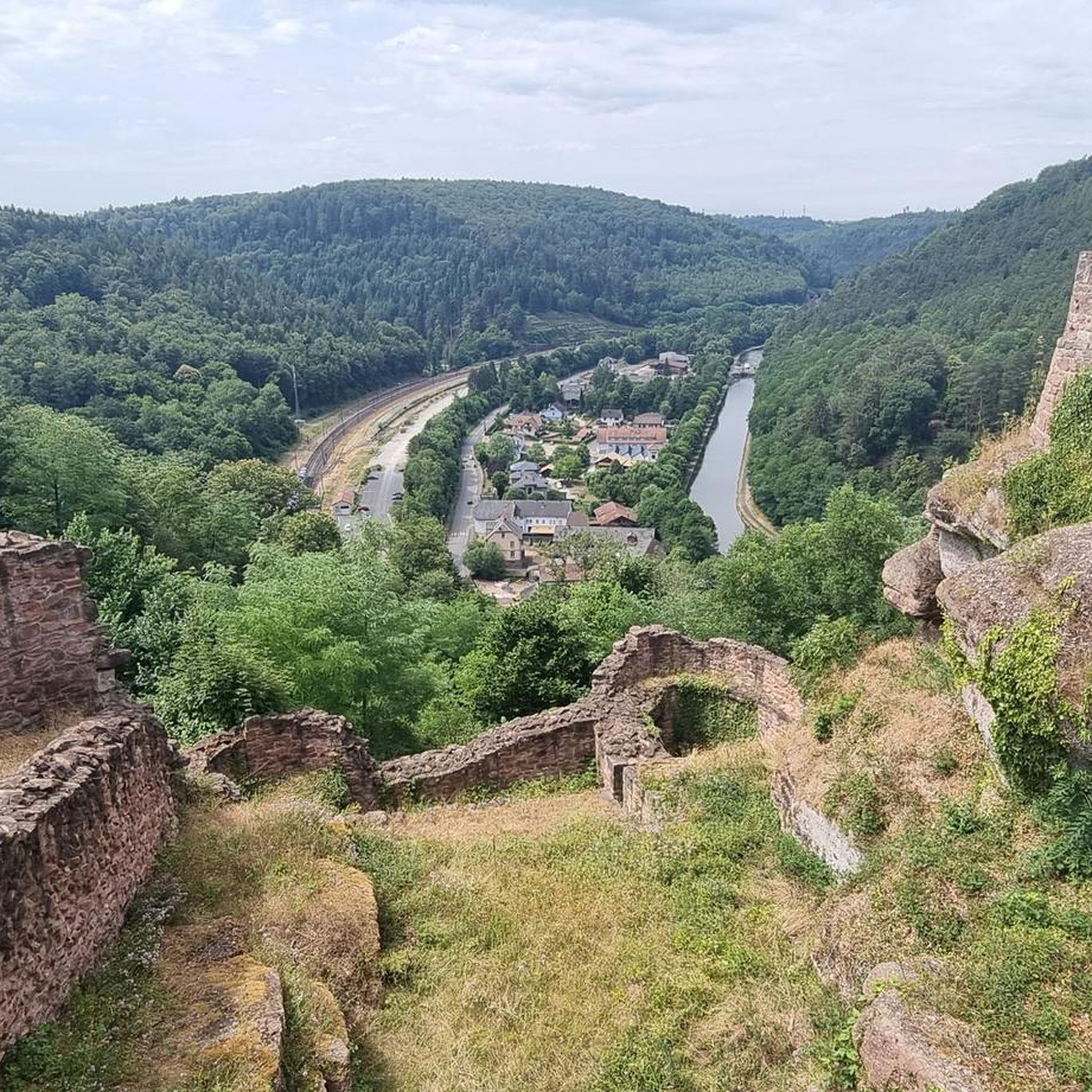
Elongated rock castle above the Zorn valley, southwest of Saverne. After a varied history, it has been state property for approx. 150 years. Varied structures from different eras in the inner courtyard. Great view over the Rhine valley and the northern Vosges.
3
0
A large neoclassical palace from the late 18th century, especially in relation to the relatively small town. Located at the lower end of the old town, it has a large park at the rear, facing the Rhine-Marne Canal. The palace now belongs to the city and houses two museums, a primary school, a youth hostel, and several theaters and event venues. The varied history of its use is interesting; details can be found online: https://de.m.wikipedia.org/wiki/Rohan-Schloss
5
0


Presumably, the small and large Geroldseck were once built together. Today, remnants of the ruins can still be seen, but they are still worth seeing.
0
0
Castle after castle after castle...This one has little view, is therefore less visited and therefore much quieter than various neighboring castles. Nice, rainproof bench
0
0

Beautiful view of the castle ruins and the Zorn Valley. The castle, dating from the 11th century, watches over the valley from its rocky promontory at an altitude of 322 meters.
1
0
Frequently Asked Questions
What kind of castles can I expect to find around Mittelbronn?
The region around Mittelbronn, particularly the historical area of Alsace, offers a diverse range of castles. You'll find impressive medieval ruins like Château du Grand Géroldseck and Wasenbourg Castle, as well as partially preserved fortresses such as Lutzelbourg Castle. There are also fully restored sites like Château du Haut-Koenigsbourg, offering a glimpse into different eras of history.
Are there any fully restored castles or only ruins in the area?
While many castles in the region are magnificent ruins, you can visit the fully restored Château du Haut-Koenigsbourg. This medieval castle was meticulously recreated in the early 20th century, offering furnished rooms and an immersive journey into the Middle Ages. For ruins, Haut-Barr Castle and Ochsenstein Castle are excellent examples of well-preserved historical sites.
Which castles offer the best panoramic views?
Several castles in the area are known for their stunning views. Haut-Barr Castle, also known as the 'Eye of Alsace,' provides fantastic views over the Vosges and the Rhine Valley. Château du Haut-Koenigsbourg, perched on a rocky spur, offers panoramic vistas over the Upper Rhine Plain. Guirbaden Castle also boasts a magnificent view over the Alsace plain and the Bruche Valley.
Can I combine a castle visit with hiking or other outdoor activities?
Absolutely! Many castles are excellent starting points or destinations for outdoor activities. For example, Lutzelbourg Castle is a good starting point for hiking tours. You can find various hiking routes around the castles, including a moderate 15 km loop from Henridorff to Lutzelbourg Castle. For more options, explore the hiking guide for Mittelbronn.
Are there cycling routes that pass by castles?
Yes, the region offers cycling routes that incorporate castle views. For instance, a moderate 39.4 km cycling route from Vescheim includes the Rohan Castle in Saverne. You can find more cycling tours in the cycling guide for Mittelbronn.
Are the castles around Mittelbronn family-friendly?
Many castles offer an engaging experience for families. Restored castles like Château du Haut-Koenigsbourg provide an immersive historical environment. Exploring the winding ruins of places like Château du Grand Géroldseck can also be an adventure for children. Always check specific castle websites for facilities like restrooms, picnic areas, and accessibility for strollers.
Can I bring my dog to the castles or on nearby trails?
While many outdoor trails around the castles are dog-friendly, access policies for dogs inside castle grounds or specific ruins can vary. It's generally advisable to keep dogs on a leash. For specific castle interiors or managed sites like Château du Haut-Koenigsbourg, check their official visitor information regarding pet policies before your visit.
What is the best time of year to visit the castles around Mittelbronn?
The spring, summer, and early autumn months (April to October) are generally the best times to visit. During these periods, the weather is milder, making it ideal for exploring castle ruins and combining visits with hiking. The views from the castle viewpoints are also clearer. Some castles may have reduced hours or be closed during the winter.
Is there parking available at the castles?
Most major castles and popular ruins have designated parking areas nearby. For example, Haut-Barr Castle and Château du Haut-Koenigsbourg offer parking facilities. For smaller, more remote ruins, parking might be limited to roadside spots or nearby village parking, requiring a short walk to the site.
How much time should I allocate for visiting these castles?
The time needed varies depending on the castle. For extensive sites like Château du Haut-Koenigsbourg, you might want to allocate 2-3 hours to explore the furnished rooms and enjoy the views. For ruins like Château du Grand Géroldseck or Wasenbourg Castle, 1-2 hours might be sufficient, especially if combined with a hike. Consider travel time between locations if you plan to visit multiple castles in one day.
Are there any unique architectural features to look out for in these castles?
Yes, the castles in the region boast unique architectural elements. Wasenbourg Castle, despite being a ruin, features an exceptional Gothic bay with nine lancets and seven oculus, a rare composition in Alsace. Ochsenstein Castle has an impressive, still-functional cistern. Château du Haut-Koenigsbourg showcases a mix of architectural styles, including Romanesque elements from its earlier period.
Most popular routes around Mittelbronn
Most popular attractions around Mittelbronn

Get inspired with the komoot mobile app


Explore more
Looking for the best castles somewhere else? Discover other guides around Mittelbronn:
