The best road cycling routes around Morlancourt
4.6
(31)
726
riders
168
rides
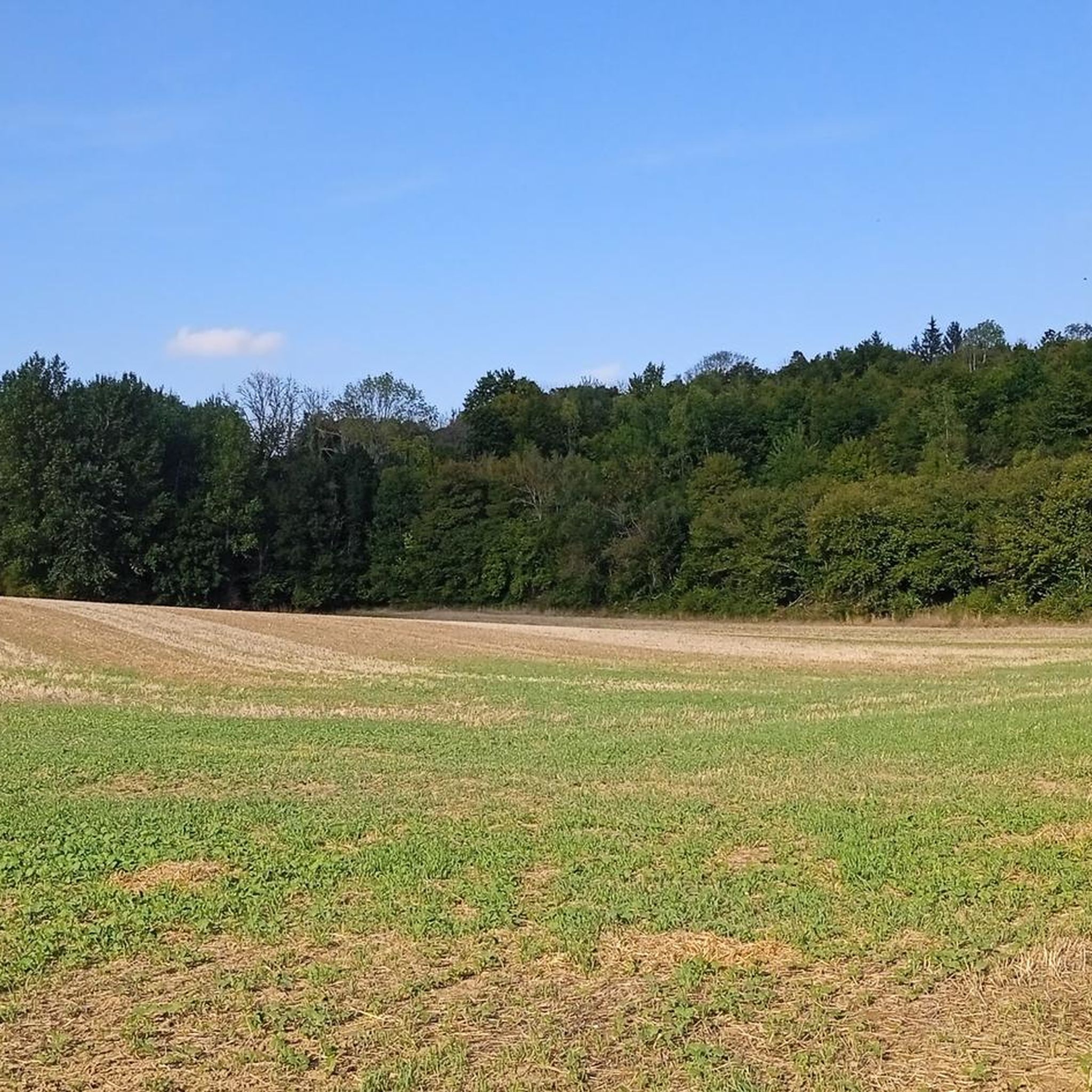
Road cycling routes around Morlancourt are situated within the Somme department of France, characterized by tranquil rural scenery and quiet country lanes. The region features a modest elevation gain, making it suitable for various cycling abilities. Cyclists can explore riverine environments, wetlands, and expansive agricultural landscapes. The area also offers access to historical sites, providing a blend of natural beauty and cultural significance.
Best road cycling routes around Morlancourt
- The most popular road cycling route is Somme Trench Museum –…
Last updated: June 29, 2026
11
riders
79.0km
03:52
650m
650m
Moderate road ride. Good fitness required. Mostly well-paved surfaces and easy to ride.
13
riders
55.5km
02:36
350m
350m
Moderate road ride. Good fitness required. Mostly well-paved surfaces and easy to ride.

Sign up for free
7
riders
49.7km
02:19
320m
320m
Moderate road ride. Good fitness required. Mostly well-paved surfaces and easy to ride.
6
riders
26.5km
01:23
250m
250m
Easy road ride. Great for any fitness level. Mostly well-paved surfaces and easy to ride.
4.0
(2)
13
riders
Moderate road ride. Good fitness required. Mostly well-paved surfaces and easy to ride.
Get access to more routes and recommendations from other explorers.
Sign up for free
Already have an account?
Our route recommendations are based on thousands of hikes, rides, and runs completed by other people on komoot.
Start today with a free account
Your next adventure awaits.
Login or Signup




Tips from the Community

The Somme 245 km is a river in Hauts-de-France (France). The old Gallic name of the river is "Samara", meaning "the calm one". It is the river from which the Somme department derives its name.
8
0
The castle served for centuries as a meeting place for the regional nobility and thinkers.
10
0
There are several locks near Frise, all with fish ladders.
15
0

There are several small locks with benches to view them well
3
0

Officially part of the Historial de la Grande Guerre, the Thiepval Museum is located near the impressive Thiepval Memorial and offers an in-depth look at the Battle of the Somme of 1916. Opened in 2016 to mark the centenary of this bloody battle, the museum comprises seven thematic areas, each highlighting a different aspect of the war. One of the highlights is the 60-metre-long panoramic comic strip by artist Joe Sacco, which vividly depicts the events of 1 July 1916. Visitors will gain insight not only into the military strategies, but also into the human suffering and the culture of remembrance surrounding the missing of the Somme.
5
0
The Tour d'Ulster, also known as the Helen Tower or Tour de Belfast, is a British war memorial. It was built in 1921 to commemorate the soldiers of the 36th Ulster Division who died during the Battle of the Somme in World War I. The tower is a replica of a neo-Gothic tower in Clandeboye Park, near Belfast, where the 36th Division trained. An interesting anecdote is that the 36th Ulster Division was the first to attack during the Battle of the Somme on 1 July 1916, but suffered heavy losses from both German and British artillery fire. The division lost over 5,500 men in just a few hours. The Tour d'Ulster has a cafeteria where you can enjoy a cup of tea, scones or Tayto chips, a specialty from Northern Ireland. It is a nice place to relax.
6
0
The Cratère de Lochnagar, an impressive war memorial, was created by a huge mine blown up by the British Royal Engineers on 1 July 1916, as part of the Battle of the Somme. The explosion marked the beginning of the battle and left a crater 90 metres in diameter and 25 metres deep. Interestingly, the crater was named after Lochnagar Street, the trench from which the tunnel was dug. The crater is now a preserved site of remembrance and a religious service is held there every year on 1 July in memory of those who died.
8
0
An interesting anecdote is that the monument was inaugurated in 1932 by the Prince of Wales and the French President Albert Lebrun. The monument consists of a series of arches supported by sixteen massive square pillars, on which the names of the missing soldiers are engraved. At the foot of the monument is a Franco-British military cemetery with 600 graves: 300 French and 300 British soldiers.
6
0
Frequently Asked Questions
How many road cycling routes are available around Morlancourt?
There are over 160 road cycling routes available around Morlancourt, offering a wide range of options for different skill levels. This includes 43 easy routes, 120 moderate routes, and a few more challenging options.
What is the typical terrain and elevation like for road cycling near Morlancourt?
The region around Morlancourt is characterized by tranquil rural scenery and quiet country lanes with a modest elevation gain. This makes it suitable for various cycling abilities, from casual riders to those seeking more moderate distances. You'll find a mix of riverine environments, wetlands, and expansive agricultural landscapes.
Are there family-friendly road cycling options in the Morlancourt area?
Yes, the modest elevation gain and quiet country lanes make many routes around Morlancourt suitable for families. The Somme Valley Cycle Route, accessible from the area, is particularly well-regarded for its comfortable, paved paths and gentle gradients, ideal for casual riders and families.
What historical landmarks can I visit while road cycling around Morlancourt?
The Somme department is rich in World War I history. You can cycle past significant sites such as the Lochnagar Crater, the Villers-Bretonneux Australian National Memorial, and the La Boisselle Mine Crater. Routes like the Somme Trench Museum – Aviation museum loop from Albert specifically connect historical landmarks.
Are there any natural features or scenic viewpoints along the cycling routes?
Absolutely. The region offers picturesque views of the Somme River and its surroundings. You can encounter significant marshlands like the Marais de Méricourt-sur-Somme and the Etangs de la Barette. The Frise Viewpoint offers panoramic vistas of the landscape.
Where can I find parking if I bring my bike to Morlancourt?
While specific parking areas for cyclists in Morlancourt are not detailed, the village and nearby towns typically offer public parking facilities. For routes starting from specific locations like Albert or Buire-sur-l'Ancre, you can usually find parking near the starting points of the trails.
Is public transport available to Morlancourt for cyclists with bikes?
Information on specific public transport options to Morlancourt that accommodate bikes is limited. It's advisable to check local train or bus services in the Somme department for their bike carriage policies, especially if planning to use public transport to reach the starting points of routes.
What is the best time of year for road cycling in Morlancourt?
The spring and autumn months generally offer the most pleasant conditions for road cycling in Morlancourt, with milder temperatures and beautiful scenery. Summer can also be enjoyable, though it's wise to cycle earlier in the morning or later in the afternoon to avoid the warmest parts of the day.
Are there any circular road cycling routes available?
Yes, many of the routes around Morlancourt are designed as loops, allowing you to start and end in the same location. Examples include the Somme Trench Museum – Aviation museum loop from Albert and the Ulster Tower – Thiepval Memorial Park loop from Méaulte.
What do other cyclists say about road cycling in Morlancourt?
The road cycling routes around Morlancourt are highly rated by the komoot community, with an average score of 4.7 stars from over 30 reviews. Cyclists often praise the quiet country lanes, the blend of natural beauty with historical sites, and the variety of options for different ability levels.
Are there options for longer distance road cycling routes from Morlancourt?
Yes, for those seeking longer rides, the region offers routes that extend further into the Somme department. The Ulster Tower – Aviation museum loop from Buire-sur-l'Ancre is a moderate 81 km (50.3 miles) path that traverses historical sites and rural landscapes, providing a good option for a longer day out.
Can I find cafes or places to stop for refreshments along the road cycling routes?
While Morlancourt itself is a small commune, the wider Somme department, especially in larger towns like Albert or along established routes like the Somme Valley Cycle Route, offers various services including cafes, restaurants, and picnic areas. Planning your route to pass through these towns will provide opportunities for refreshments.
What makes the Somme Valley Cycle Route a good option for road cyclists near Morlancourt?
The Somme Valley Cycle Route is an excellent option due to its dedicated infrastructure. Much of its 200 km length is paved, following a converted towpath with modest elevation, making it comfortable for various skill levels. It offers picturesque views of the Somme River, historical points of interest, and bike-friendly services. More information can be found on France Vélo Tourisme.
Most popular routes around Morlancourt
Most popular attractions around Morlancourt

Get inspired with the komoot mobile app


Explore more
Browse the best Road cycling routes in other regions.
