Top 5 Castles around Quintillan
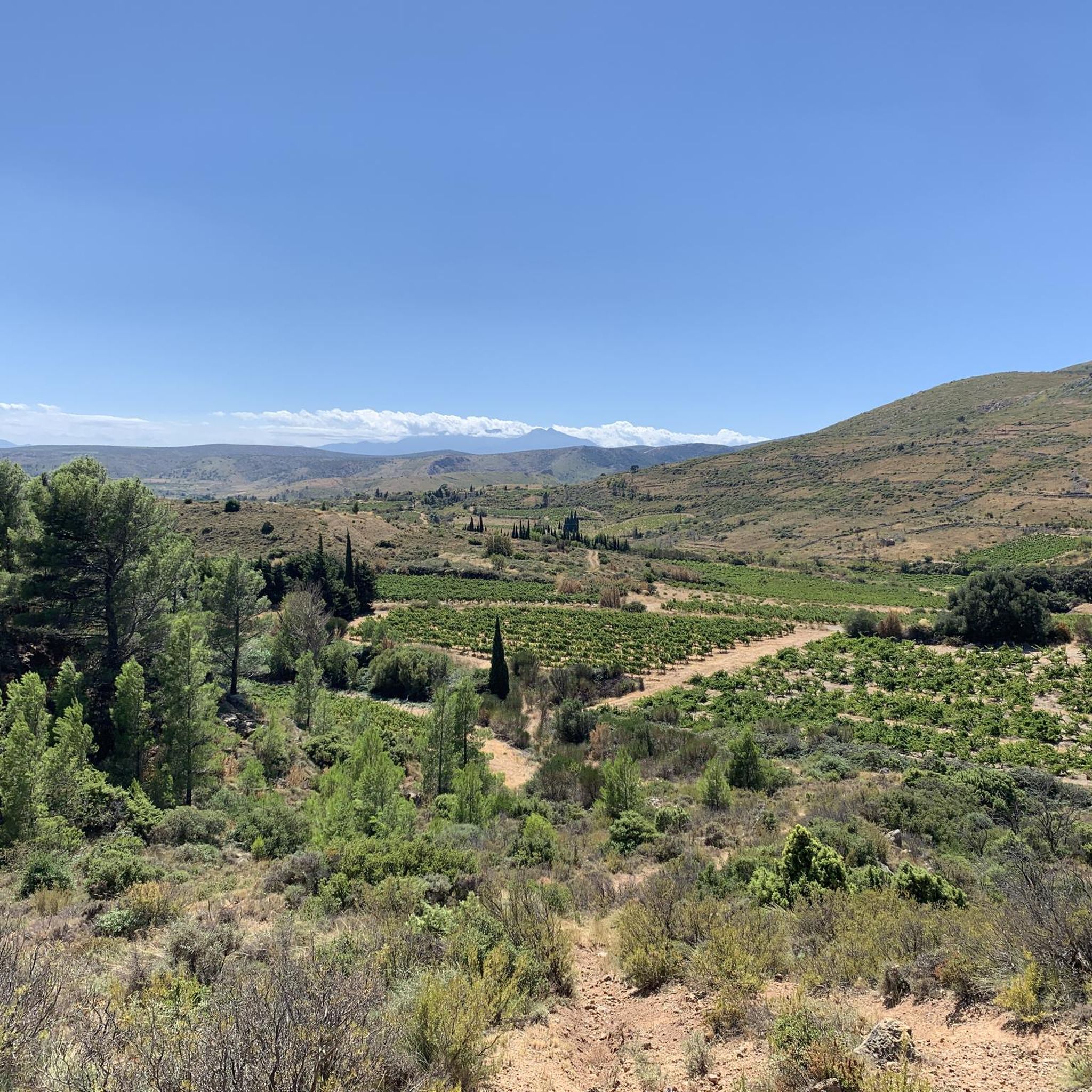
Best castles around Quintillan offer a journey through historical landmarks set within a varied landscape. This region in France is characterized by its historical significance, featuring ancient fortifications and medieval structures. Visitors can explore a range of castles, many of which are situated to provide expansive viewpoints of the surrounding area. The terrain often includes elements suitable for walking routes, connecting these historical sites.
Best castles around Quintillan
- The most popular castles is Termes Castle, a castle that offers…
Last updated: August 24, 2026
Durban Castle
Highlight • Castle
Showing Translation
Tip by

Termes Castle
Highlight • Castle
Translated by Google •
Tip by

Sign up now to discover places like this
Get recommendations on the best single tracks, peaks, & plenty of other exciting outdoor places.
Sign up for free
Château de Padern
Highlight • Castle
Translated by Google •
Tip by

Villerouge-Termenès Castle I
Highlight • Castle
Translated by Google •
Tip by

Aguilar Castle
Highlight • Castle
Showing Translation
Tip by
Start today with a free account
Your next adventure awaits.
Login or Signup
Tips from the Community

The castle of Durban stands in ruins on a rocky outcrop overlooking the village of Durban-Corbières, in the Aude. Built in the 11th century on Roman remains for the lords of Durban, vassals of the viscounts of Narbonne, it is mentioned as early as 1018 and long reigned over the surrounding valleys. Sold in 1873 to recover its stones, then dismantled, it was only saved in 1989 when the commune acquired what remained of it.
0
0
The castle of Aguilar raises its ruins on a modest hillock 300 meters above sea level, overlooking the vineyards and the eastern Corbières, near Tuchan in the Aude. Built between the 12th and 15th centuries, it was owned by the Catalan counts and then by the house of Termes, before being confiscated by Simon de Montfort during the crusade against the Cathars, Olivier de Termes having refused to submit. It became a royal fortress, ranks among the famous "Five Sons of Carcassonne" and is distinguished by its hexagonal fortified enclosure and its Sainte-Anne chapel. The path leading there crosses the vineyards of Tuchan and can be enjoyed all year round.
0
0

Open for visits on Saturdays and Sundays
0
0

Superb site and superb panorama!
0
0

Very impressive château in a small, pleasant town; a restaurant with a shady garden is located directly opposite.
3
1

Magnificent castle, perched in the heart of the village
1
1

A ruined castle in the Massif des Corbières dating back to the 11th century. Inside there is a restaurant offering 14th century cuisine!
1
0

Very pretty village in a must-see region for cycling
0
0
Frequently Asked Questions
What historical significance do the castles around Quintillan hold?
The castles in this region, such as the Termes Castle and Villerouge-Termenès Castle I, are deeply rooted in history, with some structures dating back to the 11th and 13th centuries. They often played a role in significant historical events, like the Albigensian Crusade, and showcase medieval defensive architecture. The region itself has a long history, with some sites having Roman and Visigoth origins.
Which castles offer the best panoramic views of the surrounding area?
For stunning panoramic views, consider visiting Château de Padern, which is noted as both a castle and a viewpoint. Termes Castle also provides expansive vistas from its ruins. The region's castles are often strategically located to offer impressive outlooks over the varied landscape and mountains.
Are there any unique architectural features to look for in the castles near Quintillan?
Yes, the castles in this area often feature classic medieval defense systems. For example, the Château de Quillan, a notable historical site in the region, is described as having a fort-like appearance with thick walls, and unique tower designs where the main entrance might have been topped by a large square tower, a design rare in the Aude region. Many structures are built from local materials like river stones, reflecting their ancient origins and construction methods.
Can I find family-friendly activities or walks at the castles?
While specific family-friendly activities vary by castle, many sites offer circular routes through their ruins, which can be engaging for families. For instance, Termes Castle provides a booklet for a circular tour, making exploration interactive. The historical context and impressive structures can captivate children and adults alike.
What kind of outdoor activities can I do near the castles around Quintillan?
The area around Quintillan is excellent for various outdoor activities. You can find numerous hiking trails, MTB trails, and running routes. Many of these routes pass by or offer views of the castles, integrating historical exploration with nature. The landscape is particularly suited for road cyclists, offering varied terrain and little traffic.
Are there specific hiking trails that incorporate castle visits?
Yes, several hiking routes in the region allow you to explore castles. For example, the 'Chapelle Saint-Martin – Villerouge-Termenès Castle loop from Villerouge-Termenès' is a moderate 6.7 km hike that includes Villerouge-Termenès Castle I. You can find more options for hiking around Quintillan that combine historical sites with scenic paths.
What is the best time of year to visit the castles in this region?
The region experiences regular and vigorous winds, especially at the feet of the Pyrenees. While beautiful year-round, spring and autumn generally offer pleasant temperatures for exploring. Summer can be warm, but the historical sites provide shade. Winter hiking is possible, but checking the weather forecast is always recommended due to potential strong winds.
Is there public transport available to reach the castles?
Information on specific public transport routes directly to each castle is limited. It is generally advisable to plan for personal vehicle access or consider local taxi services for reaching some of the more remote castle sites. Many castles are located in or near small villages, which might have limited bus services.
Are the castles around Quintillan dog-friendly?
Policies regarding dogs can vary by specific castle site. While outdoor areas and trails around the castles are often dog-friendly, access inside castle ruins or buildings might be restricted. It's best to check individual castle regulations before your visit. When hiking in the Corbières-Fenouillèdes Regional Natural Park, always keep dogs on a leash and clean up after them.
Where can I find refreshments or places to eat near the castles?
Many castles are located near or within small towns and villages where you can find cafes and restaurants. For instance, Villerouge-Termenès Castle I has a restaurant directly opposite, offering 14th-century cuisine. Château de Padern is in a very pretty village, likely offering local dining options.
Are there any lesser-known or 'hidden gem' castles worth exploring?
While not as widely known as some others, Durban Castle offers impressive ruins perched in the heart of its village. Although entrance might not always be permitted, its exterior provides a magnificent sight and a glimpse into the region's rich history, making it a worthwhile stop for those seeking less-trafficked historical sites.
What are the typical admission costs for visiting these castles?
Admission costs vary by castle. For example, the tour of the ruins at Termes Castle costs around 5.50 euros for adults and 2.50 euros for children up to 15 years. It's advisable to check the official websites or local tourist information for the most current pricing for each specific castle you plan to visit.
Are there any accessibility considerations for visitors with mobility issues?
Due to their historical nature and often rugged terrain, many castles in the region may have limited accessibility for visitors with mobility issues. Sites like Termes Castle involve circular routes through ruins, which can include uneven surfaces. It is recommended to contact individual castle sites directly for specific accessibility information.
Most popular attractions around Quintillan

Get inspired with the komoot mobile app


Explore more
Looking for the best castles somewhere else? Discover other guides around Quintillan:
